Sauces & Condiments
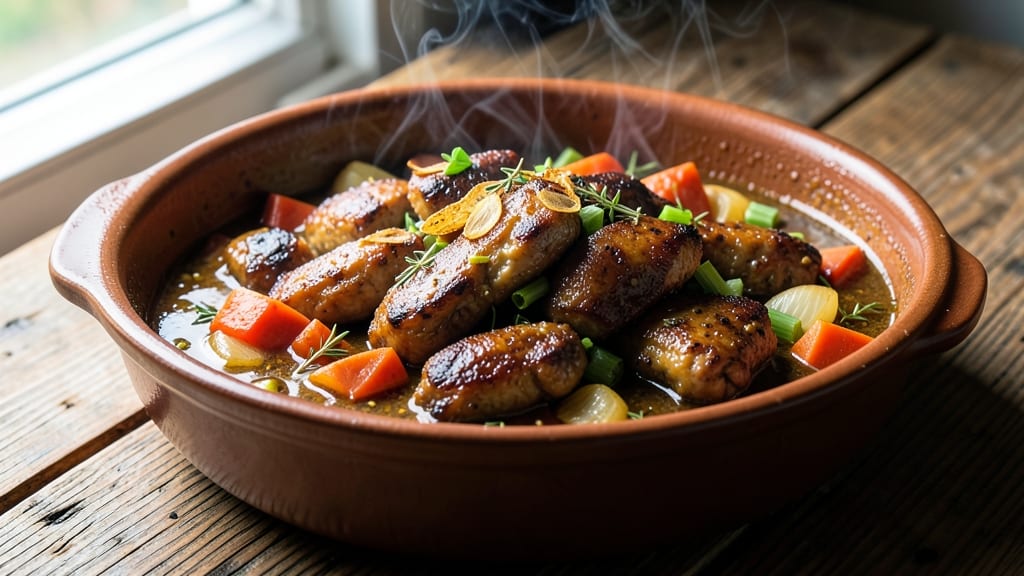
This chicken gizzard sauce recipe transforms humble offal into a velvety, umami-rich condiment that elevates any dish it touches. The secret lies in slow simmering gizzards with aromatic vegetables and herbs, allowing their natural flavors to meld into a deep, savory paste.
I developed this after discovering how restaurant-quality sauces often start with underutilized ingredients—this is proof that bold flavors don’t require expensive ingredients, just patience and technique.
The process begins with browning the gizzards for maximum flavor development, then simmering them in a rich broth until tender. Aromatics like onions, garlic, and celery form the flavor base, while bay leaves and thyme add earthy depth.
The result is a sauce that’s silky yet substantial, with a texture that clings beautifully to meats, grains, or even fresh bread. Every spoonful delivers layers of umami, making it a secret weapon for home cooks who want restaurant-quality depth without the price tag.
What makes this sauce truly special is its versatility—use it as a marinade, drizzle it over grilled meats, or stir it into soups and stews for instant richness.
The slow cooking process ensures deep flavor penetration, while the final blend creates a smooth, cohesive sauce that’s ready to transform your dishes. Whether you’re cooking for a crowd or simply craving a flavor boost, this sauce delivers professional results with simple ingredients.
Store it in the refrigerator for up to five days or freeze for longer shelf life, ensuring you always have a flavorful shortcut on hand. The key to success lies in the slow simmering—rushing this step will compromise the sauce’s depth and texture.
Let’s create something extraordinary from something often overlooked.
Ingredients for chicken gizzard sauce
Transform humble offal into restaurant-quality sauce with these simple yet powerful ingredients.
| Ingredient | Amount | Notes |
|---|---|---|
| Chicken Gizzards 🍗 | 1 ½ lb | Fresh, cleaned and trimmed |
| Yellow Onion 🧅 | 1 whole | Medium size, diced |
| Carrots | 3 medium | Peeled and chopped into chunks |
| Celery Stalks 🥕 | 3 whole | Trimmed and chopped |
| Garlic Cloves 🧄 | 6 cloves | Peeled and smashed |
| Fresh Thyme 🌿 | ¼ cup | Leaves only, chopped |
| Bay Leaves 🍃 | 2 whole | Dried or fresh |
| Extra-Virgin Olive Oil 🫒 | ½ cup | High quality, fruity |
| Chicken Broth 💧 | 3 cups | Low-sodium preferred |
| Red Wine 🍷 | 1 cup | Dry, bold variety |
| Tomato Paste 🍅 | ¼ cup | Smooth, not chunky |
| Salt 🧂 | 1 ½ tsp | Kosher or sea salt |
| Black Pepper 🌶️ | 1 tsp | Freshly ground |
| Fresh Parsley 🌿 | ⅛ cup | Chopped, for garnish |
The gizzards are the heart of this sauce—freshness is critical. Source them from a trusted butcher or well-stocked grocery store like Whole Foods or Trader Joe's, where they're typically cleaned and ready to use. Look for bright red, firm gizzards with no off smells. The olive oil should be high quality, with a peppery finish—California Early Harvest or Colavita are excellent choices. For the broth, low-sodium options prevent over-salting, though you can adjust later. The carrots and celery form the aromatic base, so don't skip chopping them uniformly for even cooking.
No red wine? Dry white wine or additional chicken broth works in a pinch. Fresh thyme and bay leaves can be swapped for dried equivalents at one-third the amount—though fresh delivers superior depth. The tomato paste should be smooth, not chunky—Barilla or Muir Glen are reliable brands. For extra richness, stir in 1 tbsp of butter at the end. If you're short on time, pre-chopped mirepoix from the store saves prep work, though homemade always tastes better. The parsley is purely decorative but adds a fresh finish—flat-leaf works best.
This sauce develops deeper flavor over time, so reheat gently on the stove with a splash of broth. Store in an airtight container in the fridge for 5-7 days, or freeze for up to 3 months. Portion into ice cube trays for easy single-use servings—perfect for drizzling over grilled meats or pasta. The sauce thickens as it cools, so thin with a bit of broth if needed. Always taste before serving and adjust seasoning—salt is your best friend here.
Why You'll Love This Recipe
- One-Pot Magic: I swear by this recipe because it’s all in one pot—no chopping boards, no extra pans. Just toss the gizzards with onions, carrots, and celery (that classic mirepoix combo), add garlic, and let it simmer. The veggies soften into the sauce while the gizzards get tender—no fuss, no stress.
- Umami Bomb: Between us, chicken gizzards pack serious flavor when cooked low and slow. The onions caramelize just enough to sweeten the sauce, while the garlic adds that sharp, aromatic punch. Honestly, the taste is so rich, you won’t believe it’s made with offal—it’s dangerously good.
- Leftovers for Days: This sauce keeps beautifully in the fridge for up to five days, and it only gets better as the flavors meld. I freeze portions too—perfect for lazy nights when I just want to reheat and serve over rice or noodles. (Yes, even on a Tuesday night.)
- Budget Game-Changer: Gizzards are one of the most affordable cuts of chicken, and this recipe stretches them far. A single batch feeds four, and the veggies add bulk without breaking the bank. It’s my go-to when I need a hearty, filling meal that doesn’t drain my wallet.
Step-by-step instructions for chicken gizzard sauce
This method transforms tough gizzards into a velvety sauce with deep umami richness.
Prepare and Sear the Chicken Gizzards
Rinse the 1.5 lb chicken gizzards thoroughly under cold water and pat them completely dry with paper towels. This step is crucial—any moisture will prevent proper browning. In a large Dutch oven, heat 0.25 cup extra-virgin olive oil over medium-high heat until shimmering. Add the gizzards in a single layer and sear for 8-10 minutes, turning occasionally, until they develop a deep golden-brown crust. The gizzards should feel firm to the touch and release easily from the pan.
Remove the gizzards and set them aside. You'll notice the oil will darken slightly—this is the foundation of your sauce's flavor. If the oil starts smoking before the gizzards brown, reduce the heat slightly and give them a few more minutes. Don't rush this step; proper browning extracts maximum flavor from the meat.
Build the Flavor Base with Aromatics
In the same Dutch oven, add 1 whole yellow onion, 3 medium carrots, and 3 whole celery stalks, all chopped into ¼-inch pieces. Cook for 8-10 minutes over medium heat, stirring occasionally, until the vegetables soften and their edges begin to caramelize. Add 6 cloves garlic cloves (peeled and smashed) and 0.25 cup fresh thyme (chopped), cooking for an additional 2 minutes until fragrant.
Stir in 2 whole bay leaves and 0.25 cup tomato paste, spreading it evenly over the vegetables. Cook for 3-4 minutes until the tomato paste darkens slightly and the mixture becomes thick and paste-like. This step develops the sauce's depth—don't skip it. If the mixture sticks to the bottom, add 1 tablespoon chicken broth to deglaze and scrape up those flavorful browned bits.
Deglaze and Simmer the Sauce
Pour in 1 cup red wine, scraping up any browned bits from the bottom of the pot with a wooden spoon. Let the wine simmer for 5-6 minutes until it reduces by half and the alcohol smell dissipates. Add 3 cups chicken broth, 1.5 tsp salt, and 1 tsp black pepper, then return the gizzards to the pot. Bring to a gentle boil, then reduce heat to low and cover partially. Simmer for 1.5 hours, turning the gizzards occasionally, until they are fork-tender.
Check the gizzards for doneness by piercing them with a fork—they should feel tender with no resistance. If the sauce reduces too much before the gizzards are done, add a splash of chicken broth to maintain the proper consistency. The sauce should coat the back of a spoon but remain silky rather than gluey. Real talk: This is where patience pays off—the longer they simmer, the more flavorful the sauce becomes.
Finish and Serve the Sauce
Once the gizzards are tender, remove them from the pot and transfer to a cutting board. Using two forks, shred the gizzards into bite-sized pieces, discarding any bones or connective tissue. Return the shredded gizzards to the pot and stir to combine with the sauce. Taste and adjust seasoning if needed—you may need a bit more salt or black pepper to balance the flavors.
Strain the sauce through a fine-mesh sieve if you prefer a smoother texture, or leave it slightly chunky for added depth. Stir in 0.125 cup fresh parsley (chopped) just before serving. This sauce pairs beautifully with crusty bread, polenta, or over mashed potatoes. Serve immediately while warm, as the flavors continue to meld even after cooking.
Pro Tips For Making Chicken Gizzard Sauce
- Trim and Score Gizzards: Cut off the fat cap and slice gizzards lengthwise—about ½-inch thick—so they cook evenly. I learned this the hard way: thick chunks stay chewy, and no one wants rubbery gizzards in their sauce.
- Sear in Batches: Don’t crowd the pan—cook gizzards in two batches over medium-high heat for 3-4 minutes per side. Rushing this step means they’ll steam instead of brown, and that’s when the sauce turns bland.
- Sweat, Don’t Burn: Lower heat to medium when cooking onions, carrots, and celery—just until softened, not golden. After burning two batches of veggies, I finally realized the sauce’s depth comes from their slow release, not caramelization.
- Deglaze with Wine or Stock: After browning gizzards, splash in ½ cup of dry white wine or chicken stock—it lifts all the stuck-on bits and adds instant depth. Skipping this step leaves you scraping a sad, flavorless paste off the bottom.
Troubleshooting this dish
Sauce Too Thin
If your sauce ends up too thin after simmering, don’t panic—this is an easy fix. Simmer the sauce uncovered over medium-low heat for an additional 10-15 minutes to reduce it naturally.
For faster results, mix 1 tablespoon cornstarch with 2 tablespoons cold water, stir into the sauce, and simmer for 2-3 minutes until thickened. If the sauce separates, whisk in 1 tablespoon cold butter to restore its silky texture. 💫
Gizzards Still Tough
Tough gizzards usually mean they weren’t cooked long enough or the heat wasn’t consistent. Extend the simmering time to 2 hours (covered) and check for doneness by piercing with a fork—they should shred easily. If they’re still firm, add ½ cup more chicken broth and simmer another 30 minutes.
For extra tenderness, add 1 tbsp apple cider vinegar to the broth, which helps break down connective tissue. Honestly, this is where slow and steady wins the race.
Sauce Too Salty
Over-salting is a common mistake, but it’s fixable. If your sauce tastes too salty, add ½ cup unsalted chicken broth or water and simmer for 5 minutes to dilute the salt.
For a more dramatic fix, stir in 1 tbsp lemon juice or apple cider vinegar, which balances the saltiness with acidity. Taste as you go—this sauce should be rich but not overwhelming. 🧂
Bitter or Off Flavors
Bitterness often comes from overcooking the aromatics or using low-quality ingredients. If your sauce tastes bitter, add 1 tbsp honey or maple syrup to mellow the flavors. For a deeper fix, stir in 1 tsp smoked paprika or a pinch of cinnamon to add warmth.
Always use fresh herbs, high-quality broth, and avoid letting the sauce boil vigorously, which can concentrate bitter compounds. Confession time: I’ve ruined a batch or two this way, but it’s a quick lesson learned.
Sauce Separates
Sauce separation happens when fats and liquids separate, often due to rapid cooling or high heat. To fix it, place the sauce over low heat and whisk in 1 tablespoon cold butter or olive oil until fully emulsified.
For a smoother texture, blend the sauce with an immersion blender—this also helps if you prefer a velvety finish. If the sauce is too thick after blending, thin it with a splash of broth. The key is gentle heat and patience. 💡
Gizzards Too Gamey
Gamey flavors in gizzards usually mean they weren’t cleaned properly or cooked long enough. Start with fresh, high-quality gizzards from a trusted butcher. If the flavor is still too strong, add 1 tbsp soy sauce or fish sauce to the sauce during the final simmer.
A splash of red wine vinegar also helps balance the intensity. For next time, soak the gizzards in milk or buttermilk for 30 minutes before cooking to mellow the flavor. Real talk: This step makes a world of difference.
Nutrition facts
Frequently asked questions
Can I substitute chicken gizzards with other offal for this sauce?
While chicken gizzards are ideal, you can use duck gizzards or chicken livers (in equal amounts) for a richer, slightly gamey flavor. For livers, remove any connective tissue first and reduce simmering time to 45-60 minutes to avoid overcooking. Never use beef or pork offal—the fat content and cooking times differ significantly.
How do I know when the gizzards are fully cooked in the sauce?
Gizzards are done when they shred easily with a fork and have no pink or firm centers. They should also feel tender when pierced—they'll separate into flakes rather than resist. For extra certainty, cut one open: the meat should be opaque and juicy, not translucent or rubbery. If in doubt, simmer 15-20 minutes longer.
Can I make this sauce in a slow cooker instead of stovetop?
Brown the gizzards and aromatics first in a skillet, then transfer everything to a 6-quart slow cooker. Add all remaining ingredients and cook on LOW for 6-8 hours (or HIGH for 4-5 hours). The slow cooker's gentle heat makes the gizzards extra tender and deepens the sauce's flavor. Just check for doneness early—offal can overcook easily.
What are the best ways to use leftover gizzard sauce?
This versatile sauce works in countless ways! Use it as a marinade for grilled chicken or steak, stir into mashed potatoes or polenta, or drizzle over pasta or risotto. Thin it with broth for a quick soup base, or spread on toasted bread with a sprinkle of Parmigiano-Reggiano. For extra richness, blend it with 1 tbsp cream before serving. The possibilities are endless—don't let leftovers go to waste!
Why does my sauce smell strong but taste bland?
This usually means the gizzards weren't browned enough or the aromatics weren't cooked long enough to develop flavor. Always sear the gizzards until deeply golden and cook the vegetables until caramelized. If the sauce tastes flat, boost it with 1 tsp fish sauce or soy sauce during the final simmer. A splash of red wine vinegar can also brighten the flavors.