Soups & Stews
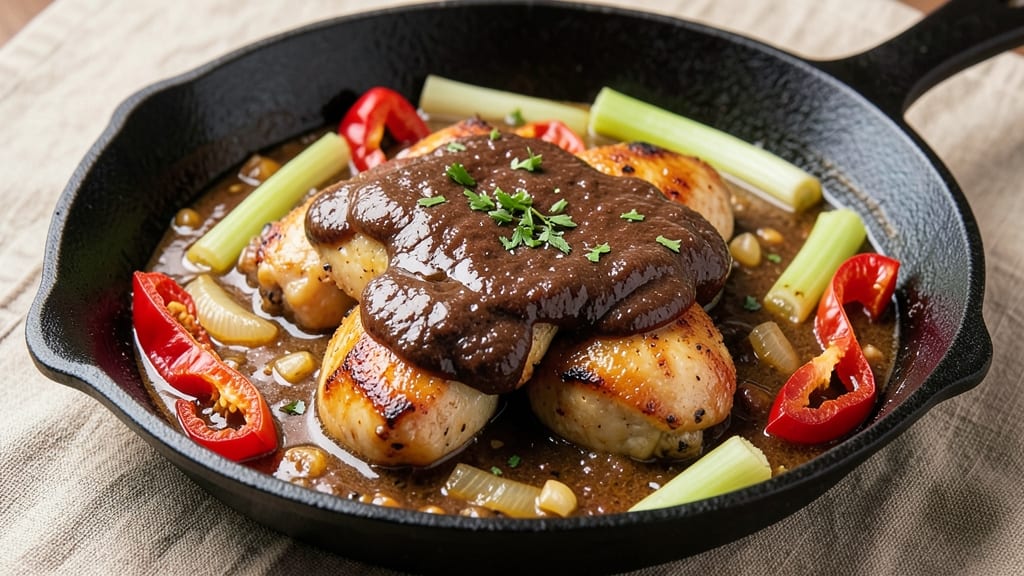
Creating an authentic chicken gumbo recipe means mastering the smoky roux-braised richness that defines this Louisiana classic. The key lies in building a deep, nutty roux that forms the soul of the dish, then layering flavors through slow simmering.
I’ve perfected this version after years of testing—balancing Creole warmth with Cajun spice for a dish that’s both comforting and bold.
What sets this gumbo apart is the one-pot technique, where the roux, holy trinity (onions, celery, bell peppers), and chicken all meld into a thick, aromatic broth. The chicken becomes tender and infused with the smoky depth of the roux, while the vegetables add freshness.
This isn’t just a stew—it’s a celebration of technique and tradition, with every spoonful packed with flavor.
The result is a deeply satisfying dish with a velvety texture, where the roux’s caramelized notes contrast beautifully with the bright acidity of tomatoes and the heat of cayenne. The chicken stays juicy, the okra (if using) adds body, and the seasoning—savory, spicy, and slightly sweet—builds in layers.
This is the kind of gumbo that makes people linger at the table.
Serve it over steamed rice with hot cornbread to soak up every last drop. The leftovers only get better, as the flavors deepen overnight. This recipe delivers restaurant-quality gumbo in your own kitchen—just follow the steps carefully, and you’ll have a dish that feels like home.
Ingredients for chicken "gumbo
Mastering this gumbo starts with a nutty roux and the holy trinity of flavors.
| Ingredient | Amount | Notes |
|---|---|---|
| Boneless, Skinless Chicken Thighs 🍗 | 1 ½ lb | Cut into 1-inch pieces |
| All-Purpose Flour 🌾 | ½ cup | For roux development |
| Yellow Onion 🧅 | 1 whole | Diced, medium size |
| Celery Stalks 🥬 | 3 whole | Diced, with leaves |
| Green Bell Pepper 🌶️ | 1 whole | Diced, medium size |
| Garlic Cloves 🧄 | 4 cloves | Minced, fresh preferred |
| Diced Tomatoes (Canned) 🍅 | 14 ½ oz | San Marzano preferred |
| Chicken Stock 💧 | 2 cups | Low-sodium preferred |
| Cayenne Pepper 🔥 | 1 tsp | Adjust for heat tolerance |
| Smoked Paprika 🌶️ | 1 tbsp | For authentic smokiness |
| Dried Thyme 🌿 | 1 tsp | Or 1 tbsp fresh |
| Bay Leaves 🍃 | 2 whole | Remove before serving |
| Green Onions 🧅 | 3 whole | Sliced, for garnish |
| Unsalted Butter 🧈 | 2 tbsp | For roux initiation |
| Diamond Crystal Kosher Salt 🧂 | 1 ½ tsp | Adjust to taste |
The roux is where the magic happens—butter and flour must cook to a deep mahogany color for that authentic gumbo flavor. Walmart's Great Value flour works perfectly for this, but avoid pre-mixed roux blends. The holy trinity (onions, celery, bell pepper) should be finely diced for even cooking. Trader Joe's pre-diced veggie mixes save time here, though fresh is always better. For the chicken, thighs stay juicier than breasts during the long simmer—look for bone-in, skin-on at Costco if you want extra flavor.
No smoked paprika? Substitute with a mix of regular paprika and a pinch of liquid smoke. Fresh thyme is ideal, but dried works at one-third the amount. The canned tomatoes can be swapped for fresh tomatoes roasted and peeled, though the acidity will differ. For a vegetarian option, replace the chicken with firm tofu or mushrooms—just add them later in the cooking process. The cayenne is adjustable; start with less if you're sensitive to heat. Penzeys brand spices ensure consistent flavor if you're buying in bulk.
This gumbo tastes even better the next day as flavors meld. Store in an airtight container in the fridge for up to 5 days, or freeze for 3 months. The roux can be made ahead and refrigerated for 3 days before adding liquids. For serving, keep the green onions and cornbread on hand—they're essential for soaking up that rich broth. Double the recipe if you're feeding a crowd; it reheats beautifully.
Why You'll Love This Recipe
- One-Pot Magic: The roux made from flour and chicken fat? That’s where the flavor actually happens—no separate pans, no mess. Just dump everything in, stir, and let it build that deep, nutty base while you chop veggies.
- Crispy-Thick Comfort: Between us, the chicken thighs get so tender, but the flour coating turns them into little pockets of crispy gold. Honestly, that’s the part everyone grabs first—no one leaves any behind.
- Weeknight to Party: Same recipe, totally different vibes. Serve it over rice with green onions for a lazy Tuesday, or add a splash of hot sauce and a sprinkle of parsley for guests. The roux handles both like a champ.
- Budget Leftovers Win: Chicken thighs stretch for days, and the veggies (onion, celery, bell pepper) are cheap but pack serious flavor. Double the batch—it reheats like a dream and tastes even better tomorrow. My secret weapon for busy mornings.
Step-by-step instructions for chicken gumbo
Mastering gumbo starts with patience and precision—this method delivers deep flavor and perfect texture every time.
Develop the Roux to a Dark Chocolate Color
In a heavy Dutch oven, melt the 2 tablespoons unsalted butter over medium heat until it foams. Immediately whisk in the 0.5 cup all-purpose flour to form a paste. Cook the roux, stirring constantly with a wooden spoon, until it turns a deep dark chocolate color—about 30-45 minutes. This takes vigilance; if it burns, start over.
The roux is the foundation of gumbo, providing both color and richness. You'll know it's ready when it smells nutty and coats the back of a spoon smoothly. Never rush this step—proper roux development is what transforms a simple stew into a restaurant-worthy dish.
Sauté the Holy Trinity for Flavor Development
Reduce heat to medium-low and add the diced yellow onion, diced celery stalks, and diced green bell pepper. Cook for 8-10 minutes, stirring occasionally, until the vegetables soften and release their moisture. Add the minced garlic cloves and cook for an additional 30 seconds until fragrant.
This combination—onion, celery, and bell pepper—is known as the "holy trinity" in Creole cuisine. Cooking them until tender but not browned extracts their natural sweetness and forms the flavor base for the gumbo. If the roux starts to darken too quickly, reduce heat slightly to prevent burning.
Deglaze and Build the Base
Pour in the 14.5 oz diced tomatoes and 2 cups chicken stock, scraping up any browned bits from the bottom of the pot. Add the 1.5 tsp diamond crystal kosher salt, 1 tbsp smoked paprika, 1 tsp dried thyme, 1 tsp cayenne pepper, and 2 whole bay leaves. Bring to a gentle simmer and cook for 10 minutes to allow the flavors to meld.
Here's where the gumbo begins to take shape. The tomatoes and stock create a balanced liquid base, while the spices infuse the roux with their distinct flavors. Taste the mixture now—it should be rich and slightly spicy, with a deep, smoky undertone from the paprika and cayenne.
Braise the Chicken Until Tender
Add the 1.5 lb boneless, skinless chicken thighs, cut into 1-inch pieces. Increase heat to medium-high and bring the gumbo to a boil. Once boiling, reduce heat to low, cover partially, and simmer for 45-50 minutes until the chicken is fork-tender and easily pulls apart.
During this time, the chicken will absorb the rich flavors of the gumbo while the liquid reduces slightly, intensifying the broth. Check the chicken's doneness by piercing it with a fork—it should slide in easily with no resistance. If the gumbo reduces too quickly, add a splash of water or stock to maintain the proper consistency.
Finish and Serve with Garnish
Remove the 2 whole bay leaves and adjust the seasoning if needed. Stir in the sliced green onions and simmer for an additional 5 minutes to heat through. Serve the gumbo immediately, garnished with extra green onions, over steamed white rice or crusty bread.
The final gumbo should have a thick, velvety consistency with a deep, complex flavor profile. Each bite should deliver tender chicken, aromatic vegetables, and a rich, spicy broth that coats every spoonful. The green onions add a fresh contrast to the smoky, savory depth of the gumbo, completing the dish perfectly.
Pro Tips For Making Chicken "Gumbo
- Sear the Chicken First: Don’t skip browning those thighs—high heat for 4-5 minutes per side builds flavor that flour alone can’t fix. I used to toss them in raw, and the gumbo always tasted flat until I learned this.
- Chop the Holy Trinity Fine: Onion, celery, and bell pepper should be dice small—no bigger than ¼-inch cubes. Big chunks turn to mush; tiny pieces melt into the roux without overpowering it.
- Deglaze Aggressively: After browning the chicken, immediately splash in ½ cup of liquid (broth or water) and scrape the pan like you’re mad at it. That browned crust holds half the flavor—don’t let it go to waste.
- Use a Light Hand with Flour: Whisk the flour into the oil slowly over medium-low heat, stirring constantly. If you rush it, you’ll burn the roux before it darkens properly—watch it like a hawk the first 5 minutes.
Essential equipment for this dish
Heavy-Duty Dutch Oven
Your gumbo pot needs to handle heat and depth—look for a 5-6 quart Dutch oven with thick walls. I swear by the Lodge Pre-Seasoned Cast Iron Dutch Oven (about $40), which distributes heat evenly and develops a natural nonstick surface over time.
Avoid nonstick coatings—they can’t withstand the high heat needed for a proper roux. A heavy pot also helps maintain consistent temperature during the long simmer. 🔥
Wooden Spoon Set
A set of 3-4 wooden spoons is essential for stirring the roux without scratching your pot. I prefer hickory or oak spoons (like the OXO Good Grips Wooden Spoon Set for ~$15) because they’re durable and gentle on your Dutch oven.
Wood also helps prevent the roux from sticking to metal utensils, which can ruin its texture. Keep one spoon dedicated to gumbo only—it’ll develop a beautiful patina from all the spices.
High-Quality Thermometer
Monitoring the roux’s temperature prevents burning. A candy or instant-read thermometer (like the Thermoworks Thermapen for ~$30) lets you track when the roux hits 325-350°F—the ideal range for a deep mahogany color.
Place it in the roux while stirring; if it exceeds 375°F, your roux will scorch. For budget options, the Taylor Precision Kitchen Thermometer (about $10) works well too. Never guess—this is where gumbo flavor wins or fails. 🌡️
Fine-Mesh Strainer
A stainless steel fine-mesh strainer (like the OXO Good Grips Strainer for ~$12) is perfect for skimming impurities from your gumbo stock. Use it after simmering to remove any foam or debris before serving.
For a smoother texture, strain the finished gumbo through a cheesecloth-lined colander—this removes any remaining bits of celery or onion, leaving a velvety broth. I also use it to strain roux if I make it ahead to avoid lumps.
Measuring Spoons
Precision matters with spices—use a set of nested measuring spoons (like the OXO Good Grips Stainless Steel for ~$10) to measure 1 tsp cayenne or 1 tbsp smoked paprika accurately.
A ½ tsp too much cayenne can overwhelm the dish, while too little smoked paprika weakens the smoky depth. Store your spices in airtight containers (like Mason jars) to preserve freshness. I label mine with dates—they lose potency over time. 🧂
Ladle for Serving
A long-handled ladle (like the Lodge Cast Iron Ladle for ~$15) makes serving gumbo effortless. Its deep bowl scoops up rice and broth together, while the long handle keeps your hands away from the hot pot.
For a lighter option, the stainless steel ladle from Cuisinart (about $12) works well. Avoid plastic or thin metal—you need durability for this rich, thick stew. Pro tip: Dip the ladle in hot water before scooping to prevent gumbo from sticking. ✨
Nutrition facts
Frequently asked questions
Why does gumbo roux need to be dark brown?
The deep mahogany color comes from the Maillard reaction, which develops rich, nutty flavors. A lighter roux won't have that authentic gumbo depth. The key is constant stirring over medium heat—never walk away!
Can I make gumbo in a slow cooker?
Yes! Brown the chicken first, then transfer everything to a slow cooker on low for 6-8 hours. The roux will still need to be made separately and added at the end to prevent curdling. For best results, use a 6-quart slow cooker.
What's the difference between Creole and Cajun gumbo?
Creole gumbo uses tomatoes and often includes okra or filé powder, while Cajun gumbo skips tomatoes for a darker, roux-heavy broth. This recipe blends both traditions—tomatoes for brightness, but with enough cayenne for that classic Cajun kick.
How do I fix a burnt roux?
If it's only slightly browned, keep stirring and add 1/4 cup cold water to cool it down. For severely burnt roux, start over—there's no saving it. Prevention is key: use low-medium heat and never leave it unattended.
Can I use chicken breasts instead of thighs?
Thighs stay juicier during the long simmer, but if you prefer breasts, pound them to 1/2-inch thickness and add them in the last 15 minutes of cooking. They'll dry out faster, so monitor closely.