Side Dishes
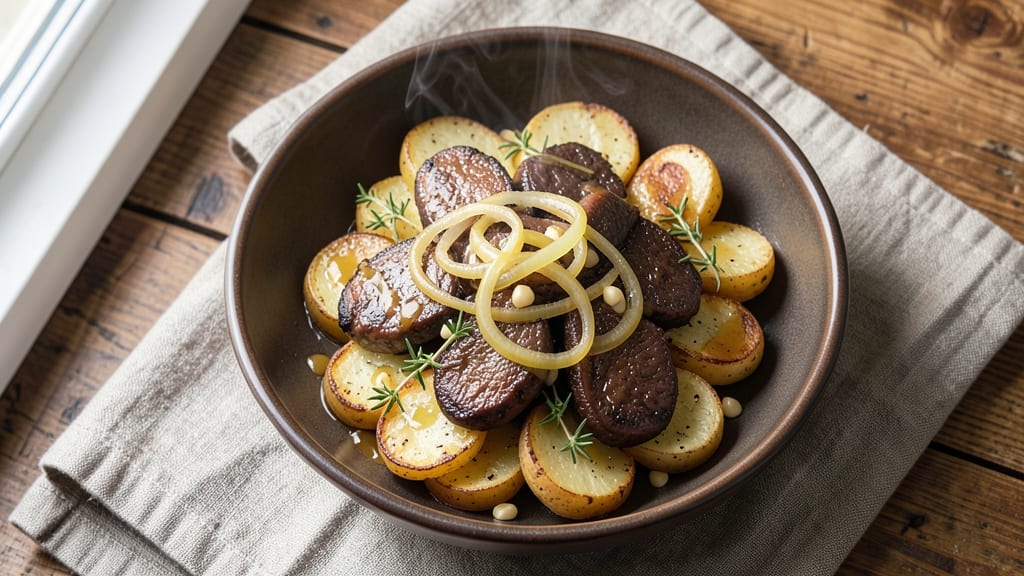
Pan-seared chicken livers with crispy potatoes transform humble ingredients into a restaurant-worthy dish that balances richness with satisfying texture. Growing up in small-town Georgia, I learned how to elevate simple proteins like liver using just a cast-iron skillet and high heat—this recipe delivers that same bold, savory punch without fuss. The secret lies in quick searing to render fat while maintaining tenderness, paired with potatoes that crisp to golden perfection.
This method requires just 15 minutes of active prep and delivers crispy edges on both the potatoes and liver, creating contrast with their velvety insides. I use heritage potatoes for their waxy texture (they hold shape beautifully), and a simple butter-onion mixture to develop deep, caramelized flavors in the pan.
No braising or complicated techniques—just precise timing and a hot skillet.
The result is a dish where each bite offers crispy potato edges meeting tender, buttery liver with a subtle iron-rich depth. The potatoes stay true to their texture while soaking up just enough of the liver’s rendered fat to enhance their natural starchiness.
This is the kind of recipe that proves comfort food doesn’t need to be heavy—it just needs technique.
Serve immediately alongside a sharp green salad or crusty bread to soak up every last drop of that pan sauce. The leftovers? Store in an airtight container for up to 3 days, though I’ve never known them to last that long in my kitchen.
Here’s how to make it—foolproof, just like my grandmother’s version.
Ingredients for chicken liver with potato
Pan-searing chicken livers and potatoes delivers restaurant-quality richness with minimal effort.
| Ingredient | Amount | Notes |
|---|---|---|
| Chicken Livers 🍗 | 1 lb | Fresh, trimmed of connective tissue |
| Heritage Potatoes 🥔 | 1 ½ lb | Yukon Gold or fingerling preferred |
| Unsalted Butter 🧈 | 4 tbsp | European-style for higher fat content |
| Yellow Onion 🧅 | 1 whole | Medium, thinly sliced |
| Fresh Thyme 🌿 | ¼ cup | Leaves only, finely chopped |
| Garlic Cloves 🧄 | 3 cloves | Minced, for depth of flavor |
| Kosher Salt 🧂 | 1 ½ tsp | Diamond Crystal preferred |
| Ground Black Pepper 🌶️ | ½ tsp | Freshly cracked for intensity |
| Dry White Wine 🍷 | ¼ cup | Sauvignon Blanc or Pinot Grigio |
| Heavy Cream 🥛 | ¼ cup | Full-fat for richness |
| Fresh Parsley 🌿 | 0.1 cup | Chopped, for garnish |
The liver quality makes or breaks this dish. Look for bright red, firm livers at specialty butchers or the meat counter—avoid any with a grayish tint or fishy smell. Costco or Whole Foods typically carry the best selection, and buying in bulk saves money for frequent cooks. Heritage potatoes like Yukon Gold or fingerlings hold their shape beautifully when seared, but Russets work in a pinch if you cut them into even 1-inch cubes. The butter should be European-style (like Plugrá or Kerrygold) for its higher fat content—this is what creates that signature crispy crust on both the potatoes and liver. Freshness matters most here: livers should be used within 2 days of purchase, and potatoes should be firm with no sprouts.
No white wine? Chicken broth with a splash of lemon juice works just as well. The cream can be swapped for half-and-half if needed, though the texture won't be as luxurious. If you're avoiding dairy entirely, coconut cream adds a similar richness. For the thyme, fresh is ideal but dried works at one-third the amount—just make sure it's labeled as culinary thyme, not ornamental. The onions should be sweet and yellow; red onions add color but can overpower the dish. As for the parsley, it's purely decorative but brightens the plate—skip it if you're serving this as a hearty main course. The key to crispy potatoes lies in even cutting; use a mandoline if you're uncomfortable with a chef's knife.
This dish is best served immediately after cooking, but leftovers reheat beautifully in a skillet with a splash of water or broth to restore moisture. Store in an airtight container for up to 3 days in the refrigerator, though the texture may soften slightly. For longer storage, freeze the livers and potatoes separately—thaw overnight in the fridge before reheating. The pan sauce freezes well too, though it may thicken; thin with a splash of water or broth when reheating. To save time, you can prep the potatoes and livers up to 1 day ahead, storing them separately in the fridge until ready to sear. The sauce can be made in advance and reheated gently before serving.
Why You'll Love This Recipe
- One-Pan Magic: I swear by this for nights when I’d rather not wash three pots. Sear the livers in butter, toss in the potatoes and onions—no flipping, no fuss—just let the oven do the work while I pour wine.
- Rich Without Effort: That first bite of crispy liver with the buttery potatoes? It’s like a fancy bistro dish, but honestly, the thyme and onion caramelize so easily. No fancy techniques—just patience and good fat.
- Leftover Luxury: I make double batches because these reheat like a dream. Cold livers in a sandwich? Yes, please. Or toss them into a frittata the next day. Zero waste, all flavor.
- Budget Bistro Vibes: Chicken livers are the secret weapon for stretching a meal. A pound feeds four, and the potatoes soak up every bit of that buttery, herby goodness. Fancy dinner for half the cost of takeout.
Step-by-step instructions for chicken livers with potatoes
Here's how to achieve perfectly crispy potatoes and silky, pan-seared chicken livers.
Prepare the Potatoes for Crispy Perfection
Preheat your oven to 425°F. Peel the 1.5 lb heritage potatoes and cut them into ½-inch thick rounds. Toss them in a large bowl with 1 tablespoon unsalted butter, ¾ teaspoon kosher salt, and ¼ teaspoon ground black pepper until evenly coated. The butter will help create a golden crust while the salt enhances the natural potato flavor.
Spread the potatoes in a single layer on a rimmed baking sheet, leaving space between each piece. This ensures they crisp up rather than steam. Roast for 25-30 minutes until the edges are deep golden brown and a knife slides in easily. Flip them halfway through for even browning. Remove from the oven and set aside while you prepare the chicken livers.
Sear the Chicken Livers Until Crispy and Juicy
Trim any connective tissue from the 1 lb chicken livers and pat them completely dry with paper towels. This step is crucial—moisture prevents proper browning. Season both sides generously with the remaining ¾ teaspoon kosher salt and ¼ teaspoon ground black pepper. Let them sit at room temperature for 10 minutes while you prepare the pan.
Heat a large skillet over medium-high heat until very hot. Add 2 tablespoons unsalted butter and let it melt completely. Working in batches to avoid crowding, add the chicken livers to the pan. Sear for 2-3 minutes per side until they develop a deep brown crust and are cooked through. They should feel firm to the touch and release easily from the pan. Transfer to a plate and tent with foil to keep warm.
Build the Rich Pan Sauce
Reduce the heat to medium and add the 1 whole yellow onion and 3 cloves garlic cloves to the same skillet. Cook for 3-4 minutes until the onions soften and the garlic becomes fragrant. Pour in the 0.25 cup dry white wine, scraping up any browned bits from the bottom of the pan. These bits are packed with flavor and will thicken your sauce.
Simmer the wine for 2-3 minutes until reduced by half. Stir in the 0.25 cup heavy cream and 0.25 cup fresh thyme, then return the chicken livers to the skillet. Let everything simmer together for 1-2 minutes to meld the flavors. The sauce should coat the back of a spoon and have a velvety texture.
Finish and Serve with Fresh Herbs
Garnish the dish with 0.1 cup fresh parsley and serve the chicken livers immediately over the crispy roasted potatoes. The contrast between the tender, rich livers and the crispy potatoes creates a perfect balance of textures. Each bite should deliver a burst of savory flavor from the pan sauce, complemented by the earthy sweetness of the potatoes.
For an extra touch, sprinkle additional fresh parsley over each serving. The bright herb cuts through the richness of the livers and adds a fresh finish. This dish is best enjoyed fresh while the potatoes are still crisp and the livers retain their juicy warmth.
Pro Tips For Making Chicken Liver With Potato
- Drain and Rinse Livers: Chicken livers bleed like crazy—soak them in cold water for 10 minutes, then drain and rinse twice under cold water. Skipping this step means your pan will turn into a soup before you even start cooking.
- Sear On High Heat: Crank the burner to medium-high and let those livers develop a crust—no wiggling them around. I used to low-and-slow it, but high heat in the first 30 seconds locks in flavor and prevents mushiness.
- Potatoes First, Livers Later: Par-cook the potatoes until tender but not falling apart, then finish them in the same pan with the livers. This way, you’re not boiling potatoes like sad mashed potatoes and you save on cleanup.
- Salt the Livers Early: Toss the livers with salt and pepper before searing—let them sit for 10 minutes while you prep the onions. This guarantees they’re seasoned through, not just on the outside. (Yes, even if you’re impatient like me.)
Essential equipment for chicken liver with potato
Skillet Essentials
You’ll need a 12-inch cast-iron skillet—preferably one with a well-seasoned surface—for the perfect sear. My Lodge 10.25-inch has been my workhorse for years, but any heavy-duty skillet (like All-Clad or Le Creuset) works.
The key is getting it ripping hot before adding the livers—this ensures that crispy crust. I always preheat mine over medium-high heat for 5 minutes before adding butter. 🔥
For the potatoes, a rimmed baking sheet is a must to prevent spills during roasting. I prefer half-sheet pans (18x13 inches) because they fit in most home ovens and give me extra room to space the potatoes.
If you’re short on space, a wire cooling rack placed over a baking sheet works too—it allows air to circulate for even crispiness.
Precision Tools
A sharp chef’s knife and mandoline (if you’re cutting potatoes) make prep faster and safer. I use my Wüsthof 8-inch for trimming livers and a Benedict 4-in-1 mandoline for even potato slices.
For timing, a digital kitchen timer (I love the OXO Good Grips) is non-negotiable—livers go from perfect to rubbery in seconds. And don’t skip a meat thermometer (like Thermoworks Smoke) to check internal temps—chicken livers should hit 160°F at their thickest part.
For measuring, a scale (I use my OXO Good Grips) ensures precision with the livers—1 lb is ideal for 4 servings. A fine-mesh strainer comes in handy if you’re rinsing the livers (though I prefer patting them dry with paper towels).
And a whisk helps emulsify the pan sauce smoothly when combining wine and cream. 💡
Optional Upgrades
If you’re feeling fancy, a tongs (like Mercer Culinary Genius) makes flipping potatoes and livers easier than a spatula. I also keep a small offset spatula (my Victorinox) for scraping up those flavorful browned bits from the skillet—those are pure gold for the sauce.
For serving, a wooden spoon adds rustic charm, but a heat-resistant silicone spatula works just as well. And if you’re making this often, a second skillet lets you sear livers while potatoes finish roasting.
No fancy tools? No problem. A heavy-bottomed stainless steel pan works for searing, and a baking dish substitutes for a rimmed sheet. Just remember: high heat and even spacing are your best friends for crispy results.
I’ve made this dish in a campfire skillet over coals—just adjust timing slightly. The right tools help, but technique matters more. ✨
Nutrition facts
Frequently asked questions
Why do chicken livers need to be patted completely dry before cooking?
Moisture on the surface prevents proper browning, which is key for that signature crispy crust. When livers steam instead of sear, they turn out rubbery rather than tender. Pat them dry with paper towels and let them sit at room temperature for 10 minutes before cooking to ensure even cooking.
Can I substitute butter with another fat for cooking the potatoes?
For a lighter option, use olive oil instead of butter—just toss the potatoes with 1 tablespoon and roast as directed. If you prefer a richer flavor, swap for duck fat, which adds incredible depth. The key is using enough fat to create that golden crust.
What’s the best way to reheat leftovers without drying out the livers?
Reheat gently in a skillet over low heat with a splash of water or broth to restore moisture. Keep the heat low to avoid overcooking—just until warmed through (2-3 minutes). For the potatoes, pop them in the oven at 350°F for 5-10 minutes to crisp them back up. Leftovers taste best within 3 days when stored in an airtight container.
How do I know when chicken livers are fully cooked?
They should reach an internal temperature of 160°F at their thickest part and feel firm to the touch. The edges will be deep brown, and they’ll release easily from the pan. Overcooking turns them dry, so aim for 2-3 minutes per side in a hot skillet. A meat thermometer is your best friend here!
Can I make this dish ahead of time for a dinner party?
Prep the potatoes and livers up to 1 day ahead, storing them separately in the fridge. Cook the livers and potatoes just before serving to maintain crispiness. The pan sauce can be made ahead and reheated gently—thin with a splash of water or broth if it thickens. Assemble everything last-minute for the best texture and flavor.