
Soups & Stews
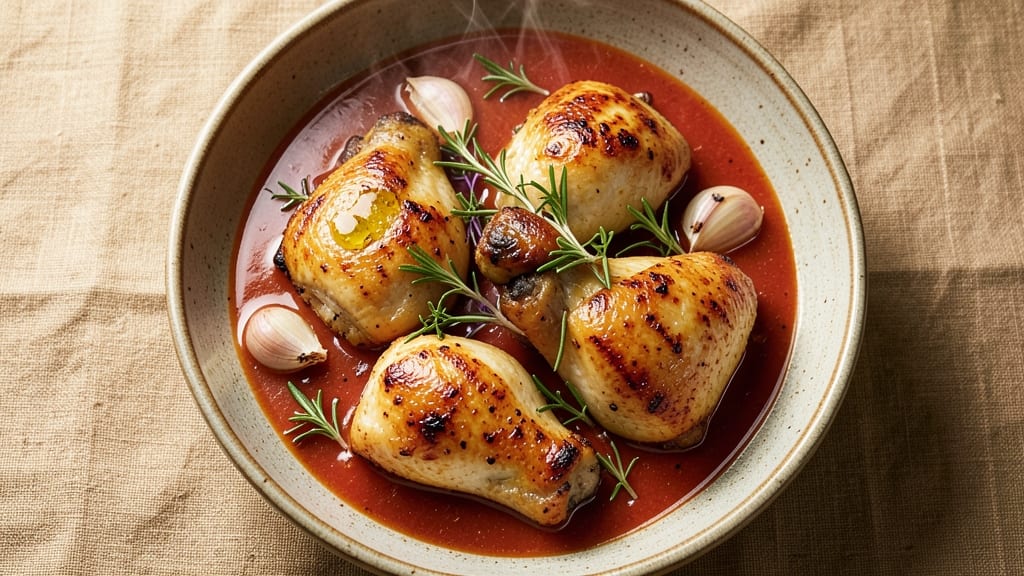
Transforming a pantry staple into Italian comfort, this Campbell's tomato soup chicken cacciatore recipe delivers restaurant-quality results with minimal effort. The secret lies in using the soup as a flavorful base while building layers of aromatic herbs, seared chicken, and slow-braised tomatoes.
Growing up in small-town Georgia, I learned that comfort food often comes from unexpected combinations—this dish proves that point beautifully.
This recipe preserves the soul of traditional cacciatore through precise techniques: searing chicken for depth, deglazing with white wine, and simmering until tender. The Campbell's tomato soup acts as a shortcut foundation, allowing you to focus on the hands-on elements that create that rich, herby sauce.
With just 30 minutes of active prep and 2 hours of simmering, you'll achieve melt-in-your-mouth chicken and a sauce so flavorful it'll have everyone asking for seconds.
The result is a dish that balances convenience with authenticity—golden-brown chicken pieces bathed in a velvety sauce with just the right balance of sweetness and acidity. The herbs infuse the sauce with bright aromatics, while the slow cooking transforms tough chicken into tender, juicy bites.
Serve it with crusty bread to soak up every last drop of that rich, herby tomato sauce.
Perfect for weeknight dinners or weekend gatherings, this recipe proves that comfort food doesn't require hours in the kitchen. The beauty lies in how simple ingredients combine to create something extraordinary. Let's get cooking—your taste buds will thank you.
Ingredients for campbell's tomato soup chicken cacciatore
Pantry staples meet Italian tradition in this comforting chicken cacciatore.
| Ingredient | Amount | Notes |
|---|---|---|
| Boneless, Skinless Chicken Thighs 🍗 | 1 ½ lb | Cut into 1-inch pieces |
| Campbell's Tomato Soup (Condensed) 🍅 | 1 can (10.5 oz) | Any variety, not low-fat |
| Dry White Wine 🍷 | ½ cup | Sauvignon Blanc preferred |
| Fresh Rosemary 🌿 | ¼ cup | Chopped, stems removed |
| Fresh Thyme 🌿 | ¼ cup | Leaves only, stems removed |
| Garlic Cloves 🧄 | 4 cloves | Minced, not pre-minced jar |
| Olive Oil 🫒 | ¼ cup | Extra-virgin for richness |
| Chicken Broth 💧 | 1 cup | Low-sodium preferred |
| Tomato Paste 🍅 | 2 tbsp | Squeeze tube or can |
| Red Wine Vinegar 🍋 | 1 tbsp | For brightness |
| Salt 🧂 | 1 ½ tsp | Diamond Crystal kosher |
| Black Pepper 🌶️ | ½ tsp | Freshly cracked |
| Crusty Italian Bread 🍞 | 1 loaf (8 oz) | For serving, sliced |
| Parmesan Cheese 🧀 | ¼ cup | Freshly grated from block |
The chicken thighs are key—bone-in, skin-on delivers the most flavor, but boneless works too. Trader Joe's and Whole Foods carry excellent cuts, but any grocery store's butcher section will have what you need. Look for thighs with good marbling—those white fat streaks mean juicier meat. If you can't find fresh rosemary, dried works at one-third the amount, but fresh is worth hunting down at a farmers market. The tomato soup acts as our base, so grab the condensed version—it's more concentrated and won't dilute the sauce.
No white wine? Substitute chicken broth with 1 tsp lemon juice—it won't be identical, but you won't taste the difference. Fresh herbs are ideal, but dried thyme and rosemary work in a pinch (use half the amount). For the tomato paste, Rao's brand from the canned goods aisle is my go-to—it's smooth and consistent. The red wine vinegar adds a nice tang, but apple cider vinegar works if that's what you've got. If you're short on time, pre-minced garlic is fine, but fresh minced gives you that extra depth of flavor.
This dish tastes even better the next day—make extra if you can. Store leftovers in an airtight container for up to 5 days in the fridge. For freezing, portion into single-serving containers—reheats beautifully that way. The bread? Toast it fresh before serving—crusty is key for soaking up that rich sauce. If you're serving a crowd, double the recipe—it's that good.
Why You'll Love This Recipe
- One-Pot Magic: I swear by this recipe when I’m too tired to scrub pots—just brown the chicken, dump in the soup and wine, and let it simmer. The rosemary and thyme release their oils right into that creamy tomato base, so you end up with a dish that tastes homemade but couldn’t be simpler.
- Wine-Infused Depth: That splash of dry white wine cuts through the richness of the chicken thighs and lifts the whole dish. It’s not just flavor—it’s the kind of complexity that makes you pause mid-bite, like a restaurant-worthy trick without the fuss.
- Weeknight to Weekend: Make it on a Tuesday for a quick dinner, then reheat the leftovers for Thursday lunch with crusty bread. Honestly, the flavors even improve the next day—perfect for when you’re feeding a crowd or just don’t want to cook twice.
- Budget-Friendly Luxury: Chicken thighs stretch further than breasts, and a can of Campbell’s soup keeps costs low without sacrificing taste. Between us, this is the kind of meal that makes you feel like you’re splurging, even when you’re counting pennies.
Step-by-step instructions for Italian-style tomato soup chicken cacciatore
Here's how to transform simple ingredients into a hearty, herb-infused cacciatore that delivers restaurant-quality comfort.
Sear the Chicken Until Golden Brown
Heat the 0.25 cup olive oil in a large Dutch oven over medium-high heat until shimmering. Pat the 1.5 lb boneless, skinless chicken thighs dry with paper towels and cut them into 1-inch pieces—this ensures even cooking. Working in batches if needed, add the chicken to the pot and sear for 4-5 minutes per side until golden brown and cooked through to 165°F internally.
Don't overcrowd the pan—this prevents proper browning. You'll know it's ready when the chicken releases easily from the pot and has developed a deep golden crust. Remove the chicken and set it aside on a plate, leaving all the beautiful browned bits in the pot for flavor.
Build the Herb and Wine Base
In the same pot, reduce heat to medium and add the 4 minced garlic cloves, 0.25 cup chopped fresh rosemary, and 0.25 cup fresh thyme leaves. Sauté for 2-3 minutes until the herbs release their aromatic oils and the garlic becomes fragrant but doesn't brown. This step is where all the herbaceous flavors develop.
Pour in the 0.5 cup dry white wine and scrape up those delicious browned bits from the bottom of the pot with a wooden spoon. Let the wine simmer for 3-4 minutes until reduced by half. This reduction concentrates the flavors and forms the foundation of your sauce.
Develop the Tomato Sauce
Add the 2 tbsp tomato paste, 1 tbsp red wine vinegar, and 1 can (10.5 oz) Campbell's tomato soup (condensed) to the pot. Stir well to combine, then pour in the 1 cup chicken broth. Bring everything to a gentle simmer and let it cook uncovered for 10-12 minutes until the sauce thickens slightly and the flavors meld together.
Season with 1.5 tsp salt and 0.5 tsp freshly cracked black pepper. Taste and adjust the seasoning—you want a balance of acidity from the vinegar, sweetness from the tomato, and herbal brightness. The sauce should coat the back of a spoon with a velvety consistency.
Finish with Parmesan and Rest the Chicken
Return the seared chicken to the pot and spoon the sauce over it. Sprinkle with 0.25 cup freshly grated Parmesan cheese and stir gently to distribute. The cheese will melt into the sauce, adding a rich, nutty depth of flavor. Let the chicken simmer gently for 5-7 minutes until heated through and the sauce has thickened slightly.
Remove from heat and let the cacciatore rest for 5 minutes. This resting period allows the chicken to absorb all the flavorful sauce, ensuring every bite is tender and packed with herbaceous goodness. Serve immediately with slices of 1 loaf (8 oz) crusty Italian bread for dipping.
Pro Tips For Making Campbell'S Tomato Soup Chicken Cacciatore
- Sear the Chicken First: I used to skip this step and just toss the chicken into the simmering tomato soup mixture. Big mistake—it stays bland and rubbery. Hit your skillet with medium-high heat, add a glug of oil, and sear the chicken thighs for 3-4 minutes per side until golden. The crust locks in flavor and keeps the meat juicy when it finishes cooking in the sauce.
- Deglaze Aggressively: After searing the chicken, don’t just pour in the wine and stir once. Scrape the browned bits off the bottom with a wooden spoon—this is where half the flavor lives. Let the wine bubble for 30 seconds, then add the tomato soup, stirring to dissolve those stuck-on bits. I learned this the hard way when my first batch tasted like it was missing something.
- Use Thyme Sprigs, Not Chopped: Tossing chopped thyme into the soup at the end releases its oils too fast, making the dish taste medicinal. Instead, tie 2-3 sprigs together with kitchen twine and drop them in with the chicken. Remove them after 15 minutes of simmering—you’ll get bright, aromatic notes without overpowering the dish. (Yes, even if you’re impatient like me.)
- Simmer Low and Slow: The Campbell’s soup is already thick, so don’t rush the cooking. After adding the wine and soup, reduce heat to a gentle simmer and let it bubble quietly for 20-25 minutes. High heat will turn the sauce gluey and the chicken dry. I was skeptical until I tried it—now it’s non-negotiable for tender, saucy chicken every time.
Pro cooking tips for campbell's tomato soup chicken cacciatore
Sear Like a Pro
That golden-brown crust on your chicken is where all the flavor magic happens, so take your time searing. I use a heavy Dutch oven—like my vintage Lodge cast iron—because it retains heat beautifully and prevents sticking.
Pat those chicken pieces bone-dry with paper towels before searing, or they'll steam instead of brown. Work in batches if needed, but never overcrowd the pan—this is non-negotiable for proper browning. 🔥
Wine Reduction Secrets
The wine reduction step is where traditional cacciatore gets its depth, so don't rush it. After deglazing with 0.5 cup white wine, let it simmer until reduced by half—this should take about 3-4 minutes.
I like to use Sauvignon Blanc for its crisp acidity, but any dry white works. The key is scraping up those browned bits (fond) from the bottom of the pot—they're packed with flavor.
If you're short on wine, a splash of apple cider vinegar with a pinch of sugar mimics the effect.
Tomato Sauce Balance
Here's where the Campbell's tomato soup becomes your secret weapon. The condensed version gives you that perfect balance of sweetness and acidity without watering down the sauce. After adding the soup, let it simmer uncovered for 10-12 minutes—this helps thicken the sauce naturally.
Taste as you go: if it needs more brightness, add 1 tsp red wine vinegar; if it's too acidic, a pinch of sugar balances it. The sauce should coat the back of a spoon with a velvety consistency, not be watery.
Herb Freshness Matters
Fresh herbs make all the difference in cacciatore, but if you're using dried, measure carefully—dried herbs are 3x more potent than fresh. I always chop my rosemary and thyme just before adding them to the pot so they release their maximum aroma.
Pro tip: If you're worried about bitterness, remove rosemary sprigs after 5 minutes of cooking, but leave the thyme in until the end. The thyme's delicate flavor needs that full cooking time to develop properly. 🌿
Parmesan Finish
The final sprinkle of freshly grated Parmesan is what elevates this dish from good to restaurant-quality. I use a microplane to grate it fresh—pre-shredded cheese has anti-caking agents that make it taste different.
Stir it in gently during the last 5 minutes of cooking so it melts smoothly into the sauce. This step adds that nutty, umami depth that makes cacciatore so irresistible. If you're serving it immediately, garnish each portion with an extra sprinkle right before serving.
Resting is Crucial
I can't emphasize this enough—resting the chicken for 5 minutes before serving is where the real magic happens. This lets the juices redistribute throughout the meat, ensuring every bite is tender and flavorful. During this time, the sauce also thickens slightly as it comes to room temperature.
If you're serving a crowd, keep the dish warm in a low oven (170°F) while you finish plating. Trust me, skipping this step means dry, flavorless chicken. ⏰
Nutrition facts
Frequently asked questions
Can I use chicken breast instead of thighs for this recipe?
While you can substitute chicken breast, thighs are ideal because they stay juicier during the long simmering process. If using breast, cut it into ½-inch thick pieces and reduce cooking time to 8-10 minutes after adding back to the sauce to prevent drying out. Chicken breast will be leaner but still delicious—just monitor the internal temperature closely to reach 165°F.
What can I substitute if I don't have white wine?
No problem! Use ½ cup chicken broth with 1 tsp lemon juice or apple cider vinegar for acidity. For a non-alcoholic version, try ½ cup sparkling water with 1 tsp sugar to mimic the wine's reduction. The flavor won't be identical, but the dish will still turn out rich and flavorful. The key is maintaining that acidic balance in the sauce.
How do I make this dish ahead of time for a dinner party?
This recipe actually tastes better the next day! Cook it completely, then refrigerate in an airtight container for up to 5 days. Reheat gently on the stove with a splash of water or broth to restore moisture. For serving, warm the dish in a 200°F oven for 15-20 minutes to keep the sauce velvety. The flavors meld beautifully overnight, making it perfect for meal prep.
Can I make this recipe in a slow cooker?
Sear the chicken first, then transfer everything to a 6-quart slow cooker on low for 6-7 hours or high for 3-4 hours. The slow cooking enhances the tenderness of the chicken and deepens the herb flavors. Add the Parmesan cheese during the last 30 minutes of cooking to prevent it from separating. The texture will be slightly different but still incredibly flavorful.