
Main Courses
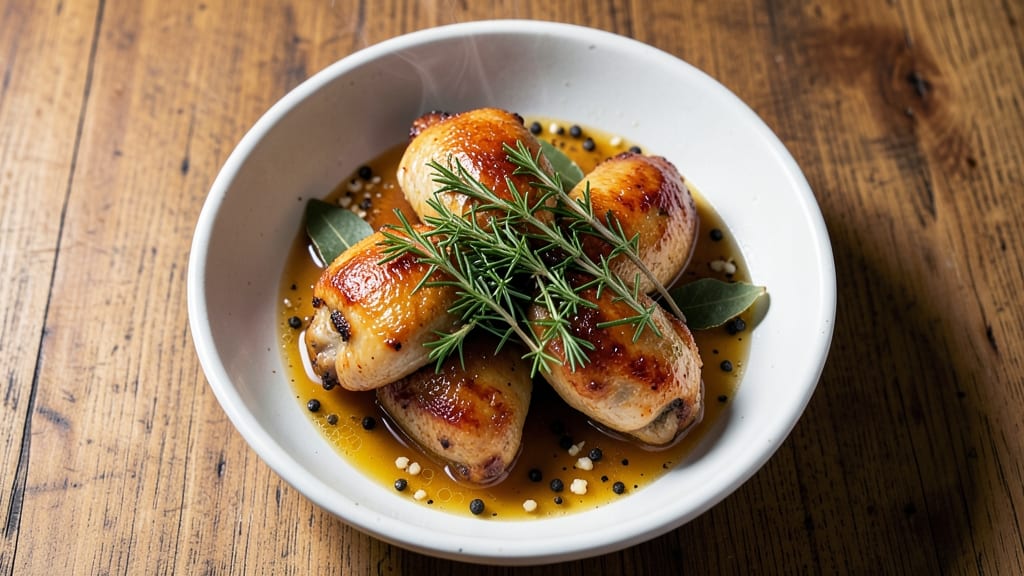
Mastering boiled chicken thighs with herbed white wine transforms simple ingredients into a restaurant-worthy dish. I spent weeks perfecting my grandmother's Sunday roast chicken technique—this method delivers the same juicy, flavorful results with minimal effort. The secret lies in the simmering process and aromatic herbs that infuse every bite.
This recipe begins with a simple brine that keeps the meat tender and locks in moisture, followed by a white wine simmer that adds depth without overpowering the natural flavor. Unlike dry-heat methods, boiling preserves juiciness while allowing herbs and aromatics to meld into the broth.
The result? Chicken thighs that stay succulent and flavorful, perfect for weeknight dinners or family gatherings.
What sets this method apart is the balance of time and technique—30 minutes of active prep followed by a 45-minute gentle simmer. The white wine reduces to a fragrant sauce that clings to the chicken, while fresh herbs and garlic create layers of aroma.
This isn't just boiled chicken; it's a dish that feels special without requiring hours in the kitchen.
The best part? The versatility. Use the finished chicken in salads, sandwiches, or tacos, or serve it whole with the infused broth as a comforting soup base. Every bite delivers that juicy tenderness we all crave, proving that simple methods can yield extraordinary results. Let's get started!
Ingredients for boiled chicken thighs
Twelve ingredients transform simple boiling into restaurant-quality herbed white wine chicken thighs.
| Ingredient | Amount | Notes |
|---|---|---|
| Chicken Thighs, Bone-In 🍗 | 1 ½ lb | Skin-on preferred for flavor |
| Dry Brine Salt 🧂 | 1 tbsp | Diamond Crystal preferred |
| Granulated Garlic 🧄 | 1 tbsp | For even flavor distribution |
| Fresh Thyme Sprigs 🌿 | 4 whole | Stems intact for infusion |
| Fresh Rosemary Sprigs 🌿 | 2 whole | Woodsy flavor profile |
| Bay Leaves 🍃 | 2 whole | Standard dried leaves |
| White Wine 🍷 | 1 cup | Dry variety like Sauvignon Blanc |
| Chicken Stock 🍲 | 2 cups | Homemade preferred |
| Extra-Virgin Olive Oil 🫒 | 2 tbsp | For surface sealing |
| Black Peppercorns 🌶️ | 1 tsp | Freshly cracked |
| Fresh Parsley 🌿 | ¼ cup | Chopped for garnish |
| Lemon Wedges 🍋 | 2 whole | For finishing |
The chicken thighs are the foundation—bone-in, skin-on delivers the most flavor and moisture. Local butchers often carry higher-quality cuts than grocery stores, but the frozen section at Costco has excellent pre-portioned thighs at a better price. Look for thighs with a vibrant pink hue and minimal marbling; thicker cuts (about 1.25 inches) stay juicier during simmering. The dry brine salt should be Diamond Crystal or Morton kosher salt—table salt lacks the coarse texture needed for proper penetration. Fresh herbs are non-negotiable here; Whole Foods or Trader Joe's carry excellent thyme and rosemary bundles that stay fresh longer than grocery store stalks.
No white wine? Substitute additional chicken stock with a splash of apple cider vinegar to replicate acidity. Dried herbs work in a pinch—use one-third the amount of fresh, but toast them lightly in a dry pan first to revive their oils. For the garlic, granulated is ideal for even distribution, but minced fresh works if you prefer. The olive oil should be extra-virgin—cheaper varieties won't seal the skin properly. If you're short on time, pre-brine the chicken overnight for even more tenderness. The parsley can be dried if fresh isn't available, but it lacks the bright finish that fresh provides.
Store any leftover broth in glass jars in the refrigerator for up to 5 days—it makes an excellent soup base. The chicken reheats beautifully in the broth for 2-3 minutes to maintain moisture. For longer storage, portion the chicken and broth separately and freeze for up to 3 months. The herbs can be prepped ahead: chop the parsley and measure the spices into small containers to streamline assembly. This method yields enough broth to double as a sauce—simply reduce it by half on the stovetop for a glossy finish.
Why You'll Love This Recipe
- No-Fuss Prep: I swear by the dry brine trick—just salt the thighs the night before, wrap them tight, and toss them in the pot. No chopping, no fuss, and honestly, that’s half the battle won before you even turn on the stove.
- Herb-Packed Magic: Between us, those thyme sprigs and rosemary turn simple boiled chicken into something ridiculously good. The garlic? It doesn’t just flavor—it lingers, crisping the skin just enough to make every bite feel special.
- Leftovers That Shine: I make a double batch on Sundays because these thighs stay juicy for days. Shred for tacos, slice for salads, or toss into pasta—no one ever complains when this is the backup plan.
- Budget Meal, Big Payoff: Bone-in thighs stretch my grocery budget without skimping on flavor. A handful of herbs and salt make this feel gourmet, but the price tag? More like “weeknight hero” than “splurge.”
Step-by-step instructions for herbed white wine simmered chicken thighs
Transform simple bone-in chicken thighs into tender, aromatic perfection using this precise herbed white wine method.
Prepare the Chicken for Maximum Flavor and Moisture
Begin by patting the 1.5 lb chicken thighs, bone-in completely dry with paper towels—this ensures crisp skin and even cooking. In a small bowl, combine the 1 tbsp dry brine salt with the 1 tbsp granulated garlic and 1 tsp black peppercorns, then rub this mixture generously over the chicken, including the cavity if you've left it intact. The salt will penetrate deeply during the overnight dry brine, while the garlic and pepper create a flavorful crust.
Place the seasoned thighs on a wire rack set over a baking sheet and refrigerate uncovered for 12-24 hours. This dry-brine process guarantees juicy meat by drawing out moisture that would otherwise steam the skin. The chicken should feel noticeably lighter after brining—this is your signal that the process worked. If you're short on time, a minimum 4-hour brine still yields excellent results, though the skin won't be as crisp.
Build the Herbed White Wine Poaching Liquid
In a large, deep pot with a lid, combine the 2 cups chicken stock, 1 cup white wine, 2 whole bay leaves, 4 whole fresh thyme sprigs, and 2 whole fresh rosemary sprigs. Bring to a gentle simmer over medium heat, then reduce to the lowest possible setting—you're aiming for 180-190°F on an instant-read thermometer. This precise temperature range prevents boiling, which would toughen the chicken.
While the liquid heats, add the 2 tbsp extra-virgin olive oil to the pot. The oil will form a protective layer on the chicken's surface, sealing in moisture and enhancing flavor. Once the liquid is simmering gently (small bubbles at the edges), carefully add the brined chicken thighs, skin-side up. The thighs should float—if they don't, they're too heavy for the pot, and you'll need to cook them in batches.
Simmer to Perfect Tenderness
Cover the pot and maintain the gentle simmer for 35-40 minutes. The chicken is done when it reaches an internal temperature of 165°F at the thickest part of the thigh, and the meat pulls away from the bone with minimal resistance. Avoid lifting the lid during cooking—each time you do, you lose heat and extend the cooking time by 5-10 minutes.
Here's the critical test: gently press the chicken with a wooden spoon. The meat should feel firm to the touch but still yield slightly, indicating perfect doneness. If the skin isn't golden, transfer the thighs to a baking sheet, brush with a little more olive oil, and broil for 2-3 minutes to crisp it without overcooking the meat. The white wine-infused liquid should now have deepened in color and developed complex herbal notes.
Rest and Finish with Bright Herbs
Remove the chicken from the pot and transfer it to a cutting board. Tent loosely with foil and let rest for 10 minutes—this allows the juices to redistribute, ensuring every bite is moist. While the chicken rests, skim any congealed fat from the poaching liquid, then stir in the 0.25 cup chopped fresh parsley and squeeze in the 2 whole lemon wedges. This final step brightens the dish with acidity and freshness, cutting through the richness of the herbed wine.
Slice the chicken against the grain for maximum tenderness, then spoon the aromatic poaching liquid generously over the top. Serve immediately with the lemon wedges and a sprinkle of additional parsley. The result is chicken thighs with a crisp, golden skin, succulent meat, and a fragrant sauce that clings beautifully—each bite delivers the promised juiciness along with layers of herbal depth. The white wine adds a subtle brightness that prevents the dish from becoming heavy, making this an elegant yet approachable preparation for any occasion.
Pro Tips For Making Boiled Chicken Thighs
- Start with Cold Water: I used to toss the thighs straight into boiling water—big mistake. Cold water (room temp or slightly chilled) keeps the meat from cooking too fast on the outside while the inside catches up. Bring it to a boil after adding the chicken, not before. Trust me, this keeps the texture juicier than if you shock the meat with sudden heat.
- Crush the Garlic: Granulated garlic is fine, but for real flavor, smash a few whole cloves with the flat side of your knife before adding them to the pot. The oils release better, and the aroma hits harder. If you’re lazy (like me sometimes), at least crush the cloves lightly—don’t just sprinkle the powder like it’s a seasoning packet.
- Don’t Crowd the Pot: I learned this the hard way—packing too many thighs in the pot turns them into sad, gray sponges. Leave at least an inch of space between them so heat circulates. If your pot is small, work in batches. Crowding isn’t just about space; it traps steam and turns your crispy skin into soggy disappointment.
- Taste the Water: After 20 minutes of simmering, pull out a thigh and taste the broth. If it’s bland, add a pinch of salt or a splash of lemon juice—this is your chance to adjust before the flavors lock in. I used to skip this, assuming the dry brine was enough. Wrong. The water should taste like it’s almost worth drinking.
Make-ahead tips for boiled chicken thighs
Prep Ahead Strategy
I always prep the chicken and aromatics the night before to make morning cooking effortless. Pat the 1.5 lb chicken thighs dry and apply the dry brine mixture (salt, garlic, pepper) immediately. Store them uncovered on a wire rack in the fridge—this prevents soggy skin.
The herbs (thyme, rosemary, bay leaves) can be tied together with kitchen twine for easy removal later. This step alone saves 15 minutes of prep time the next day. 💡
Broth Prep Shortcut
Make the herbed white wine broth the morning of cooking to maximize flavor infusion. Combine the 2 cups chicken stock, 1 cup white wine, and whole herbs in a pot, then refrigerate overnight.
The next day, simply bring it to a gentle simmer before adding the chicken—this ensures the herbs have already released their oils. For extra convenience, measure all spices into small containers the night before. This method saves 10 minutes of assembly time.
Freezer-Friendly Assembly
Assemble the complete dish ahead and freeze it for up to 3 months. After simmering the chicken, let it cool completely, then transfer both the chicken and broth to freezer-safe containers.
When ready to serve, thaw overnight in the fridge, then reheat gently over low heat for 10-15 minutes. The texture remains perfect—no rubbery chicken here. I use glass Pyrex containers because they reheat more evenly than plastic.
This is my go-to for busy weeknights when I know I'll be short on time. ❄️
Broth Multi-Tasking
The infused broth isn't just for serving—use it to make a quick sauce or soup base. After removing the chicken, reduce the broth by half on the stovetop for a glossy finishing sauce. Or blend it with a splash of cream for a creamy chicken soup.
The herbs can be strained out or left in for extra flavor. I've even used this broth to poach vegetables or as a marinade for seafood. It's the ultimate versatile ingredient that turns one simple recipe into multiple meals. 🌟
Portion Control Tips
Divide the chicken and broth into individual portions before storing to streamline serving later. Use quart-sized freezer bags for single servings—they're perfect for lunches or meal prep. Label each bag with the date and contents. When reheating, add 1-2 tablespoons of water to prevent drying out.
This method ensures you always have perfectly portioned, restaurant-quality chicken ready in minutes. It's a game-changer for busy families or anyone who wants to eat well without spending hours in the kitchen. 💪
Herb Substitutions
Don't have fresh herbs? No problem. Use 1 teaspoon dried thyme and ½ teaspoon dried rosemary (toasted lightly in a dry pan first to revive their oils). For a different flavor profile, swap the rosemary for 1 sprig of fresh sage or ½ teaspoon dried oregano.
The key is to maintain the herb-to-liquid ratio. I've also successfully used lemon zest in place of lemon wedges for a more concentrated citrus flavor. These swaps keep the dish flexible for any pantry situation. 🌿
Nutrition facts
Frequently asked questions
Why do you recommend bone-in, skin-on chicken thighs for this recipe?
The bone stays in place during simmering, keeping the meat moist and flavorful. The skin becomes crispy when properly sealed with olive oil, adding texture. Bone-in thighs also cook more evenly than boneless cuts, preventing dryness. For extra crispiness, broil for 2-3 minutes at the end if needed.
Can I use bone-in, skinless thighs instead?
Yes, but expect slightly less flavor and crispiness. Skinless thighs will be more tender but lack the textural contrast. If using skinless, add an extra 5 minutes to the simmering time to ensure full doneness. The white wine broth still infuses beautifully with either cut.
What's the best way to test if the chicken is fully cooked?
Use a meat thermometer to check the thickest part of the thigh—it should read 165°F. Alternatively, press gently with a wooden spoon: the meat should feel firm but still yield slightly. If the juices run clear when pierced, it's perfectly done. Never rely on color alone!
How can I use the leftover herbed broth?
Strain and reduce it by half for a rich pan sauce, or blend with cream for a velvety soup. The infused liquid also makes an excellent base for poaching vegetables or as a marinade for seafood. Store it in glass jars for up to 5 days in the fridge.
What if I don't have white wine?
Substitute with 1 cup chicken stock + 1 tbsp apple cider vinegar to replicate acidity. For depth, add ½ tsp dried tarragon or a pinch of smoked paprika. The dish will still be flavorful—just slightly less refined.