
Soups & Stews
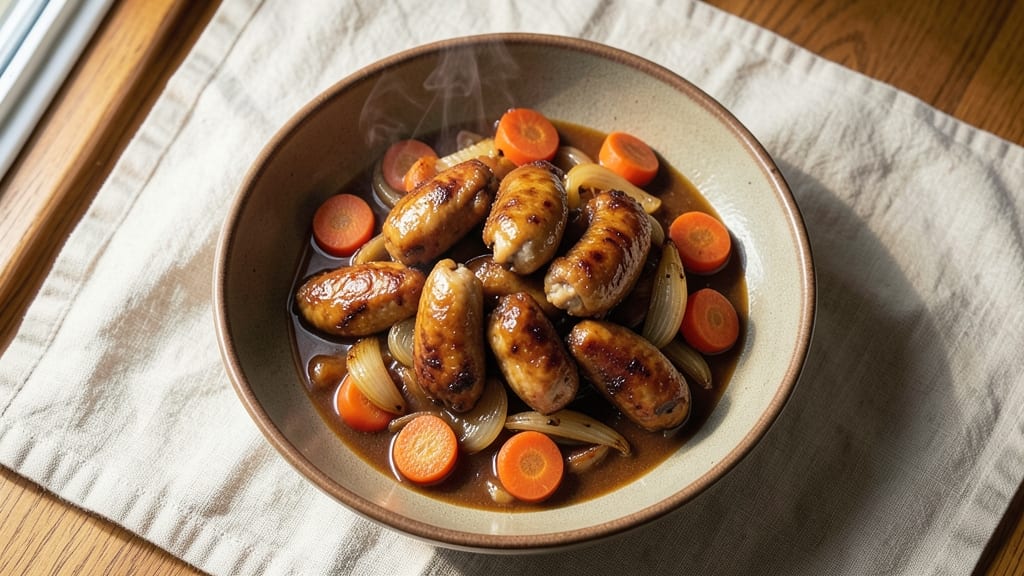
This stewed chicken gizzards recipe turns tough offal into a rich, savory centerpiece that deserves a place at your dinner table. Growing up in small-town Georgia, I learned from my grandmother how slow simmering with wine and herbs could turn simple ingredients into something extraordinary.
The key lies in proper preparation—soaking, scoring, and browning—that ensures tender results every time. This isn't just a recipe; it's a technique that builds confidence in working with offal.
The process begins with preparing the gizzards—removing any connective tissue and scoring the surface to help flavors penetrate. A quick sear in a cast-iron skillet locks in juices before they're transferred to a pot with aromatic vegetables, white wine, and fresh herbs.
The 3-hour simmer at low heat breaks down collagen, yielding fork-tender meat with a deep, meaty flavor that rivals any restaurant dish. What starts as an intimidating ingredient becomes a restaurant-quality main course.
By the time you serve this dish, you'll have a pot of golden-brown gizzards swimming in a fragrant, wine-infused sauce that clings to every bite. The herbs—thyme, bay, and parsley—add brightness, while the wine mellows into a velvety depth.
Pair it with crusty bread to soak up every last drop of that rich sauce. This is comfort food at its finest, perfect for family dinners or impressing guests with your culinary skills.
For those new to offal, don't let the initial preparation intimidate you—the results are worth the effort. Leftovers reheat beautifully, making this an ideal meal prep option for busy weeks. Let's get started on creating a dish that proves even the toughest cuts can be transformed into something extraordinary.
Ingredients for stewed chicken gizzards
Gather these ingredients and transform tough gizzards into a restaurant-worthy, wine-infused masterpiece.
| Ingredient | Amount | Notes |
|---|---|---|
| Chicken Gizzards 🍗 | 1 ½ lb | Fresh, trimmed of connective tissue |
| Dry White Wine 🍷 | 1 cup | Sauvignon Blanc or Pinot Grigio |
| Chicken Broth 💧 | 2 cups | Low-sodium preferred |
| Yellow Onion 🧅 | 1 whole | Medium, sliced |
| Carrots | 2 medium | Peeled, cut into chunks |
| Carrots 🥕 | 2 pieces | Peeled, cut into chunks |
| Garlic Cloves 🧄 | 4 cloves | Smashed, not minced |
| Fresh Thyme 🌿 | 2 sprigs | Stems removed |
| Fresh Parsley 🌿 | ¼ cup | Chopped, for garnish |
| Bay Leaves 🌿 | 2 whole | Dried, standard size |
| Olive Oil 🫒 | 2 tbsp | Extra-virgin for searing |
| Salt 🧂 | 1 ½ tsp | Diamond Crystal kosher |
| Black Pepper 🌶️ | ½ tsp | Freshly cracked |
| All-Purpose Flour 🌾 | ½ cup | For dredging gizzards |
The gizzards are the star, so pick the freshest you can find—ask your butcher for the plumpest, brightest ones. Costco or local farms often have the best quality, though grocery stores carry them too. Look for vibrant color and firm texture; avoid any with a strong ammonia smell. The wine should be dry and crisp—Sauvignon Blanc or Pinot Grigio work perfectly. For the broth, low-sodium is key—you’ll be adding salt later. The carrots can be any variety, but orange or purple add a nice visual contrast to the dish.
No white wine? Substitute with extra chicken broth and a splash of apple cider vinegar—it’ll mimic the acidity. Fresh thyme and parsley are ideal, but dried works at one-third the amount. If you’re short on time, pre-chopped frozen herbs from Trader Joe’s work in a pinch. The flour is just for dredging—any all-purpose will do. For extra richness, add a tablespoon of butter when searing the gizzards. The bay leaves? Standard dried ones are fine, but fresh ones add a more complex flavor if you’ve got them.
Prep ahead by trimming and scoring the gizzards a day in advance—they’ll keep in the fridge for 2 days if wrapped tightly. The sauce tastes even better the next day, so make extra and freeze portions for up to 3 months. Store leftovers in airtight containers with a thin layer of broth on top to keep them moist. Reheat gently on the stove—no microwaving, or the gizzards will turn rubbery.
Why You'll Love This Recipe
- One-Pot Magic: I swear by this recipe because it’s actually one-pot—no chopping boards full of scraps, no clattering pans. Just toss the gizzards, onions, and carrots in one deep skillet, deglaze with that dry white wine (the alcohol burns off, leaving pure flavor), and let the broth do the work. Honestly? My counter stays cleaner than my kitchen ever has.
- Wine-Infused Richness: That splash of dry white wine isn’t just for show—it tenderizes the gizzards while adding a bright, almost citrusy depth that cuts through the richness of the broth. The onions caramelize right in the pot, and the carrots melt into the sauce, creating a stew that’s ridiculously satisfying without being heavy. (Yes, even on a Tuesday night.)
- Leftovers That Shine: Between us, this recipe makes way more than I need for one meal. The leftovers? Even better the next day—those gizzards get even more fall-apart tender, and the flavors meld into something heartier. I freeze portions too; reheating them with a splash of broth turns them into a quick, budget-friendly meal when I’m too tired to cook.
- Budget-Friendly Protein: Gizzards are the unsung heroes of the chicken family—cheaper than breasts, meatier than wings, and packed with flavor. A pound of them feeds four easily, and when paired with onions and carrots (both pantry staples), this stew costs me pennies per serving. Here’s what sold me: I can make a whole meal for under $10 and still feel like I’m eating something special.
Step-by-step instructions for stewed chicken gizzards
Here's how to transform tough gizzards into melt-in-your-mouth perfection with wine and herbs.
Prepare the Gizzards for Cooking
Start by trimming any excess connective tissue from the 1.5 lb chicken gizzards using a sharp knife. This step is crucial—it prevents tough, rubbery texture in your finished dish. Rinse the gizzards thoroughly under cold water and pat them completely dry with paper towels. The drier they are, the better they'll brown when seared.
Place the gizzards in a bowl and season generously with 1.5 tsp salt and 0.5 tsp black pepper. Then dredge them lightly in 0.5 cup all-purpose flour, shaking off any excess. This creates a golden crust that locks in moisture during cooking. Let them sit for 10 minutes while you prepare the vegetables—this resting time helps the flour adhere better.
Sear the Gizzards for Depth of Flavor
Heat 2 tbsp olive oil in a large Dutch oven over medium-high heat until shimmering. Add the gizzards in a single layer and cook undisturbed for 3-4 minutes per side until they develop a deep golden brown crust. Don't crowd the pan—this ensures proper browning. Once browned, transfer the gizzards to a plate and set aside.
In the same pot, add the sliced 1 whole yellow onion, 2 medium carrots cut into chunks, and 2 pieces carrots cut into chunks. Cook for 5 minutes until the vegetables begin to soften. Add the 4 smashed garlic cloves and cook for another 30 seconds until fragrant. This aromatic base forms the flavor foundation for your stew.
Deglaze and Build the Stew Base
Pour in 1 cup dry white wine, scraping up any browned bits from the bottom of the pot with a wooden spoon. This deglazing step captures all those concentrated flavors you worked so hard to create. Let the wine simmer for 3-4 minutes until reduced by half and slightly thickened. You'll see the alcohol burn off, leaving behind a rich, wine-infused base.
Add 2 cups chicken broth, 2 sprigs fresh thyme, 2 whole bay leaves, and return the gizzards to the pot. Bring to a gentle simmer, then reduce heat to maintain a bare bubble at the surface. The liquid should just barely move—this slow cooking is what transforms tough gizzards into tender morsels. Cover and let it cook for 45 minutes, stirring occasionally to prevent sticking.
Finish with Herbs and Rest
After 45 minutes, check for tenderness by piercing a gizzard with a fork—it should slide in easily with no resistance. If needed, continue cooking for another 10-15 minutes until fully tender. Remove the gizzards and set them aside, then strain the cooking liquid into a clean saucepan. Return it to medium heat and reduce until slightly thickened, about 5-7 minutes.
Return the gizzards to the pot and stir in 0.25 cup chopped fresh parsley. Let everything heat through for 2-3 minutes, then taste and adjust seasoning if needed. The gizzards should be falling-off-the-bone tender with a rich, wine-infused sauce. Serve immediately with crusty bread to soak up every last drop of that flavorful liquid.
Pro Tips For Making Stewed Chicken Gizzards
- SCORE THE GIZZARDS: Use a sharp knife and cut the gizzards lengthwise—this keeps them thin enough to cook evenly without turning rubbery. I learned this the hard way after serving tough, chewy gizzards that needed a fork to cut through.
- DEGLAZE WITH HEAT: After browning the gizzards, don’t just splash in the wine—let the pan get screaming hot first. The caramelized bits will lift off the bottom and make your sauce richer. (Yes, even if you’re impatient like me.)
- SKIP THE CROWDED POT: If your pot’s packed with gizzards, they’ll steam instead of simmer. Cook in batches if needed—tight spaces mean pale, soggy gizzards instead of tender, flavorful ones. Trust me, your future self will notice.
- SAVE TIME WITH CARROT CHUNKS: Dice carrots into ½-inch chunks—they’ll soften faster without turning to mush. No one wants to bite into a carrot that’s still crunchy while the gizzards are falling apart. (And yes, this cuts prep time by half.)
Wine and beer pairings for this dish
Wine Pairing Secrets
The rich, meaty depth of stewed chicken gizzards calls for a wine that can stand up to its bold flavors without overpowering them.
I always reach for a dry, crisp white wine like Sauvignon Blanc from New Zealand or Pinot Grigio from Italy—these wines have bright acidity that cuts through the richness while complementing the herbs.
The 1 cup of white wine used in the recipe is perfect for deglazing and infusing flavor, but if you're serving this dish, pour yourself a glass of the same variety.
The citrus notes in Sauvignon Blanc or the clean finish of Pinot Grigio will refresh your palate between bites. 🍷
Red Wine Alternatives
If you prefer red wine, opt for a light-bodied option like Pinot Noir from Oregon or Gamay from Beaujolais. These wines have enough acidity to balance the dish without clashing with the herbs.
I've found that a Champagne or sparkling wine also works beautifully—its effervescence cleanses the palate and highlights the gizzards' tender texture. Just be sure to serve it slightly chilled to preserve its bubbles.
Beer Pairing Strategy
For beer lovers, a Belgian witbier or German Hefeweizen is my go-to choice. The corianander and orange peel notes in these beers mirror the herbs in the stew while adding a refreshing contrast.
If you prefer something darker, try a light lager like Peroni or Stella Artois—their crisp, clean finish won't compete with the dish's depth. Avoid heavy stouts or IPAs, as their bold flavors can overpower the delicate balance of the gizzards.
Non-Alcoholic Options
Don't overlook non-alcoholic pairings—sometimes they work best. A sparkling apple cider like Martinelli's or a ginger beer with a squeeze of lime adds brightness and complements the wine's acidity. For something more sophisticated, try a dry sparkling water with a twist of lemon—it's surprisingly effective at cleansing the palate.
The key is to match the drink's acidity and crispness to the dish's herbal notes.
Serving Temperature Tips
Wine should be served at 45-50°F for whites and 55-60°F for reds to enhance their flavors. I keep my whites in the fridge until just before serving and reds in a cool, dark place. For beer, serve witbiers and lagers at 40-45°F—too warm, and their delicate flavors fade.
Pro tip: If you're using the same wine for cooking and drinking, save a separate bottle for serving to preserve its full flavor profile. 💡
Nutrition facts
Frequently asked questions
Do I need to soak chicken gizzards before cooking?
Yes, a 30-minute soak in cold water with 1 tablespoon vinegar or lemon juice removes bitterness and helps tenderize. This step is especially important if your gizzards have a strong ammonia smell. Rinse thoroughly after soaking to remove any vinegar taste before cooking.
Can I substitute chicken gizzards with other offal?
While chicken gizzards work perfectly, you could use chicken livers or duck livers in a pinch—but they require 10-15 minutes less cooking time as they cook faster. For heartier offal, try beef heart or lamb liver, but adjust the cooking time to 1.5-2 hours for full tenderness. The technique remains the same, just monitor closely.
Why did my gizzards turn out rubbery?
Overcooking is the most common cause—gizzards should cook until fork-tender, not mushy. Keep the heat low and maintain a gentle simmer (just bubbles breaking the surface). Another culprit? Not trimming excess connective tissue or skipping the sear. Always brown gizzards first to lock in juices and prevent toughness.
How can I make this dish ahead of time?
This recipe reheats beautifully! Cook the gizzards as directed, then cool completely and refrigerate in an airtight container for up to 3 days. For longer storage, freeze for 3 months. Reheat gently on the stove with a splash of broth to restore moisture—never microwave, or they'll turn rubbery.
What's the best way to serve stewed chicken gizzards?
Pair with crusty bread or polenta to soak up the sauce, and add a simple mixed green salad with a lemon vinaigrette to balance the richness. For a heartier meal, serve with mashed potatoes or roasted root vegetables. Garnish with extra parsley and a drizzle of olive oil before serving.