
Soups & Stews
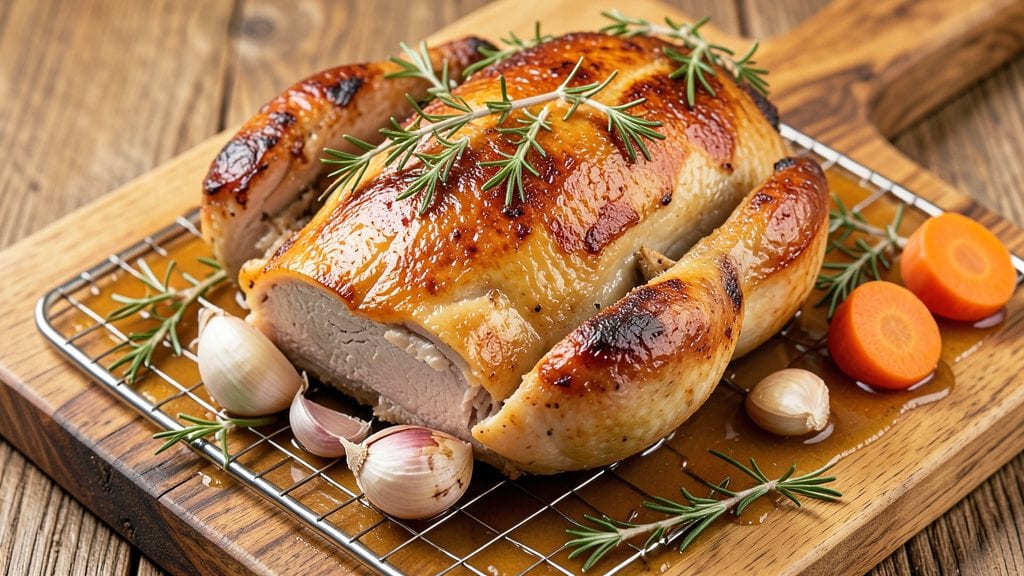
This baked chicken with chicken broth recipe turns simple roasts into succulent, restaurant-worthy dishes packed with rich, savory flavor. The slow-moisture method ensures juicy meat with a golden crust, while the broth infuses every bite with deep, savory richness.
I perfected this technique after years of dry, overcooked roasts—this version stays impossibly moist thanks to the broth's natural tenderizing power.
The secret lies in the broth's dual role: it keeps the chicken succulent while creating a savory pan gravy that elevates the dish from simple to extraordinary. No fancy equipment is needed—just a roasting pan, aromatics, and patience.
The herbs and garlic in the broth develop complex flavors as they cook, turning a basic roast into a showstopper that pairs perfectly with mashed potatoes or roasted vegetables.
What you'll achieve is perfectly moist chicken with crisp edges, all infused with the umami depth of homemade broth. The pan gravy, reduced from the cooking liquid, adds a velvety finish that ties every component together.
This method works for whole chickens, thighs, or breasts—each cut benefits from the broth's magic.
Serve with classic sides to complete the meal, or use the leftover broth for soups or risottos. The versatility of this technique makes it a kitchen essential for weeknight dinners or special occasions alike.
Ingredients for baked chicken with chicken broth
The foundation of this moist, herb-infused roast lies in these carefully selected ingredients.
| Ingredient | Amount | Notes |
|---|---|---|
| Whole Chicken 🍗 | 4 lb | Bone-in, skin-on preferred for flavor |
| Chicken Broth 💧 | 2 cups | Homemade preferred, low-sodium if store-bought |
| Fresh Rosemary 🌿 | ½ tsp | Finely chopped, stems removed |
| Fresh Thyme 🌿 | ½ tsp | Leaves only, stems discarded |
| Garlic Cloves 🧄 | 6 cloves | Peeled, smashed for infusion |
| Carrots 🥕 | 2 medium | Peeled, sliced into chunks |
| Carrots 🥕 | 2 whole | Peeled, sliced into chunks |
| Celery Stalks 🧅 | 2 whole | Trimmed, chopped into pieces |
| Yellow Onion 🧅 | 1 whole | Peeled, quartered |
| Olive Oil 🫒 | 2 tbsp | Extra-virgin for richness |
| Salt 🧂 | 1 ½ tsp | Diamond Crystal kosher preferred |
| Ground Black Pepper 🌶️ | ½ tsp | Freshly ground for best flavor |
| Cornstarch 🌾 | 1 tbsp | For gravy thickening |
The quality of your chicken and broth makes all the difference. For the bird, bone-in, skin-on cuts deliver superior flavor and moisture retention. Whole chickens from local butchers often yield the best results, but grocery store rotisserie-quality birds work well too. The broth should be rich and flavorful—homemade is ideal, but high-quality store-bought brands like Pacific Foods or Swanson provide excellent results. Fresh herbs are non-negotiable here; dried substitutes simply can't replicate their aromatic depth. When selecting carrots and celery, look for firm, vibrant produce with no soft spots, as these vegetables form the aromatic base of the broth.
No fresh rosemary? Dried rosemary at one-third the amount works in a pinch, though the flavor will be more subdued. Short on thyme? Fresh oregano or marjoram can substitute, though thyme's piney notes are essential for balance. Store-bought broth lacking depth? Boost it with a chicken bouillon cube or a splash of soy sauce for umami. The cornstarch for gravy thickening can be swapped for all-purpose flour at equal measure, though cornstarch yields a glossier finish. For the garlic, garlic powder at half the amount works if fresh isn't available, though it lacks the same complexity. When prepping vegetables, parboiling the carrots and celery for 5 minutes before adding to the pan helps extract their flavors more efficiently.
This recipe rewards advance preparation. The chicken and aromatics can be assembled 12 hours ahead and refrigerated, with cooking time adjusted by 15-20 minutes. The pan gravy should be made immediately after roasting while the drippings are still hot. For storage, the cooked chicken maintains its moisture for 4 days refrigerated or 3 months frozen when wrapped tightly in foil. The gravy keeps for 5 days refrigerated or 3 months frozen in airtight containers. When reheating, do so gently over low heat to prevent drying out the chicken or separating the gravy.
Why You'll Love This Recipe
- Foolproof Prep: I swear by this—just pat the chicken dry, toss it in the broth with whole garlic cloves and herbs, then bake. No brining, no fussing with marinades. Twenty minutes of hands-off time while the oven does all the work.
- Herb-Packed Magic: That rosemary and thyme? They infuse the chicken so deeply it tastes like it’s been slow-cooking for hours. The garlic cloves split open and caramelize—crispy edges, buttery inside. Honestly, the flavor punches way above its prep time.
- Leftovers That Shine: The broth keeps the chicken juicy for days, and it reheats like a dream. Shred it for sandwiches, dice it for salads, or serve it cold in wraps. My kids ask for this more than takeout—yes, even on a Tuesday night.
- Budget Meal for Crowds: A whole chicken costs less than takeout for four, and the broth stretches the flavor across every bite. I’ve fed six people for under $15, with enough left for lunch the next day. Not the prettiest, but the taste makes up for it every time.
Step-by-step instructions for baked chicken with chicken broth
This method delivers a perfectly moist herb-infused roast with rich pan gravy every time.
Prepare the Chicken and Vegetables
Begin by removing the whole chicken from its packaging and patting it completely dry with paper towels—this is essential for achieving crispy skin. Place the chicken breast-side up on a wire rack set inside a roasting pan. The rack allows air to circulate evenly, preventing steaming and ensuring crispiness.
In a separate bowl, combine the peeled and chopped 2 medium carrots, 2 whole carrots, 2 whole celery stalks, and 1 whole yellow onion. Drizzle with 1 tablespoon of the olive oil and toss to coat evenly. This aromatic vegetable mixture will infuse the chicken with deep flavor during roasting. Set aside while you prepare the herb mixture.
Season and Sear the Chicken
In a small bowl, mix together the 0.5 teaspoon fresh rosemary, 0.5 teaspoon fresh thyme, 1.5 teaspoons salt, and 0.5 teaspoon ground black pepper. Rub this herb blend generously over the chicken, including inside the cavity. The skin should be fully coated with seasoning for maximum flavor penetration.
Heat the remaining 1 tablespoon olive oil in a large oven-safe skillet over medium-high heat. Once shimmering, carefully transfer the chicken to the skillet skin-side down. Sear for 6-8 minutes until the skin develops a deep golden-brown crust. Flip the chicken and sear the other side for 3-4 minutes. This initial searing locks in juices and creates the foundation for flavorful pan gravy.
Roast with Aromatics and Broth
Preheat your oven to 375°F. Remove the skillet from heat and transfer it to the oven. Arrange the prepared vegetable mixture around the chicken in the skillet. Pour the 2 cups chicken broth around the vegetables, being careful not to submerge the chicken completely—this prevents steaming and ensures crispy skin.
Roast uncovered for 50-60 minutes, or until the chicken's internal temperature reaches 165°F when measured in the thickest part of the thigh. The vegetables should be tender and the chicken skin should be golden brown and crispy. Avoid opening the oven door during cooking to maintain consistent heat and moisture levels.
Create the Herb-Infused Pan Gravy
Once the chicken reaches the proper temperature, remove it from the oven and transfer to a cutting board. Tent loosely with foil to keep warm. Place the skillet with the remaining vegetables and pan juices on the stovetop over medium heat. Add the 6 smashed garlic cloves and cook for 1-2 minutes until fragrant.
In a small bowl, whisk together the 1 tablespoon cornstarch with 2 tablespoons of the pan juices to create a slurry. Slowly pour this mixture into the skillet while stirring constantly. Simmer for 3-5 minutes until the gravy thickens to a smooth, velvety consistency. Taste and adjust seasoning with additional salt and pepper if needed.
Rest and Serve
Let the chicken rest for 15-20 minutes before carving. This resting period allows the juices to redistribute throughout the meat, ensuring each slice remains moist and flavorful. During this time, keep the gravy warm in the skillet over low heat.
Carve the chicken into serving portions and serve immediately with the herb-infused pan gravy ladled over the top. The combination of crispy skin, tender meat, and rich gravy creates a restaurant-quality meal with minimal effort. The vegetables can be served on the side or incorporated into the gravy for additional flavor.
Pro Tips For Making Baked Chicken With Chicken Broth
- CRANK THE OVEN HIGH FIRST: That chicken broth won’t caramelize properly if you start slow. Blast the oven to 450°F for the first 20 minutes—this sears the skin and locks in juices before you lower it to 375°F for the rest. (Yes, even if you’re nervous about burning the herbs—just watch it.)
- TRIM THE GARLIC THIN: Those whole cloves? Slice them paper-thin (almost like confit) so they render into the broth instead of sitting like tiny flavorless rocks. I used to smash them—now I slice them with a sharp knife and let them melt into the pan. The difference is noticeable.
- DON’T DROWN THE CHICKEN: Pouring a full cup of broth into the pan will steam the chicken instead of roasting it. Use just enough to coat the bottom (about ½ cup) and let the pan juices reduce first. The rest of the broth? Save it for basting or deglazing later—this keeps the skin crispy, not soggy.
- SALT THE BROTH LIKE SOUP: Chicken broth is the backbone here, so season it like you would a pot of soup: at least 1½ teaspoons of salt per cup, plus a pinch of black pepper. Fresh herbs can’t fix bland broth—this is the step where flavor actually builds. (Prove it to yourself by tasting the broth before it goes in the oven.)
Troubleshooting perfect results
Dry Chicken Skin
If your chicken skin turns out pale or rubbery instead of golden and crispy, the issue is likely insufficient drying time or improper searing. Always pat the chicken completely dry with paper towels before seasoning—even small amounts of moisture prevent crispiness.
I recommend drying the chicken for at least 10 minutes in the fridge before searing. For extra insurance, use a wire rack in your roasting pan to allow air circulation on all sides. 🌡️
Broth Not Infusing Flavor
When the broth lacks depth in flavor, it’s usually because the aromatics weren’t cooked long enough or the chicken wasn’t properly seasoned. Sear the vegetables in the pan for 5-7 minutes before adding broth to build a flavor base.
Also, ensure the garlic cloves are smashed (not chopped) and added after the chicken is removed from the oven—this prevents burning. For extra umami, add 1 teaspoon soy sauce to the broth before roasting.
Gravy Too Thin or Lumpy
A thin or lumpy gravy happens when the cornstarch slurry isn’t mixed properly or the heat isn’t controlled. Whisk the cornstarch with cold pan juices first to create a smooth paste, then slowly stir it into the hot liquid.
Simmer on medium-low heat while stirring constantly—too high heat causes lumps. If the gravy is still thin after thickening, whisk in 1 teaspoon more cornstarch mixed with 1 tablespoon cold water and simmer for another 2 minutes.
Chicken Overcooked or Tough
Overcooked chicken is almost always due to checking the temperature too early or cooking at too high a heat. Use a meat thermometer and remove the chicken when it hits 165°F in the thickest part of the thigh.
If your oven runs hot, reduce the temperature to 350°F and add 10-15 minutes to the cooking time. For extra tenderness, brine the chicken for 30 minutes before roasting using 1 cup water, 1 tablespoon salt, and 1 tablespoon sugar.
Broth Burns or Boils Over
Broth burning or boiling over is a common issue when the liquid isn’t distributed evenly or the oven temperature fluctuates. Pour the broth around the vegetables, not directly over the chicken, to prevent steaming.
If your oven isn’t consistent, place a baking sheet on the lower rack to catch drips. For extra safety, reduce the oven temperature to 350°F and tent the skillet loosely with aluminum foil if needed—just remove it 10 minutes before the chicken is done to allow the skin to crisp.
Weak Herb Flavors
If the herbs taste muted, they likely weren’t fresh enough or weren’t incorporated properly. Always use fresh herbs—dried substitutes can’t replicate their brightness. When seasoning the chicken, rub the herbs directly into the skin and cavity for maximum flavor penetration.
For an extra herb boost, add 1 sprig of fresh rosemary and thyme to the broth while roasting. If you’re short on time, toast the herbs in the skillet for 30 seconds before rubbing them on the chicken to intensify their aroma. 💫
Nutrition facts
Frequently asked questions
Why does this recipe use chicken broth instead of water?
The broth adds deep, savory flavor while keeping the chicken impossibly moist through slow cooking. It infuses every bite with umami richness that water simply can't match. The aromatics in the broth also create a perfect foundation for the pan gravy at the end.
Can I use this method for chicken thighs or breasts instead of a whole chicken?
For thighs, reduce cooking time to 35-40 minutes at 375°F until internal temp reaches 165°F. For breasts, cook for 25-30 minutes and use a wire rack to prevent steaming. The broth method works equally well for any cut, delivering perfect moisture every time.
What's the best way to store leftover chicken and gravy?
Store cooked chicken in an airtight container for up to 4 days refrigerated or 3 months frozen. The gravy keeps for 5 days refrigerated or 3 months frozen. Reheat gently on low heat to prevent drying out. For extra flavor, add a splash of broth when reheating frozen portions.
How can I make this recipe ahead of time?
Assemble the chicken and aromatics in the pan 12 hours ahead and refrigerate uncovered. Add broth when ready to cook and adjust time by 15-20 minutes. For the gravy, you can make it up to 2 days ahead and reheat gently. The chicken actually tastes better when prepped ahead as the flavors meld overnight.
What if I don't have fresh herbs?
Use dried herbs at one-third the amount (so 1/6 tsp instead of 1/2 tsp). For best results, toast them in the skillet for 30 seconds before rubbing on the chicken. If you're missing thyme, try fresh oregano or marjoram. The flavor won't be identical but will still be delicious.