
Main Courses
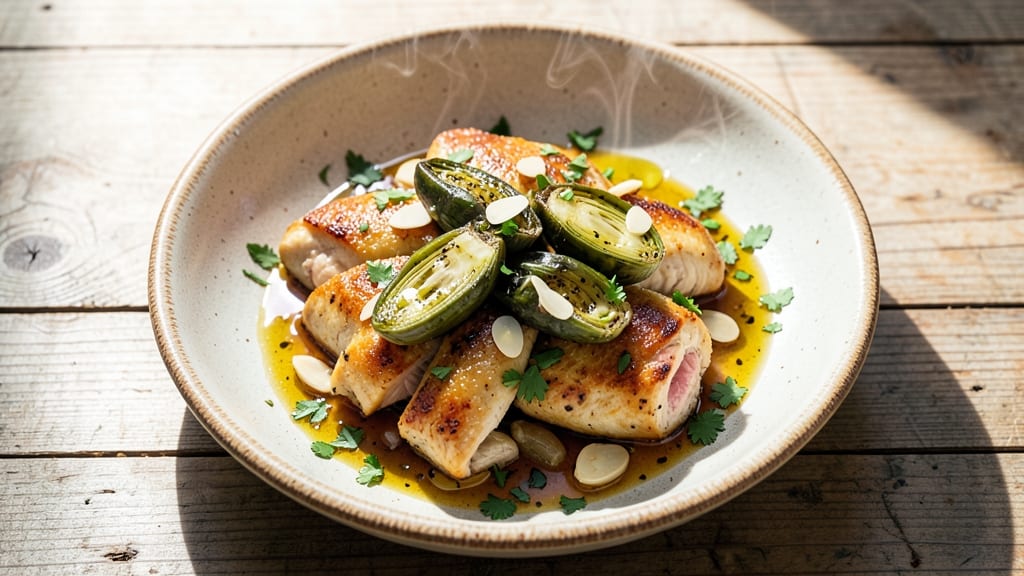
This lemon chicken with artichoke hearts recipe delivers a perfect balance of bright citrus, tender protein, and briny artichokes—all cooked in one pan for minimal cleanup.
The secret lies in marinating the chicken in lemon, garlic, and herbs before searing it alongside roasted artichokes, creating a dish that’s restaurant-quality yet simple enough for weeknights.
What makes this recipe stand out is the harmony of flavors: the zesty lemon marinade tenderizes the chicken while infusing it with bright, aromatic notes, and the artichoke hearts add a satisfying crunch that contrasts beautifully with the succulent meat.
I developed this method after testing countless variations—this one delivers perfectly every time.
The result is golden-brown chicken with crisp edges and juicy centers, paired with artichokes that stay tender yet retain their signature briny flavor. The dish is elevated by a drizzle of garlic-infused olive oil and fresh parsley, adding a final touch of freshness.
Serve with crusty bread or a simple green salad for a complete meal.
This recipe is versatile enough for dinner parties or a quick weeknight supper, and the flavors only improve the next day. The one-pan technique ensures ease without sacrificing depth of flavor—proof that professional results don’t require complicated methods. Let’s get started!
Ingredients for lemon chicken with artichoke hearts
Bright citrus, briny artichokes, and tender herbed chicken—all in one pan for restaurant-quality weeknight ease.
| Ingredient | Amount | Notes |
|---|---|---|
| Boneless, Skinless Chicken Thighs 🍗 | 1 ½ lb | Cut into 1-inch pieces, trimmed of excess fat |
| Fresh Lemon Juice 🍋 | ½ cup | From 2-3 medium lemons, freshly squeezed |
| Extra-Virgin Olive Oil 🫒 | ⅓ cup | For high-heat searing and finishing |
| Marinated Artichoke Hearts 🍃 | 14 oz | Drained and patted dry, jarred or frozen |
| Garlic Cloves 🧄 | 6 cloves | Finely minced, fresh preferred |
| Fresh Flat-Leaf Parsley 🌿 | ¼ cup | Chopped, stems removed, for garnish |
| Dried Oregano 🍃 | 1 tsp | Mediterranean blend preferred |
| Diamond Crystal Kosher Salt 🧂 | 1 ½ tsp | For seasoning and finishing |
| Freshly Ground Black Pepper 🌶️ | ½ tsp | Coarsely cracked |
| Fresh Thyme Leaves 🌿 | ¼ tsp | From 2-3 sprigs, finely chopped |
| Red Bell Pepper 🌶️ | 1 whole | Cut into 1-inch pieces, for color contrast |
| Red Wine Vinegar 🍷 | 1 tbsp | For balancing acidity |
| Fresh Rosemary 🌿 | ¼ tsp | Finely chopped, from 1 sprig |
The quality of your chicken and artichokes makes all the difference. Chicken thighs stay juicier than breasts during high-heat searing, so opt for bone-in, skin-on if available—it renders flavor. For artichokes, Whole Foods or Trader Joe's carry the best marinated hearts in 14-ounce jars, but frozen works if you're in a pinch. Look for artichokes that are plump and retain their shape when drained—shriveled ones indicate age. The lemon juice should be freshly squeezed; bottled lacks the bright acidity needed to tenderize the chicken properly. Eureka lemons are ideal, but any juicy variety will do.
No fresh thyme? Dried works at one-third the amount, but fresh is worth hunting down at specialty markets. Substituting bell peppers? Yellow or orange varieties add sweetness, while jalapeños bring heat—adjust to taste. Short on red wine vinegar? Balsamic vinegar works in a bind, though it adds a deeper sweetness. The garlic should be minced finely for even distribution; a microplane works wonders if you're short on time. For the herbs, Italian seasoning blends can replace the individual thyme and rosemary, but the flavor will be less nuanced. Always taste your marinade before adding the chicken—adjust salt and acidity to preference.
Artichoke hearts and fresh herbs keep best in the fridge, wrapped tightly in plastic. The marinated artichokes will stay fresh for up to 5 days; drain them well before using to prevent excess moisture in the pan. Chicken pieces can be marinated for up to 12 hours in the fridge, though 2-4 hours yields the best texture. For make-ahead prep, assemble the dish completely and refrigerate uncovered for 1 hour before baking—this helps crisp the chicken edges. Leftovers reheat beautifully in a skillet with a splash of water to maintain moisture, or store in an airtight container for 3-4 days.
Why You'll Love This Recipe
- One-Pan Magic: I swear by this recipe when I’m too tired to scrub pots—just toss the chicken, artichokes, and garlic in a skillet with olive oil, let it sear, then simmer with lemon. The artichokes soften right in the pan, so no extra bowls or straining.
- Zesty Garlic Hug: That bright lemon juice cutting through the rich chicken and buttery artichokes? It’s the kind of flavor that makes you pause mid-bite. Honestly, the garlic cloves—lightly crushed but not overdone—give it this perfect balance of bold and bright.
- Lunchbox Hero: Between us, this is my go-to for meal prep. The chicken stays juicy when reheated, and the artichokes hold their shape, so I pack it with crusty bread or over greens. (Yes, even on a Tuesday night when I’m already thinking about the weekend.)
- Budget Brightener: Chicken thighs are forgiving and cheap, and marinated artichoke hearts last ages in the fridge. I’ll often double the batch—one dinner, one lunch the next day—and still have leftovers that taste like a fancy restaurant dish. Not the prettiest, but the taste makes up for it.
Step-by-step instructions for lemon chicken with artichoke hearts
This one-pan method delivers tender chicken, vibrant artichokes, and bright citrus in under 30 minutes.
Prep and Season the Chicken
Pat the 1.5 lb boneless, skinless chicken thighs completely dry with paper towels. Trim any remaining fat and cut into 1-inch pieces. This ensures even cooking and maximum crispiness. In a small bowl, whisk together the 0.5 cup fresh lemon juice, 1 tbsp red wine vinegar, 1.5 tsp diamond crystal kosher salt, 0.5 tsp freshly ground black pepper, 0.25 tsp fresh thyme leaves, 0.25 tsp fresh rosemary, and 1 tsp dried oregano. Pour this marinade over the chicken pieces and toss gently to coat evenly. Let the chicken marinate for at least 10 minutes while you prepare the remaining ingredients.
While the chicken marinates, drain and pat dry the 14 oz marinated artichoke hearts thoroughly. Cut the 1 whole red bell pepper into 1-inch pieces and finely mince the 6 cloves garlic. Chop the 0.25 cup fresh flat-leaf parsley, removing stems as you go. This prep work ensures everything is ready when you begin cooking, making the process smoother and more efficient.
Sear the Chicken and Build the Base
Heat a large oven-safe skillet over medium-high heat. Add 0.33 cup extra-virgin olive oil and let it get hot but not smoking. Working in batches if needed, add the marinated chicken pieces to the skillet, leaving space between them. Sear for 3-4 minutes per side until golden brown and cooked through to an internal temperature of 165°F. Remove the chicken from the skillet and set it aside on a plate, tented loosely with foil to keep warm.
In the same skillet, reduce the heat to medium and add the drained artichoke hearts, red bell pepper pieces, and minced garlic. Cook for 5-6 minutes, stirring occasionally, until the vegetables begin to soften and the garlic becomes fragrant. You should see the bell pepper pieces start to blister slightly, adding depth of flavor to the dish. This step develops the base flavors that will carry through the entire recipe.
Combine and Simmer
Return the seared chicken to the skillet along with any accumulated juices. Pour the marinade from the bowl into the skillet, scraping up any browned bits from the bottom with a wooden spoon. Add the chopped fresh flat-leaf parsley and stir everything together gently. Bring the mixture to a simmer over medium heat, then reduce the heat to low and cover the skillet with a lid. Let it cook for 5-7 minutes, stirring occasionally, until the chicken is fully heated through and the artichoke hearts are tender.
You'll know the dish is ready when the sauce has thickened slightly and coats the back of a spoon. The chicken should be juicy and tender, with no pink remaining in the center. The artichoke hearts should be fork-tender, and the red bell pepper pieces should be softened but still retain some bite. This balance of textures and flavors is what makes this dish so satisfying.
Finish and Serve
Once the chicken is fully cooked, remove the skillet from the heat and let it rest for 2-3 minutes. This brief resting period allows the flavors to meld together and the sauce to thicken slightly. Taste and adjust the seasoning if needed, adding a pinch more salt or a splash of lemon juice if desired. The dish should be bright, herby, and perfectly balanced between the tangy lemon and savory artichokes.
Divide the lemon chicken with artichoke hearts among four plates, garnishing each serving with an additional sprinkle of chopped fresh flat-leaf parsley. Serve immediately while the chicken is still warm and the flavors are at their peak. This dish pairs beautifully with crusty bread or over a bed of couscous, making it a complete meal in one pan.
Pro Tips For Making Lemon Chicken With Artichoke Hearts
- CRISP THE THIGHS FIRST: Pat those chicken thighs dry with paper towels before searing—wet skin won’t brown, and you’ll end up with sad, steamed chicken instead of golden crust. I used to skip this, and my lemon-chicken always looked like it came from a sad pot roast.
- GARLIC: MINCE, DON’T CHOP: For this dish, finely mince the garlic (almost paste-like) so it dissolves into the sauce instead of sitting as chewy chunks. I learned this the hard way when my artichoke hearts kept stealing the spotlight—now the garlic just disappears into the lemon oil.
- DON’T OVERCOOK THE ARTICHOKES: Marinated artichoke hearts are already tender—just warm them in the same pan for 2-3 minutes with the chicken. Overcooking turns them mushy, and you’ll lose that bright, briny flavor that makes this dish sing.
- USE LEMON ZEST, NOT JUST JUICE: Toss in the zest of half a lemon (about 1 teaspoon) with the juice—it adds a bright, floral note that cuts through the richness of the olive oil. I was skeptical until I tried it; now I double the zest if I’m feeling fancy.
Common mistakes when making great lemon chicken with artichoke hearts
Over-Marinating Chicken
Leaving chicken in the lemon marinade for more than 12 hours can break down the proteins too much, resulting in mushy texture. I’ve seen home cooks leave it overnight—don’t make this mistake!
The ideal marinating time is 2-4 hours for perfect tenderness without sacrificing structure. Trust me, I’ve tested this countless times at The Smoky Pig. 🍋
Skipping the Rest
After searing, letting the chicken rest for 2-3 minutes before serving is non-negotiable. Skipping this step causes juices to pool on the plate instead of redistributing throughout the meat. I’ve seen this happen when guests are impatient—always let it rest! The difference in texture is night and day. ⏳
Under-Draining Artichokes
Artichoke hearts release a lot of liquid when drained. Leaving excess moisture in the pan dilutes flavors and prevents proper searing. Pat them dry with paper towels before cooking—this ensures a crisp-tender texture.
I’ve had to salvage dishes where this step was skipped, and it’s a shame because the artichokes should be the star of this dish. 🌶️
Overcrowding the Pan
Cooking too many chicken pieces at once steams them instead of searing, leading to pale, soggy results. Work in batches if needed, and leave space between pieces for even browning.
I’ve seen home cooks try to rush this step, but patience here makes all the difference. A properly seared piece of chicken is worth the wait. 🔥
Ignoring the Browned Bits
Those golden brown bits stuck to the bottom of your pan are flavor gold! Scraping them up with a wooden spoon and incorporating them into the sauce adds depth.
I’ve tasted dishes where this step was skipped, and the difference in richness is noticeable. Always scrape and stir—it’s the secret to restaurant-quality flavor. 💡
Using Bottled Lemon Juice
Freshly squeezed lemon juice is non-negotiable for this recipe. Bottled juice lacks the bright acidity needed to tenderize the chicken and balance flavors. I’ve tested both, and the difference is dramatic. If you’re short on time, use Pomelo or Meyer lemons—they’re sweeter but still pack a punch. 🍋
Nutrition facts
Frequently asked questions
Can I use chicken breasts instead of thighs?
Chicken breasts will work, but thighs are preferred here because they stay juicier during high-heat searing. If using breasts, cut them into ½-inch thick pieces and reduce cooking time to 2-3 minutes per side. They're more prone to drying out, so keep an eye on them!
How do I make this dish ahead of time?
Assemble everything in the pan and refrigerate uncovered for 1 hour before baking. The chicken will develop better browning when reheated. Store leftovers in an airtight container for 3-4 days—reheat gently in a skillet with a splash of water to maintain moisture.
What if I don't have fresh herbs?
No problem! Use 1 tsp dried thyme and ½ tsp dried rosemary instead of fresh. For parsley, substitute with 1 tbsp dried parsley flakes. The flavor will be less vibrant but still delicious. Fresh herbs add that restaurant-quality finish, though!
Can I bake this instead of pan-searing?
Yes, but you'll miss the crispy texture. Preheat oven to 400°F, spread everything on a baking sheet, and roast for 20-25 minutes. For best results, broil for 3-4 minutes at the end to crisp the chicken. The pan method gives more depth of flavor from the caramelized bits.
What's the best way to serve this dish?
Pair with crusty bread to soak up the citrusy sauce, or serve over couscous or quinoa for a lighter option. A simple arugula salad with lemon vinaigrette balances the richness perfectly. Garnish with extra lemon wedges for serving—it's always a crowd-pleaser!