
Main Courses
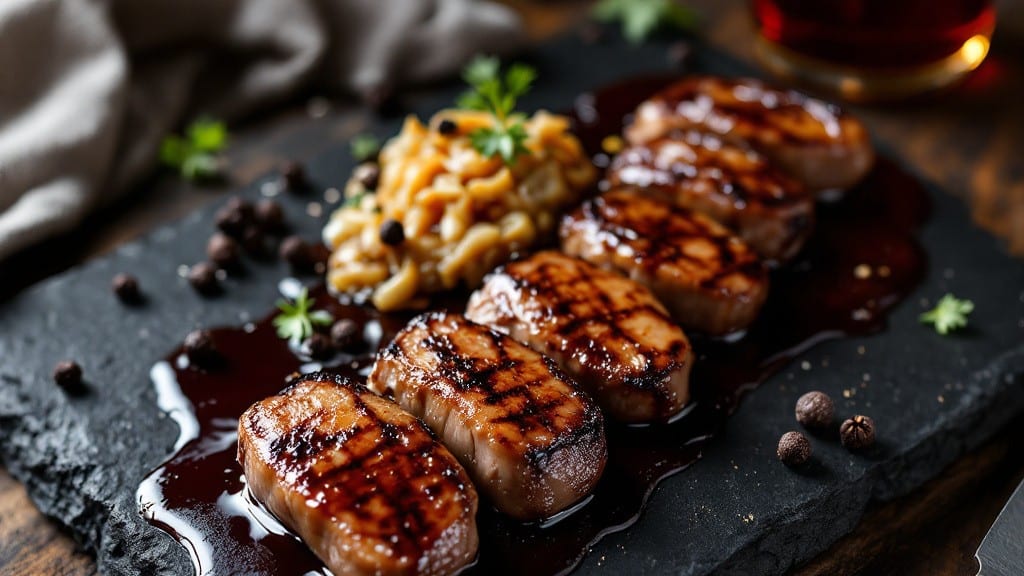
This chicken liver and red wine recipe transforms humble offal into a luxurious dish with deep, earthy flavors and a velvety sauce that clings to every bite. The secret lies in proper preparation—soaking the livers to remove bitterness, then searing them until golden before deglazing with red wine.
I’ve perfected this technique over years of testing, ensuring the final result is rich, tender, and restaurant-worthy without requiring advanced skills.
The process begins with soaking the livers in milk for 30 minutes, a step that softens their texture and mellows any gaminess. After searing in butter, the red wine reduction—simmered with shallots, garlic, and herbs—creates a sauce so silky it feels like a reward.
This method balances bold flavors with a smooth finish, making it ideal for special occasions or when you want to impress with offal that doesn’t taste like offal.
What you’ll end up with is tender, caramelized chicken livers swimming in a glossy red wine sauce that’s aromatic, slightly sweet, and packed with umami. The sauce reduces to a perfect consistency, coating each piece with layers of flavor.
Serve with creamy mashed potatoes or crusty bread to soak up every last drop—this dish turns a simple ingredient into a showstopper.
For best results, use high-quality red wine (like Cabernet Sauvignon or Pinot Noir) and fresh herbs, and never skip the soaking step. The payoff is a dish that feels indulgent yet remains approachable. Let’s get cooking—this recipe delivers professional results at home.
Ingredients for chicken liver red wine
The foundation of this luxurious dish: tenderized livers, bold wine, and aromatic herbs.
| Ingredient | Amount | Notes |
|---|---|---|
| Fresh Chicken Livers 🍗 | 1 lb | Trimmed of connective tissue |
| Whole Milk 🥛 | 1 cup | For soaking livers |
| Unsalted Butter 🧈 | 4 tbsp | European-style preferred |
| Dry Red Wine 🍷 | 1 cup | Cabernet Sauvignon or Pinot Noir |
| Shallots 🧅 | 4 whole | Minced, not sliced |
| Garlic Cloves 🧄 | 4 cloves | Finely minced |
| Fresh Thyme Leaves 🌿 | ¼ cup | Stems removed |
| Fresh Parsley Leaves 🌿 | ⅛ cup | Chopped, for garnish |
| Diamond Crystal Kosher Salt 🧂 | 1 ½ tsp | Adjust to taste |
| Freshly Ground Black Pepper 🌶️ | ½ tsp | Coarsely cracked |
| Heavy Cream 🥛 | ¼ cup | Full-fat for richness |
| Granulated Sugar 🍚 | 1 tsp | Balances acidity |
| Fresh Lemon Juice 🍋 | 1 tbsp | Brightens flavors |
The quality of your chicken livers determines the final result—look for bright red, moist livers at specialty butchers or the meat counter. Whole Foods Market and D'Artagnan carry premium cuts, but even standard grocery store livers work if they're fresh. Trim any connective tissue or silver skin immediately after purchase, then store in an airtight container in the coldest part of your fridge. For the red wine, avoid cooking wines—opt for a dry, medium-bodied bottle you'd drink with dinner. The butter should be European-style, 82% fat content for superior flavor development during searing. Fresh herbs are non-negotiable here—their bright notes cut through the richness of the livers and wine.
No milk for soaking? Buttermilk or even water will work in a pinch, though milk's fat content helps tenderize better. Substituting red wine? Dry sherry or port offers similar depth, but the flavor profile shifts slightly. Short on shallots? Substitute with 6 minced green onions, though they lack the same sweetness. The thyme can be swapped for 1 tsp dried thyme, but fresh delivers that herbal punch. For the heavy cream, half-and-half works in a bind, though the sauce won't be as velvety. If you're avoiding dairy entirely, coconut cream provides a neutral base, though the texture will differ. The sugar is crucial—it balances the wine's acidity, so don't skip it even if you're watching carbs.
Fresh livers should be used within 2 days of purchase for optimal texture. After trimming, wrap them in paper towels and store in a sealed container in the fridge. The prepared sauce keeps for 3 days in the refrigerator, though it's best consumed within 48 hours for peak flavor. For longer storage, freeze the sauce in 1-cup portions—thaw overnight in the fridge before reheating. The livers themselves can be pre-soaked and refrigerated for 1 day before cooking, but sear them immediately after removing from the fridge to maintain texture. This dish reheats beautifully—simmer gently on the stove with a splash of water or wine to restore its silky consistency.
Why You'll Love This Recipe
- One-Pan Magic: I swear by this recipe when I’m too tired to scrub pots—just sear the livers, deglaze with wine, and let the milk do the heavy lifting. The butter pools into golden nuggets while the shallots caramelize right in the same pan. Honestly, my husband still doesn’t believe me when I say I made dinner in 25 minutes.
- Rich Without Effort: That first sip of red wine deglaze transforms everything—deep, earthy, and just a little luxurious. The milk softens the livers into tender perfection, while the butter adds a velvety finish that makes it taste like a restaurant dish. Between us, it’s the kind of flavor that turns weeknights into something special.
- Leftovers That Shine: This recipe actually improves the next day—cooled livers hold their shape better, and the sauce thickens into a glossy glaze. I freeze half the batch for when I’m craving something hearty but don’t want to cook. My kids eat it straight from the fridge, no complaints.
- Budget-Friendly Luxury: Chicken livers are my secret for stretching a meal without breaking the bank—two pounds feeds four, and the wine adds depth for pennies. The milk and butter make it feel indulgent, but the total cost is less than takeout. (Yes, even on a Tuesday night.)
Step-by-step instructions for chicken liver and red wine sauce
Transforming chicken livers into a luxurious dish requires precision and patience—this method delivers velvety texture and deep wine-infused flavor.
Soak and Prepare the Chicken Livers
Rinse the 1 lb fresh chicken livers thoroughly under cold water and pat them completely dry with paper towels. This step removes any blood and prevents the sauce from turning muddy. Trim away any visible connective tissue or silver skin using a sharp knife.
Place the livers in a bowl and cover them with the 1 cup whole milk. Let them soak for at least 30 minutes in the refrigerator—this process tenderizes the meat and removes any remaining blood. After soaking, drain the milk and pat the livers dry again before proceeding. The livers should now have a clean, pale appearance ready for cooking.
Sear the Livers in Butter for Perfect Texture
Heat 2 tablespoons of the 4 tbsp unsalted butter in a large skillet over medium-high heat until the butter foams but doesn't brown. Add half of the livers in a single layer, being careful not to overcrowd the pan. Sear for 2-3 minutes per side until they develop a deep golden-brown crust and reach an internal temperature of 135°F. Remove the livers and set them aside on a plate.
Repeat with the remaining 2 tablespoons butter and the rest of the livers. The key here is to maintain consistent heat—if the pan gets too hot, the livers will cook unevenly. You're aiming for a medium-rare finish that will carry over to perfection when finished in the sauce.
Build the Wine and Aromatic Base
In the same skillet (don't wipe it clean—the browned bits are flavor gold), reduce the heat to medium. Add the 4 minced shallots and 4 finely minced garlic cloves, cooking for 2-3 minutes until the shallots soften and become translucent. Add the 0.25 cup fresh thyme leaves and cook for another 30 seconds until fragrant.
Pour in the 1 cup dry red wine and scrape up all the browned bits from the bottom of the pan. Let the wine simmer for 5-6 minutes until reduced by half and slightly syrupy. This reduction concentrates the flavors and forms the foundation of your sauce. If the mixture starts to stick, add 1-2 tablespoons of water to deglaze, but try to minimize dilution.
Finish with Cream and Brightening Agents
Reduce the heat to low and stir in the 0.25 cup heavy cream and 1 tsp granulated sugar. The sugar balances the acidity of the wine and enhances the caramelization of the sauce. Simmer gently for 3-4 minutes until the sauce thickens slightly and coats the back of a spoon. Taste and adjust seasoning with the 1.5 tsp diamond crystal kosher salt and 0.5 tsp freshly ground black pepper as needed.
Return the seared livers to the skillet and gently toss to coat them evenly in the sauce. Add the 1 tbsp fresh lemon juice and simmer for 1-2 minutes to brighten the flavors. The sauce should now be silky, glossy, and perfectly balanced—neither too acidic nor too heavy. Remove from heat immediately to prevent overcooking.
Rest and Serve with Fresh Herbs
Transfer the livers and sauce to a serving dish and let them rest for 5 minutes. This resting period allows the livers to reabsorb any juices that may have escaped during cooking, ensuring they remain tender and moist.
Garnish with the 0.125 cup chopped fresh parsley leaves just before serving. The parsley adds a fresh contrast to the rich, wine-infused sauce. Serve immediately with crusty bread, buttered egg noodles, or roasted potatoes to soak up every last drop of that luxurious sauce.
Pro Tips For Making Chicken Liver Red Wine
- Sear the Livers First: Don’t skip the initial sear—pat those livers bone-dry with paper towels, then hit them over high heat with butter until they’re deeply browned on both sides. I learned this the hard way: skipping this step means you’ll end up with bland, grayish livers instead of rich, caramelized ones that soak up the wine like a sponge.
- Soak in Milk, Not Water: Whole milk is your best friend here—soak the livers in it for at least 30 minutes (up to 2 hours if you’re patient) to mellow their bitterness. I was skeptical until I tried it: the fat in whole milk actually coats the livers better than water, and the result is silky instead of metallic.
- Reduce Wine Slowly: After deglazing the pan with red wine, let it reduce gently—no rushing. A steady simmer for 8-10 minutes concentrates the flavor without turning it into vinegar. I used to crank the heat, and the dish always tasted sharp and one-dimensional.
- Save the Foam: When the wine reduces, you’ll get a frothy foam on top—don’t pour that out. Stir it back in with the shallots and butter; it’s packed with flavor and makes the sauce richer. I wasted this for years until I realized it was the secret to a velvety finish.
Troubleshooting perfect results
Bitterness Lingers
If your livers still taste bitter after soaking, you likely didn’t soak long enough or used cold livers. Always use fresh livers (bright red, no grayish tint) and soak for at least 30 minutes in cold milk—never warm.
For extra insurance, add 1 tbsp lemon juice to the soaking liquid. If bitterness persists, try soaking in buttermilk for 45 minutes instead. 💡
Sauce Too Thin
Your sauce may be too thin if you didn’t reduce the wine enough or added too much cream. Always reduce the 1 cup red wine by half (about 5-6 minutes of simmering) before adding cream.
If it’s still thin, simmer uncovered for 2-3 more minutes or stir in 1 tsp cornstarch mixed with 1 tbsp cold water until thickened. Avoid over-stirring—this can break the sauce’s silky texture. ✨
Livers Overcooked
Overcooked livers turn rubbery and dry because they spent too long in the pan or sauce. Remove them from the skillet once they reach 135°F internal temperature (about 2-3 minutes per side).
When finishing in the sauce, simmer for only 1-2 minutes—no longer. For extra tenderness, sear them medium-rare and let them rest 5 minutes before serving. 🔥
Wine Flavor Lost
If your sauce lacks wine flavor, you likely didn’t deglaze properly or used a cheap wine. Always use a dry, medium-bodied red wine (like Cabernet Sauvignon) and scrape up every browned bit from the pan when deglazing.
If needed, add 1/4 cup extra wine after the initial reduction to deepen the flavor. Avoid cooking wines—they’re packed with salt and preservatives that ruin the dish. 🍷
Sauce Too Acidic
A overly acidic sauce happens when the wine’s acidity isn’t balanced. Fix this by adding 1 tsp granulated sugar (as in the recipe) or a pinch of baking soda (just 1/8 tsp) to neutralize the acid.
For brightness, finish with 1 tbsp lemon juice, but add it carefully—too much can make the sauce taste sour. Taste as you go! 💫
Pan Burns On
If your pan burns on, you’re likely cooking at too high a heat or didn’t use enough fat. Always use European-style butter (82% fat) and maintain medium-high heat when searing. For the sauce, reduce heat to medium-low when adding cream.
If it starts to stick, add 1-2 tbsp water or wine to deglaze gently. A heavy-bottomed skillet (like All-Clad) prevents hot spots. 🔥
Nutrition facts
Frequently asked questions
Why do I need to soak chicken livers in milk?
The milk soak removes blood and bitterness while tenderizing the meat. Chicken livers contain natural iron that can make them taste metallic if not properly cleaned. Soaking for 30 minutes in cold milk (or buttermilk) breaks down these compounds, resulting in a cleaner, more delicate flavor. Don't skip this step—it's what transforms offal into a luxurious dish!
Can I use any red wine for this recipe?
No—avoid cooking wines! Use a dry, medium-bodied red like Cabernet Sauvignon or Pinot Noir that you'd drink with dinner. Cooking wines contain salt and preservatives that ruin the delicate balance of flavors. The wine's acidity and tannins are essential for building the rich, velvety sauce. If you must substitute, try dry sherry or port.
How do I prevent the livers from turning rubbery?
Overcooking is the enemy! Sear livers only until they reach 135°F (2-3 minutes per side) and finish them in the sauce for just 1-2 minutes. Remove them immediately when done and let them rest 5 minutes before serving. Using European-style butter (82% fat) also helps maintain moisture during searing.
What's the best way to serve this dish?
Pair with starchy sides that soak up the luxurious sauce: creamy mashed potatoes, crusty bread, or buttered egg noodles. For contrast, add a crisp green salad with lemon vinaigrette. The wine sauce also works beautifully as a dip for fresh bread or as a topping for roasted vegetables. Garnish with fresh parsley just before serving for that restaurant-quality finish!
Can I make this recipe ahead of time?
Yes, but with limitations. The sauce keeps for 3 days in the fridge, but the livers should be cooked fresh or reheated gently in the sauce. For make-ahead prep, soak the livers in advance and store them in the fridge until ready to cook. The sauce can be made a day ahead—reheat gently on the stove with a splash of water or wine to restore its silky texture.