
Main Courses
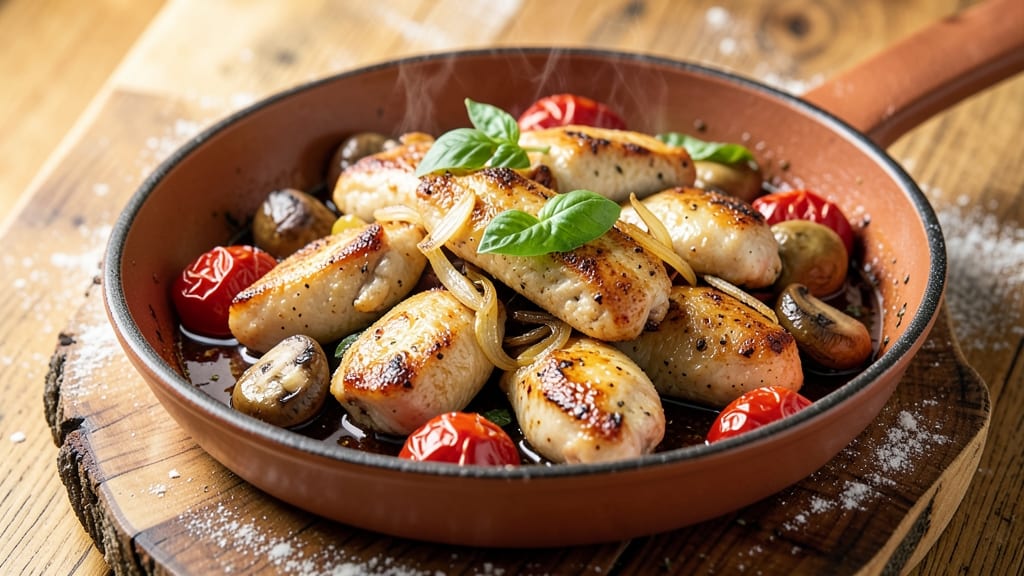
Ina Garten's chicken cacciatore recipe transforms simple ingredients into a restaurant-worthy tomato-braised masterpiece that feels like a hug in a skillet. The secret lies in her signature techniques—searing chicken to golden perfection, deglazing with white wine for depth, and slow-simmering until the sauce becomes velvety and rich with herbs.
I first made this after watching her effortless confidence in the kitchen, and it became my go-to weeknight dinner that tastes like a Tuscan vacation.
What sets this recipe apart is Ina's foolproof approach to balancing acidity and sweetness—the tomatoes caramelize beautifully while the white wine cuts through without overpowering.
Fresh herbs like rosemary and thyme infuse the sauce with aromatic brightness, and a splash of red wine at the end adds complexity that takes this dish from ordinary to extraordinary. The chicken emerges tender and infused with all those deep, savory flavors.
By the time you serve this, your kitchen will smell like a sun-drenched Italian countryside, and every bite will deliver that perfect harmony of tender chicken, caramelized tomatoes, and herby sauce.
The beauty of this recipe is its versatility—serve it over polenta for a heartier meal or with crusty bread to soak up every last drop of that luxurious sauce. It's the kind of dish that makes you feel like you've earned your dinner.
Ready to create this elegant yet approachable classic? The process is simpler than it looks, and the results will have you reaching for this recipe again and again. Let's get started with Ina's trusted method that delivers professional-quality cacciatore in your own kitchen.
Ingredients for ina garten chicken cacciatore
Simple pantry staples and fresh herbs transform into Ina Garten's signature tomato-braised chicken cacciatore.
| Ingredient | Amount | Notes |
|---|---|---|
| Boneless, Skinless Chicken Thighs 🍗 | 1 ½ lb | Cut into 1-inch pieces for even cooking |
| Extra-Virgin Olive Oil 🫒 | ½ cup | High quality, fruity flavor preferred |
| Shallots 🧅 | 2 whole | Minced finely for sweetness |
| Garlic Cloves 🧄 | 4 cloves | Peeled and smashed for aromatic depth |
| Dry White Wine 🍷 | ¾ cup | Sauvignon Blanc or Pinot Grigio works best |
| Canned San Marzano Tomatoes 🍅 | 2 cups | Crushed by hand for authentic texture |
| Fresh Rosemary 🌿 | ¼ cup | Chopped, stems removed for vibrant flavor |
| Fresh Thyme 🌿 | ¼ cup | Leaves only, stems discarded |
| Red Wine 🍷 | ¼ cup | Bold Cabernet Sauvignon for finishing touch |
| Chicken Broth 💧 | ½ cup | Low-sodium for balanced seasoning |
| All-Purpose Flour 🌾 | 2 tbsp | For dredging chicken pieces |
| Salt 🧂 | 1 ½ tsp | Kosher salt for even seasoning |
| Black Pepper 🌶️ | ½ tsp | Freshly ground for best flavor |
| Red Pepper Flakes 🌶️ | ¼ tsp | Optional for subtle heat |
| Fresh Parsley 🌿 | ¼ cup | Chopped for garnish and freshness |
The chicken thighs are the star, and bone-in, skin-on gives the best flavor, but boneless works fine for weeknight ease. Look for chicken thighs with good marbling—they stay juicier during the long simmer. I grab mine from Whole Foods or the butcher counter at Trader Joe's when I can, but the regular supermarket package is fine too. The key is cutting them into even 1-inch pieces so they cook uniformly. For the San Marzano tomatoes, don't skimp—the sweetness and acidity balance perfectly. If you can't find them, whole peeled tomatoes crushed by hand work too, but they won't be as refined.
White wine is non-negotiable here—it's what gives the sauce that bright, clean acidity that cuts through the richness. Sauvignon Blanc or Pinot Grigio are Ina's go-tos, but whatever dry white you have open will work. No wine? Substitute extra chicken broth with a splash of lemon juice—it won't be identical, but it'll still taste delicious. Fresh herbs are where this dish shines, so don't use dried. The rosemary and thyme should be vibrant and fragrant—if they smell musty, toss them. For the red wine splash at the end, Cabernet Sauvignon adds the most depth, but any bold red will do. The flour is just for dredging the chicken—it helps create that beautiful golden crust before the wine deglazes the pan.
This dish tastes even better the next day, so make extra—it reheats beautifully. Store leftovers in the fridge for up to 4 days, or freeze for 3 months. I always portion it into containers with a little extra sauce on top so lunches are ready to grab. The sauce thickens as it cools, so add a splash of broth or water when reheating. And trust me, the parsley garnish at the end isn't just for looks—it adds that final fresh note that makes the whole dish sing.
Why You'll Love This Recipe
- One-Pan Magic: I swear by this recipe because it’s literally one pan—no chopping boards, no extra dishes. Just brown the chicken thighs in olive oil, toss in the shallots and garlic, deglaze with wine, and let it simmer. That’s it. Honestly, my lazy Sundays just got a serious upgrade.
- Wine-Infused Richness: The dry white wine doesn’t just cook off—it lingers, adding a bright, almost floral depth that cuts through the chicken’s richness. That crisp acidity? It’s the secret weapon here, making every bite taste like you spent hours in the kitchen (when you really didn’t).
- Leftovers That Shine: This dish tastes better the next day, and I’m not lying. The flavors meld into something even richer, perfect for quick lunches or throwing into pasta. Between us, I’ve reheated it three times this week and still crave it.
- Budget-Friendly Feast: Chicken thighs are forgiving and affordable, and the rest of the ingredients? Basic pantry staples. You’re getting a restaurant-worthy meal without the markup—plus, the wine you already have in your cabinet just got a new purpose. Solid move.
Step-by-step instructions for Ina Garten's chicken cacciatore
This elegant tomato-braised chicken comes together with simple steps and bold flavors.
Prepare the Chicken and Build the Flavor Base
Pat the 1.5 lb boneless, skinless chicken thighs dry with paper towels and cut them into 1-inch pieces for even cooking. In a large Dutch oven, heat 0.5 cup extra-virgin olive oil over medium-high heat until shimmering. Add the chicken pieces in a single layer and cook undisturbed for 3-4 minutes until golden brown on the bottom.
Here's the thing—don't crowd the pan. Cook the chicken in batches if needed, setting aside the cooked pieces as you go. Once all the chicken is browned, sprinkle with 2 tbsp all-purpose flour and stir to coat evenly. This creates a light crust that thickens the sauce later. Cook for another 1 minute until the flour bubbles and smells nutty.
Sauté Aromatics and Deglaze with Wine
Add the 2 whole minced shallots and 4 smashed garlic cloves to the Dutch oven, stirring for 1 minute until fragrant and softened. You'll know they're ready when the garlic just starts to turn golden around the edges—don't let it burn. Add 0.25 cup chopped fresh rosemary and 0.25 cup fresh thyme leaves, stirring to release their aromatic oils.
Pour in the 0.75 cup dry white wine and scrape up all the browned bits from the bottom of the pan with a wooden spoon. This deglazing step captures all the flavor that would otherwise stick. Let the wine simmer for 2-3 minutes until reduced by half, creating a rich, concentrated base for your sauce.
Simmer with Tomatoes and Herbs
Add the 2 cups crushed canned San Marzano tomatoes, 1.5 tsp salt, 0.5 tsp black pepper, and 0.25 tsp red pepper flakes (if using). Stir well to combine, then return all the chicken pieces to the Dutch oven. The sauce should just barely coat the chicken—if it looks too thick, add 0.5 cup chicken broth to loosen it.
Bring the mixture to a gentle simmer, then reduce heat to low. Partially cover the Dutch oven and let it cook for 30-40 minutes, stirring occasionally, until the chicken is tender and the sauce has thickened. You'll know it's ready when the chicken easily pulls apart with a fork and the sauce coats the back of a spoon smoothly.
Finish with Red Wine and Fresh Herbs
Increase heat to medium and stir in the 0.25 cup red wine. Let it simmer for 5 minutes to allow the alcohol to cook off and the flavors to meld. Taste and adjust seasoning if needed—this is where you can really make the dish your own. The sauce should be rich, slightly sweet from the tomatoes, and well-seasoned.
Sprinkle with 0.25 cup chopped fresh parsley and let the cacciatore rest for 5 minutes before serving. This resting time allows the flavors to settle and the sauce to thicken slightly. Serve over creamy polenta or crusty bread to soak up every delicious drop of that tomato-herb sauce.
Pro Tips For Making Ina Garten Chicken Cacciatore
- Sear the Chicken Twice: Hit the chicken thighs with a first sear skin-side down until golden, then flip and sear the second side—this locks in juices better than a single pass. I used to skip this, and the sauce would just steam the meat instead of building flavor. High heat here means less drying out later.
- Deglaze with Wine Immediately: As soon as you remove the chicken, pour in that dry white wine and let it bubble hard for 2-3 minutes—this pulls all those browned bits (fond) off the pan. I learned this the hard way: skipping it leaves a dull, thin sauce. Scrape the pan with a wooden spoon while you’re at it.
- Sweat Shallots Low and Slow: Shallots should melt into the oil over medium-low heat for 5-7 minutes until translucent, not browned. After burning three batches, I finally realized rushing this step turns them bitter. Cover the pan for the first 3 minutes to speed up the process—just uncover and stir after.
- Simmer Uncovered, Stir Often: Let the sauce reduce uncovered on medium heat, stirring every 2-3 minutes to prevent sticking. I was skeptical about this—doesn’t it dry out? Nope, it actually concentrates the flavors faster. If it gets too thick, splash in a tablespoon of water or broth, but don’t overdo it.
Serving suggestions for this recipe
Polenta Perfection
Ina Garten serves her cacciatore over creamy polenta for the ultimate comfort food experience. The Italian cornmeal dish absorbs the rich tomato sauce beautifully while adding a velvety texture.
For the best results, use 1 cup polenta to 4 cups chicken broth, simmering for 20-25 minutes over medium heat while stirring constantly. The key is keeping it smooth—avoid lumps by whisking vigorously. 🥣
For extra indulgence, finish with 2 tablespoons grated Parmigiano-Reggiano and a sprinkle of fresh black pepper. This pairing transforms your cacciatore into a hearty, satisfying meal that feels like a five-star restaurant dish.
I like to serve it in a shallow bowl with the chicken and sauce spooned on top for dramatic presentation.
Crusty Bread Basket
A warm, crusty bread basket is my go-to for serving cacciatore. The bread soaks up the luxurious sauce while adding a satisfying crunch. Look for a sourdough loaf or ciabatta from your local bakery—their open crumb structure holds up perfectly.
I recommend toasting the bread lightly before serving to enhance its flavor and texture.
For an extra touch, drizzle the bread with a little olive oil and sprinkle with flaky sea salt before serving. This simple preparation elevates the entire meal, making it feel complete and restaurant-quality. The bread also helps balance the richness of the dish.
Simple Green Salad
A bright green salad cuts through the richness of the cacciatore beautifully. I love a mix of arugula, baby spinach, and shaved fennel with a light lemon vinaigrette.
Toss 4 cups greens with 2 tablespoons olive oil, 1 tablespoon lemon juice, 1 teaspoon Dijon mustard, and a pinch of salt and pepper. The peppery arugula provides a refreshing contrast to the tomato-heavy main dish. 🥗
For added texture, top the salad with thinly sliced pear or toasted walnuts. The crispness and slight sweetness complement the savory flavors of the cacciatore perfectly. This simple side keeps the meal balanced and light.
Roasted Vegetables
For a more substantial side, roasted seasonal vegetables add color and depth to your meal. Try zucchini, bell peppers, and cherry tomatoes tossed in 1 tablespoon olive oil, salt, and fresh herbs.
Roast at 400°F for 20-25 minutes until tender and slightly caramelized. The natural sweetness of the vegetables pairs wonderfully with the tomato sauce.
Another great option is roasted mushrooms—sauté 8 oz cremini mushrooms in 2 tablespoons butter with 2 minced garlic cloves until golden, then finish with fresh thyme. The earthy flavor enhances the herby notes in the cacciatore. These sides add variety and keep the meal interesting.
Wine and Cheese Pairings
No Italian-inspired meal is complete without the right wine pairing. A bold Chianti or Sangiovese complements the acidity and richness of the cacciatore perfectly. The tannins in these red wines cut through the sauce, cleansing your palate with each sip.
For a white wine option, a dry Vermentino offers a crisp, citrusy contrast that balances the dish beautifully. 🍷
For a cheese course, serve with aged pecorino or Gorgonzola Dolce. The sharp, tangy flavors of these cheeses elevate the meal, providing a satisfying finish. Pair with sliced apples or crusty bread to round out the experience. These pairings turn your cacciatore into a full Italian feast.
Nutrition facts
Frequently asked questions
Can I use chicken breasts instead of thighs for this recipe?
While you can use chicken breasts, thighs are ideal because they stay juicier during the long simmer. If using breasts, cut them into 1-inch pieces and cook them for only 20-25 minutes total to avoid drying out. For extra tenderness, marinate them in olive oil, garlic, and herbs for 30 minutes before cooking.
What's the best way to store leftovers?
Store leftovers in an airtight container in the fridge for up to 4 days. The flavors actually improve overnight! For freezing, portion into containers and store for up to 3 months. When reheating, add a splash of broth or water to loosen the sauce. Never microwave directly from frozen—thaw first.
Can I make this dish in a slow cooker?
Brown the chicken in a skillet first, then transfer everything to a 6-quart slow cooker. Cook on low for 4-5 hours or high for 2-3 hours. The slow cooker method gives you tender chicken with minimal effort. Just stir in the red wine and fresh herbs at the end before serving.
Why does Ina Garten use white wine first, then red?
The white wine creates a bright, clean base that balances the tomatoes, while the red wine adds depth and complexity at the end. The acidity from white wine prevents the sauce from becoming too heavy, and the red wine's tannins enhance the herby flavors. It's a classic Italian technique that builds layers of flavor.
How do I fix a sauce that's too thin?
Simmer the sauce uncovered for 5-10 minutes to reduce it naturally. If it's still too thin, mix 1 tablespoon cornstarch with 2 tablespoons cold water and stir it into the sauce until thickened. Avoid over-reducing or the sauce may become too concentrated. A splash of broth can also help balance the texture.