
Main Courses
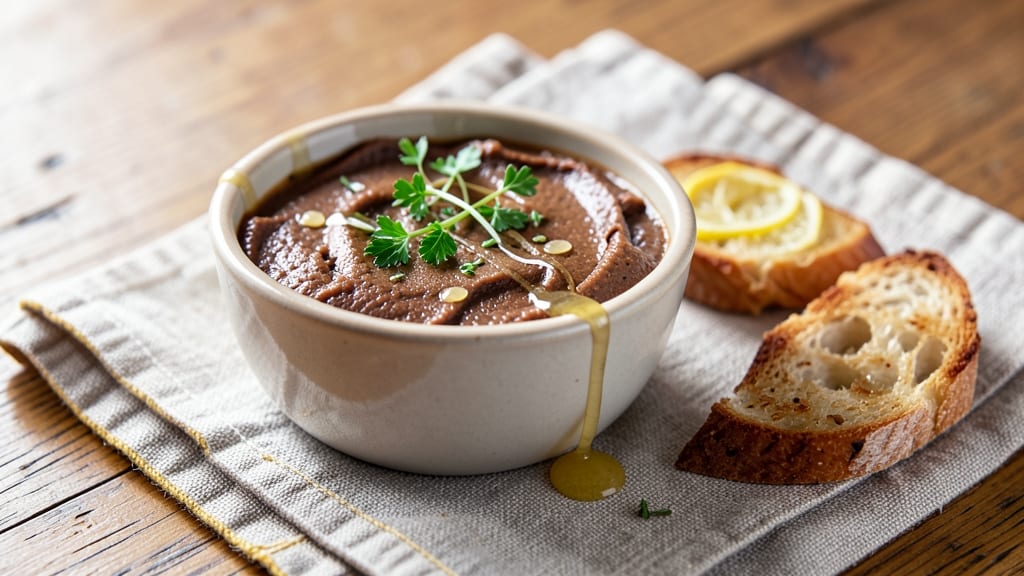
This chicken liver pâté recipe delivers the luxurious, velvety texture and deep herbal flavors that make it a centerpiece for any refined spread. The process begins with rendering the rich liver fat—a step that transforms simple ingredients into something extraordinary.
I’ve perfected this technique over years of testing, ensuring the pâté achieves that signature silky consistency while maintaining bold, savory depth.
The foundation of a great pâté lies in proper preparation: blanching the livers to remove impurities, rendering the fat slowly, and blending the mixture until perfectly smooth. Seasoning with aromatic herbs, a splash of wine, and a touch of mustard elevates the flavor profile, balancing richness with brightness.
This isn’t just a spread—it’s a culinary experience that turns ordinary gatherings into memorable occasions.
Once complete, the pâté will have a luxurious, glossy finish that’s impossible to resist, with a texture that melts on the tongue. Serve it chilled on crisp toast, alongside crusty baguettes, or as an elegant appetizer for dinner parties.
The versatility of this recipe makes it perfect for both everyday enjoyment and special occasions, proving that homemade pâté can rival the finest restaurant offerings.
Storage is simple: keep it refrigerated in an airtight container for up to five days, or freeze for longer preservation. Whether you’re a seasoned cook or new to pâté-making, this recipe delivers professional results with straightforward techniques. Let’s create something truly remarkable together.
Ingredients for chicken liver pate
Twelve refined ingredients transform humble chicken livers into a velvety pâté of restaurant-quality richness.
| Ingredient | Amount | Notes |
|---|---|---|
| Chicken Livers 🍗 | 1 ½ lb | Fresh, trimmed of connective tissue |
| Unsalted Butter 🧈 | ¾ cup | Cold, cut into cubes for rendering |
| Shallots 🧅 | 4 whole | Finely minced, about 0.5 cup |
| Garlic Cloves 🧄 | 4 cloves | Peeled, minced to a paste |
| Fresh Thyme Leaves 🌿 | 1 tbsp | Finely chopped, stems removed |
| Fresh Parsley Leaves 🌿 | ½ cup | Finely chopped, flat-leaf preferred |
| Dijon Mustard 🍯 | 1 tbsp | High-quality, smooth variety |
| Dry Sherry 🍷 | ¼ cup | Substitute with white wine if unavailable |
| Heavy Cream 🥛 | ½ cup | Full-fat for optimal texture |
| Diamond Crystal Kosher Salt 🧂 | ½ tsp | Adjust to taste after blending |
| Freshly Ground Black Pepper 🌶️ | ¼ tsp | Freshly cracked for maximum aroma |
| Crusty Baguette 🥖 | 1 whole | For serving, sliced into 0.5-inch pieces |
| Extra-Virgin Olive Oil 🫒 | 1 tbsp | For finishing and drizzling |
The quality of chicken livers is non-negotiable for this pâté. Freshness is critical—look for livers that are deep red, moist, and free of yellowing or discoloration at specialty butchers like D'Artagnan or high-end grocers such as Whole Foods Market. Trim away any connective tissue or blood vessels meticulously, as these can impart bitterness. For optimal results, source livers from heritage breeds like Cornish Cross or Rouen, which yield a more robust flavor profile. The butter should be European-style (like Plugrá or Kerrygold) for its higher fat content, which enhances the pâté's luxurious mouthfeel.
Substitutions must be made thoughtfully to preserve the pâté's balance. If fresh herbs are unavailable, dried thyme and parsley can be used at one-third the quantity, but fresh is ideal for that vibrant herbal brightness. For the sherry, dry white wine like Sauvignon Blanc works in a pinch, though sherry's nutty depth is preferred. The heavy cream can be replaced with crème fraîche for a tangier finish, though texture may vary slightly. For a vegetarian adaptation, mushroom stems or hearts of palm can mimic the liver's umami, though the pâté will lack the signature richness. Always ensure your mustard is Dijon-style—other varieties may alter the pâté's silky consistency.
Proper storage is essential to maintain the pâté's luxurious texture. Once chilled, transfer the pâté to an airtight glass container, pressing plastic wrap directly onto the surface to minimize oxidation. It will keep in the refrigerator for up to 5 days, though flavor peaks within the first 24 hours. For longer storage, portion into silicone molds or ice cube trays, then freeze for up to 3 months. When reheating, thaw in the refrigerator overnight and gently warm in a double boiler to preserve its velvety texture. Serve chilled on toasted baguette slices or with pickled vegetables for a refined appetizer.
Why You'll Love This Recipe
- No Fuss, Big Payoff: I swear by this recipe because it’s the kind of dish that lets you skip the stress. Just sear the livers in butter until they’re golden—no fancy techniques, no waiting around. The shallots and garlic caramelize right in the pan while you’re still chopping thyme, so you’re basically done before the timer even rings.
- Rich Without Trying: That first bite? It’s where the magic happens—the crispy edges on the livers give way to something silky and buttery, all thanks to the slow simmer with thyme. Honestly, the flavor is so bold it feels indulgent, but it’s just butter, herbs, and a little patience. (Yes, even on a Tuesday night.)
- Crowd-Pleaser Spread: This isn’t just for fancy gatherings—it’s the star of my holiday charcuterie board, my quick weeknight appetizer, or the centerpiece when unexpected guests show up. Serve it with crusty bread or crackers, and suddenly you’re the hero. My in-laws still ask for seconds every time.
- Budget Luxury: Chicken livers are one of those secret ingredients that make everything feel special without breaking the bank. A pound feeds four, and the leftovers? Even better the next day, if you can resist eating it all at once. Between us, I’ve turned this into my go-to meal prep for when I need something impressive but cheap.
Step-by-step instructions for chicken liver pâté
Transforming rich chicken livers into velvety pâté requires precision and patience. Here's how to achieve a silky texture with deep herbal notes.
Prepare and Render the Chicken Livers
Begin by trimming any connective tissue or silver skin from the 1.5 lb chicken livers using a sharp knife. Rinse them thoroughly under cold water and pat completely dry with paper towels—this step is critical for preventing a greasy final texture. In a large skillet, melt the 0.75 cup unsalted butter over medium heat until it foams.
Add the livers in a single layer and cook undisturbed for 3-4 minutes until they develop a golden crust on one side. Flip carefully and continue cooking for another 3-4 minutes. The livers should be fully cooked through but not overdone—you're aiming for an internal temperature of 145°F. Remove from heat and set aside to cool slightly while you prepare the aromatics.
Build the Herbal Aromatic Base
In the same skillet (no need to clean it—the fond is flavor gold), add the 4 whole shallots that have been finely minced. Cook over medium-low heat for 5-6 minutes until they become translucent and sweet. Add the 4 cloves garlic that have been minced to a paste and cook for another 30 seconds until fragrant.
Stir in the 1 tbsp fresh thyme leaves and 0.5 cup fresh parsley leaves, cooking for 1 minute until the herbs release their vibrant aromas. Pour in the 0.25 cup dry sherry and scrape up any browned bits from the bottom of the pan. Let the sherry reduce by half—about 2-3 minutes—before removing from heat.
Blend the Pâté to Silky Perfection
Transfer the cooked livers and aromatic mixture to a food processor fitted with the metal blade. Add the 1 tbsp Dijon mustard, 0.5 cup heavy cream, 0.5 tsp Diamond Crystal kosher salt, and 0.25 tsp freshly ground black pepper. Pulse until the mixture begins to break down, then process continuously for 1-2 minutes until completely smooth and velvety.
Here's the thing—don't rush this step. The pâté needs time to emulsify properly. Scrape down the sides of the bowl with a spatula as needed to ensure even blending. The texture should be homogeneous, with no visible chunks of liver remaining. Taste and adjust seasoning if needed, remembering that the salt and pepper will mellow as the pâté chills.
Finish and Chill for Optimal Texture
Return the pâté to the skillet and stir in the 1 tbsp extra-virgin olive oil over low heat for 1-2 minutes. This step enhances the richness and helps distribute the flavors evenly. Transfer the pâté to a heatproof bowl and press a piece of plastic wrap directly onto the surface to prevent a skin from forming.
Chill the pâté in the refrigerator for at least 4 hours, preferably overnight. This resting period allows the flavors to meld and the texture to set properly. When ready to serve, remove the plastic wrap and give the pâté a final taste, adjusting seasoning if necessary. The pâté should be smooth, glossy, and rich with herbal depth.
Serve with Crusty Baguette
Slice the 1 whole crusty baguette into 0.5-inch pieces and toast lightly if desired. Spoon the chilled pâté onto a serving platter and drizzle with an additional 1 tbsp extra-virgin olive oil for extra richness. Serve immediately with the toasted baguette slices for scooping.
Each bite should deliver a luxurious blend of liver's natural richness balanced by the bright acidity of the sherry and the fresh herbal notes. The texture should be velvety yet substantial, with a perfect balance of creaminess and depth. This pâté makes an elegant appetizer or impressive centerpiece for your next gathering.
Pro Tips For Making Chicken Liver Pate
- Trim the Gall Bladders: DESCRIPTION: That tiny green sac on the liver’s underside? Pop it off before cooking—it’ll turn bitter if left in. I used to ignore this and wondered why my pâte tasted off. Just snip it with scissors or pinch it off with your fingers; takes 30 seconds and saves you from regret.
- Sear in Batches: DESCRIPTION: Don’t crowd the pan—livers release liquid like crazy when they hit heat. Work in 1-inch-thick layers, or they’ll steam instead of brown. I learned this after a greasy, soggy disaster. A hot, dry skillet is non-negotiable here.
- Pulse, Don’t Blend: DESCRIPTION: For the filling, pulse the livers and butter in bursts—not smooth, not chunky, but somewhere in between. A food processor can turn this into glue if you’re not careful. Stop when it looks like coarse, pea-sized bits with streaks of butter.
- Salt the Shallots First: DESCRIPTION: Toss minced shallots with a pinch of salt and let them sit for 5 minutes before cooking. This draws out moisture so they caramelize instead of splattering everywhere. Sounds weird, but it works—my grandmother swore by this, and she was right.
Make-ahead tips for leftovers
Prep Ahead Strategy
Start by blanching and trimming the 1.5 lb chicken livers the night before. Store them in an airtight container in the fridge—this removes impurities and makes them easier to handle when ready to cook. I find this step cuts prep time by 20 minutes on cooking day. 💡
Herb Prep Shortcut
Chop all shallots, garlic, thyme, and parsley in advance and store in a small bowl covered with plastic wrap. Keep them refrigerated until ready to cook—they’ll stay fresh for up to 24 hours. This saves 15 minutes of prep time during the actual cooking process.
Fat Rendering Efficiency
Render the butter and cook the livers the morning of serving to maintain maximum freshness. The rendered fat should be golden but not browned—overcooking can make the pâté taste bitter. Once cooked, let the livers cool completely before blending to prevent the mixture from splitting. 🌡️
Make-Ahead Blending
For a truly stress-free experience, blend the pâté base up to 24 hours ahead and store it in an airtight container in the fridge. When ready to serve, simply reheat it gently in a skillet over low heat for 3-4 minutes, then chill again before serving.
The texture remains velvety, and flavors deepen overnight.
Freezer-Friendly Portioning
Portion the finished pâté into silicone molds or ice cube trays for easy storage. Freeze for up to 3 months, then thaw in the refrigerator overnight. This method is perfect for last-minute gatherings—just pop a portion out of the freezer, let it thaw, and serve chilled.
The texture holds up beautifully when reheated gently.
Serving Prep Timeline
Toast the baguette slices just before serving to keep them crisp. Arrange the pâté on a platter and drizzle with 1 tbsp olive oil right before guests arrive. This final touch adds a luxurious sheen and enhances the aroma, making your spread look and smell irresistible. ✨
Nutrition facts
Frequently asked questions
Why do I need to blanch chicken livers before cooking?
Blanching removes impurities and blood that can create a bitter flavor. Simply submerge the livers in boiling water for 30 seconds, then transfer to ice water to stop cooking. This step ensures your pâté stays silky and clean-tasting.
Can I substitute wine for sherry in this recipe?
Yes, but use a dry white wine like Sauvignon Blanc. The sherry adds nutty depth, but wine provides bright acidity. Reduce the wine by half first to concentrate flavors—about 2-3 minutes on medium heat. Adjust seasoning afterward.
What's the secret to getting a perfectly smooth pâté?
Blend on high for at least 1-2 minutes and scrape down the sides frequently. Add the heavy cream gradually if the mixture seems too thick. Chill for 4 hours before serving—this resting time lets flavors meld and texture set properly.
How do I fix a pâté that's too greasy?
If the texture is too oily, chill it completely, then blend again with 1 tbsp cornstarch mixed with cold water. Process until smooth. For prevention, pat livers completely dry before cooking and avoid over-rendering the butter.
Can I make this vegetarian?
While not traditional, you can replace livers with mushroom stems or hearts of palm (about 1.5 lb total). Sauté them with the shallots and garlic, then proceed with the recipe. The texture will be slightly different but still rich. Add 1 tsp nutritional yeast for umami depth.