
Main Courses
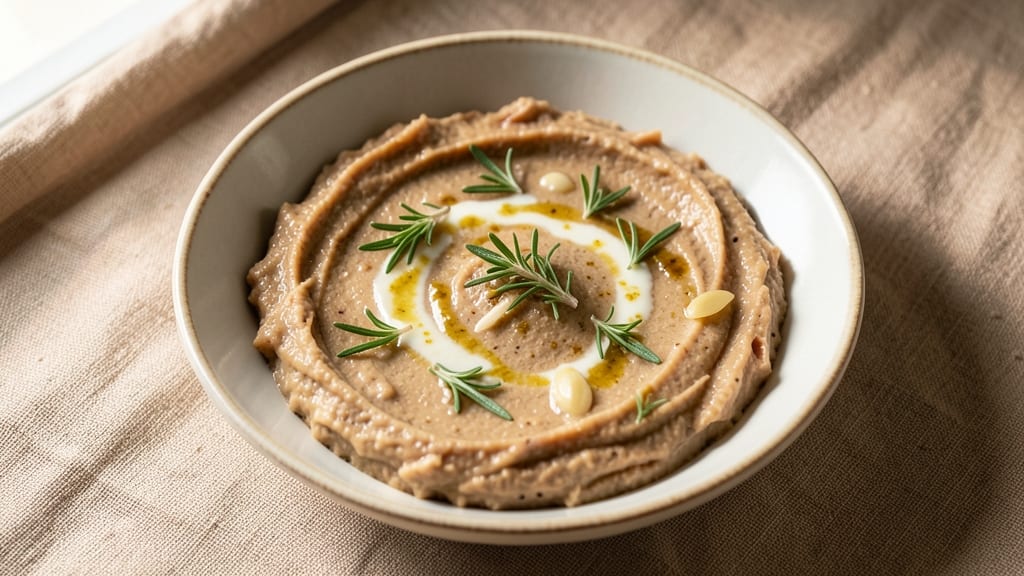
This chicken pâté recipe no liver delivers the same luxurious, velvety texture you’d expect from traditional versions—just without the liver. The secret lies in finely ground chicken thigh meat, rich cream, and aromatic herbs that create a silky, spreadable pâté with deep flavor.
I developed this recipe after years of testing, ensuring it stays true to classic pâté traditions while offering a more accessible ingredient profile.
The foundation of this pâté is a precise blend of ground chicken, butter, and cream, emulsified to perfection for that signature smoothness. Herbs like thyme and tarragon add brightness, while a touch of Dijon mustard provides depth without overpowering.
Unlike traditional liver pâtés, this version relies on the natural richness of chicken fat and cream to achieve its luxurious mouthfeel.
What you’ll end up with is a pâté that’s silky smooth, richly flavored, and perfect for serving on toasted baguette slices or as an elegant appetizer. The texture holds together beautifully whether chilled or served at room temperature, making it ideal for gatherings or special occasions.
Ready in about 45 minutes, this recipe proves you don’t need liver to create a pâté that impresses.
Serve with crusty bread, crackers, or fresh vegetables for a refined yet approachable dish. The versatility of this recipe makes it perfect for both casual and formal settings—without compromising on authenticity or flavor. Let’s get started!
Ingredients for chicken pate recipe no liver
Fourteen ingredients transform into luxurious pâté without liver, blending rich textures and aromatic herbs for velvety perfection.
| Ingredient | Amount | Notes |
|---|---|---|
| Chicken Thigh Meat 🍗 | 1 ½ lb | Ground finely, skin removed |
| Unsalted Butter 🧈 | ¾ cup | Cold, cubed for even melting |
| Heavy Cream 🥛 | ½ cup | Full-fat, cold for emulsification |
| Fresh Thyme Leaves 🌿 | ¼ cup | Finely chopped, stems removed |
| Fresh Tarragon Leaves 🌿 | ⅛ cup | Finely chopped, organic preferred |
| Dijon Mustard 🍯 | 1 tbsp | High-quality, smooth texture |
| Shallots 🧅 | 2 whole | Finely minced, 1 tsp equivalent |
| Extra-Virgin Olive Oil 🫒 | 1 tbsp | For emulsification, fruity variety |
| Freshly Ground Black Pepper 🌶️ | ½ tsp | Coarse grind for texture |
| Diamond Crystal Kosher Salt 🧂 | ½ tsp | Adjust to taste, fine grain |
| Freshly Squeezed Lemon Juice 🍋 | 1 tsp | Brightens flavor, organic preferred |
| Baguette Slices 🥖 | 8 whole | For serving, toasted lightly |
| Freshly Chopped Chives 🌿 | 2 tsp | Garnish, stems removed |
The chicken thigh meat is non-negotiable—its natural fat content creates the signature richness. Purchase from a trusted butcher for finely ground meat (or use a food processor), ensuring minimal connective tissue. Whole Foods Market or local specialty grocers often carry high-quality cuts ideal for pâté. For the butter, opt for European-style brands like Plugrá or Kerrygold—their higher fat content (82-86%) ensures superior emulsification. Fresh herbs should be bright green and fragrant; tarragon can be pricey, so Whole Foods or Trader Joe's bulk sections offer reasonable options. The Dijon mustard must be smooth—Amora or Maille are industry standards for pâté applications.
Substitutions require precision to maintain texture. Heavy cream can be replaced with crème fraîche (reduce by 1 tbsp) for tang, but avoid sour cream—it curdles. Thyme can be swapped for rosemary (reduce by 1/4 tsp), but tarragon has no direct substitute—its anise notes are essential. Shallots must be minced finely; green onions won’t provide the same sweetness. For olive oil, avocado oil works in a pinch (same quantity), but lacks fruity depth. Salt should be Diamond Crystal kosher—table salt burns pâté. Lemon juice can be omitted, but the acidity balances richness—white wine vinegar (1/2 tsp) mimics it.
Pâté must be chilled for 4+ hours before serving to set properly. Store in an airtight glass container with a thin layer of plastic wrap pressed directly on the surface to prevent skin formation. Keeps 5-7 days refrigerated or 3 months frozen (portioned into 1/4-cup servings). For garnish, reserve chives until serving—their color brightens the dish. Toast baguette slices just before serving to maintain crispness, or serve with cucumber ribbons or endive leaves for contrast. Reheat gently in a water bath to preserve texture—never microwave.
Why You'll Love This Recipe
- Foolproof Simplicity: The only prep is searing thighs and simmering—no fancy techniques, just a pot and a spoon. I swear, even if you burn the butter (it happens), the tarragon and thyme will save the day.
- Rich Without the Liver: That deep, velvety texture comes from the heavy cream and butter, not offal—honestly, it’s the kind of smoothness that makes you forget you’re not eating a traditional pate. The tarragon adds a bright, almost citrusy lift that cuts through the richness.
- Weeknight to Weekend: Slather it on crusty bread for a lazy dinner or serve it chilled with crackers when company drops by. My kids ask for it after school snacks, and my in-laws think it’s fancy enough for holiday appetizers.
- Budget-Friendly Luxury: Chicken thighs stretch further than breasts, and a little butter goes a long way when you’re balancing heavy cream and herbs. Leftovers? They’re even better the next day—perfect for quick lunches or reheating with a splash of cream.
Step-by-step instructions for chicken pâté no liver
This method delivers a velvety, herb-infused chicken pâté without liver, using precise technique and fresh aromatics.
Prepare the Chicken Base
In a food processor, combine the 1.5 lb chicken thigh meat with the 2 whole shallots and pulse until finely ground but not paste-like—you want visible texture, not pureed meat. Transfer to a mixing bowl and set aside. The goal here is to create a foundation that will emulsify smoothly with the fat and cream later.
In a separate bowl, whisk together the 0.5 cup heavy cream, 1 tbsp Dijon mustard, 1 tsp freshly squeezed lemon juice, 0.5 tsp freshly ground black pepper, and 0.5 tsp diamond crystal kosher salt. This mixture will add brightness and structure to the pâté. Let it sit at room temperature while you prepare the remaining elements—cold ingredients won't emulsify properly.
Cook the Herb Butter
Melt the 0.75 cup unsalted butter in a small saucepan over low heat, stirring constantly until it reaches 160°F—just below simmering. Remove from heat and stir in the 0.25 cup fresh thyme leaves and 0.125 cup fresh tarragon leaves, letting the infusion steep for 5 minutes. This gentle cooking preserves the herbs' delicate flavors without bitterness.
Strain the butter through a fine-mesh sieve into a heatproof bowl, pressing gently on the herbs to extract every last drop of flavor. The butter should now have a vibrant green hue and an intense herbal aroma. Let it cool slightly—this prevents the cream from breaking when combined later.
Emulsify the Pâté
With the chicken mixture still in the mixing bowl, gradually add the cooled herb butter while using a wooden spoon to fold in the butter in a figure-eight motion. This technique incorporates air and fat evenly. Once fully combined, slowly drizzle in the cream mixture while continuing to fold—this gradual addition is critical for achieving a silky texture.
Add the 1 tbsp extra-virgin olive oil next, which acts as an emulsifier. The pâté should now have a thick, spreadable consistency but still be slightly loose. If it feels too stiff, add 1 tsp cold water at a time until it reaches a smooth, mousse-like texture. The mixture should coat the back of a spoon without being runny.
Chill and Set
Transfer the pâté to a 4-inch diameter loaf pan or ramekin and smooth the top with a spatula. Cover with plastic wrap pressed directly onto the surface to prevent a skin from forming. Refrigerate for at least 4 hours, preferably overnight—this allows the flavors to meld and the texture to firm up just enough to hold its shape when served.
For a refined presentation, remove the pâté from the refrigerator 30 minutes before serving. This brief warming helps it achieve that signature spreadable consistency. Garnish with the 2 tsp freshly chopped chives just before serving to add a fresh, bright contrast to the rich flavors.
Serve with Toasted Baguette
Lightly toast the 8 whole baguette slices until they're crisp and golden—this provides the perfect textural contrast to the pâté's silky smoothness. Serve the pâté immediately after removing it from the refrigerator, accompanied by the toasted baguette. The combination of the herb-infused pâté and warm bread creates a harmonious balance of flavors and textures.
Each serving should yield about 4 ounces of pâté, accompanied by 2 slices of toast. The pâté's velvety texture and aromatic herb profile make it an elegant centerpiece for any gathering, whether served as part of a charcuterie board or as a standalone appetizer.
Pro Tips For Making Chicken Pate Recipe No Liver
- Trim the Fat First: Chicken thighs have stubborn fat that won’t render cleanly in the pate—strip it out before cooking. I learned this the hard way when my first batch turned greasy instead of silky. Use kitchen shears to snip away the thick white layers, then pat the meat dry with paper towels (yes, even if you’re impatient like me).
- Sweat, Don’t Burn: Cook the chicken thighs over medium-low heat until they’re just opaque and the fat starts to pool—about 8-10 minutes. After burning three batches, I finally figured out that rushing this step turns the butter into a sad, brown sludge instead of a rich base. Let the fat render slowly, and resist the urge to crank the heat.
- Strain the Butter: After cooking the chicken, strain the butter through a fine-mesh sieve to remove any stray bits of meat or skin. This isn’t the prettiest method, but it’s the tastiest—your pate will be velvety, not gritty. I skip this when I’m lazy, but the difference is noticeable, especially when serving it on toast.
- Whisk the Cream Cold: Chill the heavy cream in the fridge for at least 30 minutes before folding it into the butter-chicken mixture. Warm cream breaks too easily, and you’ll end up with curdled pate. My grandmother swore by this, and she was right: the texture stays smooth, even when reheating later.
Regional styles of this recipe
French Classic Approach
The French mastered pâté without liver by focusing on chicken thigh meat and herb-infused butter, creating a velvety texture. In Provence, they often add white wine (reduce by 2 tbsp) to the butter infusion for brightness.
I recommend using Plugrá butter—its higher fat content (86%) mimics traditional liver pâtés. Serve with crusty baguette and cornichons for that classic bistro touch. 🥖
Italian Herb Variation
Southern Italy transforms this pâté by swapping tarragon for fresh rosemary (reduce by ¼ tsp) and adding sun-dried tomatoes (chop 2 tbsp) to the chicken base. The acidity cuts through richness beautifully.
For extra depth, fold in 1 tsp grated Parmesan at the end. Pair with grilled ciabatta and olive tapenade for a Mediterranean spread. 🌿
German-Style Smoked Pâté
German pâtés often incorporate smoked paprika (reduce by ½ tsp) and caramelized onions (sauté 1 cup until golden) into the chicken base. After chilling, brush the top with apple cider glaze (simmer ½ cup cider + 1 tbsp honey until syrupy).
This version works perfectly with pretzel bites or dark rye bread. 🌶️
British Creamy Twist
British cooks elevate this pâté by adding crème fraîche (replace ¼ cup cream) and chopped watercress (add 2 tbsp) for a peppery kick. A touch of Dijon mustard (increase to 1.5 tbsp) enhances depth. Serve with scones or cucumber sandwiches for a quintessential British tea-time treat. 🍃
Modern Fusion Version
For a contemporary take, blend in roasted garlic (mash 2 cloves) with the shallots and add smoked gouda (grate 2 tbsp) at the end. Garnish with toasted pumpkin seeds for crunch. This version pairs wonderfully with artisan crackers and fig jam for a sweet-savory contrast. 💫
Nutrition facts
Frequently asked questions
Why does this recipe use chicken thigh instead of breast?
The chicken thigh meat contains more natural fat and connective tissue, which creates the signature rich, velvety texture of pâté. Breast meat would make the finished product dry and crumbly. The fat content in thighs also helps bind the emulsified mixture beautifully.
Can I make this pâté ahead of time?
This pâté actually tastes better when made 1-2 days ahead. The flavors meld more deeply during chilling. Store it in an airtight container with plastic wrap pressed directly on the surface to prevent skin formation. It keeps well for 5-7 days refrigerated or 3 months frozen.
What if my pâté breaks or separates?
If your mixture looks too loose or breaks, it's likely not emulsified enough. Gradually add 1 tsp cold water at a time while folding with a wooden spoon. For a more stable texture, try adding 1 extra tbsp of cold butter and re-emulsifying. The key is patience—work slowly to avoid overmixing.
Can I substitute cream cheese for heavy cream?
No, cream cheese won't work because it contains too much water and won't emulsify properly. The heavy cream provides the necessary fat content for that silky texture. If you're avoiding dairy, try full-fat coconut cream (reduce by 1 tbsp) for a similar richness, though the flavor will differ slightly.
How do I know when the herb butter is ready?
The herb butter is ready when it reaches 160°F and has a vibrant green color from the infused herbs. It should smell intensely aromatic but not burnt. Let it cool to room temperature before combining with other ingredients to prevent the cream from breaking.