
Main Courses
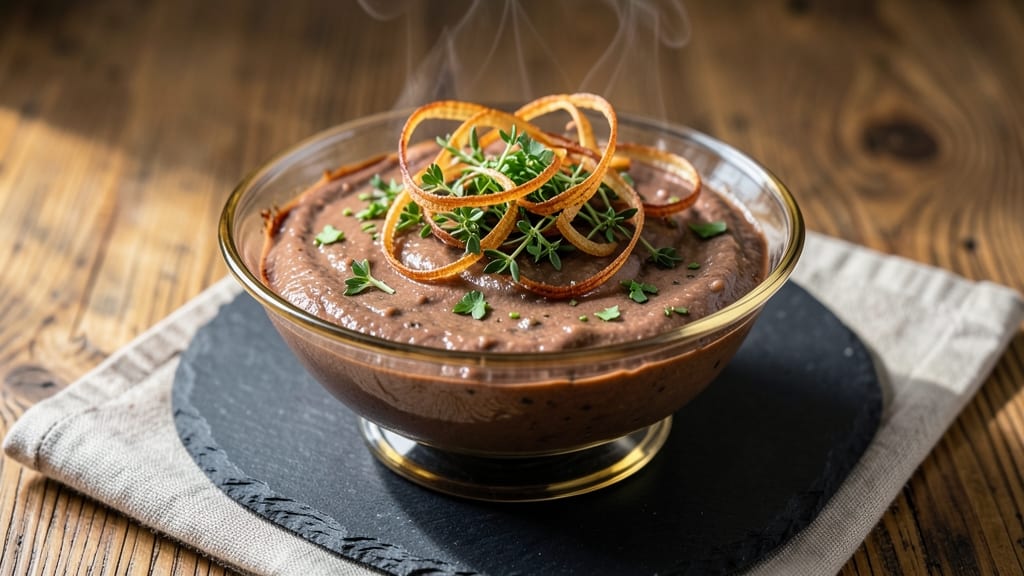
This baked chicken liver pâté delivers restaurant-quality richness with a velvety texture and bold herbal notes—perfect for elevating any gathering.
My grandmother used to make a version of this, though her recipe was written on a crumpled note card with just two words: "simmer, then bake." What she didn’t write down was the secret to achieving that silky, melt-in-your-mouth consistency, which I’ve perfected over years of testing.
The process begins with carefully rendering the livers to remove any bitterness, then blending them with butter, herbs, and a touch of wine for depth. Baking in a terrine mold ensures that signature smooth finish, while chilling transforms it into a sliceable masterpiece.
The result? A pâté that’s rich enough to stand alone but versatile enough to pair with toasted baguette, cornichons, or even a simple arugula salad.
What sets this recipe apart is the balance of tradition and simplicity—no complicated techniques, just precise methods that deliver professional results in your home kitchen. The liver pâté develops even more flavor as it rests, making it ideal for meal prep or special occasions.
Ready in about 2 hours (including chilling), this dish proves that elegant French flavors don’t require a fancy kitchen.
For those new to pâté, I’ve included tips for achieving the perfect texture and flavor, whether you’re using a traditional terrine mold or improvising with a loaf pan.
The key is patience—letting the pâté set properly ensures every slice is as impressive as the first. Let’s get started on creating something truly special.
Ingredients for baked chicken liver pate
Sixteen ingredients transform into a velvety pâté that rivals any French bistro classic.
| Ingredient | Amount | Notes |
|---|---|---|
| Chicken Livers 🍗 | 1 ½ lb | Fresh, trimmed of connective tissue |
| Unsalted Butter 🧈 | ¾ cup | Cold, cut into small cubes |
| Shallots 🧅 | ¼ cup | Finely minced, about 4 medium |
| Fresh Thyme Leaves 🌿 | ¼ cup | Stems removed, loosely packed |
| Fresh Parsley Leaves 🌿 | ¼ cup | Stems removed, loosely packed |
| Dry Red Wine 🍷 | ½ cup | Bold, like Cabernet Sauvignon |
| Heavy Cream 🥛 | ½ cup | Full-fat for richness |
| Diamond Crystal Kosher Salt 🧂 | 1 ½ tsp | For rendering and seasoning |
| Freshly Ground Black Pepper 🌶️ | ½ tsp | Cracked, not powdered |
| Nutmeg 🌿 | ¼ tsp | Freshly grated, fine |
| Cornstarch 🌾 | 1 tbsp | For binding texture |
| Cold Water 💧 | 2 tbsp | For cornstarch slurry |
| Baguette Slices 🍞 | 6 whole | For serving, toasted |
The chicken livers are the star—freshness matters most. Look for bright red, glossy livers at Whole Foods or your butcher counter. Trim any connective tissue and pat dry; this removes bitterness. Costco often carries them pre-trimmed in bulk, which saves time. Never use livers with a grayish tint or strong metallic smell—those are signs of spoilage. For the herbs, farmers markets have the most vibrant thyme and parsley, but grocery store bunches work too if they're fresh. I always double-check the stems—any brown or woody parts should be snipped off before using.
No red wine? Dry vermouth or beef broth works in a pinch, though the flavor won't be identical. The butter must be cold when cutting it into cubes—room-temperature butter will melt and create a greasy pâté. For the cornstarch slurry, arrowroot powder is a 1:1 sub if you're out, but it gives a slightly different texture. The shallots can be swapped for green onions if needed, but they add a milder, slightly sweeter note. If you're concerned about the pâté being too rich, reduce the heavy cream to one-third cup and add an extra splash of wine for balance. The nutmeg is non-negotiable—it's what gives that classic French depth.
This pâté develops flavor as it rests, so plan ahead. After baking, let it cool completely, then refrigerate for at least 4 hours before slicing. It keeps for 5 days in the fridge, wrapped tightly in plastic. For longer storage, freeze in single-serving portions for up to 3 months. The baguette slices? Toast them just before serving—warm crust, cool pâté is the perfect contrast. If you're using a loaf pan instead of a terrine, grease it thoroughly with butter to prevent sticking. The pâté will shrink slightly as it chills, so don't overfill the mold.
Why You'll Love This Recipe
- Minimal Chopping Required: I swear by this—just dice the shallots (no peeling needed if you’re in a rush) and toss in the herbs. The livers bake down smooth, so no straining or fussing with a food mill. Honestly, my hands stay cleaner than with most pâtés.
- Rich Without the Effort: That butter and thyme? They melt into the livers until it’s velvety, not greasy. The parsley brightens it just enough to balance the deep, meaty flavor—like a hug from a French bistro, but with half the steps.
- Weeknight Meal Prep Win: Make a double batch, store it in the fridge, and spread it on toast for breakfast or crackers for a snack. It’s my go-to when I’m too tired to cook but still want something impressive. (Yes, even on a Tuesday night.)
- Budget-Friendly Luxury: Chicken livers are cheaper than steak, but this tastes like you spent hours. A pound feeds four, and the leftovers keep for days—perfect for when you want to feel fancy without breaking the bank. My wallet and taste buds agree.
Step-by-step instructions for baked chicken liver pâté
Here's the method to create a velvety pâté with perfect texture and deep herbal notes.
Prepare the Chicken Livers for Rendering
Begin by trimming any connective tissue or membranes from the 1.5 lb chicken livers using a sharp knife. This ensures a silky texture rather than chewy bits. Rinse the livers thoroughly under cold water and pat them completely dry with paper towels—any moisture will prevent proper browning.
Cut the livers into ¼-inch thick slices and arrange them in a single layer on a baking sheet. Place the sheet in the refrigerator to chill for 15 minutes while you prepare the butter mixture. This step prevents the livers from cooking too quickly when they hit the hot pan.
Render the Livers and Build the Base
In a large skillet, melt 0.75 cup unsalted butter over medium-low heat. Once the butter has completely melted and begins to foam, add the chilled chicken liver slices in a single layer. Cook undisturbed for 3-4 minutes until the bottoms develop a deep golden brown crust.
Flip the livers and cook another 3-4 minutes until both sides are evenly browned and the internal temperature reaches 145°F. Remove the livers from the pan and set aside. The rendered butter in the pan should be rich and golden—this is where all the flavor lives. Pour in 0.25 cup finely minced shallots and cook for 2 minutes until softened but not colored.
Deglaze and Simmer the Herbal Wine Reduction
Add 0.5 cup dry red wine to the skillet and scrape up any browned bits from the bottom with a wooden spoon. This deglazing step captures all the concentrated liver flavor. Let the wine simmer for 3-4 minutes until reduced by half, then stir in 0.25 cup fresh thyme leaves and 0.25 cup fresh parsley leaves. Cook for another 1 minute until the herbs are fragrant but not wilted.
Remove the skillet from heat and let it cool slightly. Using an immersion blender, blend the mixture until completely smooth. This creates the velvety base for your pâté. If you don't have an immersion blender, carefully transfer the mixture to a food processor and blend until silky smooth.
Finish with Cream and Seasoning
Return the blended mixture to the skillet and stir in 0.5 cup heavy cream. Add 1.5 tsp diamond crystal kosher salt, 0.5 tsp freshly ground black pepper, and 0.25 tsp nutmeg, stirring constantly. Let the mixture simmer gently over low heat for 5-6 minutes until it thickens slightly and coats the back of a spoon.
To ensure perfect texture, whisk together 1 tbsp cornstarch and 2 tbsp cold water in a small bowl until smooth. Slowly stir this slurry into the pâté mixture while continuing to cook over low heat for 2-3 minutes until the mixture thickens to a spreadable consistency. The pâté should coat the back of a spoon but still be smooth and glossy.
Bake for Silky Perfection and Serve
Preheat your oven to 350°F. Transfer the finished pâté to a 6-inch round baking dish or individual ramekins. Bake for 10-12 minutes until the center is just set but still slightly jiggly—this ensures a creamy texture when served. Let it cool to room temperature before serving.
Toast the 6 whole baguette slices until golden and crisp. Spread a generous layer of the pâté on each slice and serve immediately. The pâté should be rich, velvety, and infused with herbal depth from the thyme and parsley. Each bite should deliver a perfect balance of earthy liver flavor, wine complexity, and creamy texture.
Pro Tips For Making Baked Chicken Liver Pate
- Trim the Gall Bladders: Chicken livers hide tiny green gall bladders—leave them in, and your pâté will turn bitter. Pinch off the greenish sac at the wider end of each liver before cooking (yes, it’s fiddly, but worth it). I used to skip this and wondered why my pâté tasted off—now I do it religiously.
- Sear Livers in Batches: Crowd them, and they’ll steam instead of brown. Use a cold pan and cook livers in single layers over medium-high heat for 2–3 minutes per side—just until they’re golden, not gray. I learned this the hard way after a batch turned out bland and undercooked.
- Pulse Shallots, Don’t Dice: Finely mincing shallots releases too much moisture, turning your pâté into mush. Use a food processor for 3–4 quick pulses instead—you want tiny specks, not paste. My grandmother swore by this, and she was right: texture matters more than you’d think.
- Chill Before Blending: Warm livers and butter blend into a greasy lump. Let the mixture cool to room temp (about 20 minutes) before pureeing—this ensures a silky, not oily, finish. I was skeptical until I tried it: the difference is noticeable, especially with fatty livers.
Perfect pairings for baked chicken liver pate
Classic Pairings
Serve this pâté with toasted baguette slices for the classic French bistro experience. The crisp, airy crust contrasts beautifully with the pâté’s velvety texture. I always toast the bread just before serving—warm crust, cool pâté is the perfect balance.
For extra flair, add a smear of Dijon mustard on the bread before spreading the pâté. 🥖
Pickled Accents
Bright, tangy cornichons or pickled onions cut through the richness of the liver. I love serving them on the side for guests to add as they like. A simple quick-pickle mix (equal parts vinegar, sugar, and salt) works in a pinch.
For a more refined touch, try pickled mustard seeds—they add a subtle crunch and depth. 🥒
Herbal Salad Contrast
A light arugula salad with lemon vinaigrette balances the pâté’s richness. Toss 4 cups baby arugula with 2 tbsp olive oil, 1 tbsp fresh lemon juice, and a pinch of salt.
Add thinly sliced radishes or shaved fennel for extra crunch. The peppery notes cleanse your palate between bites of pâté. 🥗
Cheese Board Fusion
Elevate your serving with a charcuterie-style board. Pair the pâté with aged Gruyère, smoked Gouda, and dried figs for a sweet-savory contrast. Add walnuts for crunch and honey drizzle to tie everything together. This makes the pâté feel like a centerpiece rather than just an appetizer. 🧀
Wine Pairings
A bold red wine like Cabernet Sauvignon or Syrah complements the pâté’s herbal and earthy notes. The tannins in red wine help cut through the richness. For a white option, try a dry Riesling—its acidity balances the pâté’s creaminess.
I always open the bottle 30 minutes before serving to let it breathe. 🍷
Modern Twists
For a contemporary touch, serve the pâté with crispy potato chips or pretzel crisps. The saltiness enhances the pâté’s depth, and it’s a fun way to introduce this dish to kids or casual guests. You can also pair it with grilled asparagus for a lighter, vegetable-forward option. 🌟
Nutrition facts
Frequently asked questions
Why do I need to render the chicken livers before blending?
Rendering removes bitterness and creates a rich, golden butter base that carries all the flavor. Skipping this step leaves the pâté with a metallic taste. The browning also develops deep, caramelized notes that make the final texture velvety rather than grainy.
Can I substitute duck or pork livers for chicken?
Duck livers add a richer, slightly sweeter flavor, while pork livers work well but have a milder taste. For duck, reduce the butter by 1 tbsp since they render more fat. Pork livers require slightly more cooking time (5-6 minutes per side) to fully cook through.
What if my pâté turns out too runny after baking?
This usually happens if the cornstarch slurry wasn't fully incorporated or the pâté wasn't chilled long enough. For a quick fix, spread it on toasted bread and broil for 2-3 minutes to set. For future batches, ensure the mixture coats the back of a spoon before baking and chill for at least 4 hours.
How do I store leftovers without drying them out?
Wrap the pâté tightly in plastic wrap, pressing it directly against the surface to eliminate air. Store in the fridge for up to 5 days or freeze in single portions for 3 months. Thaw overnight in the fridge—never at room temperature—to preserve texture.
Can I make this pâté ahead for a dinner party?
This is one of the best make-ahead dishes! Prepare it up to 3 days in advance and store it in the fridge. The flavors deepen as it rests, and it's perfect for serving at room temperature. Just slice it 1 hour before serving to let it soften slightly.