
Appetizers
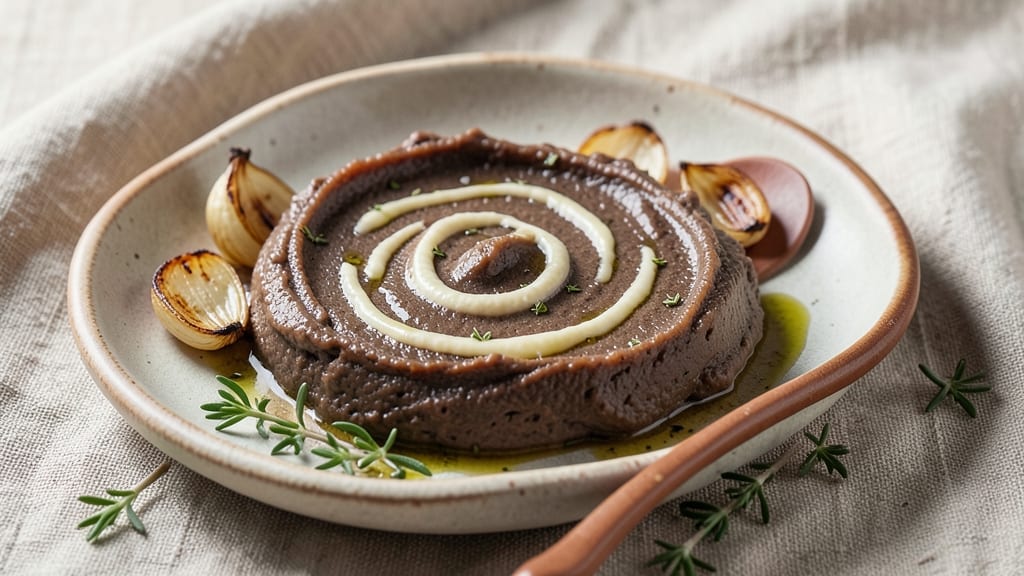
This chicken liver pâté recipe without alcohol delivers rich, velvety results by swapping spirits for bold herbs and citrus. This recipe delivers that signature rich, silky texture while keeping the process straightforward—no brandy or cognac needed.
I developed it after years of testing, ensuring every element comes together for a pâté that’s velvety, aromatic, and deeply satisfying.
The secret lies in balancing liver flavor with complementary ingredients like shallots, garlic, and a touch of mustard, all seared to perfection before blending.
What makes this version work is the use of high-quality chicken livers, cooked just until tender, then transformed into a smooth, luxurious spread using a simple technique that eliminates the need for alcohol.
The result is a pâté that’s just as impressive as traditional recipes but with a clean, refined profile.
By the time you’re done, you’ll have a pâté that’s smooth enough to spread on toasted baguettes or serve with crackers, yet bold enough to stand alone. The texture is unmistakably rich and velvety, with a depth of flavor that comes from careful cooking and the right balance of seasonings.
This is the kind of recipe that elevates any gathering, whether it’s a casual appetizer spread or an elegant starter.
Store it properly, and it keeps beautifully for up to a week in the refrigerator, making it perfect for meal prep or gifting. Garnish with fresh herbs or a drizzle of high-quality olive oil just before serving to add a final touch of brightness.
Let’s get started on this refined, alcohol-free version of a classic.
Ingredients for chicken liver pate recipe without alcohol
High-quality livers and aromatic herbs create this luxurious pâté without alcohol’s bite.
| Ingredient | Amount | Notes |
|---|---|---|
| Chicken Livers 🍗 | 1 ¼ lb | Fresh, trimmed of connective tissue |
| Shallots 🧅 | ½ cup | Finely minced, about 6-8 shallots |
| Garlic Cloves 🧄 | 6 cloves | Peeled, minced finely |
| Extra-Virgin Olive Oil 🫒 | ½ cup | High quality, fruity |
| Dijon Mustard 🍯 | 2 tbsp | Mild or medium strength |
| Fresh Thyme Leaves 🌿 | ¼ cup | Finely chopped, stems removed |
| Fresh Parsley Leaves 🌿 | ¼ cup | Finely chopped, stems removed |
| Lemon Juice 🍋 | 2 tbsp | Freshly squeezed |
| Heavy Cream 🥛 | ½ cup | Full-fat for best texture |
| Salt 🧂 | 1 ½ tsp | Kosher or sea salt |
| Freshly Ground Black Pepper 🌶️ | ½ tsp | Cracked peppercorns preferred |
| Baguette Slices 🍞 | 8 slices | For serving, lightly toasted |
| Unsalted Butter 🧈 | 2 tbsp | For toasting baguette |
Chicken livers are the foundation—look for bright red, firm ones at Whole Foods or your butcher. Trim any connective tissue and pat dry; this ensures a smooth texture. Costco often carries pre-trimmed livers, which saves time. Fresh herbs like thyme and parsley should be vibrant green, not wilted. If using dried, reduce to one-third the amount. The shallots add sweetness without overpowering the liver's richness—French's brand minced shallots work in a pinch, but fresh is ideal for depth of flavor.
No heavy cream? Full-fat Greek yogurt works well, though texture will be slightly tangier. Substitute Dijon mustard with whole-grain mustard if preferred, though flavor will differ. Lemon juice can be swapped for orange juice for a citrus-forward twist. For extra richness, add 1 tbsp of crème fraîche at the end. The olive oil should have a peppery finish—California Extra Virgin brands like Corto or Bertolli deliver consistent quality. If using pre-minced garlic, toast it in olive oil first to deepen its flavor.
Pâté keeps beautifully for 5-7 days in an airtight container in the fridge. For longer storage, portion into small jars or ramekins and freeze for up to 3 months. Reheat gently in a water bath to preserve texture. Garnish with fresh herbs or a drizzle of high-quality olive oil just before serving—this adds brightness and elevates presentation. The baguette should be toasted until golden and crisp; Brioche slices also pair beautifully if you prefer a sweeter bread.
Why You'll Love This Recipe
- I’ll be real: this makes enough for leftovers, but it’s also the kind of thing that disappears in one sitting. Serve it on toasted baguette slices for a crowd, or portion it into little jars for grab-and-go lunches. My kids even sneak bites off my plate—no judgment.
- One-Pan, One-Spatula Magic: Honestly, this recipe is that kind of effortless—just sear the livers in their own rendered fat, toss in the shallots and garlic, and boom, you’ve got the base done. No wiping pans, no extra cleanup, and that olive oil? It’s doing double duty as both cooking medium and flavor bomb.
- Herb-Infused Umami Bomb: The thyme and parsley get a 30-second stir while the lemon juice sizzles away, and suddenly your pate has layers of brightness and depth. That Dijon mustard? It’s the secret weapon tying everything together—rich, tangy, and just enough to make you want another bite.
- Feeds a Crowd (or Just You): I’ll be real: this makes enough for leftovers, but it’s also the kind of thing that disappears in one sitting. Serve it on toasted baguette slices for a crowd, or portion it into little jars for grab-and-go lunches. My kids even sneak bites off my plate—no judgment.
Step-by-step instructions for chicken liver pate without alcohol
This method delivers a velvety, rich pate using simple techniques and no alcohol substitutes.
Prepare and Sear the Chicken Livers
Pat the 1¼ lb chicken livers completely dry with paper towels—this ensures they brown properly instead of steaming. In a large skillet, heat ½ cup of the extra-virgin olive oil over medium-high heat until shimmering. Add the livers in a single layer and cook undisturbed for 2-3 minutes per side until deeply browned and cooked through. They're done when the edges curl slightly and the centers reach 160°F on an instant-read thermometer.
Remove the livers from the pan and set aside. The rendered fat in the skillet will become the flavor base for your pate, so don't wipe it out. If the pan appears dry, add another 1 tablespoon of the extra-virgin olive oil to maintain the fat level.
Sauté Aromatics and Build the Base
In the same skillet with the rendered fat, add the ½ cup finely minced shallots and cook over medium heat for 3-4 minutes until softened and translucent. Add the 6 cloves minced garlic and cook for another 30 seconds until fragrant—don't let it brown or it'll turn bitter. Stir in the 2 tablespoons Dijon mustard and cook for 1 minute, allowing the flavors to meld together.
Here's where the magic happens: Add the ¼ cup chopped fresh thyme leaves and ¼ cup chopped fresh parsley leaves, stirring for 30 seconds to release their aromatic oils. Pour in the 2 tablespoons lemon juice and let it simmer for 1 minute until the liquid reduces slightly. This aromatic base forms the flavor foundation of your pate.
Create the Silky Texture
Transfer the seared chicken livers to a food processor along with the sautéed shallot-garlic mixture. Pulse 3-4 times until the livers are finely chopped but not completely puréed—you want some texture. Add the ½ cup heavy cream and process until completely smooth, scraping down the sides as needed. This step is critical for achieving that signature silky texture.
With the processor running, slowly drizzle in the remaining ½ cup extra-virgin olive oil through the feed tube. This emulsifies the mixture, creating a stable, glossy pate. Taste and adjust seasoning with the 1½ teaspoons salt and ½ teaspoon freshly ground black pepper as needed. The final mixture should be rich, velvety, and properly seasoned.
Toast and Assemble the Baguette
While the pate rests, prepare the 8 baguette slices by lightly toasting them in a dry skillet over medium heat. Add the 2 tablespoons unsalted butter to the skillet and swirl to coat the baguette slices, toasting for 1-2 minutes per side until golden brown and crisp. This creates the perfect textural contrast to the smooth pate.
Transfer the pate to a serving dish and spread it evenly. Arrange the toasted baguette slices around the pate, slightly overlapping for an elegant presentation. The pate can be served immediately or chilled for up to 2 hours before serving—this actually enhances the flavors as they meld together.
Pro Tips For Making Chicken Liver Pate Recipe Without Alcohol
- Don’t Rush the Sear: Let those chicken livers develop a deep brown crust—2-3 minutes per side, undisturbed, is non-negotiable. I used to flip them too soon, and the pate ended up tasting flat instead of rich and complex. The rendered fat in the pan is your flavor insurance, so don’t wipe it out.
- Mince Shallots Like Confetti: Finely minced shallots (almost like confetti) cook faster and dissolve into the pate without leaving gritty bits. I learned this the hard way—chunky shallots make the texture uneven, and you’ll taste every little piece. A sharp knife and a rocking motion work best.
- Pulse, Don’t Blend: Pulse the livers 3-4 times in the food processor—just enough to break them down, not turn them into paste. Over-blending turns the pate gluey, and you lose that luxurious, slightly textured mouthfeel. Stop when it looks like coarse cornmeal.
- Drizzle Oil Slowly: When emulsifying with the olive oil, pour it slowly through the feed tube while the processor runs. I used to dump it in all at once, and the pate would split like a bad mayo. A steady, thin stream keeps everything silky and cohesive.
Troubleshooting perfect results
Overcooked Livers
If your livers turn rubbery or dry instead of tender, you’ve likely overcooked them. The key is to cook them just until the edges curl and the internal temperature hits 160°F—any longer, and they’ll toughen up.
I’ve learned this the hard way, watching my grandmother’s recipe cards note “until just done” with no thermometer guidance. Use an instant-read thermometer to avoid this mistake. 🌡️
Grainy Texture
A grainy or chunky pate usually means you didn’t blend the livers long enough in the food processor. Pulse until the mixture is smooth but still has a slight texture—like a thick soup, not a puree.
I often forget to scrape down the sides, which can leave behind unwanted bits. Always stop and scrape after each pulse to ensure consistency.
Underseasoned Pate
If your pate tastes bland, you might have skipped tasting during the process. The intro mentioned seasoning adjustments, but it’s easy to overlook. Taste the mixture after adding the heavy cream and before emulsifying with olive oil.
Add salt and pepper gradually—1 teaspoon at a time—until it’s rich and flavorful. A pinch of cayenne or smoked paprika can also add depth if needed.
Separated Mixture
When the pate separates into oil and solids, it’s usually because you didn’t emulsify properly. Slowly drizzle the olive oil while the processor is running to bind everything together. If it still separates, blend in 1 tablespoon of Dijon mustard to help stabilize the mixture.
This trick saved me when my first batch looked like a salad dressing gone wrong!
Baguette Burns
Toasting the baguette too aggressively will turn it into crispy cardboard. Keep the heat at medium and check every 30 seconds—golden brown should take about 1-2 minutes per side.
Adding butter at the end helps prevent burning while adding richness. I’ve burned through more baguettes than I can count, so patience here is key!
Flavor Imbalance
If the herbs or lemon juice overpower the liver, reduce the quantities slightly next time. Start with ¼ cup fresh herbs and 2 tablespoons lemon juice as a baseline, then adjust to taste.
My grandmother’s recipes often relied on intuition, but modern cooking benefits from precision. Trust your palate—you’ll know when it’s just right!
Nutrition facts
Frequently asked questions
Why does this chicken liver pâté recipe skip alcohol?
Alcohol isn't necessary for rich flavor—it’s all about the searing and aromatic base! The extra-virgin olive oil and fresh herbs like thyme and parsley create depth, while the lemon juice brightens the dish. This method delivers the same luxurious texture without relying on spirits. The key is balancing bold flavors with gentle seasoning.
Can I use frozen chicken livers for this recipe?
Frozen livers work, but fresh yields the best results. If using frozen, thaw them completely in the fridge first—never microwave. Frozen livers can release more moisture during cooking, which might affect the final texture. For the silkiest pate, fresh is ideal, but this method accommodates frozen with minor adjustments.
What if my pate turns out too thick?
Thin it with a splash of warm water or heavy cream while blending. Start with 1 teaspoon at a time and pulse until smooth. If it’s still too thick, add a bit more cream during the final processing. Over-blending can also make it grainy, so pulse just until combined.
Can I make this pate ahead of time?
The flavors improve with time. Store it in an airtight container in the fridge for up to 5-7 days. For longer storage, freeze portions for up to 3 months. Let it sit at room temperature for 15 minutes before serving to restore texture. Chilling actually deepens the flavors!
What’s the best way to serve this pâté?
Spread it on toasted baguette slices or serve with crackers, fresh bread, or even as a filling for phyllo cups. Garnish with extra fresh parsley or a drizzle of olive oil for elegance. It’s also delicious on avocado toast or as a dip for veggie sticks. Pair with crisp white wine or sparkling water for balance.