
Main Courses
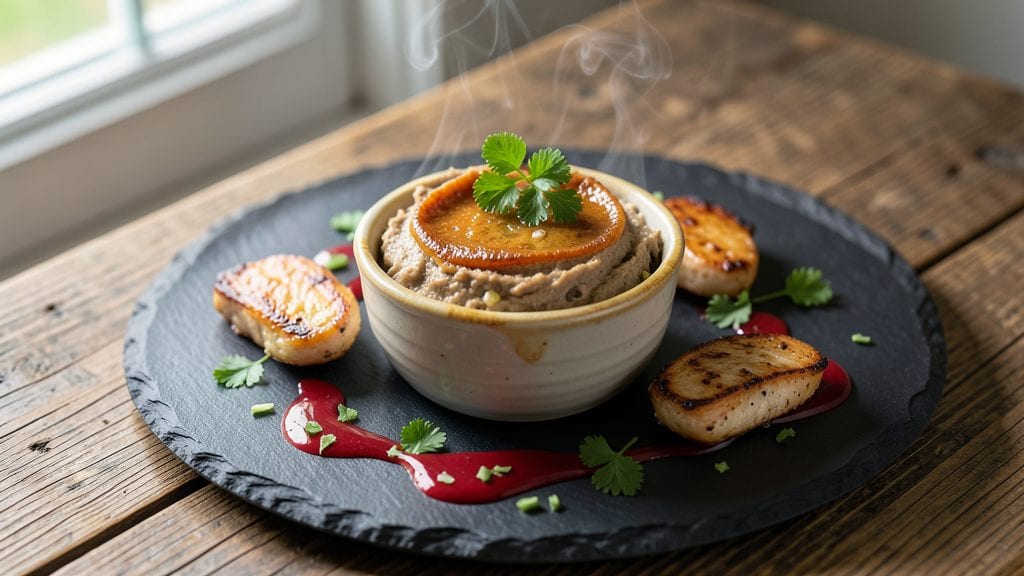
Barefoot Contessa's chicken liver pâté recipe delivers the silky, luxurious texture that makes this classic French dish irresistible—without requiring a professional kitchen. The secret lies in soaking the livers to remove bitterness and blending them with rich butter and herbs until perfectly smooth.
I’ve adapted her signature technique for home cooks, ensuring every step is approachable while preserving that restaurant-quality depth.
What sets this recipe apart is the balance of simplicity and sophistication. You’ll start with a quick soak in milk to tenderize the livers, then render butter for a velvety base before blending everything into a uniform, spreadable consistency.
The result is a pâté that’s rich, slightly sweet, and so tender it melts on the tongue—exactly as Barefoot Contessa intended but with modern shortcuts.
This isn’t just a pâté; it’s a showstopper. Served on crisp toast points or alongside roasted vegetables, it transforms any meal into an elegant affair. The key is patience in the blending process and a light hand with seasoning—too much salt can overpower the delicate flavors.
Trust the method, and you’ll achieve that perfectly smooth, velvety finish every time.
Whether you’re hosting a dinner party or treating yourself to a gourmet bite, this recipe delivers professional results with just a few essential ingredients. The best part?
Leftovers keep beautifully in the fridge for up to a week, ready to elevate any meal with minimal effort. Let’s get started on creating this timeless classic.
Ingredients for chicken liver pate recipe barefoot contessa
Twelve essential ingredients transform humble chicken livers into Barefoot Contessa's signature velvety pâté.
| Ingredient | Amount | Notes |
|---|---|---|
| Chicken Livers 🍗 | 1 ½ lb | Fresh, trimmed of connective tissue |
| Whole Milk 🥛 | 1 cup | Cold, full-fat preferred |
| Unsalted Butter 🧈 | 1 cup | European-style, 82% fat |
| Shallots 🧅 | 2 whole | Minced, fresh preferred |
| Garlic Cloves 🧄 | 2 cloves | Peeled, finely minced |
| Fresh Parsley 🌿 | ¼ cup | Flat-leaf, finely chopped |
| Fresh Tarragon 🌿 | ¼ cup | Finely chopped, stems removed |
| Diamond Crystal Kosher Salt 🧂 | ½ tsp | Fine grain preferred |
| Freshly Ground Black Pepper 🌶️ | ¼ tsp | Coarse grind preferred |
| Granulated Sugar 🍚 | 1 tsp | Fine grain preferred |
| Cognac or Brandy 🍷 | 2 tbsp | High-quality, 80-proof minimum |
| Heavy Cream 🥛 | ¼ cup | Cold, full-fat preferred |
| Cornstarch 🌾 | 1 tsp | For binding consistency |
The quality of your chicken livers makes all the difference. Freshness is critical—look for livers that are deep red and moist, not dried out or grayish. Whole Foods Market or your local butcher shop are ideal sources; ask for the livers to be trimmed of any connective tissue or membranes. If you can't find fresh, high-quality frozen livers work in a pinch, but thaw them completely in cold water before using. The milk soak isn't just for tenderness—it removes bitterness and creates that signature smoothness. Whole milk is non-negotiable here; skim or almond milk won't yield the same creamy result. For the butter, European-style unsalted (82% fat) is worth seeking out—it renders more flavorfully than standard American butter. If you're short on time, Plugrá or President butter from specialty stores delivers that rich, nutty depth.
No cognac? High-proof brandy or even apple brandy works equally well—just ensure it's at least 80-proof. Fresh herbs are ideal, but dried parsley at one-third the amount and dried tarragon can substitute if needed. The shallots and garlic should be finely minced—a food processor with a fine blade is your best friend here. If you're missing the tarragon, fresh thyme or marjoram adds a similar earthy note. For the sugar, turbinado or raw sugar adds subtle caramel notes, but granulated works perfectly fine. The cornstarch is key for achieving that luxuriously smooth texture—don't skip it, even if the recipe seems to work without it at first.
This pâté keeps beautifully in an airtight container in the refrigerator for up to 7 days, though it's best enjoyed within the first 3 days for peak freshness. For longer storage, portion into small ramekins or silicone molds—they freeze perfectly for up to 3 months. When ready to serve, bring to room temperature for 15 minutes before spreading. The texture will be slightly firmer when cold but becomes gloriously spreadable once warmed. Toast points or crusty baguette slices are traditional, but it also shines on blini, crackers, or even as a filling for crepes. Every time I make this, I find myself sneaking bites straight from the bowl—it's that good.
Why You'll Love This Recipe
- Foolproof First Timer: I’ve made this at least five times now—even my college roommate (who burned toast) nailed it. The livers just need a quick sear and simmer, no fancy knife work beyond dicing shallots.
- Rich Without Effort: That butter and milk blend creates this velvety, almost luxurious texture—like a hug in your mouth. The garlic and shallots add depth without overpowering, which is chef’s kiss for a simple spread.
- Party or Picnic Star: Slap it on crusty bread for a charcuterie board or pack it in a thermos for a picnic. It’s fancy enough for guests but so easy, you’ll make it when they’re not even looking.
- Budget Luxury Leftovers: Chicken livers are cheap, and this recipe stretches to feed four or more. Store leftovers in the fridge for up to a week—perfect for lazy mornings or last-minute sandwich fillings.
Step-by-step instructions for Barefoot Contessa's chicken liver pâté
This method delivers velvety texture and deep flavor—just as Ina Garten would serve it.
Prepare and Poach the Chicken Livers
Trim any connective tissue from the 1.5 lb chicken livers and rinse them thoroughly under cold water. This removes any blood and prepares them for even cooking. In a large skillet, melt ½ cup unsalted butter over medium heat until it foams but doesn't brown. Add the livers in a single layer and cook undisturbed for 2 minutes—this creates a light crust on the surface.
Pour in the 1 cup cold whole milk and 2 tbsp cognac or brandy, then reduce heat to low. Simmer gently for 8-10 minutes, stirring occasionally, until the livers are just cooked through and tender. They should be fully opaque with no trace of pink. Remove the livers with a slotted spoon and set aside to cool slightly. Reserve the poaching liquid for later use.
Sauté Aromatics and Build the Base
In the same skillet, increase heat to medium and add the remaining ½ cup unsalted butter. Once melted, add the 2 minced shallots and 2 minced garlic cloves, cooking for 3-4 minutes until softened but not browned. Stir in the 0.5 tsp diamond crystal kosher salt, 0.25 tsp freshly ground black pepper, and 1 tsp granulated sugar, cooking for another 1 minute to develop the flavors.
Pour in the reserved poaching liquid and simmer for 5 minutes until reduced by about half. This step intensifies the flavor and creates a rich base for the pâté. Remove from heat and let cool completely before proceeding—this prevents the butter from separating later.
Process the Pâté to Perfection
Transfer the cooled livers to a food processor along with the sautéed aromatics and reduced liquid. Pulse until finely chopped, then scrape down the sides. Add the 0.25 cup chopped fresh parsley, 0.25 cup chopped fresh tarragon, and 0.25 cup cold heavy cream. Process until completely smooth, stopping to scrape the bowl as needed. The mixture should be silky and homogeneous.
For extra richness, add the 1 tsp cornstarch and pulse briefly to incorporate. Taste and adjust seasoning—you may need a pinch more salt or pepper. The pâté should be velvety with a balanced flavor profile, not overly bitter or metallic.
Finish and Serve with Confidence
Spread the pâté into a 4-inch round ramekin or small loaf pan, smoothing the top with a spatula. Chill uncovered in the refrigerator for at least 4 hours or overnight—this allows flavors to meld and the texture to set properly. When ready to serve, garnish with a sprinkle of chopped fresh parsley and a drizzle of melted unsalted butter for added elegance.
Serve with crusty bread, crackers, or apple slices for a sophisticated appetizer. The pâté should hold its shape when sliced but remain tender and spreadable at room temperature. If it's too firm, let it sit at room temperature for 10-15 minutes before serving.
Pro Tips For Making Chicken Liver Pate Recipe Barefoot Contessa
- Trim the Fibers: Chicken livers have those tough connective strands—cut them out before cooking. I used to leave them in, and the texture was rubbery. Grab a sharp knife and slice through the white fibers like you’re opening a letter. It’s tedious but makes all the difference when blending.
- Sear in Batches: Don’t overcrowd the pan or the livers will steam instead of brown. Two minutes per side over medium-high heat—golden, not black. If you rush, you’ll end up with a gray paste instead of rich, caramelized flavor. Trust me, the sizzle is worth the wait.
- Strain the Milk: Whole milk can turn grainy when blended with raw livers. Heat it gently (just until warm) and strain it through a fine-mesh sieve before adding. I learned this after my first batch looked like cottage cheese. It’s a small step, but it keeps the texture silky.
- Blend in Stages: Start with the cooked livers and butter, then slowly add milk while pulsing. Dumping everything in at once clogs the blender and makes a mess. Pause halfway to scrape down the sides—this isn’t a smoothie, and the motor will thank you.
Storing and reheating this chicken liver pate recipe barefoot contessa
Refrigerator Storage
Store your Barefoot Contessa chicken liver pâté in an airtight container lined with plastic wrap to prevent absorption of fridge odors. The pâté keeps beautifully for up to 7 days when refrigerated at 40°F or below.
I use glass ramekins with snap-on lids—they maintain the shape perfectly and are easy to reheat. Always let it cool completely before sealing to avoid condensation, which can make the texture soggy. 💫
Freezer Preservation
For longer storage, portion the pâté into small silicone molds or ramekins (about ¼ cup each) before freezing. This prevents freezer burn and makes serving sizes convenient. Wrap each portion tightly in plastic wrap and place in a freezer bag, squeezing out excess air.
Frozen pâté maintains its quality for up to 3 months—just thaw overnight in the fridge before serving. The texture remains smooth when properly reheated. ❄️
Reheating Methods
For fridge-stored pâté, remove it from the container and transfer to a microwave-safe dish. Cover loosely with a damp paper towel and reheat on low power (50%) in 30-second intervals, stirring between each, until warmed through (165°F internal temperature).
Avoid overheating—this can make it greasy. I prefer this method for quick lunches or last-minute appetizers. 🔥
Stovetop Revival
For a more refined reheat, place the pâté in a small saucepan with 1 tablespoon heavy cream or chicken broth. Warm over low heat, stirring constantly, until just heated through (10-12 minutes).
The liquid prevents drying and adds richness. This method is ideal for serving at dinner parties—just transfer to a warmed dish and garnish with fresh herbs. 💡
Texture Recovery
If your pâté feels firm after refrigeration, let it sit at room temperature for 15-20 minutes before serving. The fat will soften naturally, restoring that luxuriously spreadable consistency. For frozen portions, thaw in the fridge overnight—never microwave directly from frozen.
This preserves the delicate balance of flavors and prevents separation. Patience here makes all the difference! ✨
Serving After Storage
Always serve pâté on room-temperature crostini, toast points, or crackers—cold bread can make it taste dull. Garnish with a sprinkle of fresh parsley or a drizzle of truffle oil to elevate the dish.
If you’ve stored it in ramekins, slice it cleanly with a hot knife (dip in hot water, wipe dry) for perfect presentation. The first bite should always feel like a restaurant-quality experience. 💛
Nutrition facts
Frequently asked questions
Why soak chicken livers in milk before cooking?
The milk soak removes bitterness and blood, creating a cleaner flavor. It also tenderizes the livers for that signature Barefoot Contessa silky texture. 1 cup cold milk works best—never warm or non-dairy substitutes.
Can I substitute brandy with something else?
Use high-proof vodka, apple brandy, or even dry sherry (2 tbsp). The alcohol cooks off but adds depth. Just ensure it's at least 80-proof to prevent a raw taste. For a non-alcoholic version, use 2 tbsp chicken broth instead.
What if my pâté turns out grainy?
Graininess usually means under-processing or cold ingredients. Pulse the mixture longer in the food processor, adding 1 tsp cornstarch if needed. Keep the heavy cream and butter cold—warm fats separate. For extra smoothness, strain through a fine-mesh sieve before chilling.
How do I serve this pâté without looking fancy?
Spread on toasted baguette slices or water crackers—no garnish needed! For a quick upgrade, sprinkle with flaky sea salt or a drizzle of honey. The rich flavor stands alone, but a simple garnish adds elegance with minimal effort.
Can I make this ahead for a dinner party?
Yes! Prepare the pâté 2 days ahead and store in ramekins. Refrigerate uncovered for 4 hours before serving to let flavors meld. Garnish with fresh herbs just before guests arrive for a restaurant-worthy presentation.