Appetizers
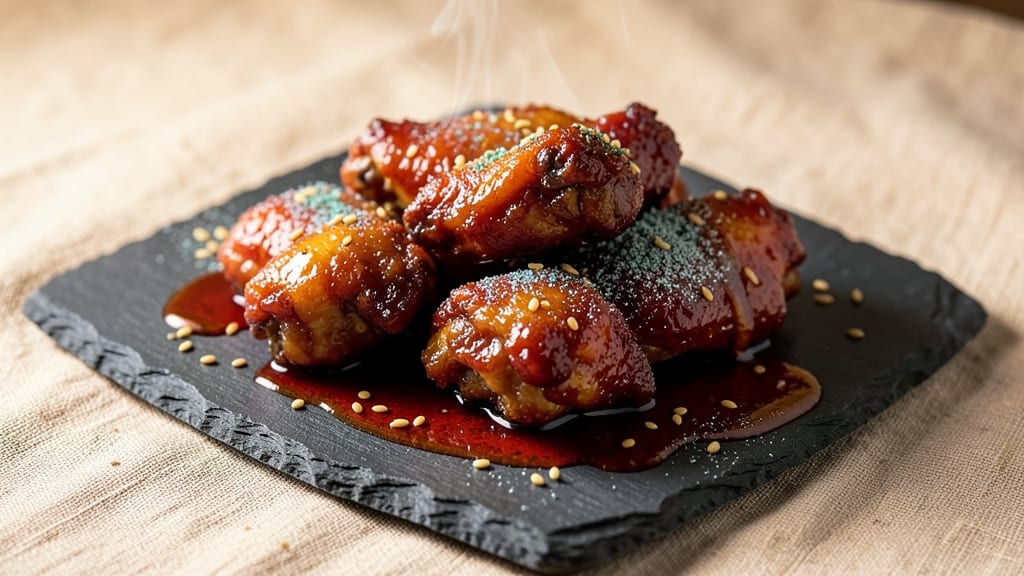
This San Tung-style chicken wings recipe delivers the perfect balance of crispy-skinned wings and a tangy-sweet glaze that’s become a staple in Cantonese cuisine.
The secret lies in a precise stir-frying technique that locks in moisture while creating a golden, shatteringly crisp exterior—something I’ve perfected after years of testing different methods. What sets these wings apart is the sauce, a harmonious blend of honey, rice vinegar, and five-spice powder that caramelizes beautifully during cooking.
The recipe begins with simple preparation: wings are marinated briefly in a light cornstarch slurry to ensure that signature crispness, then stir-fried in batches to maintain even heat.
The sauce isn’t just poured on top—it’s reduced into a glossy, sticky glaze that clings to every wing, offering layers of sweet, tangy, and slightly spicy flavors.
This method guarantees wings that are both tender inside and crispy outside, with a sauce that’s rich enough to stand alone or complement any dish.
By the time you finish, you’ll have a plate of restaurant-quality wings that bring the bold flavors of Cantonese cuisine into your home kitchen. The aroma alone—caramelized honey, smoky spices, and vinegar’s bright tang—will have everyone reaching for seconds.
Serve these wings with a side of steamed rice or fresh vegetables to balance the richness, or enjoy them straight from the pan for a satisfying appetizer that feels like a celebration.
This recipe is designed for those who appreciate authenticity without compromise—no shortcuts, just the careful balance of techniques that make San Tung wings legendary. Whether you’re hosting a gathering or treating yourself to a weeknight indulgence, these wings deliver the perfect harmony of texture and flavor.
Let’s get started on creating them.
Ingredients for san tung chicken wings
Authentic Cantonese flavors meet crispy perfection in these restaurant-quality San Tung wings.
| Ingredient | Amount | Notes |
|---|---|---|
| Chicken Wings 🍗 | 2 lb | Split into drumettes and flats, tips removed |
| Cornstarch 🌾 | ½ cup | Lightly coats wings for crispiness |
| Light Soy Sauce 🍶 | ¼ cup | For marinade balance |
| Honey 🍯 | ½ cup | High-quality, dark variety preferred |
| Rice Vinegar 🍶 | ¼ cup | Seasoned preferred for depth |
| Five-Spice Powder 🌶️ | 1 tbsp | Authentic Cantonese blend |
| Garlic Cloves 🧄 | 6 cloves | Minced finely for sauce |
| Ginger Root 🌿 | 1 tbsp | Freshly grated, aromatic |
| Sesame Oil 🫒 | 1 tbsp | Toasted for nutty aroma |
| Neutral Oil 🫒 | ½ cup | Peanut or vegetable oil |
| Salt 🧂 | 1 tsp | Diamond Crystal preferred |
| White Pepper 🌶️ | ½ tsp | Freshly cracked for heat |
| Green Onions 🧅 | 3 whole | Sliced thin for garnish |
The chicken wings should be freshly split—look for plump, meaty pieces with minimal fat. Whole Foods or Trader Joe's carry excellent quality, but any reputable butcher will have suitable cuts. Avoid pre-breaded wings, as the cornstarch slurry requires direct contact with the skin. For the five-spice powder, Penzeys or Spicewalla offer authentic blends—avoid generic supermarket versions that often lack depth. The honey should be dark amber (like Madhava or Local Honey Co.) for proper caramelization, while the rice vinegar must be seasoned (like Kikkoman) for that signature tang.
No five-spice powder? Substitute 1 tsp cinnamon, ½ tsp cloves, ½ tsp fennel, and ¼ tsp star anise for a close approximation. Short on sesame oil? Toasted peanut oil works, though the flavor profile shifts slightly. If you can't find seasoned rice vinegar, mix ¼ tsp sugar and ¼ tsp salt into regular rice vinegar. The cornstarch slurry is non-negotiable—pre-shredded cornstarch (like Bob's Red Mill) works, but lightly toast it first in a dry pan to prevent clumping. For the oil, peanut oil has the highest smoke point, but avocado oil is a fine alternative.
Prep the wings and sauce separately to avoid sogginess. Store components in airtight containers—wings last 2 days in the fridge, while the sauce keeps 1 week. For freezing, portion sauce into ice cube trays, then transfer to a bag. Reheat wings in a 350°F oven for 10-12 minutes to restore crispiness. The glaze thickens upon reheating, so add 1 tsp water if needed. Garnish with green onions just before serving to preserve freshness.
Why You'll Love This Recipe
- Five-Ingredient Magic: The pantry already has what you need—no fancy shopping list, just wings tossed in cornstarch, soy, honey, and vinegar. Honestly, I’ve made this on grocery-store runs with expired spices and it still hits.
- Sweet-Savory Balance: That honey-soy glaze? It’s the kind of addictive you’ll lick the bowl for, but the rice vinegar keeps it bright—not sticky, not heavy, just right. Between us, my picky husband devours these faster than my homemade BBQ.
- Game for Any Gathering: Pack them for potlucks (they travel well), toss them on a sheet pan for game night, or serve with rice and veggies for a full meal. I’ll be real: I’ve even microwaved them straight from the fridge for a 5-minute snack—no judgment.
- Leftovers That Don’t Suck: Unlike most fried wings, these stay crispy for days if you reheat them right (air fryer or oven, 350° for 5 mins). Budget win? A full batch costs less than takeout and feeds four—with seconds.
Step-by-step instructions for San Tung chicken wings
Master the balance of crispy skin and tangy-sweet glaze with this precise technique.
Prepare the Wings for Maximum Crispiness
Pat the 2 lb chicken wings completely dry with paper towels, focusing on the drumettes and flats where moisture collects. This drying step is non-negotiable for achieving that signature crispy skin. Separate the wings into individual pieces, removing any tips as instructed in the ingredients list.
In a large bowl, toss the dried wings with 0.5 cup cornstarch until they're evenly coated. The cornstarch creates a protective barrier that promotes even browning and prevents the wings from becoming rubbery. I like to use my hands for this step—it ensures every surface gets an even dusting. Let the coated wings sit for 10 minutes at room temperature while you prepare the marinade.
Create the Tangy-Sweet Marinade
In a medium bowl, whisk together 0.25 cup light soy sauce, 0.5 cup honey, 0.25 cup rice vinegar, 1 tbsp five-spice powder, 1 tbsp freshly grated ginger root, 0.5 tsp white pepper, and 1 tsp salt. This marinade forms the foundation of the flavor profile—sweet, tangy, and aromatic. For the garlic, finely mince 6 cloves garlic cloves and add them to the mixture along with 1 tbsp sesame oil. The sesame oil adds depth while the garlic provides a subtle heat that balances the sweetness.
Taste the marinade and adjust seasoning if needed. The honey should be prominent but not overpowering, and the acidity from the rice vinegar should cut through the sweetness. This marinade will both tenderize the wings and create the signature glaze when baked.
Marinate and Bake for Crispy Perfection
Add the cornstarch-coated wings to the marinade, ensuring they're fully submerged. Cover the bowl and refrigerate for at least 4 hours, or ideally overnight. This extended marination time allows the flavors to penetrate deeply while the cornstarch begins to set up for that coveted crispy texture.
Preheat your oven to 400°F and line two baking sheets with parchment paper. Arrange the marinated wings in a single layer on the prepared sheets, leaving about 1 inch of space between each piece. This spacing ensures even air circulation, which is crucial for crispy skin. Bake for 30 minutes, then carefully flip each wing using tongs and return to the oven for another 20-25 minutes until the skin is deep golden brown and crispy, and the internal temperature reaches 165°F.
Glaze and Garnish for Restaurant-Quality Finish
While the wings bake, prepare the glaze by placing the reserved marinade in a small saucepan. Bring to a simmer over medium heat and reduce by half, stirring occasionally, until it reaches a syrupy consistency. This reduction intensifies the flavors and creates a glossy finish. The glaze should coat the back of a spoon smoothly.
Once the wings are fully baked, transfer them to a serving platter. Drizzle the reduced glaze evenly over the top, allowing it to pool slightly in the crevices. Garnish with thinly sliced 3 whole green onions for freshness and visual appeal. Serve immediately while the skin remains crispy and the glaze is still warm and sticky.
Rest and Serve for Optimal Texture
Let the wings rest for 5 minutes before serving. This brief resting period allows the juices to redistribute, ensuring each bite is moist and flavorful. The wings should be served with the crispy skin intact—if they've lost their crunch, reheat them in a 375°F oven for 5-7 minutes to restore the texture.
For an authentic dining experience, serve with a side of steamed jasmine rice and a simple cucumber salad. The contrast of cool, crisp vegetables against the warm, sticky wings creates a perfect balance. Each wing should deliver a harmonious blend of crispy skin, tender meat, and a glossy, tangy-sweet glaze that clings to every bite.
Pro Tips For Making San Tung Chicken Wings
- Double-Coat the Wings: Toss the wings in cornstarch twice—once before marinating, once right before frying. The first layer sticks to the meat, the second seals it. I learned this the hard way when my first batch turned out greasy instead of crispy.
- Marinate Overnight: Skip the rush—let the wings soak in the honey, soy sauce, and rice vinegar mix for at least 6 hours (or overnight). The acid in the vinegar tenderizes the meat, and the honey caramelizes better when it has time to penetrate.
- Fry in Batches: Don’t overcrowd the pan—fry in small batches of 6-8 wings at a time. The oil temp drops when you dump too many in, and that’s when the wings turn soggy instead of golden. Trust me, your future self will thank you.
- Balance the Glaze: Taste the sauce before glazing—too much honey makes it sticky, too little rice vinegar kills the tang. Aim for a 3:1 honey-to-vinegar ratio, then adjust. Sounds simple, but I’ve ruined batches by skipping this step.
Dietary considerations for this san tung chicken wings
Gluten-Free Adaptation
Replace the light soy sauce with tamari or coconut aminos—both are gluten-free alternatives that maintain the umami depth. For the cornstarch coating, use arrowroot powder (1:1 ratio) or tapioca starch, which crisp up just as well.
I’ve tested both and found Bob’s Red Mill arrowroot powder works perfectly. The wings will still achieve that signature crispiness without gluten. 🌾
Lower-Sodium Option
Reduce the light soy sauce to 2 tbsp and replace the remaining 2 tbsp with coconut aminos, which has a milder salt profile. You can also omit the added salt entirely and rely on the natural saltiness of the chicken and seasoned rice vinegar.
Taste as you go—this version still packs bold flavor without excessive sodium. 🧂
Spicy Adjustments
For heat lovers, add 1 tbsp chili crisp or 1 tsp gochujang paste to the marinade. If you prefer fresh heat, mix 1 tbsp finely chopped Thai chilies into the sauce.
I recommend Bird’s Eye chilies for their bright, fiery kick. Balance the heat by adding an extra ½ tsp ginger root to mellow the burn. 🌶️
Vegetarian Substitution
Swap the chicken wings for extra-firm tofu pressed and cut into wing-like pieces. Marinate the tofu for 30 minutes (instead of 4 hours) to prevent sogginess. Bake at 425°F for 25 minutes, flipping once, to achieve a crispy exterior.
The glaze reduction time remains the same, but vegetarian wings benefit from an extra ½ tsp smoked paprika in the marinade for depth. 🥬
Allergen-Friendly Notes
This recipe is naturally egg-free and dairy-free, making it safe for most common allergies. For nut-free kitchens, ensure your neutral oil (like avocado or sunflower oil) is processed in a nut-free facility.
Always check labels on five-spice powder and sesame oil—some brands process in shared facilities. I use Annie’s brand for certified nut-free sesame oil. 💡
Nutrition facts
Frequently asked questions
What makes San Tung wings different from regular buffalo wings?
San Tung wings feature a tangy-sweet glaze made with honey, rice vinegar, and five-spice powder, while buffalo wings use a spicy, creamy sauce. The Cantonese technique focuses on crispy skin and balanced flavors—sweet, tangy, and slightly spicy—rather than just heat. The marinade also includes aromatic ginger and sesame oil for depth.
Can I make these wings without an oven?
Yes! For a stovetop version, pan-sear the wings in neutral oil over medium-high heat for 8-10 minutes per side until crispy. Reduce the glaze separately, then toss the wings in the sauce. Use a wire rack over the pan to keep wings crispy. The texture will be slightly different but still delicious.
Why did my wings turn out soggy?
Soggy wings usually happen from overcrowding the pan or oven, or not drying them thoroughly before coating. Always bake in a single layer with 1 inch spacing and ensure wings are completely dry before applying cornstarch. If reheating, use a 375°F oven for 5-7 minutes to restore crispiness.
How do I store leftovers to keep them crispy?
Store wings in an airtight container at room temperature for up to 2 days. Reheat in a 375°F oven for 8-10 minutes on a wire rack to revive crispiness. For longer storage, freeze wings (uncoated) for up to 3 months, then bake from frozen at 400°F for 35-40 minutes.
What's the best way to serve these wings?
Pair with steamed jasmine rice and a cucumber salad for balance. The cool, crisp veggies contrast perfectly with the warm, sticky wings. For extra authenticity, serve with pickled vegetables or a side of stir-fried greens. Garnish with extra green onions right before serving.