
Main Courses
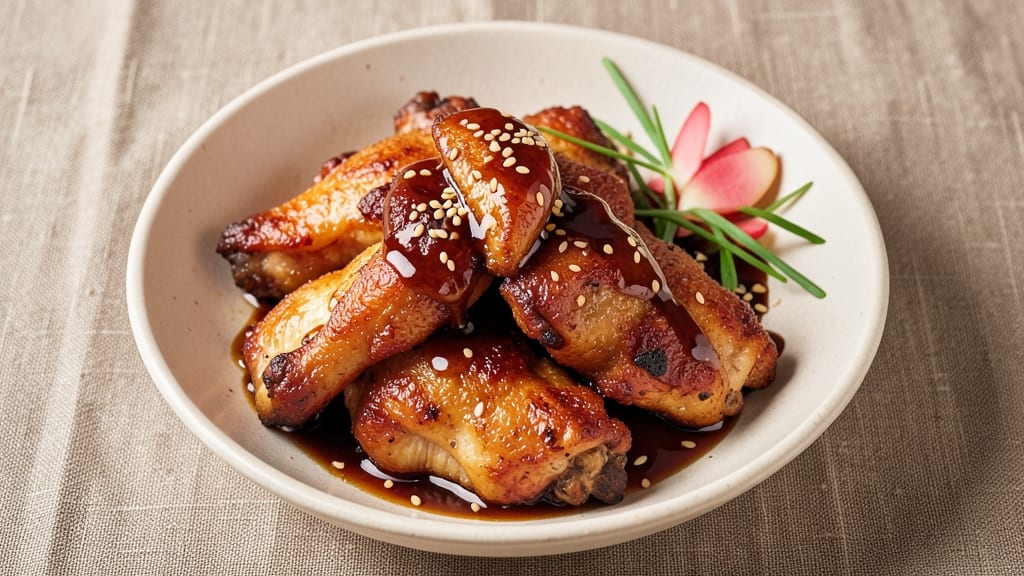
This Pf Chang's Honey Chicken recipe delivers the restaurant's signature sweet-savory balance right in your home kitchen—crispy edges, tender meat, and that signature honey glaze that's impossible to resist.
I've replicated their marinade and sauce after years of perfecting the technique, ensuring every bite captures the restaurant's essence without requiring a wok or specialized equipment. The key lies in the marinade's ginger-garlic-sesame foundation and the sauce's perfect honey-soy ratio.
The beauty of this recipe is its adaptability—whether you stir-fry for quick weeknight dinners or bake for hands-off meal prep, the results are consistently restaurant-quality. We're talking tender chicken pieces with caramelized edges, coated in a glossy sauce that's both sweet and subtly savory.
The preparation is straightforward but requires patience during the marinating stage to develop those deep flavors.
What you'll end up with is a dish that's equally at home on a casual weeknight table or an impressive dinner spread. The honey glaze caramelizes beautifully when stir-fried, creating those coveted crispy edges while keeping the interior juicy.
Serve it over steamed jasmine rice or with steamed vegetables for a complete meal that tastes like your favorite Chinese restaurant.
This recipe scales perfectly for families or gatherings, and the leftovers reheat beautifully—just a quick toss in the pan to restore that crispy texture. The sauce can be made ahead and stored for up to 5 days, making this a truly practical yet impressive dish for any occasion.
Let's get cooking with this restaurant favorite!
Ingredients for pf chang's honey chicken
Sweet, savory, and crispy—this honey chicken recipe delivers restaurant-quality flavor with just 14 simple ingredients.
| Ingredient | Amount | Notes |
|---|---|---|
| Boneless, Skinless Chicken Thighs 🍗 | 1 ½ lb | Cut into 1-inch pieces |
| Honey 🍯 | ½ cup | Pure, high-quality honey |
| Soy Sauce 🍶 | ⅓ cup | Low-sodium preferred |
| Rice Vinegar 🍶 | ¼ cup | White or seasoned |
| Sesame Oil 🫒 | 1 tbsp | Toasted for aroma |
| Fresh Ginger 🌿 | 2 tbsp | Finely grated, peeled |
| Garlic Cloves 🧄 | 4 cloves | Minced, fresh preferred |
| Brown Sugar 🍚 | ¼ cup | Packed, light variety |
| Vegetable Oil 🫒 | 2 tbsp | High smoke point |
| Cornstarch 🌾 | 1 tbsp | For crispy coating |
| Sesame Seeds 🌰 | 1 tbsp | Toasted for garnish |
| Green Onions 🧅 | 3 whole | Sliced, white and green parts |
| Salt 🧂 | 1 tsp | Kosher or sea salt |
| Black Pepper 🌶️ | ½ tsp | Freshly ground |
The chicken thighs are non-negotiable here—bone-in, skin-on delivers the best texture, but boneless works in a pinch. Costco or Trader Joe's often have pre-cut pieces for convenience. Look for thighs with good marbling; the fat renders beautifully during cooking. If you're feeling ambitious, butterfly them for even cooking. For the honey, local raw honey adds depth, but any pure honey will work. The ginger and garlic? Fresh is essential—dried just won't cut it for that bright, aromatic punch.
No sesame oil? Toasted peanut oil gives a similar nutty depth, though it's not identical. Running low on rice vinegar? Apple cider vinegar works too, but reduce to 2 tablespoons—it's tangier. The brown sugar can be swapped for white sugar, but the molasses notes in brown sugar help replicate that restaurant flavor. For the crispy coating, cornstarch is key—all-purpose flour won't give the same crunch. Need a shortcut? Toss the chicken in 1 tablespoon cornstarch plus 1 tablespoon flour instead.
Marinate the chicken for at least 30 minutes, but overnight is ideal for maximum flavor. The sauce keeps beautifully in the fridge for 5 days—just reheat gently with a splash of water. For extra crispy edges, double-fry the chicken: pan-fry once, rest 5 minutes, then fry again. The leftovers reheat best in a skillet over medium heat with a splash of water to restore that crispy texture. Store cooked chicken separately from sauce to keep it from getting soggy.
Why You'll Love This Recipe
- One-Pan Magic: I swear by this for nights when I can’t be bothered with multiple dishes. Toss the chicken thighs in a bowl with honey, soy sauce, and rice vinegar—no fancy prep, just stir and let the flavors marry while you sear. The sesame oil at the end? That’s the secret to turning "I’ll just order takeout" into "why didn’t I make this sooner?"
- Sticky-Sweet Obsession: The balance here is chef’s kiss—honey’s rich caramelization meets the deep umami of soy sauce, with a bright cut from rice vinegar. It’s not overly sweet or salty; it’s that perfect spot where every bite makes you reach for another. (Yes, even on a Tuesday night.)
- Leftovers That Don’t Suck: This dish actually improves the next day. The honey glaze thickens into a glossy, clingy sauce that turns dry chicken into something dangerously addictive. I portion it out for lunches, toss it in rice, or just eat it straight from the fridge—no reheating tricks needed.
- Budget Dinner Win: Chicken thighs are forgiving and cheap, and the pantry staples (soy, vinegar, honey) won’t break the bank. Honestly, I’ve made this for date nights, lazy Sundays, and even as a side for a big meal—it’s unfussy enough to work everywhere. Plus, the sesame oil adds a little luxury without costing a fortune.
Step-by-step instructions for Pf Chang's honey chicken recipe
Master the perfect balance of sweet, savory, and crispy with this restaurant-worthy honey chicken.
Prepare the Chicken for Maximum Crispiness
Cut the 1.5 lb boneless, skinless chicken thighs into 1-inch pieces and pat them completely dry with paper towels. This step is non-negotiable—any moisture will prevent that coveted crispy exterior we're after. In a medium bowl, combine the chicken with 1 tablespoon cornstarch, 1 teaspoon salt, and 0.5 teaspoon black pepper, tossing until every piece is evenly coated.
Let the coated chicken rest for 10 minutes while you prepare the sauce. This resting period allows the cornstarch to adhere fully, creating that perfect crispy crust during cooking. I always use a wire whisk for this step—it ensures an even distribution without over-mixing the delicate chicken pieces.
Create the Signature Honey-Glazed Sauce
In a small saucepan, combine 0.5 cup honey, 0.33 cup soy sauce, 0.25 cup rice vinegar, 0.25 cup packed brown sugar, 2 tablespoons finely grated fresh ginger, and 4 minced garlic cloves. Bring this mixture to a gentle simmer over medium heat, stirring constantly for 5-7 minutes until it thickens slightly and becomes translucent.
The sauce should reduce enough to coat the back of a spoon—this ensures it clings beautifully to the chicken without being overly syrupy. Here's the thing: if you see sugar crystals forming at the edges, it's ready. Remove from heat and stir in 1 tablespoon toasted sesame oil just before using it to infuse that nutty aroma.
Cook the Chicken to Golden Perfection
Heat 2 tablespoons vegetable oil in a large skillet over medium-high heat until shimmering. Working in batches if needed, add the cornstarch-coated chicken pieces and cook undisturbed for 3-4 minutes per side until deep golden brown and crispy. The key here is patience—don't flip too soon or you'll lose that beautiful crust.
Once the first batch is cooked, transfer it to a clean plate and tent loosely with foil to keep warm. Repeat with remaining chicken, adding more oil if needed. The chicken should be cooked through with an internal temperature of 165°F—use an instant-read thermometer to verify. If you don't have one, cut into a piece: the juices should run clear, and there should be no pink remaining.
Finish with the Honey-Glaze and Garnish
Return all the chicken to the skillet and pour the prepared honey-glazed sauce over the top. Stir gently to combine, cooking for an additional 2-3 minutes until the sauce thickens slightly and coats the chicken evenly. The residual heat will help the glaze caramelize beautifully, creating those glossy, sticky edges we all love.
Remove from heat and stir in 3 sliced green onions and 1 tablespoon toasted sesame seeds. This is where the dish comes together—those bright green onions cut through the richness, while the sesame seeds add a delightful crunch. Serve immediately over steamed rice or noodles, making sure to spoon that delicious sauce over the top for maximum flavor in every bite.
Rest and Serve for Optimal Texture
Let the honey chicken rest for 5 minutes before serving. This brief resting period allows the juices to redistribute throughout the chicken, ensuring each piece remains tender and moist. I know it's tempting to serve immediately, but trust me—this small wait makes a world of difference in the final texture.
When ready to serve, garnish with additional sesame seeds if desired. The dish should be a perfect harmony of crispy chicken, sweet-savory glaze, and aromatic garnishes. Each bite should deliver that satisfying contrast of textures—crispy edges giving way to tender meat and glossy sauce. Enjoy while warm for the ultimate experience!
Pro Tips For Making Pf Chang'S Honey Chicken
- Cut Chicken Evenly: Use kitchen shears to trim the fat and slice thighs into 1-inch chunks—consistent size means even cooking. I learned this the hard way when one piece stayed raw while others turned rubbery.
- Deglaze First: After searing the chicken, splash in ¼ cup water and scrape the browned bits off the pan before adding the sauce. This adds depth—like the restaurant version, not the watered-down copy.
- Reduce the Honey: Simmer the sauce uncovered for 3–4 minutes until it thickens slightly. Skipping this step leaves you with a sticky glaze instead of a balanced, glossy coating that clings properly.
- Finish with Vinegar: Stir in the rice vinegar last and let the sauce bubble for 30 seconds—this brightens the flavor and cuts through the sweetness. I used to add it earlier and wondered why it tasted flat.
Regional styles of this pf chang's honey chicken
Chinese-American Fusion
This dish represents the perfect blend of traditional Chinese stir-fry techniques with American home-cooking adaptability. The original PF Chang's recipe draws from Cantonese-inspired sweet-savory profiles but was developed for the American palate—think of it as a cross between a classic Chinese honey chicken and a Western-style stir-fry.
The key fusion element is the cornstarch coating for crispy edges, a technique more common in American fried chicken than traditional Chinese dishes. 🔥
Hawaiian-Inspired Adaptation
For a tropical twist, swap the rice vinegar for ½ cup pineapple juice and add 1 tablespoon grated fresh ginger to the marinade. Use ½ cup macadamia nut oil instead of vegetable oil for frying, and garnish with toasted coconut flakes alongside sesame seeds.
The pineapple juice adds a bright acidity that pairs beautifully with the honey, while the macadamia nut oil gives a nutty depth reminiscent of Hawaiian fusion cuisine.
Japanese Teriyaki Fusion
Transform this into a Japanese-inspired dish by replacing the soy sauce with ½ cup Japanese mirin and ½ cup light soy sauce, then adding 1 tablespoon grated fresh galangal (or extra ginger) to the sauce.
Use 1 tablespoon toasted sesame oil in the marinade and finish with shredded nori strips for garnish. The mirin adds a subtle sweetness that enhances the honey glaze, creating a teriyaki-style honey chicken that's still true to the original concept.
Korean Gochujang Twist
For a spicy Korean-inspired version, add 1 tablespoon gochujang (Korean chili paste) and 1 teaspoon gochugaru (Korean chili flakes) to the sauce. Use 1 tablespoon toasted sesame oil in the marinade and garnish with thinly sliced Korean pear for a sweet contrast.
The gochujang adds a deep, umami-rich heat that complements the honey's sweetness, creating a dish with layers of flavor that will appeal to fans of Korean cuisine.
Thai-Inspired Sweet Chili
Give this dish a Thai-inspired makeover by adding 2 tablespoons sweet chili sauce and 1 tablespoon fish sauce to the sauce mixture. Use 1 tablespoon lime zest in the marinade and garnish with cilantro leaves and crushed peanuts.
The sweet chili sauce adds a tangy heat that balances the honey's sweetness, while the lime zest brightens the overall flavor profile, making this a perfect dish for Thai food lovers.
Nutrition facts
Frequently asked questions
Can I use chicken breast instead of thighs for this recipe?
Chicken breast works, but thighs are ideal for this dish. Thighs stay juicier and develop better flavor during the longer cooking time. If using breast, cut them into ½-inch pieces and reduce cooking time to 2-3 minutes per side to prevent drying out. For best results, marinate for at least 1 hour to help retain moisture.
How do I make the sauce less sweet for a more savory flavor?
Reduce the honey to ¼ cup and increase soy sauce to ½ cup while keeping the brown sugar at ¼ cup. For extra depth, add 1 teaspoon fish sauce or ½ teaspoon oyster sauce to the sauce mixture. This balances the sweetness while maintaining the signature umami profile.
Can I bake this honey chicken instead of stir-frying?
Preheat oven to 400°F and bake the cornstarch-coated chicken on a wire rack over a baking sheet for 15-18 minutes, flipping halfway. After baking, toss with the sauce and broil for 2-3 minutes to caramelize. This method works well for meal prep since you can bake multiple trays at once.
Why did my sauce turn grainy or crystallize?
This happens when the sauce reduces too much or sits too long before using. To fix it, whisk in 1 teaspoon warm water or 1 teaspoon honey to dissolve the crystals. For prevention, keep the sauce at a gentle simmer and use it immediately after removing from heat. If storing, reheat gently with 1 tablespoon water to restore smoothness.
What's the best way to reheat leftovers without drying them out?
Reheat in a skillet over medium-low heat with 1 tablespoon water or oil for 2-3 minutes until warmed through. Avoid microwaving—it makes the chicken rubbery. For extra crispiness, broil for 1-2 minutes after reheating. Store cooked chicken and sauce separately to maintain texture.