
Sauces & Condiments
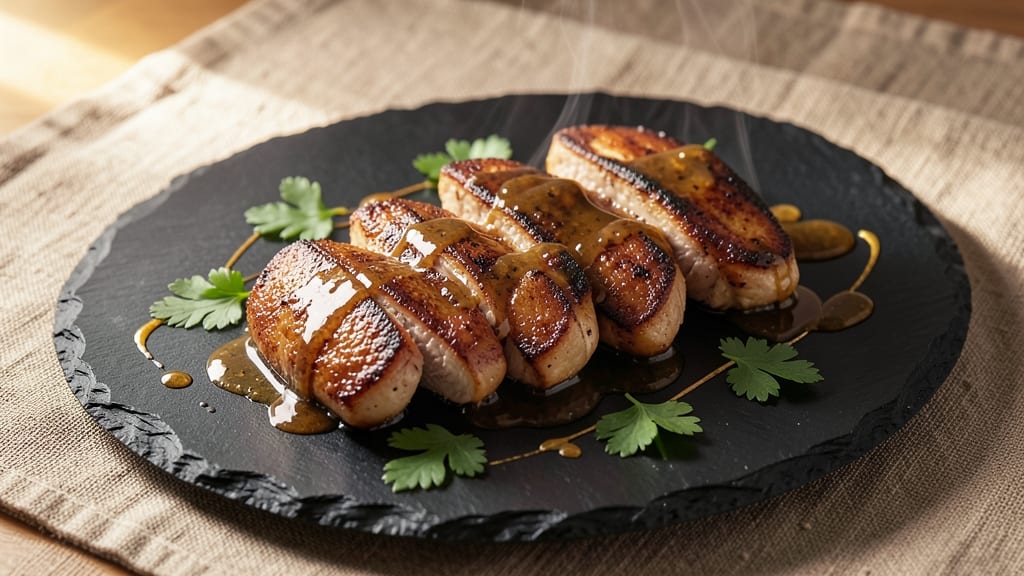
Chicken liver with oyster sauce transforms a humble ingredient into a restaurant-worthy dish that delivers deep umami flavor in every bite. The key lies in quick pan-searing to achieve a perfect medium-rare texture while maintaining that rich, velvety consistency—no tough, rubbery results here.
I’ve refined this technique over years of testing, balancing traditional methods with modern plating ideas that elevate the dish from simple recipe to standout centerpiece.
What sets this recipe apart is the sauce—a velvety oyster sauce reduction that clings to the tender livers, amplifying their natural richness without overpowering it.
The process is straightforward but precise: sear the livers in a hot pan, deglaze with a splash of sherry, then finish with the sauce for a glossy, flavorful coating. This method ensures you’ll achieve professional-quality results every time, with minimal effort and maximum impact.
The final dish delivers perfectly seared chicken livers with a glossy oyster sauce glaze that’s both elegant and deeply satisfying. The sauce’s umami depth complements the liver’s natural earthiness, creating a harmonious balance of flavors.
Serve with steamed jasmine rice or buttery mashed potatoes to soak up every last drop of that luxurious sauce.
This recipe isn’t just about technique—it’s about presentation too. Garnish with fresh parsley or a drizzle of sesame oil for a touch of sophistication, and you’ll have a dish that’s perfect for impressing guests or treating yourself to something truly special.
The best part? It comes together in under 20 minutes, making it ideal for weeknight dinners that feel like a celebration.
Ingredients for chicken liver with oyster sauce
Twelve ingredients, one showstopper dish—this umami-packed recipe turns humble livers into restaurant-quality bites.
| Ingredient | Amount | Notes |
|---|---|---|
| Fresh Chicken Livers 🍗 | 1 lb | Trimmed of connective tissue |
| Oyster Sauce 🍜 | ½ cup | High-quality, thick variety |
| Dry Sherry 🍷 | 2 tbsp | Amontillado preferred |
| Extra-Virgin Olive Oil 🫒 | 2 tbsp | High heat tolerance |
| Fresh Parsley 🌿 | ¼ cup | Chopped, for garnish |
| Sesame Oil 🫒 | 1 tsp | Toasted, for finishing |
| Garlic Cloves 🧄 | 2 cloves | Minced, for deglazing |
| Shallots 🧅 | 2 whole | Thinly sliced, for aroma |
| Salt 🧂 | ½ tsp | Kosher or sea salt |
| Black Pepper 🌶️ | ¼ tsp | Freshly cracked |
| Unsalted Butter 🧈 | 1 tbsp | Cold, for finishing |
| Jasmine Rice 🍚 | 1 cup | Uncooked, for serving |
The chicken livers are the star, so trim every last bit of connective tissue—that’s what makes the difference between tender and chewy. Grab them from the butcher counter if possible, not the pre-packaged ones in the fridge. They should be bright red, not grayish or slimy. Costco often has them in bulk at a great price, but the regular grocery store butcher section works too. If they’re not perfectly fresh, soak them in cold milk for 10 minutes to remove any bloodline bitterness. Trust me, it’s worth the extra step for that velvety texture.
No oyster sauce? Soy sauce plus a splash of fish sauce gets you close, but it won’t have that same luxurious depth. The sherry is non-negotiable—Amontillado adds a nutty richness, but any dry sherry works. Short on shallots? Extra garlic works in a pinch. The parsley is just for garnish, so dried works if you’re in a bind, but fresh is always better. For the sesame oil, grab the toasted kind—Trader Joe’s has it for a steal. And if you’re feeling fancy, a pinch of white pepper instead of black adds a sophisticated twist.
Livers cook in a flash—5-6 minutes max—so keep them cold until you’re ready to sear. The sauce reduces fast too, so don’t walk away. Store any leftovers in an airtight container for 1 day max—they won’t reheat as beautifully. The rice? Cook it ahead and keep it warm—jasmine rice is the only way to go here. This dish is all about presentation, so portion the rice and livers separately and assemble just before serving. Worth every minute of prep for that wow factor.
Why You'll Love This Recipe
- One-Pan Magic: I swear by this recipe when I’m too tired to scrub a million dishes—just sear the livers in olive oil, deglaze with sherry, and toss in that oyster sauce. The pan’s done before the kids even ask what’s for dinner.
- Umami Bomb: That oyster sauce? It’s the secret weapon—deep, salty, slightly sweet, and it clings to the livers like a hug. Add a splash of sherry, and suddenly you’ve got restaurant-quality richness without the fuss.
- Weeknight to Weekend: Make a double batch on Sunday, and you’ve got a protein powerhouse for lunches, stir-fries, or even stuffed into pasta. (Yes, even on a Tuesday night.) The leftovers reheat like a dream—just a quick sizzle in the pan.
- Budget Chef’s Secret: Chicken livers are the most underrated bargain in the meat aisle, and this recipe turns them into something luxurious. A bottle of oyster sauce lasts forever, and you’ll use it up before you know it—trust me, I’ve tried.
Step-by-step instructions for chicken liver with oyster sauce
This umami-packed dish transforms simple chicken livers into a restaurant-worthy creation with just a few key techniques.
Prepare the Chicken Livers for Perfect Texture
Rinse the 1 lb fresh chicken livers under cold water and pat them completely dry with paper towels. This step is crucial—any moisture left on the livers will prevent them from searing properly. Trim away any connective tissue or silverskin using a sharp knife, as these can make the livers tough when cooked.
Place the cleaned livers in a bowl and season generously with the 0.5 tsp salt and 0.25 tsp black pepper. Gently toss to coat evenly. Let them sit at room temperature for about 15 minutes before cooking—this ensures even cooking throughout. Here's the thing: cold livers release too much moisture when they hit the pan, which can cause them to steam instead of sear.
Sear the Livers Until Golden and Cooked Through
Heat 1 tablespoon of the 2 tbsp extra-virgin olive oil in a large skillet over medium-high heat until shimmering. Add half of the seasoned chicken livers in a single layer, leaving space between each piece. Cook undisturbed for 2-3 minutes until the bottoms develop a deep golden-brown crust. You'll see the edges curl slightly—that's your signal to flip.
Flip the livers and cook for another 2-3 minutes until they reach an internal temperature of 145°F. They should be golden-brown on both sides and cooked through. Remove the livers from the pan and set them aside on a warm plate. Repeat the process with the remaining livers, adding more olive oil if needed. Don't overcrowd the pan—this keeps the heat consistent and prevents steaming.
Build the Umami-Packed Oyster Sauce
In the same skillet, reduce the heat to medium and add the 2 whole shallots and 2 cloves garlic. Cook for 2-3 minutes until the shallots soften and turn translucent. Here's where the magic happens: pour in the 2 tbsp dry sherry and let it simmer for 1 minute until mostly evaporated.
Add the 0.5 cup oyster sauce and bring to a gentle simmer. Let it cook for 3-4 minutes until the sauce thickens slightly and coats the back of a spoon. This reduction concentrates the flavors and creates that signature glossy finish. Taste and adjust seasoning if needed—you might want to add a pinch more salt to balance the sweetness of the oyster sauce.
Finish with Butter and Garnish for Richness
Return the cooked chicken livers to the skillet and spoon the oyster sauce mixture over them. Add the 1 tbsp cold unsalted butter and toss everything together for 1-2 minutes until the butter melts and coats the livers. The butter adds a luxurious richness that balances the umami depth of the oyster sauce.
Remove from heat and stir in the 1 tsp sesame oil and 0.25 cup chopped fresh parsley. The sesame oil adds a nutty aroma that complements the dish perfectly, while the parsley provides a fresh contrast. Serve immediately over the 1 cup cooked jasmine rice, spooning the livers and sauce generously over each portion. The rice soaks up all that delicious sauce, making every bite even more flavorful.
Pro Tips For Making Chicken Liver With Oyster Sauce
- CUT LIVERS IN HALF: Chicken livers cook unevenly—thick edges stay tough while the center turns to mush. Halve them lengthwise before searing so they cook in 2-3 minutes flat. No need to fuss with trimming the connective tissue; it’ll render down into the pan.
- SALT THE LIVERS FIRST: I learned this the hard way—salting after searing means the seasoning gets trapped in the crust. Wet the livers with a pinch of salt, let them sit 10 minutes, then pat dry. The salt draws out moisture, ensuring a proper crust and even cooking.
- DEGLAZE WITH SHERRY: That fond sticking to your pan isn’t just flavor—it’s the base of your sauce. After searing, splash in 2 tablespoons dry sherry and let it bubble for 30 seconds. The alcohol burns off, leaving behind a deeper, richer umami kick that cuts through the richness of the oyster sauce.
- FINISH WITH PARSLEY LATE: Parsley wilts faster than you’d think, especially when tossed with hot oil. Wait until the very end—after the livers hit the plate—to sprinkle it on. This keeps the leaves bright and vibrant, adding a fresh contrast to the glossy, caramelized sauce.
Pro cooking tips for perfect results
Pan-Searing Perfection
Chicken livers cook in a flash—5-6 minutes total—so timing is everything. Heat your skillet to medium-high heat until oil shimmers like a lake at dawn. I use a 12-inch cast-iron skillet (like my Lodge classic) because it retains heat perfectly.
Add the livers in a single layer with space between them—this prevents steaming and ensures a proper sear. 🔥
Flip only once, after 2-3 minutes when the edges start to curl. Overcrowding the pan is the fastest way to ruin this dish—keep batches small. The livers should reach 145°F internal temperature and have a deep golden crust.
If they’re still pink inside, they need more time. Trust your thermometer, not just the color.
Sherry Deglaze Magic
The sherry isn’t just flavor—it’s the secret to that glossy finish. After removing the livers, immediately add the 2 tbsp dry sherry to the hot pan. Let it bubble for 1 minute until it’s nearly evaporated.
This step removes any burnt bits and adds nutty depth that cuts through the richness of the oyster sauce. 🍷
Don’t skip this step! The sherry also helps emulsify the sauce later, creating that silky texture. If you’re avoiding alcohol, substitute with 2 tbsp chicken stock—it won’t be identical, but it’ll work in a pinch. The key is to deglaze immediately after searing while the pan is still hot.
Sauce Reduction Technique
Oyster sauce reduces quickly—3-4 minutes max—so stay attentive. After adding the ½ cup oyster sauce, bring it to a gentle simmer and let it thicken until it coats the back of a spoon.
This concentrated sauce is what makes the dish sing. I like to stir constantly with a silicon spatula—it won’t scratch my pan like metal would.
The sauce should be glossy but not syrupy. If it’s too thin, simmer longer. If it’s too thick, add 1 tsp water to loosen it. Taste as you go—you might need a pinch more salt to balance the sweetness. The sauce should be rich but not cloying.
Butter Finish Trick
The cold butter at the end isn’t just for flavor—it’s a temperature shock that prevents the livers from overcooking while adding luxurious richness. Add the 1 tbsp cold butter and toss immediately. The butter should melt in 30 seconds—if it takes longer, your pan isn’t hot enough.
This final step creates that signature restaurant-quality sheen. The butter also helps distribute the sauce evenly. For extra elegance, finish with a drizzle of sesame oil and a sprinkle of toasted sesame seeds—it adds visual contrast and nutty aroma that elevates the dish instantly. ✨
Nutrition facts
Frequently asked questions
Can I substitute oyster sauce with something else?
Yes! For a similar umami depth, mix ¼ cup soy sauce with 1 tbsp fish sauce and 1 tsp brown sugar. This combo mimics the saltiness and richness, though it won't be identical. If you're avoiding umami entirely, a reduction of ½ cup chicken stock with 1 tbsp honey works as a neutral base.
How do I prevent chicken livers from turning rubbery?
Never overcook them! The livers should reach 145°F internal temperature and stay medium-rare—they’ll continue cooking slightly off the heat. Use a meat thermometer for accuracy. Also, pat them completely dry before searing and avoid overcrowding the pan to prevent steaming.
What’s the best way to store leftover chicken liver with oyster sauce?
Store in an airtight container in the fridge for 1 day max. Reheat gently in a skillet over low heat with a splash of water to prevent drying out. For longer storage, freeze the cooked livers (without sauce) for up to 3 months—thaw overnight in the fridge before reheating.
Can I make this dish ahead of time?
Partial prep works best! Clean and trim the livers up to 1 day ahead, then refrigerate in an airtight container. Cook the sauce separately and reheat it just before serving. The livers taste best fresh, but you can sear them ahead and reheat in the sauce for 1-2 minutes to restore crispiness.
What sides pair best with this dish?
Jasmine rice or buttery mashed potatoes are classic choices, but don’t overlook steamed bok choy or sautéed green beans for freshness. For a heartier meal, serve with crispy roasted potatoes or a simple arugula salad with lemon vinaigrette to cut through the richness.