
Main Courses
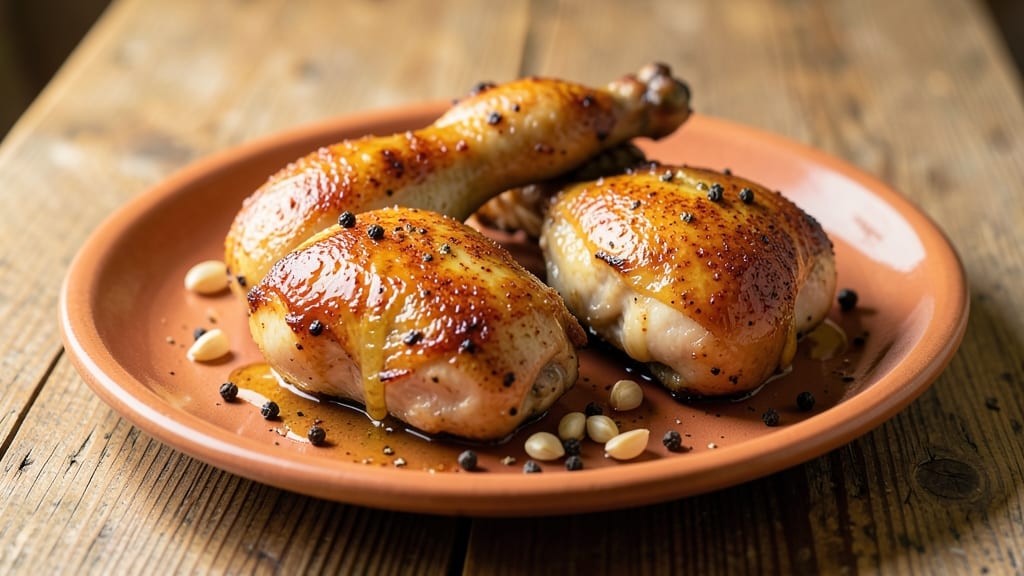
This oven roasted chicken legs and thighs recipe delivers juicy dark meat with crispy skin—the kind of result that turns a simple weeknight dinner into a showstopper.
Growing up in small-town Georgia, I learned that slow-roasted chicken legs were the centerpiece of every family gathering, their rich flavor and tender texture making them unforgettable. The secret lies in precise seasoning and controlled oven heat, ensuring every bite is perfectly balanced between crispy exterior and succulent interior.
This recipe relies on a foolproof method that requires just five key ingredients and about an hour of hands-off time in the oven. I prefer using bone-in, skin-on thighs and drumsticks for maximum flavor, as the bones infuse the meat with depth while the skin crisps beautifully.
A simple dry rub of salt, pepper, and smoked paprika forms the flavor foundation, while basting with melted butter halfway through ensures that golden-brown crust we all crave.
By the time these chicken legs emerge from the oven, you’ll have restaurant-quality results that pair perfectly with roasted vegetables, mashed potatoes, or a fresh green salad. The crispy skin gives way to tender, flavorful meat that falls off the bone effortlessly—a testament to the power of patience and technique.
Whether you're feeding a family or hosting a dinner party, this method delivers consistent, impressive results every time.
For those who love leftovers, these roasted chicken legs reheat beautifully and taste even better the next day. The crispy skin stays intact, and the meat remains moist and flavorful.
Serve with your favorite sides or transform them into sandwiches for an easy lunch the following day. Let’s get started on creating your perfect roasted chicken legs and thighs.
Ingredients for oven roasted chicken legs and thighs
Five simple ingredients transform ordinary chicken into restaurant-quality crispy, juicy perfection.
| Ingredient | Amount | Notes |
|---|---|---|
| Chicken Legs and Thighs 🍗 | 2 ½ lb | Bone-in, skin-on, drumsticks included |
| Unsalted Butter 🧈 | ½ cup | Melted for basting, full-fat preferred |
| Smoked Paprika 🌶️ | 1 tbsp | For deep, smoky flavor |
| Kosher Salt 🧂 | 1 ½ tsp | Coarse grain preferred for even coating |
| Freshly Ground Black Pepper 🌶️ | ½ tsp | Freshly cracked for best flavor |
| Garlic Cloves 🧄 | 3 cloves | Minced for dry rub option |
| Olive Oil 🫒 | 1 tbsp | For oiling the baking sheet |
| Fresh Rosemary 🌿 | ¼ cup | Chopped, optional for extra aroma |
The chicken is everything here. Bone-in, skin-on thighs and drumsticks deliver maximum flavor—the bones infuse the meat while the skin crisps to golden perfection. Local butchers often have the best cuts, but grocery store chicken works too if you check for plump, firm pieces with minimal bruising. I usually grab mine from Costco when I'm doing a big batch, but regular supermarket chicken is fine for a weeknight. The key is room-temperature chicken—take it out of the fridge 30 minutes before cooking so it cooks evenly. If you're feeling fancy, ask your butcher to trim excess fat, but I leave it on for extra flavor.
No smoked paprika? Regular paprika plus a pinch of cayenne works in a pinch. Fresh rosemary? Dried works at one-third the amount, but honestly, skip it if you don't have it—this recipe is already foolproof. The butter matters here—full-fat is non-negotiable for that rich flavor. If you're watching calories, use half butter and half olive oil for basting. The garlic is optional but adds a nice depth—just minced, no need to sauté it. For extra crispiness, pat the chicken completely dry with paper towels before seasoning. And trust me, don't skip the basting halfway through—it's what makes the skin crispy.
These reheat like a dream—4-5 days in the fridge or 3 months frozen. I always make a double batch because leftovers taste even better the next day. For freezing, wrap each piece individually in foil before bagging. To reheat, 400°F for 15 minutes until crispy again. The skin stays intact if you reheat carefully. Store-bought chicken? Use within 2 days for best texture. If you're prepping ahead, season the chicken the night before and refrigerate uncovered—helps the skin crisp better.
Why You'll Love This Recipe
- No-Fuss Prep: I swear by this method—just pat the skin dry, rub in butter, smoked paprika, and salt, then toss them on a sheet pan. No brining, no basting, no stress. The thighs stay juicy while the skin gets that perfect crisp without any extra work.
- Smoky, Buttery Magic: Between us, the smoked paprika and melted butter on those thighs? It’s like a flavor upgrade without trying. That deep, slightly charred edge with the creamy, savory center? My family fights over the last piece.
- Weeknight to Party Fix: Throw these on at lunch, and they’re ready by dinner—no one will guess they’re the same recipe I served at my cousin’s wedding. Serve with roasted potatoes or a simple salad, and you’ve got a meal that works for Tuesdays or guests.
- Budget-Friendly Leftovers: Chicken thighs are my wallet’s best friend, and this recipe makes enough for three meals. Reheat them in the oven or air fryer, and they taste just as good the second time—no sad, dry leftovers here.
Step-by-step instructions for juicy roasted chicken legs and thighs
Here's how to achieve perfectly crispy skin and impossibly tender dark meat every time.
Prep the Chicken for Maximum Flavor and Crisp
Pat the chicken legs and thighs completely dry with paper towels—this is non-negotiable for crispy skin. I mean really dry, especially under the skin where moisture hides. Remove any excess fat from the thighs but leave about ¼ inch on the drumsticks for flavor and moisture.
In a small bowl, mix together the 0.5 cup unsalted butter, 1 tablespoon smoked paprika, 1.5 teaspoons kosher salt, and 0.5 teaspoon freshly ground black pepper. This is your dry rub—don't skip the pepper, it's what makes the skin crackle. Gently press the spice mixture all over the chicken, including inside the cavity if you're roasting whole pieces.
Create the Perfect Roasting Environment
Preheat your oven to 425°F—this high temperature is key for crispy skin. While it's heating, place a wire rack on a rimmed baking sheet and lightly brush it with the 1 tablespoon olive oil. This prevents sticking and helps circulate hot air around the chicken.
Arrange the chicken legs and thighs skin-side up on the oiled rack, leaving about 1 inch between pieces. The space allows heat to circulate and crisp the skin properly. If using the 0.25 cup fresh rosemary, sprinkle it loosely around the chicken (not on top)—this releases aromatic oils as it roasts.
Roast Until Golden and Irresistible
Roast for 45 minutes, then carefully flip each piece and roast another 30 minutes. You'll know it's ready when the skin is deep golden brown and crispy, and the internal temperature reaches 165°F in the thickest part of the thigh. Don't open the oven during cooking—every time you peek, you lose heat and steam the skin instead of crisping it.
About 15 minutes before the chicken is done, melt the remaining butter in a small saucepan over low heat. When the chicken comes out of the oven, brush this basting butter generously over the skin. This final step locks in moisture and adds extra flavor—don't skip it!
Rest and Serve with Confidence
Transfer the chicken to a cutting board and tent loosely with foil. Let it rest for 10-15 minutes before serving—this crucial step allows the juices to redistribute throughout the meat. You'll notice the skin stays crispy while the meat becomes even more tender and juicy.
Slice the drumsticks at the joint and serve immediately. Each piece should have perfectly crispy skin that crackles when you cut into it, and meat that's so tender it falls off the bone. The smoky paprika and rosemary aroma will fill your kitchen, signaling a restaurant-quality meal made at home.
Pro Tips For Making Oven Roasted Chicken Legs And Thighs
- Preheat Like a Boss: Your oven should hit 425°F (220°C) and sit for 10-15 minutes before the chicken goes in—no exceptions. I used to rush this, and my butter would just melt into a sad, greasy puddle instead of forming that golden, crispy crust we’re after.
- Pat Dry, Then Salt: Grab paper towels and wring out every last drop of moisture from the chicken—wet skin = steam = soggy skin. Then, salt aggressively (about 1 tsp kosher salt per pound) 30 minutes before roasting. This isn’t just seasoning; it’s the foundation for that crispy, flavor-packed crust.
- Rotate the Pan: Halfway through roasting, swap the top rack for the bottom (or vice versa) and rotate the pan 180 degrees. This ensures even browning—no dark spots on one side while the other stays pale. I learned this after one batch looked like it had a personality disorder.
- Butter in Layers: Don’t just dump butter on top—rub it under the skin of the thighs (peel it back gently) and dot the surface with small chunks. This keeps the meat juicy while the butter bastes itself into crispy, flavorful pockets. Yes, it’s a little messy, but it’s worth it.
Troubleshooting perfect results
Skin Not Crispy?
Your chicken skin is probably too moist—this is the #1 rookie mistake. Pat every inch of skin with paper towels, even under the skin where moisture hides. I mean really dry it. If your oven isn't hot enough (425°F is non-negotiable), the skin won't crisp properly.
And here's the kicker: don't overcrowd the pan. Leave 1 inch between pieces for proper air circulation. 🔥
Dry, Tough Meat
This usually means you didn't rest the chicken long enough. The 10-15 minute rest is crucial—it lets juices redistribute. Overcooking is another culprit. Use a meat thermometer and pull the chicken when it hits 165°F in the thickest part.
I've seen home cooks walk away while cooking, only to return to rubbery meat. Set a timer and check frequently after 45 minutes.
Uneven Cooking
Biggest offenders: chicken pieces that vary in size or starting temperature. Always trim excess fat from thighs but leave ¼ inch on drumsticks. And for the love of crispy skin, take your chicken out of the fridge 30 minutes before cooking so it cooks evenly.
I learned this the hard way after serving a drumstick that was still icy cold inside while the outside was burnt.
Butter Splattering
That melted butter basting? It's supposed to sizzle, but if it's spraying everywhere, your oven is too hot. 425°F is perfect—any hotter and you risk burning the skin before the meat cooks through.
Use a light hand when basting and keep the oven door closed. Pro tip: Brush the butter on after removing the chicken from the oven for the final crisp.
Pale, Bland Flavor
This screams underseasoned chicken. The dry rub needs to be generous—don't skimp on the smoked paprika or black pepper. For extra depth, add ½ teaspoon garlic powder to your rub.
And here's my secret: Let the seasoned chicken sit uncovered in the fridge for 1-2 hours before cooking. The spices penetrate deeper and the skin gets extra crispy from the dry air.
Nutrition facts
Frequently asked questions
Can I use boneless, skinless thighs instead of bone-in?
While you can use boneless thighs, you'll lose that restaurant-quality flavor and texture that comes from bone-in cuts. The bones infuse moisture and richness into the meat during roasting. If you must use boneless, increase the roasting time by 5-10 minutes and baste more frequently to compensate for the lack of natural juices.
What's the best way to reheat leftover roasted chicken legs?
For crispy skin and juicy meat, reheat at 400°F for 15-20 minutes on a wire rack over a baking sheet. The rack prevents soggy bottoms while the high heat recrisps the skin. If using a microwave, cover loosely with a damp paper towel and heat in 30-second bursts—this keeps the meat moist without steaming the skin.
How do I adjust this recipe for a larger crowd?
For every 2.5 lbs of chicken, double the recipe but use two baking sheets to avoid overcrowding. Increase the butter to 1 cup total and add 1 extra tbsp smoked paprika. Roast in batches if needed—just maintain the 425°F temperature and 1-inch spacing between pieces. Pro tip: Use a meat thermometer to check doneness in the thickest piece.
Can I marinate the chicken before roasting?
While not traditional, a 2-4 hour marinade of olive oil, lemon juice, garlic, and herbs can add extra flavor. If using, pat the chicken very dry after marinating to ensure crispy skin. For best results, marinate uncovered in the fridge. My go-to mix is ¼ cup olive oil + 2 tbsp lemon juice + 1 tbsp minced garlic + 1 tsp dried thyme.
Why does my chicken turn out rubbery?
Rubbery chicken usually means overcooking or skipping the rest time. Always check internal temp with a thermometer—165°F in the thickest part is perfect. Never walk away while cooking! Also, avoid cutting into the chicken too soon. The 10-15 minute rest lets juices redistribute. If your oven runs hot, reduce temp to 400°F and add 10-15 extra minutes.