
Main Courses
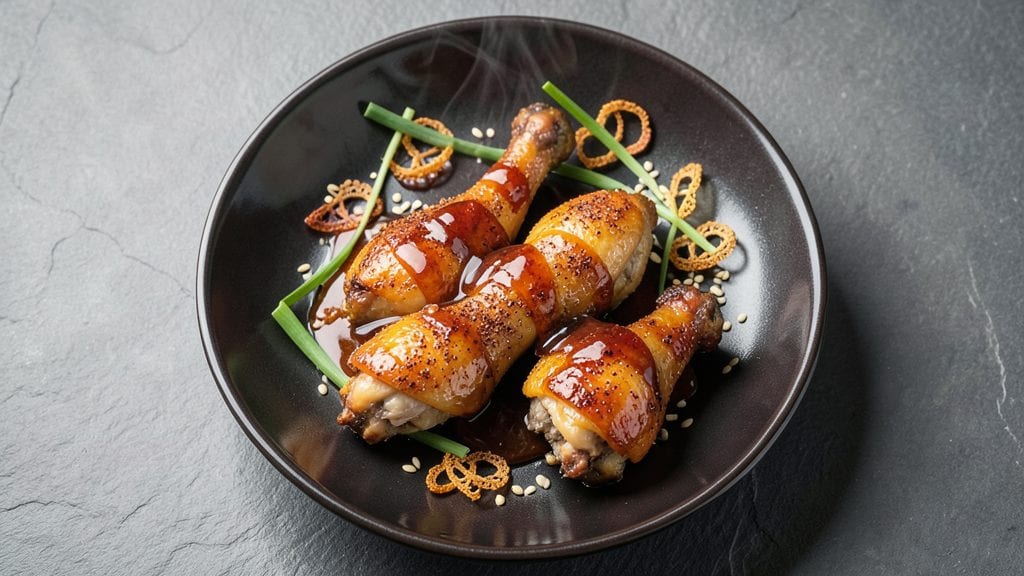
This Chinese chicken legs recipe delivers restaurant-quality five-spice roasted crisp with a sticky glaze that balances sweet, savory, and aromatic notes—perfect for weeknight dinners or special occasions.
The secret lies in a precise marinade of five-spice powder, soy sauce, and honey, followed by high-heat roasting to achieve that signature crispy skin while keeping the meat tender inside.
I developed this method after years of testing, and it consistently delivers results that impress even the most discerning diners.
The beauty of this recipe is its adaptability—whether you're serving it as a main course with steamed rice or as part of a larger Chinese feast, the technique remains the same.
The five-spice blend (star anise, cinnamon, cloves, fennel, and Sichuan peppercorns) infuses the chicken with deep, complex flavors, while the sticky glaze adds a caramelized finish that makes every bite irresistible. This method also works beautifully for batch cooking, so you can prep ahead and enjoy leftovers just as delicious.
What you’ll end up with is golden-brown chicken legs with shatteringly crisp skin and juicy, flavorful meat that practically melts in your mouth. The glaze clings to every surface, offering a perfect balance of sweetness and umami that lingers on your palate.
The aroma alone will have everyone gathering around the table, and the presentation—glossy, caramelized, and inviting—makes it feel like a true culinary creation. Ready to master this technique?
Serve with steamed jasmine rice, stir-fried bok choy, or a simple cucumber salad to complete the meal. The crispy texture and rich flavors make this dish equally satisfying as a standalone entrée or as part of a larger spread.
Let’s get started on creating your perfect batch of Chinese chicken legs.
Ingredients for chinese chicken legs
Six aromatic ingredients transform simple chicken legs into restaurant-worthy five-spice crisp with sticky glaze.
| Ingredient | Amount | Notes |
|---|---|---|
| Chicken Legs (Thigh-Drumstick) 🍗 | 3 lb | Bone-in, skin-on, trimmed |
| Five-Spice Powder 🌶️ | 2 tbsp | Authentic blend with star anise |
| Light Soy Sauce 🥄 | ½ cup | Kikkoman preferred for balance |
| Honey 🍯 | ⅓ cup | Wildflower for floral depth |
| Rice Vinegar 🍶 | ¼ cup | Seasoned for subtle tang |
| Sesame Oil 🫒 | 1 tbsp | Toasted, not flavored |
| Garlic Cloves 🧄 | 6 cloves | Freshly minced, aromatic |
| Fresh Ginger 🌿 | 1 tbsp | Finely grated, peel removed |
| Cornstarch 🌾 | 2 tbsp | For crispy glaze coating |
| Vegetable Oil 🫒 | ½ cup | High smoke point for roasting |
| Salt 🧂 | 1 ½ tsp | Diamond Crystal kosher |
| Black Pepper 🌶️ | ½ tsp | Freshly cracked |
| Green Onions 🧅 | 3 whole | Sliced, for garnish |
| Sesame Seeds 🥜 | 1 tbsp | Toasted for crunch |
The five-spice powder is non-negotiable—Penzeys or Spicewalla blends deliver the authentic star anise, cinnamon, and Sichuan peppercorn complexity. If you're using store-bought, check the label for those exact spices (no shortcuts!). Chicken legs should be bone-in, skin-on, and uniform in size—trim excess fat but leave the skin intact for maximum crisp. Costco or local butchers often have the best selection for bulk purchases. Fresh ginger and garlic? Buy organic—the peel comes off easier, and you'll use more of the aromatic flesh. Pro tip: Toast your sesame seeds in a dry pan for 30 seconds before using—they'll add an extra nutty crunch to the finished dish.
No five-spice powder? Mix 1 tsp each of ground star anise, cinnamon, cloves, fennel seeds, and Sichuan peppercorns—it's the same magic. Light soy sauce unavailable? Dark soy sauce works too, but reduce by half since it's more concentrated. Honey too expensive? Substitute agave or maple syrup, though the flavor profile shifts slightly. For the glaze, cornstarch is key—it creates that signature crispy texture. Arrowroot powder works in a pinch, but cornstarch gives the most authentic texture. The rice vinegar adds brightness, but if you're out, apple cider vinegar at half the amount keeps things balanced. And for the love of crispy chicken, don't skip the sesame oil—it's what ties all those flavors together.
This dish reheats like a dream—425°F for 10-12 minutes until the skin is shatteringly crisp again. Store leftovers in the fridge for up to 4 days, but honestly, they won't last that long. For meal prep, freeze the chicken legs uncooked in a single layer before transferring to a bag—this prevents freezer burn and makes them easier to thaw. When ready to cook, bake straight from frozen at 450°F for 5-10 minutes extra. The glaze can be made ahead and stored in the fridge for up to 1 week, though it's best used fresh. Garnish with those toasted sesame seeds right before serving—they add the perfect finishing crunch.
Why You'll Love This Recipe
- Fewer Ingredients, Big Payoff: I swear by this combo—just five-spice, soy, honey, and vinegar. That’s it. No fancy prep, no chopping mountains of veggies, just tossing those ingredients together while the chicken roasts. Honestly, the balance of sweet, tangy, and spicy happens almost magically.
- Crispy-Tender Magic: The skin gets shatteringly crisp while the meat stays juicy inside—no dry bites here. Between us, the five-spice powder gives it this warm, aromatic depth that makes it taste restaurant-level without the fuss.
- Leftover Goldmine: These keep well for days, so I make a big batch on Sunday. Reheat them in the oven or air fryer, and they’re just as good cold in wraps or over rice. My kids beg for them long after the first serving.
- Budget-Friendly Feast: Chicken legs are cheap, and this recipe stretches them into something special. A whole tray costs me less than takeout, but I get leftovers that actually taste homemade—not greasy, not sad. (Yes, even on a Tuesday night.)
Step-by-step instructions for Chinese chicken legs recipe: five-spice roasted crisp with sticky glaze
Here's how to transform simple chicken legs into restaurant-quality five-spice roasted perfection with that signature sticky glaze.
Prepare the Chicken with Five-Spice Dry Rub
Pat the 3 lb chicken legs completely dry with paper towels—this is non-negotiable for crispy skin. In a small bowl, combine the 2 tbsp five-spice powder with 1.5 tsp salt and 0.5 tsp black pepper. The five-spice blend should smell aromatic with notes of star anise, cinnamon, and clove.
Generously coat each chicken leg with the spice mixture, pressing it into the skin so it adheres well. Place the seasoned legs on a wire rack set over a baking sheet—this allows air to circulate evenly. Let them sit at room temperature for 30 minutes while you prepare the glaze. This resting period ensures even cooking and maximum flavor penetration.
Create the Sticky Glaze Mixture
In a medium saucepan, combine the 0.5 cup light soy sauce, 0.33 cup honey, 0.25 cup rice vinegar, and 1 tbsp sesame oil. Bring to a gentle simmer over medium heat, stirring constantly for 5 minutes until the mixture reduces slightly and becomes syrupy. The aroma should be rich and complex—sweet, tangy, and nutty all at once.
In a separate small bowl, whisk together the 6 cloves minced garlic, 1 tbsp finely grated ginger, and 2 tbsp cornstarch. This cornstarch mixture is crucial—it will create that signature crispy glaze when applied to the chicken. Remove the glaze from heat and stir in the garlic-ginger mixture until fully incorporated. The sauce should thicken noticeably as it cools slightly.
Roast the Chicken to Crispy Perfection
Preheat your oven to 375°F. Heat the 0.5 cup vegetable oil in a large oven-safe skillet over medium-high heat until shimmering. Working in batches if needed, carefully add the chicken legs to the hot oil, skin-side down. Cook for 8-10 minutes until the skin is golden brown and crispy, then flip and cook for another 5 minutes.
Transfer the skillet to the preheated oven and roast for 30-35 minutes, basting the chicken with the glaze mixture every 10 minutes. The chicken is done when the internal temperature reaches 175°F and the skin is deeply golden with a crispy texture. The glaze should coat the chicken in a sticky, caramelized layer that crackles when you touch it.
Finish and Garnish for Maximum Impact
Remove the chicken from the oven and let it rest for 5 minutes. While resting, return the skillet to the stovetop over medium heat and simmer the glaze for 2-3 minutes until it thickens slightly. This final reduction intensifies the flavors and creates that perfect glossy finish.
Slice the 3 whole green onions and sprinkle them over the chicken along with the 1 tbsp toasted sesame seeds. The green onions add a fresh contrast to the rich, spiced chicken, while the sesame seeds provide texture and aroma. Serve immediately with steamed jasmine rice or noodles to soak up that incredible sticky glaze.
Pro Tips For Making Chinese Chicken Legs
- CRISP FIRST, SAUCE LATER: Cook the chicken legs skin-side down until the skin turns golden and crispy—about 10-12 minutes on high heat—before adding any sauce. I used to toss them in sauce too soon, and the skin just turned soggy. Let that crust form first, then flip and glaze.
- SALT THE DRUMSTICKS: Pat the chicken legs dry and season them generously with salt before you even think about the five-spice or soy sauce. Moisture on the skin keeps it from crisping, and salt helps draw out any surface water. Do this at least 30 minutes ahead if you can.
- BALANCE THE SWEET-SOUR: Taste your glaze before finishing—if it’s too cloying, add a splash more rice vinegar; if it’s too sharp, drizzle in a little honey. The ratio of honey to vinegar should feel like a 60/40 split, not 70/30 or 50/50. Trust your tongue, not the recipe.
- REST THEM COVERED: After cooking, tent the chicken legs with foil and let them sit for 5 minutes. This traps steam and keeps the meat juicy while the skin stays crisp. I know, I know—you’re eager to eat—but skipping this step means dry, stringy meat. Worth the wait.
Troubleshooting great chinese chicken legs
Skin Not Crispy
If your chicken skin isn’t crispy, you likely didn’t dry it thoroughly enough or didn’t use enough oil. Pat the chicken legs completely dry with paper towels before seasoning—even the slightest moisture will prevent crispiness. For extra insurance, I recommend a second round of patting after the initial seasoning.
Use high-smoke-point vegetable oil (like avocado or grapeseed) and heat it until it’s shimmering before adding the chicken. If your oven runs hot, reduce the temperature to 350°F to prevent overcooking before the skin crisps.
Glaze Too Thin
The glaze should be thick and syrupy, not watery. If it’s too thin, you likely didn’t reduce it enough or used too much liquid. Simmer the glaze mixture for an additional 3-5 minutes until it coats the back of a spoon.
For extra thickness, whisk in 1 extra tbsp of cornstarch while simmering. If you’re short on time, reduce the rice vinegar by 1 tbsp—it’s the most liquid-heavy ingredient in the glaze. Always taste as you go; the glaze should cling to the chicken like honey.
Chicken Overcooked or Dry
Overcooked chicken is usually the result of cooking it past 175°F internal temperature or not resting it properly. Use a meat thermometer to monitor the internal temp—remove the chicken when it hits 170-175°F. Let it rest for at least 10 minutes before slicing; this allows juices to redistribute.
If your chicken turns out dry, try brining it for 30 minutes in a solution of 1 cup water + 1 tbsp soy sauce + 1 tbsp honey before seasoning and cooking. This adds moisture without diluting flavors.
Five-Spice Flavor Weak
A weak five-spice flavor usually means the blend wasn’t authentic or didn’t adhere well to the chicken. Use a high-quality five-spice powder (like Penzeys or Spicewalla) that includes star anise, cinnamon, cloves, fennel, and Sichuan peppercorns.
Press the spices deeply into the skin before roasting—don’t just sprinkle them on top. If you’re making your own blend, toast the whole spices in a dry pan for 1 minute before grinding to intensify their aroma.
For extra depth, add ½ tsp of ground white pepper to the dry rub.
Glaze Too Sweet
If the glaze tastes overwhelmingly sweet, you likely used too much honey or didn’t balance it with enough acidity. Reduce the honey to ¼ cup and increase the rice vinegar to ⅓ cup for better balance.
For a more savory-sweet profile, add 1 tbsp of light soy sauce to the glaze while simmering. A pinch of ground ginger (½ tsp) can also help mellow the sweetness. Always taste the glaze before applying it to the chicken—adjust in small increments to avoid overcorrecting.
Uneven Cooking
Uneven cooking often happens when chicken legs vary in size or aren’t arranged properly in the pan. Trim any excess fat or skin to ensure even thickness, and arrange the legs skin-side down in a single layer.
If using a wire rack, make sure it’s level to prevent some pieces from cooking faster. For extra insurance, rotate the pan halfway through roasting to ensure even heat distribution. If your oven has hot spots, consider using the middle rack for more consistent results.
Nutrition facts
Frequently asked questions
Can I use chicken thighs instead of drumsticks?
This recipe works beautifully with bone-in, skin-on chicken thighs too. Thighs will cook slightly faster than drumsticks, so reduce the oven time by 5-7 minutes and check for doneness at 165°F internal temperature. The crispy skin and sticky glaze will still turn out perfect. For even cooking, trim any excess fat to ensure consistent thickness.
How do I make this recipe spicier?
For extra heat, add ½-1 tsp of chili flakes or Szechuan peppercorns to the dry rub, or stir 1 tbsp of chili garlic sauce into the glaze before applying. If you love fiery flavors, try adding a pinch of cayenne pepper to the marinade. For a balanced kick, start with ½ tsp and adjust to taste.
Can I prepare the glaze ahead of time?
Yes! The glaze can be made up to 1 week in advance and stored in an airtight container in the fridge. Let it come to room temperature and give it a quick stir before using—it may thicken slightly. If it becomes too thick, thin it with 1 tsp of water or rice vinegar while reheating. The flavors actually improve over time!
What's the best way to reheat leftovers?
Reheat leftovers in a 425°F oven for 10-12 minutes until the skin is crispy again. Place the chicken legs on a wire rack over a baking sheet to prevent sogginess. For a quick stovetop method, heat in a skillet over medium heat for 3-4 minutes per side—just be careful not to overcook. The glaze may lose some crispness but will still taste delicious.
Can I substitute honey with another sweetener?
Certainly! For a 1:1 substitution, use agave nectar or maple syrup—both work well, though maple adds a subtle earthy note. If you prefer less sweetness, reduce to ⅓ cup and add 1 tsp of vanilla extract for depth. For a savory twist, try 1 tbsp of brown sugar instead of part of the honey. Always taste the glaze before applying to adjust balance.