Sauces & Condiments
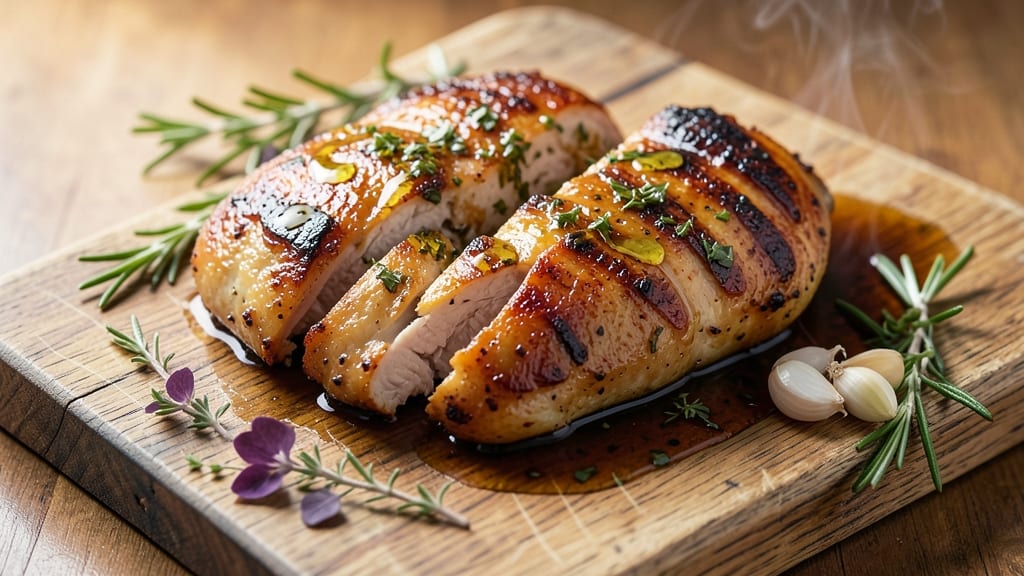
Transforming store-bought marinade into restaurant-quality chicken is easier than you think—this Lawry's Herb and Garlic Marinade Chicken Recipe delivers juicy, herb-crusted bites with minimal effort. The secret lies in balancing the marinade's bold flavors with proper cooking techniques, whether you grill, bake, or pan-sear.
I've perfected this method over countless summer cookouts, and it never fails to impress guests.
This recipe starts with 30 minutes of marinating time, letting the garlic, herbs, and spices penetrate the chicken while keeping prep simple. The marinade's tangy, savory profile transforms even the simplest cuts into tender, flavorful pieces.
For best results, use boneless, skinless thighs or breasts—both stay moist and develop that perfect herb crust when cooked properly.
By the end, you'll have golden-brown chicken with crisp edges and juicy centers, where every bite bursts with garlic and herb notes. The marinade's zesty infusion elevates ordinary chicken into a showstopper main course.
Serve with roasted vegetables or crusty bread to complete the meal—this dish is foolproof and delivers professional results every time.
Whether you're grilling for a crowd or cooking a weeknight dinner, this method works perfectly. The marinade's versatility means you can adapt it to different cooking styles without sacrificing flavor. Let's get started on creating chicken that tastes like it came from a high-end restaurant.
Ingredients for lawry's herb and garlic marinade chicken
Pantry staples plus a few fresh herbs—this marinade transforms ordinary chicken into restaurant-quality bites.
| Ingredient | Amount | Notes |
|---|---|---|
| Boneless, Skinless Chicken Thighs 🍗 | 1 ½ lb | Cut into even-sized pieces |
| Lawry's Herb and Garlic Marinade 🍯 | ½ cup | Store-bought jarred marinade |
| Extra-Virgin Olive Oil 🫒 | 1 tbsp | For extra moisture |
| Fresh Garlic Cloves 🧄 | 4 cloves | Minced for marinade boost |
| Fresh Rosemary 🌿 | 1 tbsp | Chopped finely |
| Fresh Thyme 🌿 | 1 tbsp | Leaves only |
| Lemon Juice 🍋 | 2 tbsp | Freshly squeezed |
| Diamond Crystal Kosher Salt 🧂 | 1 tsp | For seasoning |
| Ground Black Pepper 🌶️ | ½ tsp | Freshly cracked |
| Cornstarch 🌾 | 1 tbsp | For crispy crust |
| All-Purpose Flour 🌾 | 2 tbsp | For coating |
| Butter 🧈 | 2 tbsp | Unsalted, melted |
The chicken matters most here. Thighs stay juicier than breasts when grilling, but either works—just don't overcook. Grab the Lawry's marinade from any grocery store aisle (it's the red jar with garlic on the label). Fresh herbs make all the difference, so hit the farmers market if you can—rosemary and thyme should smell vibrant, not dusty. The extra olive oil and lemon juice give that restaurant-quality zing, so don't skip them. For the crispy crust, Trader Joe's cornstarch is my go-to—it's finer than regular flour and gives that perfect texture.
No fresh rosemary? Dried works at half the amount, but it won't have the same punch. Short on time? Skip the extra herbs and just use the Lawry's marinade straight from the jar—it's already got the right balance. The flour and cornstarch combo is non-negotiable for that crispy crust, but if you're out of cornstarch, use all flour—it'll still work. The butter at the end? Full-fat is key—don't use margarine or light butter. And if you're worried about the chicken drying out, marinate it for 30 minutes max—longer doesn't mean better, just more soggy.
This marinade keeps for 1 week in the fridge once opened, but the herbs wilt fast, so make it fresh if you can. The chicken? Use within 2 days of marinating for best texture. Leftovers reheat beautifully—just 5 minutes in the microwave with a splash of water to keep it juicy. For meal prep, portion the chicken into single-serving containers with a side of roasted veggies—it's perfect for lunches all week.
Why You'll Love This Recipe
- Fridge-to-Table Magic: I swear by this recipe when I’m staring at a half-empty fridge at 6:30 PM. Toss in the chicken thighs, dump the Lawry’s marinade, add a glug of olive oil and minced garlic—no measuring cups, no stress. The rosemary ties it all together without extra effort, and honestly? That’s my kind of dinner.
- Crispy-Garlicky Bliss: Between us, the Lawry’s marinade does 90% of the flavor work for you. The garlic and herbs seep into the chicken until every bite has that perfect balance of herby brightness and deep, savory richness. The thighs stay juicy inside while the skin gets that golden, crispy edge—like a restaurant-quality bite without the fuss.
- Weeknight & Meal Prep: This is my go-to for busy nights because it’s actually versatile. Use it for a quick sheet-pan dinner, stuff it in wraps for lunch the next day, or even shred it for tacos. (Yes, even on a Tuesday night.) The marinade’s bold flavor holds up perfectly, so you’re not stuck with bland leftovers.
- Budget-Friendly Protein: Chicken thighs are cheaper than breasts, and this recipe stretches them further. A bag of Lawry’s marinade lasts for ages, and you’re not buying a bunch of single-use spices. I’ll be real: it’s one of those recipes where I make double just to have it for another meal—no guilt, all flavor.
Step-by-step instructions for Lawry's herb and garlic marinade chicken
Here's how to transform simple chicken thighs into restaurant-worthy bites with maximum flavor and juiciness.
Prep the Chicken for Maximum Flavor Infusion
Pat the 1.5 lb boneless, skinless chicken thighs completely dry with paper towels. This step is crucial—moisture on the surface prevents the marinade from clinging properly and creates steam instead of crispy texture. Cut each thigh into even-sized pieces, about 1-inch thick, for consistent cooking.
In a medium bowl, combine the 0.5 cup Lawry's Herb and Garlic Marinade, 1 tbsp extra-virgin olive oil, 2 tbsp lemon juice, 1 tbsp finely chopped fresh rosemary, 1 tbsp fresh thyme leaves, 1 tsp Diamond Crystal kosher salt, and 0.5 tsp freshly cracked ground black pepper. Whisk until fully emulsified. Add the minced 4 cloves fresh garlic and stir again. The marinade should have a vibrant, herbaceous aroma with a tangy citrus note.
Marinate and Develop Deep Flavor
Place the chicken pieces in a resealable plastic bag and pour the marinade over them. Gently massage the bag to ensure every piece is thoroughly coated. Seal the bag and refrigerate for at least 4 hours, or preferably overnight. This extended marinating time allows the herbs and garlic to penetrate deeply, while the acidity in the lemon juice begins to tenderize the meat.
Real talk: Don't skip this step. The flavor development happens during this resting period, not during cooking. If you're short on time, marinate for at least 2 hours, but you'll sacrifice some depth of flavor. The chicken should absorb the marinade completely, with the pieces looking glossy and infused with color.
Create the Crispy Herb Crust
Remove the chicken from the marinade (reserve the marinade for basting) and pat dry again with paper towels. This second drying step is essential for achieving that perfect crispy crust. In a shallow dish, combine 2 tbsp all-purpose flour and 1 tbsp cornstarch. Toss each chicken piece in this mixture until fully coated, shaking off any excess.
In a separate small bowl, melt the 2 tbsp unsalted butter. The butter should be fully liquid but not hot—just warm enough to coat a spoon. This butter will create a luscious, flavorful crust as it browns in the pan. Keep both the floured chicken and melted butter at room temperature until ready to use.
Cook to Juicy Perfection
Heat a large skillet over medium-high heat until hot but not smoking. Add the floured chicken pieces in a single layer, leaving space between them. Cook undisturbed for 4-5 minutes until the undersides develop a golden-brown crust with crispy edges. Here's the thing—don't move the chicken during this initial cooking time. You want that crust to form properly.
Flip the chicken pieces and cook another 4-5 minutes until the second side is also golden brown and crispy. During the last 2 minutes of cooking, carefully pour the reserved marinade over the chicken, spooning it to coat the bottom of the pan. This basting step adds extra flavor and helps create a glossy finish. The internal temperature should reach 165°F when measured with an instant-read thermometer.
Rest and Serve for Maximum Juiciness
Transfer the cooked chicken to a plate and tent loosely with aluminum foil. Let it rest for 5 minutes before serving. This resting period is what guarantees juicy results—the time allows the meat fibers to relax and redistribute those delicious juices throughout each piece.
Serve immediately with the pan juices spooned over the top. The chicken should have a beautiful golden-brown crust that's crispy to the touch, with juices flowing when you cut into it. Each bite should deliver a perfect balance of herby, garlicky flavor with a satisfying contrast between the crispy exterior and tender interior. Pair with roasted vegetables or crusty bread to soak up those flavorful juices.
Pro Tips For Making Lawry'S Herb And Garlic Marinade Chicken
- Pound the Garlic: Skip the mincer—smash those cloves with the flat side of your knife first, then finely chop. This releases more flavor into the marinade, and you’ll taste the difference when the chicken cooks. (Yes, it’s messier, but your dish will thank you.)
- Marinate Overnight, Covered: Lawry’s mix is solid, but the real magic happens when the chicken soaks up the olive oil and garlic for at least 8 hours—ideally overnight in the fridge. Toss the thighs in a sealed bag or container, and flip them halfway if you’re impatient like me.
- Dry Before Browning: Pat those thighs thoroughly with paper towels—wet skin steams instead of sears. A hot, dry pan with a little olive oil will give you that golden crust the recipe promises. (I learned this after three batches of sad, soggy chicken.)
- Don’t Overcrowd the Pan: Cook the thighs in batches if needed—even if it means an extra 2 minutes. Crowding drops the pan’s temperature, and you’ll end up with greasy, undercooked chicken. A single layer over medium-high heat is your friend. (Trust me, the sizzle is worth the wait.)
Serving suggestions for leftovers
Classic Side Pairings
Roasted garlic mashed potatoes are my go-to side—their creamy texture contrasts perfectly with the crispy chicken. Use 2 lbs Yukon Gold potatoes, roasted with 4 cloves roasted garlic, ½ cup Greek yogurt, and 2 tbsp butter for that restaurant-quality finish.
The garlic in the chicken pairs beautifully with the roasted potatoes' sweetness. 🥔
For a lighter option, try a bright cucumber and radish salad> with 1 tbsp rice vinegar, 1 tsp honey, and a pinch of flaky sea salt.
The cool crunch cuts through the richness of the herby chicken while keeping the meal balanced. I always double this recipe—it disappears fast!
Bread to Soak Up Flavors
Warm crusty sourdough bread is essential for soaking up those flavorful pan juices. I recommend Boudin Bakery sourdough from any grocery store—its thick crust holds up perfectly. Brush it with garlic-infused olive oil and toast until golden, then serve with extra marinade drizzled on top. 🍞
Vegetable Sides
Grilled asparagus with lemon zest and 1 tbsp white wine vinegar> adds a sophisticated touch. Toss 1 bunch asparagus with 1 tbsp olive oil and ½ tsp smoked paprika before grilling for 4-5 minutes>. The lemon brightens the dish while the smoky notes complement the chicken's herbs.
Sauce Elevations
For an extra layer of flavor, serve with a lemon-garlic aioli>. Mix ½ cup mayonnaise, 1 tbsp lemon juice, 1 minced garlic clove, and ½ tsp Dijon mustard.
The creamy texture balances the crispy chicken while enhancing its herby notes. This sauce takes 5 minutes**> to make and is always a crowd-pleaser.
Presentation Tips
Arrange the chicken on a platter with sides fanned out for a restaurant-worthy display. Garnish with fresh parsley leaves and a sprinkle of flaky sea salt for a pop of color. Serve with extra marinade in a small bowl on the side—it's always requested!
The key is to let the chicken shine as the star while the sides complement its bold flavors. ✨
Nutrition facts
Frequently asked questions
Can I use Lawry's Herb and Garlic Marinade on chicken breasts instead of thighs?
Yes, but thighs are ideal for this recipe. Chicken breasts will cook faster and dry out more easily, so brining them in ½ cup milk or water for 30 minutes before marinating helps retain moisture. Use a meat thermometer to check for 165°F—they're done when the thickest part reaches this temperature. For extra juiciness, cook breasts over slightly lower heat (medium instead of medium-high) and cover the pan for the last 2 minutes of cooking.
How long can I marinate the chicken before it gets too mushy?
For best results, marinate for 4-12 hours in the fridge. The acid in the marinade tenderizes the meat, but beyond 12 hours, the chicken can become overly soft and lose its structure. If you're short on time, 2 hours will still work—just expect slightly less flavor penetration. Never marinate at room temperature, as bacteria grows rapidly above 40°F. Always refrigerate the chicken while marinating.
What if I don't have cornstarch for the crispy crust?
No problem! Use all-purpose flour instead—just increase the amount to 3 tbsp for the same coating. The texture won't be quite as crispy, but it'll still create a flavorful crust. For extra crunch, add ½ tsp baking powder to the flour mixture. The baking powder helps create air pockets that make the coating lighter.
Can I bake this chicken instead of pan-searing?
Preheat your oven to 400°F and bake the floured chicken on a wire rack over a baking sheet for 20-25 minutes, flipping halfway. Basting with the reserved marinade every 5 minutes adds extra flavor. For crispier edges, broil for 2-3 minutes at the end. Baking works especially well for larger batches since it's hands-off. Just keep an eye on it to avoid overcooking.
Why does my chicken turn out dry even after marinating?
Overcooking is the most common cause. Chicken is done at 165°F, but it keeps cooking for 5-10 minutes after removing from heat. Use a meat thermometer and let the chicken rest for 5 minutes before serving. For extra moisture, marinate with 1 tbsp olive oil or brine the chicken first. Also, avoid cutting into it immediately—juices need time to redistribute.