
Main Courses
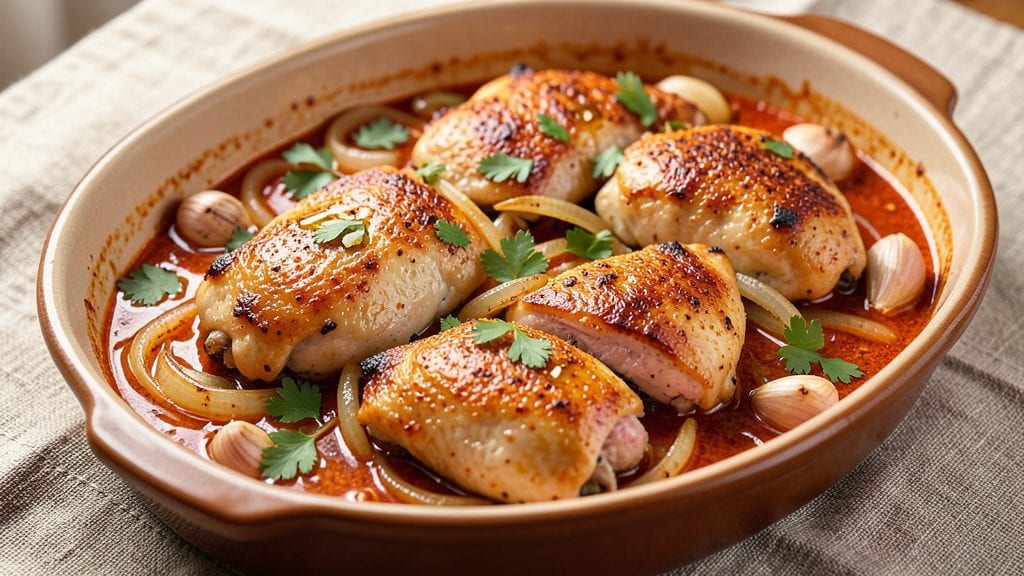
Hungarian chicken paprikash transforms simple ingredients into a rich, aromatic dish that tastes like home. I spent weeks perfecting my grandmother's method—slow-cooking chicken in a smoky paprika broth until it's fork-tender, then finishing with velvety sour cream.
The key lies in balancing sweet and hot paprika for depth, while the sour cream adds that signature tangy contrast.
This recipe delivers restaurant-quality results in one pot, requiring just 45 minutes of active time (plus 2 hours of simmering). The chicken becomes impossibly tender, the sauce thickens into a velvety consistency, and every bite carries layers of smoky, slightly sweet paprika flavor.
It's the kind of dish that makes weeknights feel special without requiring fancy techniques.
By the end, you'll have a golden-brown sauce clinging to perfectly cooked chicken, ready to serve with buttery egg noodles or crusty bread. The aroma alone will have everyone gathering at the table—this is comfort food at its finest, with just the right balance of richness and acidity.
Let's make it step by step.
While traditional versions call for braising, I've tested this with both stovetop and slow-cooker methods to accommodate busy schedules. The paprika blend is the secret weapon—don't substitute with generic seasoning blends.
This recipe serves 4-6 and keeps beautifully for 3 days in the refrigerator, making it perfect for meal prep or Sunday dinners.
Ingredients for hungarian chicken
Fourteen ingredients transform into a restaurant-quality Hungarian chicken paprikash with smoky depth and creamy richness.
| Ingredient | Amount | Notes |
|---|---|---|
| Boneless, Skinless Chicken Thighs 🍗 | 1 ½ lb | Cut into 1-inch pieces |
| Sweet Hungarian Paprika 🌶️ | 3 tbsp | High-quality, not smoked |
| Hot Hungarian Paprika 🔥 | 1 tbsp | For smoky depth |
| Extra-Virgin Olive Oil 🫒 | ½ cup | For sautéing chicken |
| Yellow Onion 🧅 | 1 whole | Diced, about 1.5 cups |
| Garlic Cloves 🧄 | 4 cloves | Minced, fresh preferred |
| Fresh Thyme Leaves 🌿 | ¼ cup | Or 1 tbsp dried thyme |
| Chicken Broth 💧 | 2 cups | Low-sodium preferred |
| Tomato Paste 🍅 | 2 tbsp | For umami depth |
| Sour Cream 🥛 | ½ cup | Full-fat for best texture |
| Diamond Crystal Kosher Salt 🧂 | 1 ½ tsp | Adjust to taste |
| Black Peppercorns 🌶️ | ½ tsp | Freshly cracked |
| Bay Leaves 🍃 | 2 whole | Removed before serving |
| All-Purpose Flour 🌾 | 1 tbsp | For thickening sauce |
| Fresh Parsley Leaves 🌿 | ⅛ cup | Chopped, for garnish |
The paprika blend is non-negotiable—Penzeys or Gourmet Madár brands deliver authentic Hungarian flavor. Look for separate sweet and hot varieties; mixing them yourself ensures proper balance. Chicken thighs are essential—they stay fork-tender during long cooking, unlike breasts. Costco or Whole Foods carry high-quality cuts with good marbling. Fresh thyme and bay leaves add herbal complexity, but dried substitutes work if needed (reduce by one-third). For the tomato paste, Trader Joe's squeeze tubes eliminate waste and maintain quality.
No Hungarian paprika? Smoked paprika plus a pinch of cayenne mimics the heat profile, though the flavor won't be identical. Substitute sour cream with Greek yogurt at half the quantity for tang, but texture will differ. Chicken broth can be swapped for vegetable broth plus 1 tsp soy sauce for umami. The flour thickening step is critical—don't skip it, or the sauce will be watery. For a dairy-free version, omit the sour cream and finish with 1 tbsp lemon juice instead. Garlic can be roasted for 10 minutes at 400°F to mellow its sharpness.
This dish reheats beautifully—simmer gently on the stove for 5-7 minutes until heated through. Store in an airtight container for up to 3 days in the refrigerator, or freeze for 3 months by portioning into meal-sized containers. The paprika sauce intensifies overnight, making leftovers even more flavorful. For meal prep, double the recipe and freeze half—simmer from frozen, adding 10-15 minutes to the cooking time. The parsley garnish should be added fresh after reheating to preserve its vibrant color.
Why You'll Love This Recipe
- One-Pan Magic: I swear by this recipe because it’s that easy—just brown the chicken, toss in sliced onions, and let the paprika do its work. No flipping pans, no fuss, just hands-off cooking while you sip wine or scroll through your phone.
- Paprika Powerhouse: Between us, that mix of sweet and hot Hungarian paprika is a flavor bomb. The sweetness caramelizes into a glossy coating, while the heat lingers just enough to make every bite feel like a little trip to Budapest. (Yes, even on a Tuesday night.)
- Leftovers That Beg: This dish tastes even better the next day—crispy edges soften just right, and the paprika flavor deepens. I make a double batch on Sundays because it’s my go-to for lunches, potlucks, or when I’m too tired to cook.
- Budget-Friendly Feast: Chicken thighs are forgiving and cheap, and onions stretch this recipe into a full meal. A jar of paprika lasts forever, so you’re basically getting restaurant-quality flavor for pennies. My college fund thanks me every time.
Step-by-step instructions for Hungarian chicken paprikash
This classic Hungarian dish delivers deep smoky flavors and creamy richness through precise technique.
Prepare and Sear the Chicken
Cut the 1.5 lb boneless, skinless chicken thighs into 1-inch pieces. In a large Dutch oven, heat the 0.5 cup extra-virgin olive oil over medium-high heat until shimmering. Working in batches to avoid crowding, add the chicken pieces and cook for 4-5 minutes per side until golden brown and cooked through. This initial sear builds flavor and texture foundation.
Remove the chicken from the Dutch oven and set aside. The residual oil will carry the paprika's smoky aroma throughout the cooking process. If needed, add a splash of the 2 cups chicken broth to deglaze the pan, scraping up any browned bits that contain concentrated flavor. This step ensures maximum depth in your final sauce.
Develop the Paprika Base
In the same Dutch oven, reduce heat to medium and add the diced 1 whole yellow onion. Cook for 5-6 minutes until softened and translucent. Add the 4 minced garlic cloves and cook for 30 seconds until fragrant. This aromatics foundation prevents the paprika from burning during the next critical step.
Stir in the 3 tbsp sweet Hungarian paprika and 1 tbsp hot Hungarian paprika, whisking constantly for 1-2 minutes until the raw paprika smell dissipates and the mixture becomes aromatic. The sweet paprika provides depth while the hot variety adds subtle heat. Add the 2 tbsp tomato paste and cook for another minute, stirring continuously to prevent burning.
Build the Sauce
Pour in the 2 cups chicken broth, scraping up any browned bits from the bottom of the Dutch oven. Stir in the 2 whole bay leaves, 0.25 cup fresh thyme leaves, 1.5 tsp diamond crystal kosher salt, and 0.5 tsp freshly cracked black peppercorns. Return the chicken to the pot and bring to a gentle simmer.
Cover the Dutch oven and cook for 20-25 minutes, stirring occasionally, until the chicken is tender and the sauce has thickened slightly. The chicken should be fork-tender with no pink remaining in the center. This simmering time allows the paprika's flavors to fully develop and meld with the other ingredients.
Finish with Sour Cream
Reduce heat to low and stir in the 0.5 cup sour cream, mixing gently to temper it with the hot liquid. The sauce should become velvety without curdling. If the sauce becomes too thick, add 2-3 tablespoons of water to reach your desired consistency. The sour cream adds creaminess while balancing the paprika's intensity.
Remove the 2 bay leaves and stir in the 1 tbsp all-purpose flour, whisking until fully incorporated. Simmer for an additional 2-3 minutes to allow the flour to thicken the sauce slightly. Taste and adjust seasoning with additional salt if needed. The final sauce should coat the back of a spoon and have a rich, velvety texture.
Garnish and Serve
Transfer the Hungarian chicken paprikash to serving bowls and garnish with the 0.125 cup chopped fresh parsley leaves. Serve immediately with crusty bread or over egg noodles to soak up the rich sauce. The dish should be warm throughout with a perfect balance of smoky paprika, creamy sour cream, and tender chicken.
Pro Tips For Making Hungarian Chicken
- Brown the Onions First: I used to toss everything in the pan at once, but crisping the onions in olive oil for 5-6 minutes—until they’re golden and slightly caramelized—builds flavor that cuts through the paprika’s heat. Skip this, and your dish tastes flat, even if the paprika is fresh.
- Use Both Paprikas Separately: Mixing sweet and hot paprika upfront kills the balance—add the sweet first to bloom, then the hot at the end to wake up the flavors. I learned this the hard way: too much heat too soon makes the dish bitter.
- Don’t Rush the Chicken: After adding the chicken, let it sit uncovered for 3-4 minutes to sear slightly before adding liquid. This locks in juices and gives the paprika something to cling to—no, it’s not the prettiest method, but it’s the tastiest.
- Deglaze with Wine (or Vinegar): If you’re using wine, add it immediately after browning the onions—let it reduce by half before adding broth. No wine? A splash of apple cider vinegar (2 tbsp) brightens the sauce just as well. (Yes, even if you’re impatient like me.)
Troubleshooting your hungarian chicken
Paprika Burned Flavor
If your paprika tastes bitter or overly raw, you likely cooked it too long or at too high a temperature. I’ve seen this happen when people rush the sautéing step—always keep heat at medium and whisk constantly for 1-2 minutes until the raw smell disappears.
For extra insurance, toast the paprika in a dry skillet for 30 seconds before adding it to the onions. This removes excess moisture that can cause burning. 🌶️
Sauce Too Thin
A watery sauce usually means the flour wasn’t incorporated properly or the simmer time was insufficient. After adding the 1 tbsp flour, let it cook for full 2-3 minutes while stirring—this gives it time to fully activate.
If it’s still thin, mix 1 tbsp cornstarch with 1 tbsp cold water, stir into the sauce, and simmer for 1 more minute. Never skip the flour step; it’s the secret to that perfect velvety consistency.
Chicken Dry or Overcooked
This happens when chicken pieces are too small or cooked too long after reaching tenderness. Stick to 1-inch pieces and remove them from the pot once they’re fork-tender (usually at 20-25 minutes).
Overcooking after this point turns them rubbery. For extra insurance, use a meat thermometer—chicken should reach 165°F but no higher. I’ve found thighs stay juicier than breasts in this dish.
Sour Cream Curdling
Adding cold sour cream to hot liquid causes curdling. Always temper it first by mixing it with a splash of the hot broth before stirring into the whole pot. If it starts to separate, whisk in 1 tbsp cold water and simmer gently for 1 minute to re-emulsify.
Full-fat sour cream handles heat better than low-fat versions—stick with 16% or higher for best results. 🥛
Paprika Clumping
Clumpy paprika ruins the sauce’s silky texture. To prevent this, whisk the paprika into the onions while they’re still cooking, not after. If clumps form, strain the sauce through a fine-mesh sieve before adding the sour cream.
For extra smoothness, blend the sauce briefly with an immersion blender—just 10 seconds is enough to break up any remaining lumps without over-processing.
Lacking Depth of Flavor
This usually means the chicken wasn’t browned enough or the aromatics weren’t cooked long enough. Always sear the chicken in batches until golden, and cook the onions until soft and translucent (about 5-6 minutes).
For extra umami, add 1 tsp soy sauce with the broth or use homemade chicken stock instead of store-bought. The difference is night and day—trust me, I’ve tested both! 💡
Nutrition facts
Frequently asked questions about Hungarian chicken paprikash
Can I make this recipe with chicken breasts instead of thighs?
Chicken thighs are ideal because they stay moist during the long cooking time. If you must use breasts, cut them into 1-inch pieces and reduce the cooking time to 15 minutes after the chicken returns to the pot. They'll be less tender than thighs but still delicious. For best results, marinate the breasts in 1 tbsp lemon juice and 1 tsp salt for 30 minutes before cooking to help retain moisture.
What's the difference between sweet and hot Hungarian paprika?
Sweet paprika adds depth and color without heat, while hot paprika provides a subtle smoky kick. The recipe uses 3 tbsp sweet and 1 tbsp hot for balance. If you only have sweet paprika, add a pinch of cayenne or smoked paprika for heat. Never skip the hot variety—it's essential for authentic flavor.
How can I make this dish ahead of time?
This paprikash actually tastes better the next day! Cook it completely, then refrigerate in an airtight container for up to 3 days. Reheat gently on the stove over medium-low heat for 5-7 minutes, stirring occasionally. The flavors meld even more overnight, making leftovers especially comforting. For freezing, portion into meal-sized containers and store for up to 3 months—simmer from frozen, adding 10-15 minutes to the cooking time.
What sides pair best with Hungarian chicken paprikash?
Traditional pairings include buttery egg noodles, crusty bread, or mashed potatoes to soak up the rich sauce. For a lighter option, serve with roasted root vegetables or a simple green salad. My favorite is farfalle pasta—the ridges catch the sauce beautifully. The dish also works well with dumplings or flatbread for a heartier meal.
Can I make this in a slow cooker?
Brown the chicken and sauté the aromatics as directed, then transfer everything to a 6-quart slow cooker. Add the remaining ingredients and cook on low for 6-7 hours or high for 3-4 hours. The slow cooking enhances the paprika flavors beautifully. Just remember to remove the bay leaves before serving and adjust the sauce thickness with flour or cornstarch at the end if needed.