
Soups & Stews
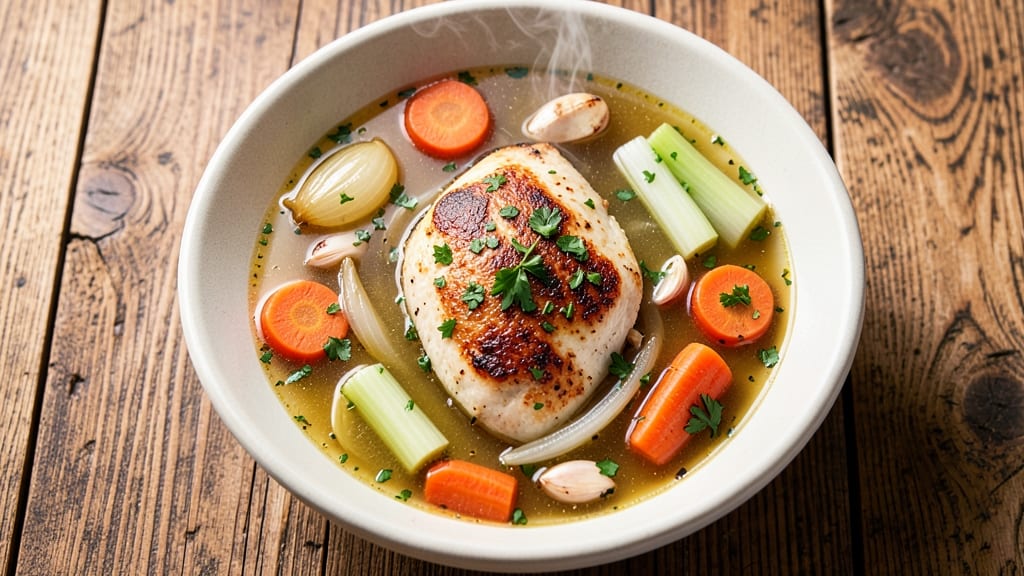
Grandma's chicken soup recipe isn't just a meal—it's a hug in a bowl, simmered to perfection with tender chicken, hearty vegetables, and a broth so rich it tastes like home. The secret lies in slow-simmering the broth for hours, allowing flavors to meld into something deeply comforting.
I first learned this version from my grandmother, who swore by the combination of celery, carrots, and onions as the flavor foundation.
What makes this recipe special is its simplicity and depth—no fancy techniques, just time and patience. You'll start with a homemade chicken stock that forms the soul of the soup, then build layers of flavor with aromatic vegetables and herbs.
The chicken cooks until it falls apart easily, releasing its juices into the broth. This isn't just soup; it's a reminder of simpler times when meals were made with love and intention.
The result is a bowl of soup that's warming, nourishing, and impossible to resist—the kind of dish that disappears quickly when you serve it to a hungry crowd. The vegetables stay tender-crisp, the broth is velvety and full of flavor, and every spoonful delivers comfort in its purest form.
Perfect for chilly evenings or when you need a little extra care, this recipe brings homestyle healing to your table.
Best of all, it's incredibly adaptable—use whatever vegetables you have on hand, or add a splash of lemon juice for brightness at the end. Let's get cooking and recreate that timeless taste of home.
Ingredients for grandma's chicken soup
Grandma's pantry staples and a few fresh ingredients create this soul-warming chicken soup.
| Ingredient | Amount | Notes |
|---|---|---|
| Chicken Breasts 🍗 | 2 ½ lb | Bone-in, skin-on preferred |
| Yellow Onions 🧅 | 2 whole | Medium size, chopped |
| Carrots 🥕 | 3 whole | Medium size, peeled |
| Celery Stalks 🌿 | 4 whole | Medium size, chopped |
| Garlic Cloves 🧄 | 6 cloves | Freshly peeled |
| Chicken Broth 💧 | 8 cups | Homemade or quality low-sodium |
| Dried Thyme 🌿 | 1 tbsp | Or 1 tbsp fresh thyme leaves |
| Bay Leaves 🍃 | 2 whole | Dried, removed before serving |
| Black Peppercorns 🌶️ | 1 tsp | Freshly cracked |
| Salt 🧂 | 1 ½ tsp | Kosher or sea salt |
| Fresh Parsley 🌿 | ¼ cup | Chopped, for garnish |
| Extra-Virgin Olive Oil 🫒 | 2 tbsp | For sautéing vegetables |
| Lemon Juice 🍋 | 1 tbsp | Optional, for brightness |
The vegetables form the flavor base—celery, carrots, and onions are non-negotiable here. Local farmers markets often have the freshest, but any grocery store will do. Look for carrots with vibrant orange color and crisp texture—those wrinkly ones? Skip them. The chicken should have good marbling, especially if you're using bone-in pieces. I usually grab free-range chicken from Whole Foods when I can, but regular supermarket chicken works perfectly fine. The key is to not overcrowd the pot later—chicken needs room to cook evenly.
No fresh thyme? Dried works just fine—just use half the amount. Short on parsley? Fresh cilantro or basil adds a nice twist, though parsley's classic. Running low on broth? Water plus bouillon cubes gets you close, but homemade is always better. The olive oil matters here—use something fruity and peppery. Trader Joe's has great affordable options. For extra depth, toast the garlic cloves in the olive oil for 30 seconds before adding them to the pot. That caramelized flavor makes all the difference.
This soup tastes even better the next day as flavors meld. Keeps in the fridge for 4-5 days—portion into containers for easy lunches. Freezes beautifully for up to 3 months. I always make a double batch because it disappears fast. The broth separates when refrigerated? Just stir it before reheating. And if you've got leftovers, a splash of lemon juice at the end brightens everything up—worth the extra squeeze.
Why You'll Love This Recipe
- One-Pot Magic: I swear by this recipe—just toss in chicken, onions, carrots, celery, and garlic, then let the stove do the work. No fancy gadgets, no stress, just simmering bliss while I sip tea across the room.
- Garlic Bomb Depth: That first bite? The roasted garlic cloves caramelizing into the broth while the onions soften—it’s like a flavor explosion in your mouth. Honestly, I’ve tried fancy soups, but this simple combo hits harder.
- Leftovers That Beg: Make a double batch, and you’ll have lunch for days. The chicken shreds beautifully, the veggies stay tender, and even my picky teenager asks for seconds. (Yes, even on a Tuesday night.)
- Pantry Staple Power: Carrots, celery, onions—stuff you already have sitting in your fridge. Chicken breasts stretch the budget without sacrificing taste, and the leftovers freeze like a dream. My go-to for sick days or lazy Sundays.
Step-by-step instructions for grandma's chicken soup recipe
Here's how to make this comforting soup that brings warmth to every spoonful.
Sear the Chicken for Maximum Flavor
Pat the 2.5 lb chicken breasts dry with paper towels—this helps create crispy edges that infuse the broth. Heat 1 tablespoon of the extra-virgin olive oil in a large pot over medium-high heat until shimmering. Add the chicken breasts and cook for 4-5 minutes per side until golden brown and cooked through to 165°F internally.
Here's the thing—don't crowd the pan. Cooking the chicken in batches if needed ensures proper browning. Once golden, remove the chicken from the pot and set aside. You'll shred it later, but keeping it whole for now makes it easier to handle. The browned chicken will release incredible flavor into the broth as it simmers.
Sauté the Vegetable Base
In the same pot, add the remaining 1 tablespoon extra-virgin olive oil over medium heat. Add the 2 whole chopped yellow onions, 3 whole peeled and chopped carrots, and 4 whole chopped celery stalks. Cook for 8-10 minutes, stirring occasionally, until the vegetables soften and the onions become translucent.
This is where the soup builds its foundation. You'll know it's ready when the vegetables release their natural juices and take on a slightly caramelized color at the edges. Add the 6 freshly peeled garlic cloves and cook for another 30 seconds until fragrant—this prevents the garlic from burning while still releasing its flavor.
Build the Flavorful Broth
Pour in the 8 cups chicken broth, scraping up any browned bits from the bottom of the pot with a wooden spoon. Add the 1 tbsp dried thyme, 2 whole bay leaves, 1 tsp freshly cracked black peppercorns, and 1.5 tsp salt. Bring the mixture to a gentle boil over high heat, then immediately reduce to a simmer.
Simmer uncovered for 20 minutes. This step allows all the flavors to meld together while the vegetables continue to soften. The broth should smell rich and aromatic—like a warm hug in a bowl. If you notice the broth reducing too quickly, add a splash of water to maintain the proper consistency.
Cook and Shred the Chicken
Return the chicken breasts to the pot. Simmer for another 10-15 minutes until the chicken is fully cooked through and tender. Using tongs, remove the chicken from the broth and let it cool slightly. Then, using two forks, shred the chicken into bite-sized pieces directly back into the pot.
I like to shred the chicken right in the pot because it catches all those delicious juices and infuses them back into the soup. The chicken should pull apart easily with minimal effort—this is your signal that it's perfectly tender. If you prefer larger pieces, you can leave the chicken whole or cut it into larger chunks before shredding.
Finish and Serve with Fresh Herb Brightness
Stir in the 1 tbsp lemon juice (if using) and simmer for an additional 5 minutes. This final step adds a touch of brightness that cuts through the richness of the soup. Taste and adjust seasoning with more salt or pepper if needed—remember, the broth may have reduced slightly, concentrating the flavors.
Remove the 2 bay leaves before serving. Ladle the soup into bowls and garnish each serving with 1 tablespoon of the chopped fresh parsley. The parsley not only adds a pop of color but also brings a fresh, herbal note that complements all the warm flavors. Serve immediately while hot, with crusty bread to soak up every last drop of this comforting soup.
Pro Tips For Making Grandma'S Chicken Soup
- Sear the Chicken First: Skip the slow start—pat the chicken breasts very dry, then sear them skin-side down in a hot pan for 3-4 minutes until golden. This locks in flavor and prevents them from turning rubbery later (yes, even if you’re using boneless breasts). I used to skip this, and the soup always tasted like it needed more seasoning—turns out, it was just missing that crust.
- Cut Onions Like a Pro: Dice those yellow onions into even ¼-inch pieces—no tiny slivers, no big chunks. The smaller the pieces, the faster they soften, but don’t go so fine they turn to mush. My grandmother swore by this: "If it looks like confetti, you’ve gone too far." Use the root end as a handle to keep your fingers safe—worth the extra 30 seconds.
- Don’t Boil the Garlic: Add minced garlic after the soup has simmered for 15 minutes, not at the start. Raw garlic burns fast and turns bitter—trust me, I’ve ruined batches. A quick toss in at the end lets it infuse without overpowering. If you’re worried about flavor, add half the cloves early and the rest late.
- Simmer Low and Slow: Once everything’s in the pot, drop the heat to a gentle simmer—you should barely see bubbles. High heat makes the carrots and celery turn to mush and the chicken dry out. I learned this the hard way after rushing a batch and ending up with a watery, sad soup. Patience here makes all the difference.
Flavor customization for this recipe
Spicy Kick
Add 1-2 teaspoons of cayenne pepper or ½ teaspoon of crushed red pepper flakes when sautéing the vegetables for a subtle warmth that lingers. For a bolder heat, stir in 1 tablespoon of hot sauce like Cholula or Tabasco at the end.
My grandmother used to keep a jar of penneys hot sauce on hand—just a splash brightens everything up without overpowering. 🌶️
Herb Variations
Swap out thyme for rosemary or sage for an earthier flavor—just use ½ teaspoon of each since they’re stronger. Fresh dill or tarragon adds a bright, almost Mediterranean twist.
I once used fresh basil in mine and was surprised by how well it worked, especially with a squeeze of lemon juice at the end.
Vegetable Swaps
Use sweet potatoes instead of carrots for natural sweetness that pairs beautifully with the broth. Or try zucchini or mushrooms for an earthier base—just add them in the last 10 minutes of simmering so they don’t turn mushy.
My local farmers market always has fresh kale, which I’ll add at the end for a peppery bite.
Protein Alternatives
Swap chicken for shredded rotisserie chicken to save time—just add it at the end and simmer for 5 minutes. For a vegetarian version, use chickpeas or white beans instead, and boost umami with ½ teaspoon of soy sauce.
I’ve even made a seafood version with shrimp or mussels—just add them in the last 5 minutes of cooking.
Bright Citrus Twist
Finish with 1 tablespoon of orange juice or ½ teaspoon of grated lemon zest for a refreshing contrast to the rich broth. A sprinkle of fresh ginger (about ½ teaspoon minced) adds warmth and depth.
My host mother Claudine always used a pinch of orange zest in her version—it’s a game-changer for adding brightness without overpowering.
Creamy Upgrade
Stir in ½ cup of coconut milk or ¼ cup of heavy cream at the end for a velvety texture. For a lighter option, blend in ½ cup of cooked potatoes until smooth.
I’ve also used ricotta cheese for a tangy, creamy finish—just fold it in gently at the very end to avoid curdling. 💛
Nutrition facts
Frequently asked questions
How long should I simmer the vegetables before adding the chicken?
Simmer the vegetables for 20 minutes before returning the chicken to the pot. This builds deep flavor in the broth while keeping the veggies tender. The longer simmer also helps break down the vegetables' natural sugars, creating a richer base for the soup.
Can I use chicken thighs instead of breasts?
Chicken thighs stay juicier and add even more flavor to the broth. Use 2.5 lb of bone-in thighs and adjust cooking time to 25-30 minutes after returning them to the pot. The skin-on version adds extra richness—just remove it before shredding if preferred.
Why does my broth taste weak after simmering?
Weak broth usually means insufficient seasoning or not enough time to develop flavor. Always use homemade or high-quality broth and simmer uncovered for the full 20 minutes before adding chicken. If needed, add 1 extra bay leaf or ½ teaspoon more salt—but taste first to avoid over-seasoning.
What's the best way to store leftovers?
Store in an airtight container in the fridge for 4-5 days or freeze for up to 3 months. To reheat, warm gently on the stove with a splash of water or broth to prevent drying. The flavors actually improve overnight as everything melds together!
Can I make this soup in an Instant Pot?
Yes! Sauté the vegetables as directed, then add all ingredients except herbs. Cook on high pressure for 10 minutes, then quick-release and shred the chicken. Finish with fresh parsley and lemon juice. The pressure cooker cuts time but may slightly dilute the broth's depth—adjust seasoning after cooking.