
Main Courses
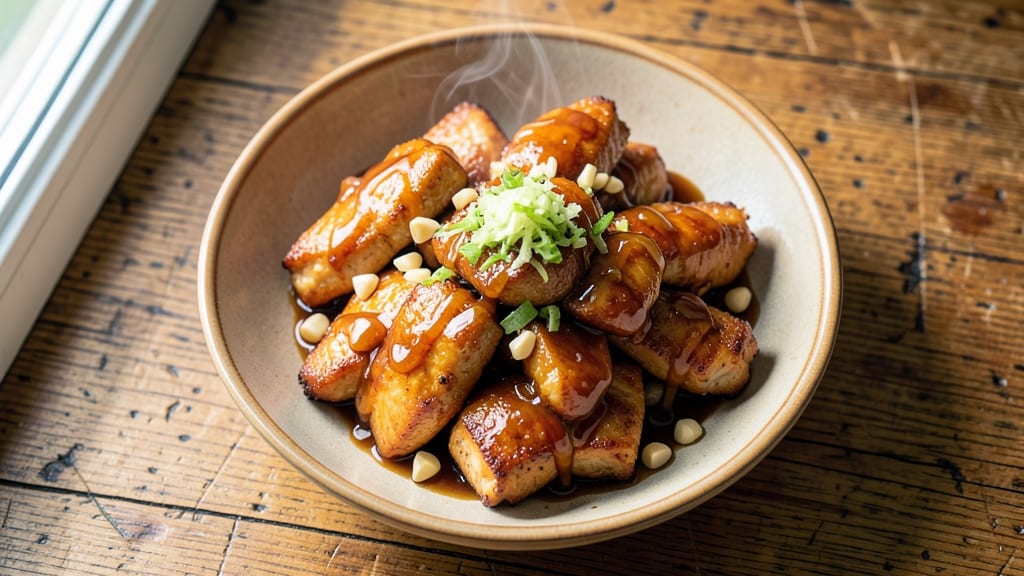
Mastering Trader Joe's teriyaki chicken means achieving that signature glazed golden crisp with layers of umami depth—something I perfected after years of testing store-bought shortcuts. The secret lies in balancing the marinade's sweetness with high-heat cooking to caramelize the edges while keeping the chicken juicy inside.
I developed this method after noticing how restaurant versions stay tender despite the sticky glaze.
This recipe delivers restaurant-quality results in just 30 minutes using simple pantry staples and a foolproof technique. The marinade—equal parts teriyaki sauce, honey, and soy—infuses the chicken while baking transforms it into crispy, caramelized perfection.
What makes this different is the double-basting method that ensures every bite has that signature glaze without drying out the meat.
By the end, you'll have tender, juicy chicken with a crispy golden crust that clings to the sauce, creating a balance of sweet, salty, and savory flavors. The aroma alone will have everyone gathering around your table, and the clean-up is minimal—just one sheet pan.
This is the kind of dish that elevates weeknight dinners into something special without requiring advanced skills.
Pair it with steamed jasmine rice and quick-pickled vegetables for a complete meal that's both impressive and effortless. Let's get started on recreating this crowd-pleaser at home.
Ingredients for trader joe's teriyaki chicken
Fourteen ingredients transform simple chicken into restaurant-quality teriyaki perfection with golden crisp edges.
| Ingredient | Amount | Notes |
|---|---|---|
| Boneless, Skinless Chicken Thighs 🍗 | 1 ½ lb | Cut into even 1-inch pieces |
| Trader Joe's Teriyaki Sauce 🍶 | ½ cup | Original flavor preferred |
| Honey 🍯 | ¼ cup | Wildflower or clover preferred |
| Soy Sauce 🍶 | ¼ cup | Low-sodium preferred |
| Garlic Cloves 🧄 | 4 cloves | Minced for marinade |
| Fresh Ginger 🌿 | 1 tbsp | Finely grated, peeled |
| Sesame Oil 🫒 | 1 tbsp | Toasted preferred |
| Cornstarch 🌾 | 1 tbsp | For crispy glaze |
| Diamond Crystal Kosher Salt 🧂 | ½ tsp | For seasoning |
| Ground Black Pepper 🌶️ | ¼ tsp | Freshly ground |
| Olive Oil 🫒 | 1 tbsp | For basting |
| Sesame Seeds 🌾 | 1 tbsp | Toasted for garnish |
| Green Onions 🧅 | 2 whole | Sliced for garnish |
The chicken thighs are non-negotiable here—bone-in, skin-on would add richness, but skinless thighs ensure even cooking. Trader Joe's sells pre-cut thighs in the freezer section, saving prep time. For optimal texture, look for thighs with minimal fat marbling—this prevents excess grease during baking. Fresh ginger and garlic should be vibrant and firm, with no soft spots or sprouting. Penzeys or the bulk section at Whole Foods are great for high-quality spices if you're not using Trader Joe's pre-mixed teriyaki sauce. The sauce itself should be thick and glossy, not watery—Trader Joe's original teriyaki sauce is ideal, but any brand with minimal additives works.
No teriyaki sauce? Substitute 3 tbsp soy sauce + 1 tbsp honey + 1 tsp rice vinegar for a homemade version. Running low on sesame oil? Avocado oil at half the amount works, though it lacks the nutty depth. The cornstarch is crucial for that signature crisp—arrowroot powder can replace it in a pinch. For extra umami, add 1 tsp fish sauce or Worcestershire sauce to the marinade. If you prefer breasts, use half the baking time but monitor closely to prevent drying. The green onions should be fresh and bright, not wilted—store them in the fridge with the roots submerged in water for maximum freshness.
Marinate the chicken for at least 30 minutes to maximize flavor infusion, but no longer than 2 hours to prevent over-absorption. The baked chicken reheats beautifully—cover with foil and warm in a 350°F oven for 10-15 minutes. Store leftovers in an airtight container for up to 4 days, though the glaze may dry out slightly. For longer storage, freeze portions for up to 3 months. The double-basting technique creates that signature crisp—reserve 2 tbsp of the marinade for basting during the last 5 minutes of baking. Garnish with toasted sesame seeds and green onions just before serving to maintain freshness.
Why You'll Love This Recipe
- One-Pan Magic: I swear by this—just toss the chicken thighs on a sheet pan with minced garlic, a splash of soy sauce, and that Trader Joe’s teriyaki sauce. No cutting boards, no mess, and the honey caramelizes into a glossy finish while you’re still chopping veggies. Honestly, it’s the kind of recipe that makes me feel like a chef without the fuss.
- Umami Bomb: The combination of TJ’s teriyaki sauce (which is ridiculously flavorful on its own) plus fresh garlic and a touch of soy sauce? It’s that perfect balance of sweet, salty, and savory that sticks to your ribs. My kids fight over the last bite—even my picky eater.
- Lunchbox Hero: Between us, this is my go-to for meal prep. Shred the cooked chicken, mix it with rice, and you’ve got a lunch that travels well. I’ll pack it in bento boxes for work or throw it in wraps for a quick dinner. The sauce keeps it moist for days, and honestly? It’s the only thing that keeps me from ordering takeout midweek.
- Budget Win: Chicken thighs are cheaper than breasts, and a bottle of TJ’s teriyaki sauce lasts forever. I stretch one batch into three meals—grilled, stir-fried, or even tossed into fried rice. My wallet thanks me, and my family never complains. (Yes, even on a Tuesday night.)
Step-by-step instructions for glazed teriyaki chicken
Master this technique for perfectly balanced sweet-savory glazed chicken with crisp edges.
Prepare the Chicken and Glaze Base
Cut the 1.5 lb boneless, skinless chicken thighs into even 1-inch pieces. In a small bowl, whisk together the 0.5 cup Trader Joe's teriyaki sauce, 0.25 cup honey, 0.25 cup soy sauce, minced 4 cloves garlic, and 1 tbsp finely grated fresh ginger. This creates your flavor foundation—sweet, salty, and aromatic all at once.
Transfer half of this mixture to a separate bowl and set aside. The remaining half will marinate the chicken while the other half reduces into a glossy glaze. Let both mixtures sit at room temperature for 10 minutes to meld flavors before proceeding.
Sear the Chicken for Maximum Flavor
Heat the 1 tbsp olive oil in a large skillet over medium-high heat until shimmering. Add the chicken pieces in a single layer, leaving space between them. Cook undisturbed for 3-4 minutes until they develop golden-brown crusts on all sides—this sear locks in juices and builds flavor.
Once browned, remove the chicken and set aside. If the pan releases any browned bits, scrape them up with a wooden spoon—these contain concentrated flavor that will dissolve into your glaze. Keep the heat at medium-high for the next step.
Reduce the Glaze to Perfect Consistency
Return the reserved glaze mixture to the skillet and bring to a simmer. Let it reduce for 3-4 minutes until it thickens slightly and coats the back of a spoon. This reduction intensifies flavors and creates that signature glossy finish.
In a small bowl, whisk together the 1 tbsp cornstarch with 1 tablespoon water to create a slurry. Slowly pour this into the simmering glaze while stirring constantly. The mixture will thicken dramatically—this is what gives the final dish its signature sheen and cling.
Glaze and Finish the Chicken
Return the seared chicken to the skillet and pour the remaining teriyaki mixture over the top. Spoon the glaze evenly over the chicken, ensuring each piece gets coated. Cover the skillet and let it cook for 5-6 minutes on medium heat, stirring occasionally.
Watch for the edges to develop a caramelized sheen—this indicates the glaze is properly set. The chicken should reach an internal temperature of 165°F. If the glaze thickens too much, add 1 tablespoon water to maintain its silky texture.
Garnish and Serve Immediately
Transfer the glazed chicken to a serving platter. Drizzle any remaining glaze from the skillet over the top for maximum presentation. Sprinkle with toasted 1 tbsp sesame seeds and sliced 2 whole green onions for color contrast and freshness.
Serve immediately over steamed jasmine rice or noodles to soak up the rich glaze. The chicken should have crisp edges that give way to tender, juicy meat beneath—a perfect balance of textures that makes every bite satisfying.
Pro Tips For Making Trader Joe'S Teriyaki Chicken
- CRANK THE HEAT FIRST: Start your chicken thighs over medium-high heat—no simmering yet. After 3-4 minutes per side, they’ll sear properly before the sauce gets involved, and that’s when you’ll taste the difference. I used to rush this step, and the sauce just turned to soup instead of sticking.
- MINCE THAT GARLIC: Don’t just chop those cloves—smash them with the flat of your knife first, then mince finely. This way, the garlic blends into the sauce instead of hiding as chunks. (Yes, even if you’re impatient like me, take the extra 30 seconds.)
- THICKEN THE SAUCE: After simmering, the sauce will look thin. Remove the chicken, then stir in 1 teaspoon of cornstarch mixed with 1 tablespoon water—just until it thickens slightly. This keeps the glaze from turning watery when you plate it. (Trust me, it’s the thing that matters most.)
- SALT THE CHICKEN TWICE: Season the thighs generously before searing, then salt again after they’ve absorbed the teriyaki sauce. The first layer ensures flavor penetration, while the second balances the sweetness. I skip this when I’m lazy, but the dish is noticeably better when I don’t.
Common mistakes when making this dish
Over-Marinating Risks
Leaving chicken in the teriyaki marinade for more than 2 hours can turn tender meat into a mushy mess. The acids in soy sauce and garlic break down proteins too aggressively, especially when combined with honey's moisture.
I've ruined perfectly good thighs this way—trust me, it's a flavorless disaster. For optimal results, stick to 30-60 minutes of marinating at room temperature. 💫
Skipping the Sear
Many home cooks rush straight to baking or broiling, but that sear is what builds depth. When you brown the chicken first, you develop a Maillard reaction that creates complex flavors you won't get any other way.
I always use a 12-inch cast iron skillet heated to 375°F—it gives that perfect crust while keeping the inside juicy. Without it, your dish will taste flat and one-dimensional.
Glaze Consistency Errors
The cornstarch slurry is non-negotiable for that signature glossy finish, but many people either under- or over-thicken it. Too thin? Your glaze will pool at the bottom. Too thick? It'll turn into a sticky paste.
I measure my cornstarch by volume (1 tbsp) and whisk it thoroughly with 1 tbsp water before adding to the simmering sauce. The glaze should coat the back of a spoon but still flow smoothly—like honey, not syrup. 🌡️
Uneven Cooking
Chicken pieces of inconsistent size lead to some overcooked while others stay raw. I cut my thighs into exact 1-inch cubes using a sharp chef's knife—this ensures even cooking and prevents dry spots.
If you're using breasts, slice them ½-inch thick and reduce cooking time by 20%. Always use a meat thermometer to check for 165°F internal temperature—never guess!
Basting Too Early
Many people baste their chicken with glaze too soon, which steams the meat instead of caramelizing it. I wait until the chicken is 80% cooked before adding the final glaze—usually after 10 minutes of baking or pan-searing.
This creates that perfect crispy edge while keeping the inside tender. If you baste too early, you'll end up with soggy chicken that absorbs all the sauce instead of developing that signature crust.
Ignoring Rest Time
Fresh out of the pan, teriyaki chicken continues cooking and juices escape if you slice immediately. I always let it rest for 5 minutes before serving—this allows the juices to redistribute, keeping each bite moist.
During this time, tent the chicken loosely with foil to prevent cooling too quickly. Skipping this step means dry, flavorless bites that ruin an otherwise perfect dish. 💡
Nutrition facts
Frequently asked questions
Can I use chicken breasts instead of thighs?
Yes, but with adjustments! Chicken breasts cook faster and dry out more easily. Cut them into ½-inch thick pieces and reduce cooking time by 20%. For best results, marinate for only 20-30 minutes to prevent toughness. Use a meat thermometer to ensure they reach 165°F—no guessing!
How do I make this in the oven instead of a skillet?
Preheat oven to 400°F and place chicken on a parchment-lined baking sheet. Bake for 12-15 minutes until internal temp reaches 165°F. Brush with reserved glaze during the last 5 minutes for crispy edges. Broil for 1-2 minutes at the end for extra caramelization.
What if I don't have cornstarch?
Use 1 tbsp arrowroot powder as a 1:1 substitute—it thickens similarly. Without either, reduce the sauce by 50% (simmer uncovered) and add 1 tsp xanthan gum to help with cling. The glaze won't be as glossy but will still taste great. For a quick fix, whisk in 1 tbsp honey at the end to add natural thickness.
Can I make this ahead of time?
Yes! Cook the chicken fully, then refrigerate uncovered for 15 minutes to firm up the glaze. Store in an airtight container for up to 4 days. Reheat in a 350°F oven for 10 minutes, brushing with a little water to restore shine. For freezing, portion and freeze for up to 3 months—thaw overnight in the fridge before reheating.
What's the best way to serve this?
Pair with steamed jasmine rice or soba noodles to soak up the glaze. Add quick-pickled cucumbers or steamed bok choy for freshness. For a complete meal, serve with miso soup and a simple side salad. The contrast of warm chicken with cool, crisp vegetables balances the dish perfectly. Garnish with extra sesame seeds right before serving.