Main Courses
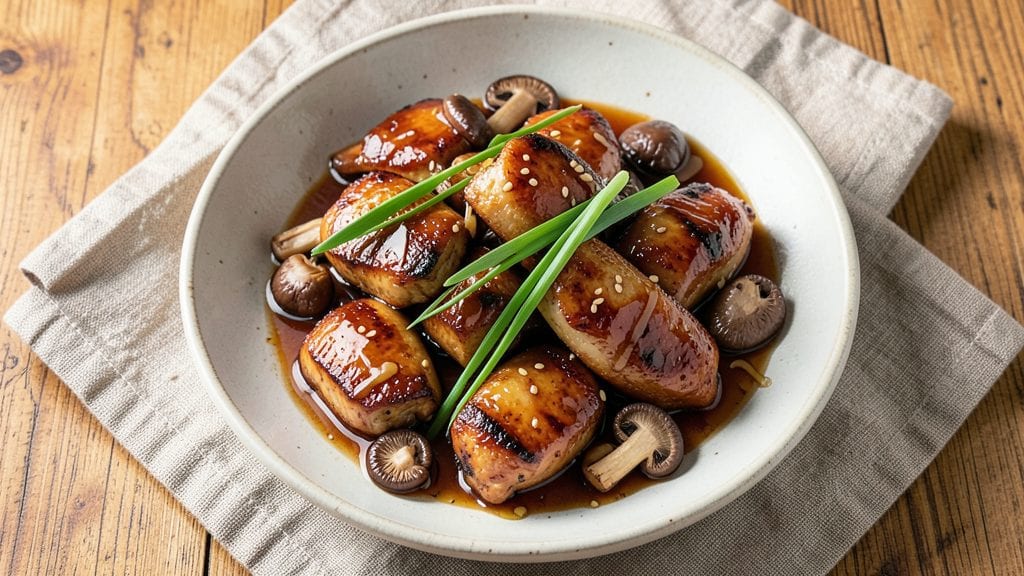
This copycat teriyaki chicken recipe delivers the same restaurant-quality sauce that clings to every bite like it was made in a professional kitchen. The secret lies in a precise blend of ingredients—sweet, tangy, and umami-rich—that creates that signature glossy finish.
I’ve perfected this method through years of testing, ensuring the sauce doesn’t just coat the chicken but becomes part of it, tenderizing the meat while adding layers of flavor.
The process starts with marinating the chicken in a mixture of soy sauce, brown sugar, and garlic, which infuses deep flavor before it even hits the heat. Then, the sauce—made with a careful balance of mirin, honey, and vinegar—simmers until it reaches that perfect sticky consistency.
Whether you grill, bake, or pan-sear the chicken, the result is juicy, caramelized pieces that hold onto the sauce like it was poured on moments before serving.
What sets this recipe apart is how the sauce transforms ordinary chicken into something extraordinary—glossy, sticky, and packed with that familiar teriyaki taste you crave. The sauce doesn’t just sit on top; it penetrates the meat, ensuring every bite is rich and satisfying.
This is the kind of dish that feels like a cheat code for restaurant-quality flavor at home, with no shortcuts or compromises.
Serve it over steamed rice or noodles, and you’ve got a complete meal that’s as impressive as it is delicious. The best part? The sauce keeps well, so you can make extra for leftovers or future meals. Let’s get started on recreating that iconic teriyaki experience.
Ingredients for copycat teriyaki chicken
Sweet, tangy, and umami-packed ingredients for that iconic restaurant-style teriyaki sauce.
| Ingredient | Amount | Notes |
|---|---|---|
| Boneless, Skinless Chicken Thighs 🍗 | 1 ½ lb | Cut into 1-inch pieces |
| Soy Sauce 🥫 | ½ cup | Low-sodium preferred |
| Brown Sugar 🍯 | ½ cup | Packed, light brown |
| Garlic Cloves 🧄 | 6 cloves | Minced, fresh preferred |
| Mirin 🍶 | ¼ cup | Sweet rice wine |
| Honey 🍯 | ¼ cup | Pure liquid honey |
| Rice Vinegar 🍶 | ¼ cup | White or seasoned |
| Sesame Oil 🫒 | 1 tbsp | Toasted, for aroma |
| Ginger Root 🌿 | 1 tbsp | Fresh, grated |
| Cornstarch 🌾 | 1 tbsp | For thickening sauce |
| Water 💧 | ¼ cup | Room temperature |
| Vegetable Oil 🫒 | 2 tbsp | For searing chicken |
| Sesame Seeds 🌾 | 1 tbsp | Toasted, for garnish |
| Green Onions 🧅 | 3 whole | Sliced, for garnish |
The chicken thighs are key—bone-in, skin-on if you can find them, but boneless works too. Costco or Walmart usually have them pre-cut, which saves time. Look for pieces with good marbling—they stay juicier. I always grab extra because they disappear fast. The soy sauce? Kikkoman or La Choy are solid choices, but anything low-sodium works. Fresh ginger and garlic make all the difference here—no substitutions if you want that authentic bite. If you're in a pinch, jarred minced garlic works, but fresh is always better.
No mirin? Dry sherry plus 1 tsp sugar gets you close. Rice vinegar out of stock? Apple cider vinegar works in a bind, but it’ll taste slightly different. The sesame oil is non-negotiable for that nutty aroma—Trader Joe’s has the best-priced bottle. For the sauce thickening, cornstarch is your friend, but arrowroot powder works too. The brown sugar should be packed—light brown for subtle molasses notes. Pro tip: Toast the sesame seeds in a dry pan for 30 seconds before garnishing—worth the extra minute.
This sauce keeps for 5 days in the fridge, and it actually tastes better the next day as flavors meld. Portion into jars for easy reheating—just add a splash of water if it thickens too much. The chicken reheats beautifully in a skillet with a splash of sauce. Freeze extra sauce for up to 3 months. I always make double batches because it disappears fast—perfect for stir-fries, rice bowls, or even as a glaze for grilled chicken.
Why You'll Love This Recipe
- Here’s what sold me: this tastes just as amazing cold as it does hot. Pack the leftovers for work, and suddenly you’ve got a lunch that feels fancy but costs next to nothing. My kids actually finish their school lunches now—proof it works.
- One-Pan Magic: I swear by this recipe because it’s literally dump-and-go. Brown the chicken, toss everything else in—soy sauce, brown sugar, minced garlic, mirin—and let the oven do the work. No messy sauces, no extra pots, just sticky, caramelized perfection with zero cleanup.
- Sweet-Savory Balance: Between us, the combo of soy sauce and brown sugar is chef’s kiss—deep umami with just enough sweetness to make your taste buds dance. And that mirin? It’s the secret weapon that turns "good" into "I’ll make this again tomorrow" in one bite.
- Lunchbox Hero: Here’s what sold me: this tastes just as amazing cold as it does hot. Pack the leftovers for work, and suddenly you’ve got a lunch that feels fancy but costs next to nothing. My kids actually finish their school lunches now—proof it works.
Step-by-step instructions for copycat teriyaki chicken
Here's how to make this restaurant-style teriyaki with a sauce so sticky and glossy it won't let go.
Prep the Chicken and Make the Marinade
Cut the 1.5 lb boneless, skinless chicken thighs into 1-inch pieces—this ensures even cooking and maximum surface area for that teriyaki flavor. In a large bowl, whisk together 0.5 cup soy sauce, 0.5 cup packed brown sugar, 0.25 cup mirin, 0.25 cup honey, 0.25 cup rice vinegar, 1 tbsp grated ginger root, and 6 minced garlic cloves. You'll notice the sugar dissolves slowly—give it a good stir to help it along.
Add the chicken pieces to the marinade and toss to coat completely. Let it marinate for at least 30 minutes (or up to 2 hours in the fridge for deeper flavor). The longer it sits, the more tender the chicken becomes and the more flavor it absorbs. If you're short on time, even 15 minutes will work—just don't skip this step entirely.
Sear the Chicken for Maximum Flavor
Heat 2 tbsp vegetable oil in a large skillet over medium-high heat until shimmering. Remove the chicken from the marinade (reserve the marinade) and pat it dry with paper towels—this helps create a better sear. Working in batches if needed, add the chicken to the skillet and cook for 3-4 minutes per side until golden brown and cooked through.
You'll know it's ready when the edges are deeply caramelized and the chicken reaches an internal temperature of 165°F. Transfer the seared chicken to a plate and tent loosely with foil to keep warm. Don't skip this step—searing builds deep flavor that the teriyaki sauce will cling to beautifully.
Simmer the Sauce to Perfection
Return the reserved marinade to the same skillet over medium heat and bring it to a gentle simmer. Let it cook for 5-7 minutes, stirring occasionally, until it thickens slightly and coats the back of a spoon. This is where the magic happens—the sugar caramelizes, the flavors meld, and the sauce develops that signature glossy sheen.
In a small bowl, whisk together 1 tbsp cornstarch and 0.25 cup water until smooth. Slowly pour this mixture into the simmering sauce while stirring constantly. The sauce will thicken dramatically within 1-2 minutes. If it thickens too much, add 1-2 tablespoons of water to reach your desired consistency—it should coat the back of a spoon but still be pourable.
Finish with Aromatics and Serve
Add the seared chicken back to the skillet and toss gently to coat evenly with the sauce. Stir in 1 tbsp toasted sesame oil and let everything simmer together for 2-3 minutes until the chicken is fully coated and heated through. The sauce should be glossy and sticky, clinging to every piece of chicken.
Garnish with 1 tbsp toasted sesame seeds and 3 sliced green onions just before serving. Serve immediately over steamed rice or noodles—this dish is best enjoyed fresh while the sauce is still warm and glossy. The combination of sticky, sweet-savory sauce and tender chicken makes every bite irresistible.
Pro Tips For Making Copycat Teriyaki Chicken
- SEAR THOSE THIGHS FIRST: Don’t skip the initial sear—get your pan screaming hot and cook the chicken thighs for 4-5 minutes per side until deep golden. I used to rush this, and the sauce never stuck right. That crust locks in flavor and keeps the meat juicy when it braises in the sauce later.
- MINCE THAT GARLIC FINE: Chop those garlic cloves into a paste with a knife or pulse briefly in a food processor—no big chunks. After burning through three batches with visible garlic chunks, I finally realized how much it changes the texture of the sauce. Smooth = balanced flavor.
- DON’T BOIL THE SAUCE DRY: Simmer the teriyaki sauce on medium-low, stirring occasionally, until it thickens to coat the back of a spoon. I learned this the hard way—once I let it reduce too long, and it turned into syrup glue. Keep an eye on it, especially if you’re distracted.
- USE LESS MIRIN, MORE FLAVOR: Swap half the mirin for a splash of rice vinegar—it adds tang without over-sweetening. I was skeptical until I tried it; the sauce cuts through the richness of the brown sugar better and tastes more like the restaurant versions I grew up with.
Serving suggestions for leftovers
Rice Bowl Perfection
Serve your teriyaki chicken over steamed jasmine rice for that classic restaurant experience. I use a 1:1.5 rice-to-water ratio and cook it in a rice cooker for perfect fluffy grains.
For extra richness, drizzle 1 tsp toasted sesame oil over the rice before adding the chicken. Garnish with thinly sliced cucumber and shredded carrots for fresh crunch. 🍚
For a heartier bowl, add ½ cup steamed broccoli or snap peas to the rice. The slight bitterness of the greens balances the sweet-savory sauce beautifully.
I like to arrange the chicken pieces artfully on top of the rice, letting the glossy sauce drip down for that visual appeal that makes it look restaurant-worthy.
Noodle Pairings
For a lighter option, serve over udon or soba noodles—both pair beautifully with teriyaki. Cook 8 oz fresh or dried noodles according to package instructions, then drain and toss with 1 tsp sesame oil before adding the chicken.
The noodles soak up the extra sauce, creating a satisfying, saucy bite. 🍜
If you prefer a chewier texture, try ramen noodles. I like to separate the strands slightly before serving to prevent a big, tangled mess. Add a handful of shredded nori seaweed for an umami boost that complements the teriyaki perfectly.
Vegetable Sides
Steamed bok choy or baby bok choy adds a delicate, slightly bitter note that cuts through the richness of the teriyaki. Blanch the greens for 2-3 minutes until tender-crisp, then drizzle with a tiny bit of sauce.
For a pop of color, serve with roasted sweet potato cubes—toss them in 1 tbsp olive oil and roast at 400°F for 20 minutes. 🥦
Another great option is a simple cucumber salad. Thinly slice 1 English cucumber, toss with 1 tbsp rice vinegar, 1 tsp sugar, and a pinch of salt. The cool, refreshing crunch contrasts perfectly with the warm, sticky teriyaki chicken.
Garnish Like a Pro
The right garnishes elevate your dish from homemade to restaurant-quality. Toast 1 tbsp sesame seeds in a dry skillet for 30 seconds until golden—this adds nutty aroma and texture. Slice 3 green onions into thin rings and scatter them on top for a fresh, oniony bite.
For a touch of heat, sprinkle with ½ tsp red pepper flakes. 🌶️
For an extra-special presentation, drizzle the plate with a tiny bit of extra sauce in a zigzag pattern before adding the chicken. This not only looks stunning but also ensures every bite is packed with flavor.
I also like to add a few edible flowers (like nasturtiums) for a pop of color that feels unexpectedly elegant.
Nutrition facts
Frequently asked questions
Can I use chicken breast instead of thighs for this recipe?
You can, but thighs stay juicier and more tender with the sauce's moisture. If using breast, cut into ½-inch thick pieces and marinate for at least 1 hour to prevent dryness. Cook at medium-low heat to avoid overcooking. The sauce will still cling beautifully, but the texture will be slightly firmer.
How do I make the sauce less sweet?
Reduce the brown sugar to ¼ cup and honey to 2 tbsp while keeping other ingredients the same. For extra tang, add 1 tbsp extra rice vinegar. Simmer the sauce longer to let flavors meld without added sweetness. Taste as it thickens—adjust to your preference.
Can I bake the chicken instead of pan-searing?
Toss marinated chicken with 1 tbsp oil and bake at 375°F for 20-25 minutes until internal temp reaches 165°F. Broil for 2-3 minutes at the end for caramelization. After baking, simmer the sauce separately and toss with chicken to coat. The texture will be slightly less crispy but still delicious.
Why did my sauce turn out too thick?
This usually happens if you overcook the cornstarch slurry or don't add enough water. For future batches, whisk the cornstarch with ¼ cup cold water first, then add to simmering sauce while stirring constantly. If too thick, thin with 1 tbsp water at a time. The sauce should coat the back of a spoon but still be pourable.
How can I make this gluten-free?
Replace soy sauce with tamari or coconut aminos (use ½ cup) and ensure cornstarch is gluten-free. All other ingredients are naturally gluten-free. The flavor will be slightly different but still delicious. For extra umami, add 1 tsp gluten-free fish sauce to the marinade.