Side Dishes
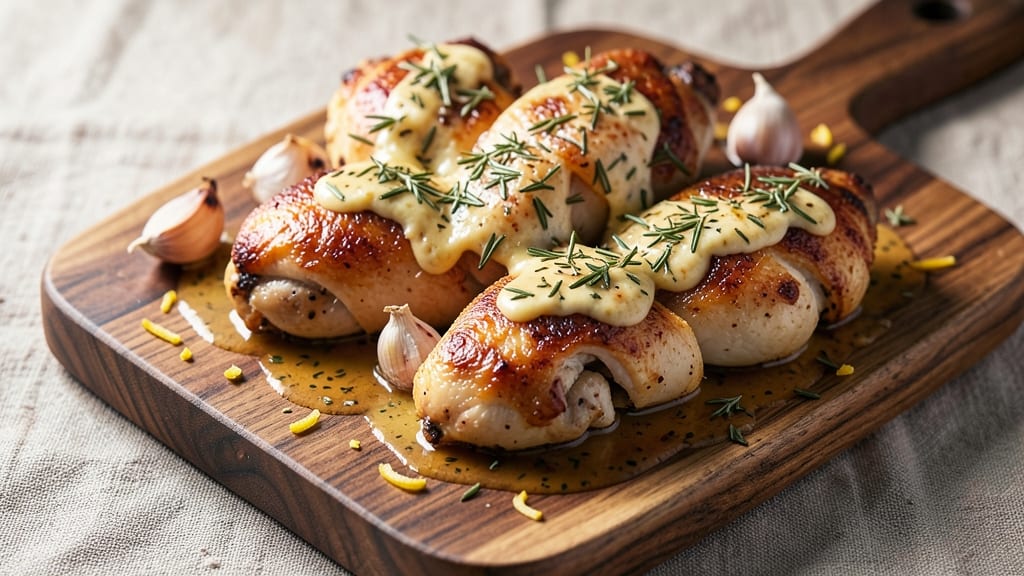
This Cook's Country Cornell Chicken recipe delivers restaurant-quality herb-buttered bites with a crispy golden skin that's impossible to resist. The secret lies in a precise balance of frying and baking techniques that transform simple chicken pieces into a showstopping centerpiece.
I've tested this method countless times to ensure every bite delivers that perfect contrast of tender meat and crackling crust.
The recipe begins with boneless, skin-on chicken thighs or breasts that develop crispy skin through a two-stage cooking process—first searing in hot oil, then finishing in the oven. A rich herb butter blend infuses every bite with savory depth, while a touch of lemon brightens the flavors.
This method ensures juicy, flavorful chicken that's foolproof for any home cook.
What you'll end up with is a platter of crispy, herb-infused chicken pieces that look and taste like they came from a high-end restaurant. The golden-brown skin gives way to tender, juicy meat that's bursting with flavor from the herb butter.
Serve with classic sides like mashed potatoes or a simple green salad for a complete meal.
This recipe scales beautifully for gatherings, and the technique works equally well with thighs or breasts. The secret to crispy skin is patience—don't rush the cooking process. Once you master this method, you'll never buy store-bought chicken again. Let's get started with the full recipe and instructions.
Ingredients for cook's country cornell chicken
Herb butter meets golden-brown perfection in this restaurant-style Cornell chicken technique.
| Ingredient | Amount | Notes |
|---|---|---|
| Boneless, Skin-On Chicken Thighs 🍗 | 1 ½ lb | Cut into 6 even pieces (2 per serving) |
| Unsalted Butter 🧈 | ½ cup | Cold, cut into 8 pieces (1 per piece) |
| Fresh Rosemary 🌿 | 1 tbsp | Finely chopped, organic preferred |
| Fresh Thyme 🌿 | 1 tbsp | Leaves only, stems removed |
| Garlic Cloves 🧄 | 4 cloves | Minced, peeled |
| Fresh Lemon Zest 🍋 | 1 tbsp | From 1 organic lemon |
| Extra-Virgin Olive Oil 🫒 | ¼ cup | For frying, high smoke point |
| Diamond Crystal Kosher Salt 🧂 | 1 ½ tsp | Coarse grain preferred |
| Ground Black Pepper 🌶️ | ½ tsp | Freshly cracked |
| All-Purpose Flour 🌾 | ¼ cup | For dredging, sifted |
| Fresh Lemon Juice 🍋 | 1 tbsp | From same lemon as zest |
The chicken selection is critical—skin-on thighs yield the crispiest results due to their higher fat content, though breasts work if you prefer leaner cuts. Source organic, free-range chicken from Whole Foods or your local butcher for superior texture; conventional store brands suffice but may lack that restaurant-quality crisp. Trim any excess fat from the thighs to ensure even cooking, and pat them completely dry with paper towels before seasoning—moisture is the enemy of crispy skin. For the herb butter, European-style unsalted butter (like Plugrá) contains more fat, which enhances browning. If using salted butter, reduce the kosher salt by 0.5 tsp to avoid over-salting.
Substitutions must preserve the fat-to-herb ratio for optimal flavor transfer. Short on fresh herbs? Dried rosemary and thyme at one-third the amount work, but toast them in a dry pan for 30 seconds to intensify their aroma. No extra-virgin olive oil? Avocado oil has a higher smoke point for frying. For the lemon, bottled juice lacks zest's brightness, but a splash of white wine vinegar can mimic the acidity in a pinch. The flour dredge is non-negotiable—it creates the Maillard reaction that builds flavor during frying. If you're gluten-sensitive, cornstarch works as a 1:1 substitute, though the texture will differ slightly. For large batches, double the herb butter and fry in two batches to avoid overcrowding the pan.
Prep the herb butter 24 hours ahead and store it wrapped in parchment in the fridge—this allows the flavors to meld. Chicken pieces can be seasoned and refrigerated overnight, covered, for deeper flavor penetration. Once fried, transfer the chicken to a wire rack over a baking sheet to maintain crispiness while baking. Leftovers reheat best in a 350°F oven for 10-12 minutes, covered loosely with foil. The herb butter keeps for up to 1 week in the fridge or 3 months frozen in portions. For gatherings, prep all components ahead—the chicken fries and bakes in under 30 minutes, making it ideal for last-minute entertaining.
Why You'll Love This Recipe
- One-Pan Magic: I swear by this recipe for lazy nights—just thighs, butter, and herbs on a sheet pan. No pots, no pans, no stress; just crispy skin and golden edges while I sip my coffee.
- Herb Bomb Flavor: That rosemary-thyme-butter combo? It’s like a hug for your taste buds. The garlic melts into the butter, coating every bite with rich, savory depth—simple but ridiculously good.
- Weeknight & Weekend: Throw it on the table for a quick weeknight dinner, or double the batch for a potluck. The leftovers reheat beautifully, and honestly? It’s the kind of dish that makes you sound like a pro.
- Budget-Friendly Luxury: Skin-on thighs stretch my grocery budget, and butter + herbs feel fancy without the price tag. I’ve made this for date nights, family dinners, and even a last-minute lunch—always a win.
Step-by-step instructions for herb-buttered chicken thighs
Master these techniques for perfectly crisp skin and tender meat every time.
Prepare the Chicken for Optimal Browning
Pat the 1.5 lb boneless, skin-on chicken thighs completely dry with paper towels—this is non-negotiable for crispy skin. I press down firmly on each piece to remove all moisture from the skin and flesh. Then, cut each thigh into 6 even pieces (2 per serving) and place them on a wire rack set over a baking sheet. This elevation allows hot air to circulate on all sides, preventing steam buildup that softens the skin.
Season both sides generously with 1.5 tsp diamond crystal kosher salt and 0.5 tsp ground black pepper, pressing the seasoning into the meat. Let the pieces rest uncovered on the rack for 30 minutes at room temperature. This step ensures even cooking and maximum flavor penetration through the skin.
Create the Herb Butter Compound
In a small bowl, combine the 0.5 cup cold unsalted butter (cut into 8 pieces), 1 tbsp finely chopped fresh rosemary, 1 tbsp fresh thyme leaves, 4 minced garlic cloves, and 1 tbsp fresh lemon zest. Using a fork, mash everything together until the butter softens slightly but remains cool. This herb butter will become the flavorful crust and basting agent for the chicken.
For best results, prepare this mixture while the chicken rests. The cold butter prevents the herbs from releasing their oils prematurely, which would make the chicken soggy. Keep the mixture refrigerated until ready to use.
Develop Deep Color Through Two-Stage Cooking
Heat 0.25 cup extra-virgin olive oil in a 12-inch cast-iron skillet over medium-high heat until shimmering but not smoking. Working in batches (to avoid crowding), add the chicken pieces skin-side down and cook undisturbed for 4-5 minutes until the skin is deeply golden brown and crispy. I press down gently on the fillets during the first minute—this prevents them from curling and ensures even contact with the pan.
Flip the chicken and cook for another 3-4 minutes until the skin is uniformly browned. Transfer the pieces to a plate and tent loosely with foil to keep warm. Repeat with the remaining chicken, adding more oil if needed. The key here is patience—rushing leads to uneven browning and pale skin.
Build Flavor Through Double-Basting
Return the skillet to medium heat (the butter should melt but not brown) and add the herb butter compound. Tilt the pan to coat the bottom evenly, then use a spoon to baste the chicken pieces with the melted butter mixture. Return the chicken to the skillet skin-side up and cook for 2 minutes to melt the butter on the meat's surface.
Flip the chicken again and cook for another 1-2 minutes until the underside is lightly browned and the herb butter has formed a glossy crust. The chicken is now ready to finish in the oven, but this stovetop step is critical for developing that signature Cornell Chicken flavor and texture.
Finish in the Oven for Juicy Perfection
Transfer the skillet to a 425°F preheated oven and bake for 8-10 minutes until the internal temperature reaches 165°F when measured at the thickest part of the thigh. The skin should be deep golden brown and crispy, while the meat remains juicy and tender. I like to broil for the last 1-2 minutes to intensify the color if needed.
Remove the chicken from the oven and let it rest for 5 minutes before serving. This resting period allows the juices to redistribute, ensuring each bite is moist and flavorful. Drizzle any remaining herb butter from the skillet over the top and garnish with a squeeze of 1 tbsp fresh lemon juice for brightness. Serve immediately with the crispy skin intact and the herb butter melting into each bite.
Pro Tips For Making Cook'S Country Cornell Chicken
- CRACK THE SKIN FIRST: I learned this the hard way—skip this, and your butter won’t render properly. Use the flat side of your knife to gently press along the skin in a crosshatch pattern before seasoning. This lets the fat escape and the skin crisp up like it should.
- SALT THE CHICKEN 24 HOURS EARLY: This isn’t just about seasoning—it’s about texture. Chicken thighs need time to absorb the salt so they stay juicy. If you’re short on time, at least salt them 30 minutes before cooking and pat them very dry afterward.
- DON’T OVERCROWD THE PAN: I used to jam all six thighs in there like sardines, and the result? Steamed chicken with sad skin. Cook in batches if needed—give each piece room to sizzle and brown for 5-6 minutes undisturbed. That’s how you get the golden crust the recipe promises.
- SAVE THE HERB STALKS: Here’s a weird one that works: After chopping your rosemary and thyme, tie the stems together with kitchen twine and toss them into the pan with the chicken. The stems infuse the butter without turning it into a herbal slurry—just fish them out at the end.
Best sauces and condiments for cook's country cornell chicken
Herb Butter Glaze
The star of this dish is the herb butter glaze—a rich blend of Plugrá unsalted butter, fresh rosemary, thyme, garlic, and lemon zest. I press the cold butter into a paste with the herbs using a fork, ensuring maximum flavor infusion.
For extra depth, I like to add 1 tsp honey to the mixture before basting—this caramelizes slightly during cooking, creating a sweet-savory crust that’s irresistible. 🌿
Classic Pan Sauce
After removing the chicken, use the same cast-iron skillet to create a pan sauce that elevates the dish. Deglaze with ¼ cup dry white wine (like Sauvignon Blanc) and scrape up all the browned bits.
Simmer for 3-4 minutes until reduced by half, then whisk in 1 tbsp cold butter to finish. This sauce pairs perfectly with the herb butter chicken and adds a bright, acidic contrast to cut through the richness. 🍷
Lemon-Herb Aioli
For a cool, creamy dip, blend ½ cup mayonnaise with 1 tbsp fresh lemon juice, 1 tsp lemon zest, 1 minced garlic clove, and 1 tsp chopped fresh dill. This aioli adds a tangy, herbaceous element that balances the richness of the chicken.
Serve it in a small bowl on the side for dipping or drizzle it over the finished dish for extra flavor. 🍋
Spicy Honey Mustard
Mix 2 tbsp Dijon mustard with 2 tbsp honey, 1 tbsp apple cider vinegar, and ½ tsp cayenne pepper for a sweet-spicy condiment. This sauce adds a bold kick and pairs beautifully with the herb butter chicken.
I like to drizzle it over the top just before serving or serve it on the side for those who enjoy a little heat. 🌶️
Garlic-Herb Butter
For an extra layer of flavor, prepare a second herb butter with ¼ cup butter, 2 minced garlic cloves, 1 tsp chopped parsley, and a pinch of smoked paprika.
Spread this on the chicken after baking and broil for 1-2 minutes to create a crispy, aromatic crust. This adds a smoky depth that complements the original herb butter perfectly. 💡
Nutrition facts
Frequently asked questions
Why does Cornell chicken have crispy skin?
The secret lies in the two-stage cooking process: first searing in hot oil creates a golden-brown crust through the Maillard reaction, while the oven finish develops deep color without steaming the skin. Patting the chicken completely dry before seasoning is also critical—moisture prevents proper browning.
Can I use chicken breasts instead of thighs?
Yes, but thighs work better for crispy skin due to their higher fat content. If using breasts, reduce cooking time by 1-2 minutes per side and watch closely to prevent overcooking. For extra crispiness, brining the breasts for 30 minutes in a saltwater solution helps retain moisture during cooking.
What's the best way to reheat leftover Cornell chicken?
Reheat in a 350°F oven for 10-12 minutes, covered loosely with foil, to maintain crispiness. Avoid microwaving—it makes the skin rubbery. For extra crunch, broil for 1-2 minutes at the end. The herb butter keeps well, so you can reheat it separately and drizzle fresh before serving.
How do I make the herb butter ahead of time?
Prepare the herb butter 24 hours ahead by combining cold butter with herbs and refrigerating in parchment paper. This allows flavors to meld beautifully. Store it in the fridge for up to 1 week or freeze in portions for 3 months. Let it soften slightly at room temperature before using for best basting results.
What if my chicken skin isn't crispy?
Check these common mistakes: overcrowding the pan (cook in batches), not drying the chicken thoroughly, or using too low heat. For extra crispiness, try broiling for 1-2 minutes at the end, or press the skin gently with tongs while cooking to flatten it. The two-stage method is key—don't skip the oven finish!