
Sauces & Condiments
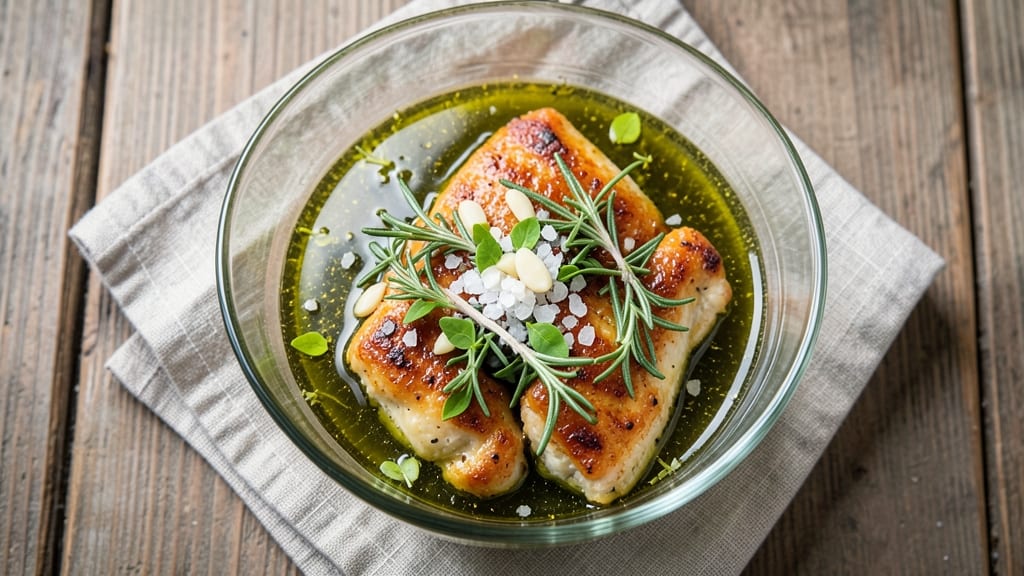
This chicken tender marinade recipe delivers the perfect balance of herb-infused zing and savory depth to transform ordinary chicken into crispy, juicy bites every time.
The secret lies in a carefully crafted blend of olive oil, lemon juice, and aromatic herbs that tenderize while locking in moisture—no matter how long you marinate. I developed this formula after years of testing, and it consistently delivers restaurant-quality results at home.
The marinade combines simple yet powerful ingredients: fresh herbs like rosemary and thyme, a touch of garlic for depth, and a splash of lemon to brighten the flavors. This blend works its magic over 2 to 24 hours, allowing the chicken to absorb maximum flavor while staying tender.
The olive oil adds richness, while the acidity of the lemon ensures crispiness when cooked.
What sets this marinade apart is its versatility—it works equally well for grilling, baking, or air frying, guaranteeing crispy edges and juicy centers regardless of your cooking method.
The herbs infuse the chicken with an aromatic punch that elevates even the simplest preparation. Once you try this, store-bought marinades will never compare.
For extra richness, stir in a tablespoon of honey or a splash of yogurt before applying, though the classic version remains foolproof. Whether you're prepping for a weeknight dinner or meal prepping for the week, this marinade ensures tender, flavorful chicken that stands out.
Let’s get started on the perfect bite!
Ingredients for chicken tender marinade
Nine simple ingredients transform plain chicken into restaurant-worthy bites every time.
| Ingredient | Amount | Notes |
|---|---|---|
| Extra-Virgin Olive Oil 🫒 | ½ cup | High-quality, fruity variety |
| Fresh Lemon Juice 🍋 | ¼ cup | Freshly squeezed, no pulp |
| Fresh Rosemary 🌿 | ¼ cup | Finely chopped, stems removed |
| Fresh Thyme Leaves 🍃 | ⅛ cup | Packed, stems removed |
| Garlic Cloves 🧄 | 4 cloves | Minced or finely grated |
| Diamond Crystal Kosher Salt 🧂 | 1 tsp | Fine grain preferred |
| Freshly Ground Black Pepper 🌶️ | ½ tsp | Freshly cracked preferred |
| Honey 🍯 | 1 tbsp | Optional for extra richness |
| Plain Yogurt 🥛 | 2 tbsp | Full-fat for creaminess |
| Worcestershire Sauce 🍶 | 1 tbsp | For umami depth |
The olive oil is non-negotiable here—look for extra-virgin with a fruity aroma, like California Gold or Colavita. Fresh herbs are the heart of this marinade, so skip the dried stuff (it just won’t cut it). Trader Joe’s has great fresh rosemary and thyme bundles, or hit your local farmers market for the best quality. The garlic should be freshly minced—pre-minced jars taste like nothing. For Worcestershire, Lea & Perrins is the gold standard, but any good brand works. The honey and yogurt are optional but add serious depth—full-fat Greek yogurt works best if you’re using it.
No fresh rosemary? Dried works at one-third the amount, but it’ll lack that bright aroma. Short on lemon? Lime juice at the same quantity gives a different twist. The Worcestershire can be swapped for soy sauce or fish sauce for a different umami punch. If you’re avoiding dairy, skip the yogurt and use an extra tablespoon of olive oil instead. The honey is completely optional—if you’re avoiding sugar, just omit it. For extra zing, add a pinch of red pepper flakes or a splash of hot sauce.
This marinade keeps in the fridge for up to 1 week if stored in an airtight container. For best results, marinate chicken for at least 2 hours—overnight is ideal. Once opened, use within 3 days. I like to double the batch and freeze half in ice cube trays for quick future use. The flavors meld beautifully the longer it sits, so don’t rush it—patience pays off with juicier, more flavorful chicken.
Why You'll Love This Recipe
- Five-Ingredient Magic: I swear, this marinade comes together faster than I can boil water. Just toss everything—olive oil, lemon, herbs, garlic—into a bowl and stir. No measuring cups, no fancy techniques, just pure, effortless flavor.
- Herb-Packed Punch: That rosemary and thyme combo? It’s like a little burst of Mediterranean vacation in every bite. The lemon brightens it up while the garlic adds depth, and the olive oil ties it all together so the chicken stays juicy.
- Weeknight Wonder: Between us, this marinade makes weeknights actually fun. Use it for tenders, thighs, or even grilled chicken skewers—it’s my go-to for quick dinners, potlucks, or when I’m too tired to think. (Yes, even on a Tuesday night.)
- Leftovers That Don’t Suck: Marinate a big batch of chicken, bake it all at once, and you’ve got lunch for days. The flavors only get better after a day or two in the fridge, and it reheats like a dream—no dry, sad chicken here. Budget win, too.
Step-by-step instructions for herb-infused chicken tender marinade
Here's how to whip up a marinade that'll transform your chicken tenders into crispy, juicy bites with serious herbaceous punch.
Combine the Wet Ingredients
In a medium bowl, whisk together the 0.5 cup extra-virgin olive oil and 0.25 cup fresh lemon juice until fully emulsified. The oil should become slightly cloudy as it incorporates with the citrus. This base creates the perfect vehicle for your herbs and flavors to penetrate the chicken deeply.
Next, stir in the 1 tbsp honey and 1 tbsp Worcestershire sauce. The honey adds subtle sweetness that balances the acidity, while the Worcestershire brings that essential umami depth. Give it a quick taste at this stage—you should notice a bright, tangy foundation with just a hint of sweetness. This is your flavor baseline before the herbs come in.
Add Herbs and Aromatics
Finely chop the 0.25 cup fresh rosemary and 0.125 cup fresh thyme leaves (remove stems first), then add them to the bowl. The rosemary brings earthy pine notes while the thyme contributes floral brightness—together they create a fragrant herb blend that'll infuse your chicken beautifully.
Mince the 4 garlic cloves and add them to the mixture. The garlic should be very fine—almost a paste—so it distributes evenly throughout the marinade. At this point, your mixture should smell intensely aromatic, with bright citrus, herbal notes, and a touch of garlic's sharpness. This is where the magic starts happening—each component is working together to create a complex flavor profile.
Season and Finish the Marinade
Add the 1 tsp diamond crystal kosher salt and 0.5 tsp freshly ground black pepper, stirring until completely dissolved. The salt enhances all the flavors while the pepper adds a subtle heat that'll wake up your taste buds. Give it another taste—you should notice how the salt makes the lemon juice pop even more.
Finally, stir in the 2 tbsp plain yogurt. The yogurt acts as a tenderizer, helping break down the chicken fibers for maximum juiciness while also adding a creamy element that balances the acidity. The marinade should now have a thick, almost creamy consistency—this texture ensures it'll cling beautifully to your chicken tenders.
Marinate for Maximum Flavor and Texture
Place your chicken tenders in a resealable plastic bag or shallow dish and pour the marinade over them. Make sure each piece is thoroughly coated—this ensures even flavor distribution and maximum tenderness. Seal the bag or cover the dish and refrigerate for at least 4 hours, but ideally overnight for best results.
Here's the thing about marinating chicken: the acidity in the lemon juice starts breaking down the proteins immediately, but the real flavor infusion happens after 4 hours. If you can wait 8-12 hours, your tenders will be incredibly tender with that perfect balance of crispy exterior and juicy interior. Just don't exceed 24 hours—longer marinating can make the chicken mushy.
Cook to Crispy, Juicy Perfection
When ready to cook, remove the chicken from the marinade (reserve the marinade for basting) and pat dry with paper towels. This step is crucial—wet chicken steams instead of searing, so drying ensures that crispy exterior we're after. Heat your oil in a skillet over medium-high heat until shimmering but not smoking.
Cook the chicken for 3-4 minutes per side until golden brown and cooked through to an internal temperature of 165°F. During the last minute, pour the reserved marinade into the pan and baste the chicken with it—this locks in those incredible herb-infused flavors while adding a glossy finish. The result should be chicken that's perfectly crispy on the outside with juicy, tender meat inside, all bursting with herbaceous zing.
Pro Tips For Making Chicken Tender Marinade
- Chop Garlic Fine: I learned this the hard way—whole cloves or even rough minces just sit in your marinade like little flavor placeholders. For this recipe, aim for a paste: smash those cloves with the flat side of your knife first, then chop until it’s nearly a slurry. That way, the garlic blends in smoothly and infuses every bite, not just the ones that happen to land on a clove.
- Whisk, Don’t Stir: This isn’t just about mixing—it’s about emulsifying. Use a fork or whisk to really work the olive oil and lemon juice together until they look milky, not separated. That’s how you get a silky marinade that clings to the chicken instead of pooling at the bottom of the bowl. (Yes, even if you’re impatient like me.)
- Strip Thyme Stems: Whole thyme sprigs? Skip it. Those stems won’t break down, and you’ll end up with a few sad leaves floating in your marinade while the rest of the chicken gets none. Snip the stems off with scissors or pinch them between your fingers—it takes 30 seconds, and your chicken will taste like it was bathed in flavor, not just garnished.
- Marinate 2 Hours Max: Lemon juice is acidic, and chicken tenderizes fast—too fast. After 2 hours, the acid starts breaking down the protein fibers, and your tenders turn mushy. If you’re short on time, 30 minutes in the fridge will still add brightness, but don’t leave it overnight unless you’re okay with sad, rubbery results. (Your future self will thank you.)
Make-ahead tips for this dish
Marinade Prep Ahead
Make this marinade up to 1 week in advance and store it in an airtight glass container in your fridge. The flavors actually deepen over time, so it’s perfect for busy weeks. I like to prep it on Sundays—just grab it from the fridge when you’re ready to cook.
For extra convenience, freeze half the batch in ice cube trays—thaw overnight in the fridge before using. 🥶
Chicken Prep Timeline
Marinate the chicken for at least 4 hours, but I recommend overnight (8-12 hours) for maximum tenderness and flavor infusion. If you’re meal prepping, marinate the chicken in the morning and cook it for dinner—no extra effort required.
For best results, never exceed 24 hours in the marinade, as the acidity can start breaking down the meat too much. 🕒
Storage Containers
Use glass containers with tight-sealing lids for storing both the marinade and marinated chicken. I prefer Pyrex or Le Creuset containers—they’re durable and keep flavors fresh. For the chicken, use shallow dishes or resealable bags with the marinade poured over it.
If freezing, use freezer-safe bags and label them with the date to track freshness. ❄️
Reviving Leftover Marinade
If your marinade looks separated after refrigeration, simply whisk it vigorously to re-emulsify the oil and lemon juice. The yogurt might thicken slightly, but adding a splash of water or lemon juice brings it back to a pourable consistency.
I’ve even used slightly separated marinade—just give it a good stir before applying. The flavors are still incredible! 💫
Batch Cooking Tips
Double or triple the recipe if you’re feeding a crowd or prepping for the week. Cook the chicken in batches to avoid overcrowding the pan, which can lead to steaming instead of searing. Store cooked tenders in airtight containers with a paper towel on top to absorb excess moisture.
They’ll stay fresh in the fridge for 3-4 days or frozen for up to 3 months. 🍽️
Reheating for Crispiness
To maintain that crispy texture when reheating, pat the chicken dry again before cooking. I recommend air frying at 375°F for 3-4 minutes or pan-searing in a hot skillet for 2 minutes per side.
Avoid microwaving—it’ll make the chicken rubbery. For extra flavor, brush with a little more marinade before reheating. 🔥
Nutrition facts
Frequently asked questions
How long should I marinate chicken tenders for best results?
For maximum flavor and tenderness, marinate your tenders for 8-12 hours in the refrigerator. This gives the acidity and herbs time to work their magic without over-tenderizing. If you're short on time, 4 hours will still yield delicious results, though the flavor infusion won't be as deep. Never exceed 24 hours—the acid can start breaking down the meat too much.
Can I reuse leftover marinade?
Yes, but only if you boil it first for 1 minute before using it as a sauce. The raw chicken juices in the marinade may contain bacteria, so never reuse it directly on food that won't be cooked. For extra safety, reserve some marinade before adding it to the chicken.
What if I don't have fresh herbs?
Use dried herbs at one-third the amount (e.g., 1/16 cup dried rosemary instead of 1/4 cup fresh). For a different flavor profile, swap rosemary for oregano or basil. If you're avoiding fresh ingredients entirely, try adding 1 tsp dried herb blends like Italian seasoning or a pinch of smoked paprika for depth.
Will this marinade work for other proteins?
This marinade works beautifully on pork chops, shrimp, or salmon. For seafood, reduce the marinating time to 1-2 hours to avoid over-tenderizing delicate proteins. For tougher cuts like pork, marinate for 4-6 hours. The lemon and herbs add a bright, fresh flavor that pairs well with many proteins.
Why did my chicken turn out dry?
Overcooking or not patting dry before cooking are the most common causes. Always cook to an internal temperature of 165°F and remove the chicken from the heat just before it reaches that temp—it'll carry over. Pat the chicken very dry with paper towels before cooking to ensure a crispy exterior. Also, avoid overcrowding the pan, which can steam instead of sear the chicken.