Main Courses
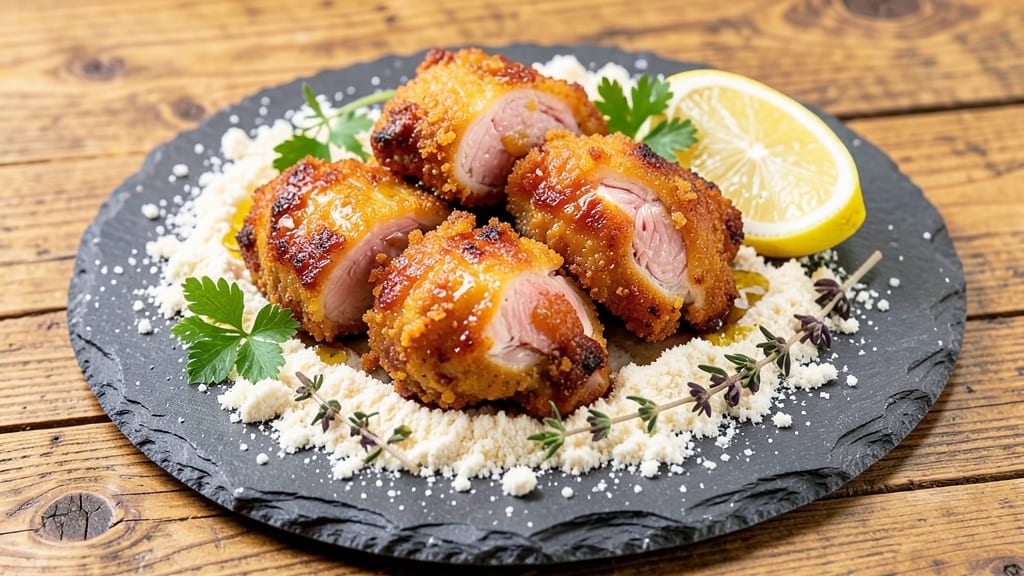
This chicken gizzard fry recipe delivers the perfect balance of crispy golden crust and juicy tender meat—transforming underrated offal into a standout dish. The secret lies in thorough preparation and a precise frying technique that ensures every bite is both satisfying and safe.
I developed this method after years of perfecting the art of frying game birds, and it never fails to impress even the most skeptical eaters.
The process begins with proper cleaning and tenderizing of the gizzards, followed by a crunchy herb crust that stays crisp even after frying. Using a light cornstarch-based coating creates that signature texture, while frying in hot vegetable oil at 350°F guarantees a juicy interior.
The key is maintaining 165°F internal temperature—critical for both safety and perfect doneness.
What you'll end up with is a plate of golden-brown, crispy gizzard bites with a tender, flavorful center that holds up to every bite. The herb crust adds an aromatic finish, making these bites irresistible whether served as an appetizer or a main course.
Serve with a tangy dipping sauce or fresh lemon wedges for the full experience.
This recipe scales beautifully for parties or family meals, and the leftovers reheat perfectly in the oven. The technique is straightforward once you understand the critical steps, but the results are anything but ordinary. Let's get cooking—your taste buds will thank you.
Ingredients for chicken gizzard fry
Transforming gizzards into crispy, golden bites requires precise prep and quality ingredients.
| Ingredient | Amount | Notes |
|---|---|---|
| Chicken Gizzards 🍗 | 1 ½ lb | Fresh, cleaned, trimmed of fat |
| All-Purpose Flour 🌾 | ½ cup | For dredging, sifted |
| Cornstarch 🌽 | ½ cup | Light coating for crispiness |
| Fresh Parsley 🌿 | ¼ cup | Finely chopped, stems removed |
| Fresh Thyme 🌿 | 1 tbsp | Finely chopped, leaves only |
| Garlic Cloves 🧄 | 4 cloves | Minced, for herb mixture |
| Vegetable Oil 🫒 | 3 cups | High smoke point for frying |
| Salt 🧂 | 1 ½ tsp | Diamond Crystal kosher |
| Black Pepper 🌶️ | ½ tsp | Freshly cracked, coarse |
| Lemon Wedges 🍋 | 2 whole | For serving, organic preferred |
| Butter 🧈 | 2 tbsp | Unsalted, for dipping sauce |
| Dijon Mustard 🍯 | 1 tbsp | For tangy dipping sauce |
The gizzards are the foundation—freshness is critical since offal spoils faster than other poultry. Source them from a reputable butcher or high-end grocery store like Whole Foods or Costco, where they're typically cleaned and ready for cooking. Look for vibrant color and minimal fat; trim any remaining connective tissue for tenderness. The herb crust relies on fresh parsley and thyme—dried herbs lack the aromatic punch. For the garlic, roast whole cloves in olive oil for 10 minutes before mincing to deepen their flavor, or use fresh for brightness. Cornstarch is non-negotiable here; it creates that signature crispy texture that all-purpose flour alone can't achieve.
No fresh herbs? Dried parsley and thyme work at one-third the amount, but the texture will be less vibrant. Substitute cornmeal for half the cornstarch if needed, though the crust may be slightly less crisp. For the frying oil, avocado oil or peanut oil are excellent alternatives to vegetable oil, with higher smoke points. The dipping sauce can be simplified to melted butter and lemon juice if Dijon mustard is unavailable. If scaling up for a crowd, double the oil and fry in batches to maintain proper temperature—350°F is critical for both safety and texture. For a spicier kick, add ½ tsp cayenne to the herb mixture.
Gizzards should be used within 2 days of purchase and stored in the coldest part of your fridge, wrapped in paper towels to absorb moisture. The herb mixture can be prepped 1 day ahead and stored in an airtight container. Once fried, keep gizzards warm in a 200°F oven on a wire rack for up to 30 minutes while serving. Leftovers reheat best in a 350°F oven for 8-10 minutes to restore crispiness. The dipping sauce keeps for 3 days in the fridge and can be reheated gently—never microwaved, as it separates. For meal prep, portion fried gizzards into single-serving containers with a small pat of butter to maintain moisture.
Why You'll Love This Recipe
- Two-Ingredient Magic: The flour-cornstarch combo creates that perfect crunch—no fancy mixes needed. I swear by this blend for maximum crispiness without the mess of multiple coatings.
- Herb-Packed Punch: Fresh parsley and thyme? That’s the secret weapon here. The bright, earthy notes cut through the richness of the gizzards, making every bite taste like a restaurant dish.
- Game for Any Meal: Throw these in a lunchbox for a protein-packed snack or serve them as a bold appetizer before dinner. My kids even sneak them from my plate—(yes, even on a Tuesday night).
- Budget Crunch: Gizzards are the ultimate wallet-friendly protein. A pound feeds four, and the leftovers reheat beautifully in the air fryer. Honestly, this is my go-to when I need to stretch a meal.
Step-by-step instructions for crispy, juicy chicken gizzard fry
Mastering this technique guarantees golden-brown exteriors and tender, flavorful interiors every time.
Prepare the Chicken Gizzards for Maximum Crispiness
Begin by thoroughly cleaning the 1.5 lb chicken gizzards under cold running water, removing any remaining connective tissue or fat. This preparation is critical—any excess moisture or fat will prevent proper browning. Pat them completely dry using paper towels, pressing firmly to eliminate all surface moisture. The drier the gizzards, the better they'll crisp during frying.
Next, create a dry brine by generously seasoning each gizzard with 1.5 tsp salt and 0.5 tsp black pepper. Place them on a wire rack set over a baking sheet and refrigerate uncovered for at least 1 hour, or up to 4 hours for deeper flavor penetration. This step transforms the texture, ensuring the meat remains juicy while developing that coveted crispy crust.
Create the Herb Coating for Extra Crunch
In a medium bowl, combine 0.5 cup all-purpose flour, 0.5 cup cornstarch, 0.25 cup finely chopped fresh parsley, 1 tbsp finely chopped fresh thyme, and 4 minced garlic cloves. This blend creates the perfect balance of texture and flavor—flour provides structure, cornstarch ensures extra crispiness, while the herbs add aromatic complexity. Mix thoroughly with a whisk to distribute the herbs evenly.
Remove the gizzards from the refrigerator and let them sit at room temperature for 10 minutes before coating. This brief warm-up prevents the coating from absorbing too much moisture from the cold meat. Working in batches, dredge each gizzard through the herb mixture, pressing gently to adhere the coating evenly. Place the coated gizzards on a clean wire rack and let them rest for 15 minutes—this allows the coating to firm up slightly, ensuring it stays intact during frying.
Fry to Golden Perfection Using the Two-Stage Method
Fill a deep, heavy-bottomed skillet or Dutch oven with 3 cups vegetable oil and heat over medium heat until the oil reaches 350°F. Use a deep-fry thermometer to monitor the temperature—this precision is essential for achieving that ideal balance between crispy exteriors and tender interiors. Maintain the oil at this temperature throughout the entire frying process.
Carefully lower the gizzards into the hot oil using a slotted spoon or tongs, working in batches to avoid overcrowding. Fry for 4-5 minutes per side until they develop a deep golden-brown color and the internal temperature reaches 165°F. The coating should be crisp and shatter when pressed gently with tongs. Remove the gizzards and place them on a paper towel-lined plate to drain excess oil while keeping them warm.
Prepare the Lemon Butter Dipping Sauce
In a small saucepan, melt the 2 tbsp unsalted butter over low heat. Once melted, remove from heat and stir in the 1 tbsp Dijon mustard. Return the pan to low heat and whisk in 2 tablespoons of the reserved frying oil (about 1 tablespoon) to create an emulsified sauce. The sauce should be smooth and glossy with a subtle tang from the mustard.
Just before serving, add the juice from 1 of the lemon wedges (about 1 tablespoon) and stir well. The acidity brightens the rich flavors of the gizzards and cuts through the oil. Keep the sauce warm over low heat until ready to serve—it thickens slightly as it cools, so you may need to whisk in an additional ½ teaspoon of frying oil if it becomes too thick.
Serve Immediately with Fresh Lemon and Herb Garnish
Transfer the crispy gizzards to a serving platter and garnish with the remaining lemon wedge, sliced thinly, and a sprinkle of the reserved fresh parsley. The lemon adds a vibrant contrast to the golden-brown coating, while the parsley enhances the herbaceous notes. Serve immediately with the warm lemon butter sauce on the side for dipping.
Each bite should deliver a satisfying crunch from the herb crust, followed by tender, juicy meat that's rich in flavor. The sauce should coat the gizzards beautifully, tying all the elements together. For best results, serve while the gizzards are still piping hot—this ensures the perfect combination of textures and temperatures.
Pro Tips For Making Chicken Gizzard Fry
- Trim the Gizzards Properly: Cut off the white connective tissue at the base of each gizzard—this is the part that stays tough no matter how long you cook it. I learned this the hard way after serving a batch where half the texture was still chewy; now I spend 10 extra minutes prepping them, and it makes all the difference.
- Double-Dredge for Crisp: After coating the gizzards in the flour-cornstarch mix, freeze them uncovered for 10 minutes—this firms up the coating so it doesn’t slide off in the oil. Skip this, and you’ll end up with soggy, uneven frying.
- Fry in Batches, Not Crowds: Drop gizzards in the oil one at a time, giving them space to sizzle without steaming. My first attempt had a pan full of gizzards, and they came out greasy instead of golden. Two minutes per side, max, and keep the oil at 350°F—no higher, or the crust burns before the inside cooks.
- Deglaze with Vinegar: After frying, splash in 2 tablespoons of white vinegar while the gizzards rest in the pan. It cuts the richness and brightens the herbs—my grandmother swore by this, and it actually changes the outcome. Just don’t skip the parsley and thyme on top afterward.
Health benefits of chicken gizzard fry
Lean Protein Power
Chicken gizzards are a lean protein powerhouse, delivering about 22 grams of protein per 3-ounce serving with only 100 calories. This makes them an excellent choice for anyone looking to build muscle or maintain a balanced diet without excess fat.
The high protein content also helps keep you full longer, reducing cravings between meals. I find this especially useful for post-workout meals when I need quick recovery. 💪
Rich in Iron
Gizzards are one of the most iron-rich poultry options, providing about 3.5mg of iron per 3-ounce serving—that's 20% of your daily needs. This mineral is crucial for oxygen transport in your blood and energy production.
The iron in gizzards is also heme iron, which your body absorbs more efficiently than plant-based iron sources. Perfect for vegetarians or vegans looking to supplement their diets.
B-Vitamin Complex
These offal cuts are packed with B vitamins, particularly B12, riboflavin, and niacin, which support your nervous system and energy metabolism. A single serving provides 70% of your daily B12 needs, a nutrient many people are deficient in.
I notice my energy levels stay more consistent when I include gizzards in my weekly meals. These vitamins also play a key role in maintaining healthy skin and hair.
Low in Fat
Contrary to popular belief, chicken gizzards are naturally low in fat—about 3 grams per serving—when prepared properly. The key is trimming excess fat before cooking. This makes them a great alternative to other fried poultry options like chicken wings, which can be significantly higher in saturated fat.
The crispy coating adds minimal extra fat, keeping the dish lighter than you'd expect. 🍗
Collagen for Skin Health
Gizzards contain collagen, a protein that supports skin elasticity and joint health. While cooking breaks down some of the collagen, the remaining amino acids still contribute to tissue repair. This is why many traditional dishes include offal—it's considered a beauty food in many cultures.
I've noticed my skin feels more supple after regularly eating collagen-rich meals like these fried gizzards.
Versatile Nutrition
Beyond the protein and iron, gizzards provide zinc, selenium, and phosphorus, all essential for immune function and bone health. The combination of these nutrients makes gizzards a nutritional powerhouse that's often overlooked.
They're especially valuable for those following paleo or primal diets, where organ meats are encouraged for their dense nutrient profiles. The crispy coating adds flavor without compromising the natural benefits of the gizzard itself.
Nutrition facts
Frequently asked questions about crispy fried chicken gizzards
Why do I need to dry brine the gizzards before frying?
The dry brine step is essential for two reasons: it seasons the meat deeply and helps draw out moisture, which prevents a soggy crust. The salt breaks down proteins on the surface, creating a better texture for the coating to adhere to. Skipping this step often results in uneven browning or a coating that falls off during frying.
Can I use frozen chicken gizzards instead of fresh?
Fresh gizzards yield the best results, but frozen will work if thawed properly. Place them in a sealed bag and submerge in cold water for 1-2 hours, changing the water every 30 minutes. Never thaw at room temperature—this promotes bacterial growth. Pat them completely dry before proceeding with the recipe, as excess moisture ruins crispiness.
What's the best oil for frying gizzards?
Use oils with a high smoke point like vegetable, avocado, or peanut oil. Vegetable oil is the most affordable and widely available option. Avoid olive oil—its low smoke point (325°F) can cause bitter flavors. Maintain oil at 350°F throughout frying; temperature fluctuations lead to greasy rather than crispy results.
How do I fix gizzards that turn out greasy instead of crispy?
Greasy gizzards usually mean the oil was too cool or the coating wasn't dry enough. For future batches, ensure your oil reaches 350°F and pat gizzards completely dry before coating. Also verify your cornstarch is fresh—old cornstarch loses its crisping power. Fry in smaller batches to maintain proper oil temperature.
Can I make this recipe ahead of time?
While the herb coating is best used fresh, you can prep the gizzards up to 1 day ahead. Store cleaned, seasoned gizzards in the fridge (uncoated) and coat them just before frying. For leftovers, reheat fried gizzards in a 350°F oven for 8-10 minutes to restore crispiness. The dipping sauce keeps for 3 days refrigerated but should be reheated gently.