Main Courses
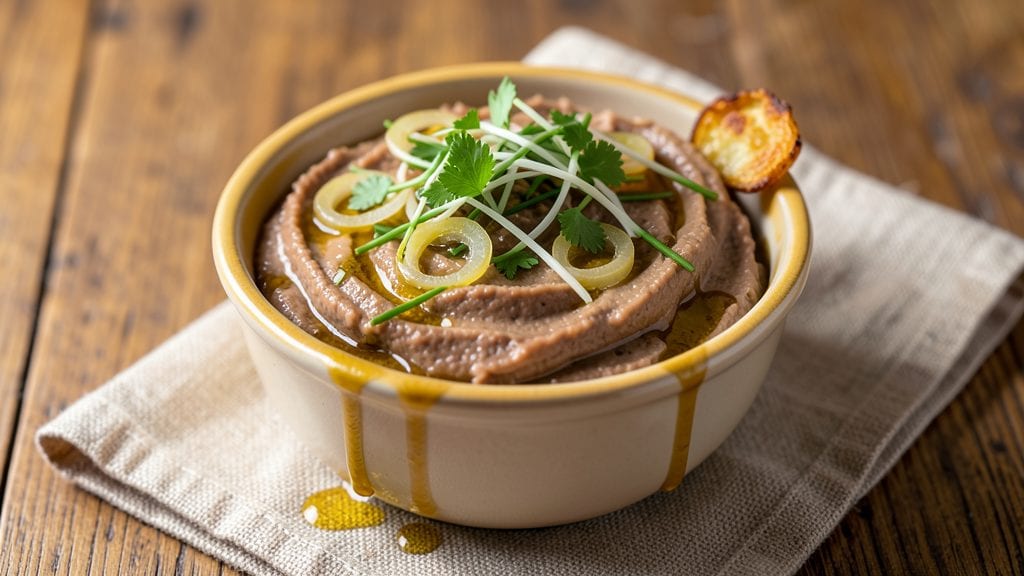
Jamie Oliver’s chicken liver pâté delivers a luxurious, velvety texture that transforms simple ingredients into a showstopping dish. The secret lies in perfecting the liver preparation—searing until golden, rendering fat carefully, and emulsifying with butter and egg yolks for that signature silky consistency.
This recipe captures the essence of traditional pâté without relying on foie gras, making it accessible yet equally impressive.
What sets this pâté apart is its balance of rich, earthy liver flavor and bright herbal notes, achieved through precise technique and high-quality ingredients.
The process requires patience—cleaning and trimming the livers thoroughly, searing them in batches to avoid overcrowding, and whisking the butter-egg yolk mixture until it achieves that glossy, spreadable perfection. Every step ensures a result that’s restaurant-worthy yet approachable for home cooks.
The final product is a pâté so smooth and flavorful it melts in your mouth, with a delicate herby brightness that cuts through the richness. Serve it on toasted baguette slices, with crisp crackers, or as part of an elegant charcuterie spread.
The texture is the true star—luxuriously creamy yet light, with just the right amount of body to hold its shape on a plate.
This recipe isn’t just about technique; it’s about confidence. Once you master the emulsification and plating, you’ll have a dish that commands attention at any gathering. The key is precision in every step—from searing to blending—so the flavors shine without overpowering. Ready to elevate your entertaining game?
Ingredients for chicken liver pate recipe jamie oliver
Transform humble ingredients into Jamie Oliver’s signature silky pâté with these precise components.
| Ingredient | Amount | Notes |
|---|---|---|
| Chicken Livers 🍗 | 1 lb | Fresh, trimmed of connective tissue |
| Unsalted Butter 🧈 | ½ cup | Cold, cut into small cubes |
| Large Egg Yolks 🥚 | 4 whole | Room temperature, separated |
| Fresh Parsley 🌿 | ¼ cup | Stems removed, finely chopped |
| Fresh Chives 🌱 | ⅛ cup | Finely chopped, mild flavor |
| Shallots 🧅 | 2 whole | Peeled, finely minced |
| Diamond Crystal Kosher Salt 🧂 | ¾ tsp | Fine grain for delicate seasoning |
| Freshly Ground Black Pepper 🌶️ | ½ tsp | Coarsely ground for texture |
| Dry White Wine 🍷 | ¼ cup | Sauvignon Blanc preferred |
| Heavy Cream 🥛 | ¼ cup | Cold, for final consistency |
| Baguette 🥖 | 1 whole | Crusty, sliced for serving |
| Extra-Virgin Olive Oil 🫒 | 1 tbsp | For searing livers |
The quality of chicken livers is non-negotiable for this recipe. Whole Foods Market or local butcher shops typically carry the freshest cuts, identifiable by their rich, deep red color and minimal connective tissue. Trim any visible fat or membrane before use—this ensures a velvety texture. For the butter, Plugrá or Land O’Lakes unsalted are excellent choices, as their high fat content is essential for emulsification. The egg yolks should be freshly separated—old yolks can break down during the whisking process, compromising the pâté’s stability. Store livers in the coldest part of your fridge, wrapped in paper towels, and use within 2 days for optimal flavor.
Substitutions require careful consideration to maintain the pâté’s delicate balance. If you lack white wine, chicken stock reduced by half works, though it will slightly alter the acidity profile. Fresh herbs can be swapped for dried at a one-third ratio, but the texture will differ—fresh parsley and chives provide both flavor and moisture. For the shallots, green onions or red onion can substitute, though they introduce a sharper bite. The heavy cream is optional but recommended for a more luxurious finish; half-and-half can be used in a pinch, though the texture will be slightly lighter. Prefer a stronger herbal note? Add 1 tsp fresh tarragon alongside the parsley.
This pâté must be handled with precision to avoid breaking the emulsion. Once prepared, it should be stored in an airtight container, pressed directly under a layer of plastic wrap to prevent a skin from forming. Refrigerated, it remains stable for up to 5 days, though the texture may firm slightly—simply whisk in a splash of warm water to restore silkiness. For longer storage, portion into 1-ounce ramekins and freeze for up to 3 months. To serve, allow the pâté to sit at room temperature for 15-20 minutes before plating, ensuring a smooth, spreadable consistency. The baguette should be toasted just before serving to maintain crispness.
Why You'll Love This Recipe
- Foolproof Simplicity: I swear by this recipe because it’s the kind of thing you can make while half-asleep—just sear those livers in butter until they’re golden, then blend with yolks and herbs. No fancy gadgets, no second-guessing.
- Rich, Earthy Magic: That first bite? The livers caramelize into something deep and velvety, while the parsley and chives brighten it just enough to keep it from feeling heavy. Honestly, it’s the kind of flavor that makes you want to close your eyes.
- Party in a Jar: This stuff is chef’s kiss for gatherings—slather it on crusty bread, dollop it on crackers, or even mix it into pasta for a fancy touch. My friends always ask for the recipe, and I never say no.
- Budget Luxury: Chicken livers are dirt cheap compared to filet mignon, but they taste like you spent hours in the kitchen. Plus, it makes enough to feed a crowd, so you’re basically getting gourmet for pennies. Leftovers? They’ll disappear just as fast.
Step-by-step instructions for chicken liver pâté with herbal brilliance
Master this refined technique for velvety texture and vibrant herbaceous notes—every detail matters.
Prepare the Chicken Livers for Perfect Texture
Rinse the 1 lb chicken livers thoroughly under cold water and pat them completely dry with paper towels. This step removes any blood and prevents splattering during cooking. Trim away any connective tissue or silverskin using a sharp knife—these elements create bitterness in the finished pâté.
Cut the livers into ¼-inch thick slices for even cooking. Place them in a bowl and toss gently with 0.75 tsp diamond crystal kosher salt and 0.5 tsp freshly ground black pepper. Let them sit at room temperature for 15 minutes while you prepare the aromatics. This resting period ensures even cooking and prevents overcooking during the searing process.
Sear the Livers in Olive Oil for Deep Flavor
Heat 1 tbsp extra-virgin olive oil in a large skillet over medium-high heat until shimmering. Add the seasoned chicken liver slices in a single layer, being careful not to overcrowd the pan. Cook undisturbed for 2-3 minutes per side until they develop a deep golden-brown crust and are just cooked through—145°F internally.
Remove the livers from the skillet and set aside. Leave the rendered fat in the pan—this rich, flavorful liquid will form the base of your pâté. If the fat appears insufficient, add 1 tbsp unsalted butter to the pan to maintain adequate cooking medium for the shallots.
Build the Herb and Shallot Base
In the same skillet, reduce heat to medium and add the 2 whole shallots, minced into a fine confit. Cook them gently for 5-6 minutes until they become translucent and begin to caramelize at the edges. This process develops their natural sweetness, which balances the richness of the livers.
Add the 0.25 cup fresh parsley and 0.125 cup fresh chives, both finely chopped. Stir for 1 minute until the herbs release their aromatic oils and become fragrant. Pour in the 0.25 cup dry white wine, scraping up any browned bits from the bottom of the pan. Simmer for 3-4 minutes until the wine reduces by half, intensifying its flavor.
Create the Silky Binding Mixture
Transfer the seared livers and shallot-herb mixture to a food processor. Add the 0.5 cup unsalted butter, cut into small cubes, and pulse until the butter melts and the mixture becomes smooth. Scrape down the sides as needed to ensure even processing.
In a separate bowl, whisk together the 4 whole large egg yolks and 0.25 cup heavy cream until smooth and pale. With the food processor running, slowly drizzle in the egg mixture through the feed tube. Process until the pâté reaches a luxuriously smooth, spreadable consistency—this should take about 2-3 minutes of continuous blending.
Finish and Serve with Confidence
Transfer the pâté to a heatproof serving dish and place it in a water bath. Bring the water to a gentle simmer and cook for 15-20 minutes until the center reaches 160°F. This step ensures the pâté is completely safe to eat while maintaining its velvety texture.
Remove from the water bath and let cool to room temperature. Serve immediately with slices of 1 whole baguette for dipping, or chill for up to 3 days in an airtight container. The pâté should have a rich, velvety texture with vibrant green flecks of herbs and a perfect balance of herbal brightness and umami depth.
Pro Tips For Making Chicken Liver Pate Recipe Jamie Oliver
- Sear Livers in Batches: Chicken livers release their juices like a scared teenager—crowd them, and you’ll end up with a sad, greasy mess. Use a 10-inch pan and cook them in two batches over medium-high heat for 2-3 minutes per side. That’s the only way to get a proper crust without turning them into liver pancakes.
- Soak Livers First: I learned this the hard way—skipping the soak means bitter, iron-heavy livers that ruin the whole pâte. Rinse them in cold water, then soak in milk or lemon water for 15 minutes. It’s the only step that actually removes that metallic edge Jamie’s recipe depends on tasting clean.
- Whisk Yolks Like Mad: Cold yolks? Nope. Room-temperature yolks blend smoother and emulsify better with the butter. Let them sit in a warm spot for 10 minutes before mixing—this isn’t the time to be lazy. A hand mixer here makes a real difference if you’re not into elbow grease.
- Press Parsley Through Sieve: Chopped herbs? Too chunky. My grandmother swore by this: finely chop parsley and chives, then press them through a sieve into the butter. It looks weird, but it works—you’ll get a silky texture instead of herby surprises in every bite. (Yes, even if you’re impatient like me.)
Pro cooking tips for chicken liver pate recipe jamie oliver
Liver Prep Essentials
Start by trimming the livers meticulously—remove all connective tissue and silver skin using a sharp chef’s knife. I use a Wüsthof Classic 8-inch for precision. Pat them bone-dry with paper towels before slicing into ¼-inch thick pieces—this ensures even cooking and prevents splattering.
The key is working quickly but deliberately; livers darken rapidly once exposed to air. 💡
Searing Secrets
Never overcrowd the pan when searing—cook the livers in single layers over medium-high heat for 2-3 minutes per side. I use a 12-inch cast-iron skillet from Lodge for even heat distribution. The rendered fat is liquid gold—don’t discard it!
If needed, add 1 tbsp unsalted butter to maintain adequate cooking medium for the shallots. The livers should reach 145°F internally but remain slightly underdone—they’ll finish cooking in the water bath later.
Emulsion Mastery
The butter-egg yolk mixture is where magic happens. Whisk the yolks and cream until pale and thick—this takes 2-3 minutes with a hand mixer or immersion blender. When blending in the food processor, add the egg mixture slowly through the feed tube while processing continuously.
Stop immediately if the mixture curdles—this is irreversible. The pâté should be smooth, glossy, and spreadable, with no visible lumps. Patience here prevents a grainy texture.
Water Bath Precision
Use a double boiler setup or a heatproof dish in a pot of simmering water to gently cook the pâté to 160°F. This step ensures food safety while maintaining silkiness. I place my serving dish directly in the pot, ensuring the water doesn’t touch the pâté surface.
Simmer for 15-20 minutes, checking the temperature with a thermometer—overcooking will make it dry and crumbly. Let it cool gradually to room temperature before serving.
Herb Integration
Finely chop the herbs—parsley and chives should be minced with a microplane or sharp knife for even distribution. Add them to the skillet with the shallots and cook just until fragrant (1 minute).
Overcooking releases bitterness, so remove them immediately once they release their aroma. The wine reduction should be syrupy but not dry—this balances the richness of the livers with acidity. 🌿
Serving Confidence
Serve the pâté on a chilled slate board or in ramekins for an elegant presentation. Use a spoon or piping bag to create decorative swirls on toasted baguette slices. For extra flair, garnish with thinly sliced lemon zest or a sprinkle of freshly cracked black pepper.
The pâté should hold its shape when piped but still be spreadable—this balance is what makes it restaurant-worthy. Chill for 30 minutes before serving to let flavors meld.
Nutrition facts
Frequently asked questions
Why does Jamie Oliver's chicken liver pâté have such a silky texture?
The secret lies in the perfect emulsion of butter, egg yolks, and rendered liver fat. The yolks and cream create a stable base when whisked to a pale, thick consistency, while the gentle water bath (160°F) ensures the fat melts smoothly without breaking. Overmixing or overheating disrupts this balance, so precision in timing and temperature is key.
Can I make this pâté without a food processor?
Yes, but with extra effort! Use a hand mixer or whisk to combine the butter, liver mixture, and egg yolks in a heatproof bowl over a double boiler. Whisk constantly until smooth, then strain through a fine-mesh sieve to eliminate any lumps. The texture won’t be as refined, but it’ll still be delicious.
What’s the best way to store leftover pâté?
Press the pâté directly into an airtight container, covering the surface with plastic wrap to prevent a skin from forming. Refrigerate for up to 5 days—it may firm slightly but can be restored by whisking in a splash of warm water. For longer storage, portion into 1-ounce ramekins and freeze for 3 months. Always let it come to room temperature before serving.
How do I fix a broken emulsion (grainy or oily texture)?
If the pâté separates, place it in a heatproof bowl over a double boiler and whisk vigorously until smooth. For stubborn lumps, strain through a fine-mesh sieve, then re-emulsify with a splash of warm heavy cream or a beaten egg yolk. Prevention is key: add the egg mixture slowly to the food processor while blending continuously.
What’s the best way to serve this pâté at a dinner party?
Garnish with thin lemon zest or microgreens for color, and pipe onto toasted baguette slices or water crackers for an elegant touch. Serve chilled in small ramekins alongside pickled vegetables or mustard for dipping. For a showstopper, arrange on a slate board with edible flowers and fresh herbs.