
Main Courses
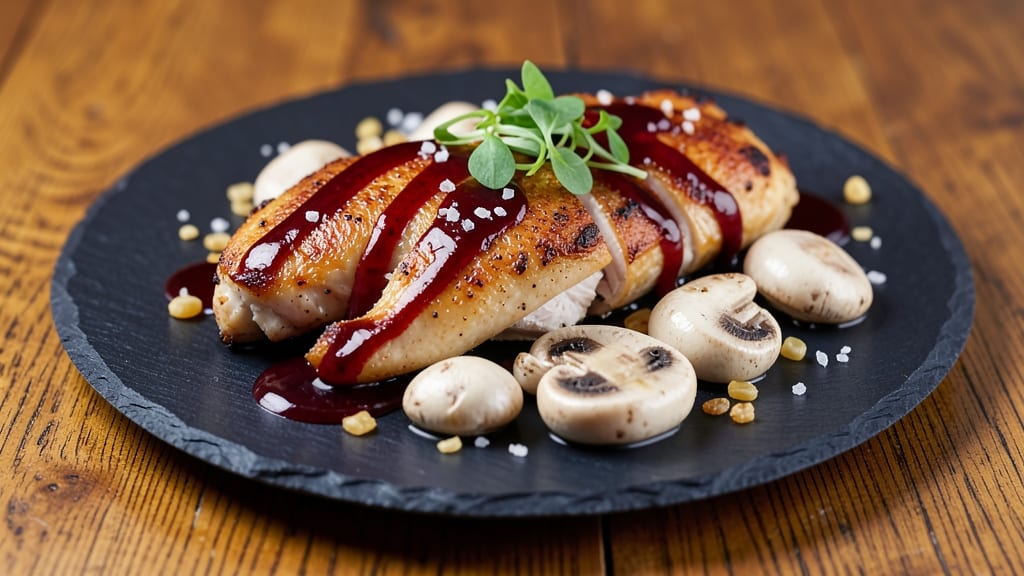
Mastering this chicken marsala copycat recipe means recreating the restaurant's signature velvety sauce and pan-seared crisp—something I perfected after years of refining the technique in my kitchen. The secret lies in proper searing and wine reduction, transforming simple ingredients into a dish that feels like a night out.
My version stays true to the original while simplifying steps for home cooks, ensuring every bite delivers that rich, wine-braised flavor you crave.
This recipe begins with tender chicken thighs, seared to a golden brown before being braised in a sauce made from Marsala wine, mushrooms, and aromatic herbs. The key is deglazing the pan thoroughly after searing—those browned bits hold the depth of flavor that separates good from extraordinary.
As the sauce simmers, it thickens into a luxurious consistency that clings perfectly to the chicken, creating a dish that's both elegant and satisfying.
By the end, you'll have restaurant-quality chicken marsala with a crispy exterior and tender interior, all coated in a glossy, wine-infused sauce that's rich yet balanced.
The dish pairs beautifully with creamy polenta or buttery egg noodles, making it a complete meal that feels special without requiring hours in the kitchen. Let's get started on recreating this classic.
What sets this version apart is the attention to detail in both technique and presentation. The sauce should be velvety, not clumpy, and the chicken should have just enough crispness to contrast with its tenderness.
With this recipe, you'll achieve that perfect balance every time—no shortcuts, just professional results that impress even the most discerning palates.
Ingredients for chicken marsala copycat
Elegant yet approachable ingredients that transform into restaurant-quality chicken marsala with velvety sauce.
| Ingredient | Amount | Notes |
|---|---|---|
| Boneless, Skinless Chicken Thighs 🍗 | 1 ½ lb | Cut into 1-inch thick cutlets |
| Marsala Wine 🍷 | ½ cup | Dry variety, not sweet |
| Chicken Broth 💧 | ½ cup | Low-sodium preferred |
| Fresh White Mushrooms 🍄 | 8 oz | Sliced into 1/4-inch pieces |
| Shallots 🧅 | 2 whole | Minced, or 2 tbsp shallot powder |
| Garlic Cloves 🧄 | 4 cloves | Minced, not pre-minced jar |
| Unsalted Butter 🧈 | 3 tbsp | Cold, cut into small cubes |
| All-Purpose Flour 🌾 | 2 tbsp | For dredging chicken |
| Fresh Thyme Leaves 🌿 | 1 tbsp | Chopped, or 1 tsp dried |
| Fresh Parsley Leaves 🌿 | 2 tbsp | Chopped, for garnish |
| Heavy Cream 🥛 | ¼ cup | Full-fat for richness |
| Diamond Crystal Kosher Salt 🧂 | 1 ½ tsp | Adjust to taste |
| Freshly Ground Black Pepper 🌶️ | ½ tsp | Cracked, not pre-ground |
| Olive Oil 🫒 | 2 tbsp | For searing chicken |
| Fresh Lemon Juice 🍋 | 1 tbsp | Brightens the sauce |
The chicken thighs are non-negotiable for this dish—bone-in pieces stay too tough, and breasts dry out. Look for thighs with good marbling at specialty butchers or the meat department of Whole Foods, where the selection is typically superior. If you can't find fresh Marsala wine, dry sherry or white wine works in a pinch, though the flavor profile will differ slightly. The mushrooms should be firm and dry; cremini or baby bella are ideal, but white button mushrooms will suffice if that's what's available. For the shallots, freshly minced adds the best flavor, but shallot powder is a convenient alternative if you're short on time.
Substituting ingredients requires attention to balance. Dried thyme at one-third the amount of fresh works, but the aroma won't be as vibrant. If you're avoiding dairy, half-and-half can replace the heavy cream, though the sauce will be slightly lighter. For a gluten-free version, omit the flour and instead thicken the sauce with a cornstarch slurry. The butter is critical for the sauce's richness—don't use margarine or low-fat alternatives, as they won't achieve the same velvety texture. Fresh herbs are ideal, but if you're using dried, measure carefully as they're more concentrated in flavor.
This dish reheats beautifully, though the sauce may thicken further. To restore its original consistency, add a splash of warm water or broth and stir gently. Store the chicken and sauce separately in airtight containers for up to 3 days in the refrigerator. For longer storage, freeze the sauce in ice cube trays—perfect for quick additions to future meals. The chicken freezes well for up to 2 months, though it's best enjoyed fresh for optimal texture. Always let the chicken come to room temperature before reheating to ensure even cooking.
Why You'll Love This Recipe
- One-Pan Magic: I swear by this recipe when I’m too tired to wash dishes—just brown the chicken, toss in mushrooms and shallots, deglaze with Marsala, and let it simmer. The wine reduces into a glossy sauce that coats everything, so you’re left with one pan, one spatula, and zero stress.
- Umami Bomb: That Marsala wine isn’t just for show—it’s the secret weapon here, deepening the flavor with every sip. The mushrooms soak it up like a sponge, while the shallots add a subtle sweetness that balances the richness. Honestly, the first bite makes you forget you’re copying a restaurant dish.
- Date Night Ready: No one needs to know it’s a weeknight meal. The creamy, wine-kissed sauce feels fancy enough for a restaurant, but it’s so easy I’ve served it to guests who still think I’m a culinary genius. (Between us, the chicken thighs stay juicy even when overcooked—no dry surprises here.)
- Budget-Friendly Luxe: Chicken thighs are cheaper than breasts, and a bottle of Marsala stretches further than you’d think. Leftovers reheat beautifully, and the sauce thickens into a rich glaze that makes even a simple side feel special. I’ll be real: this is my go-to when I want to eat well without breaking the bank.
Step-by-step instructions for wine-braised chicken Marsala
This method delivers restaurant-quality Marsala sauce with perfectly crisp chicken cutlets every time.
Prepare the Chicken Cutlets
Pound the 1.5 lb boneless, skinless chicken thighs between two sheets of plastic wrap to an even ½-inch thickness using a meat mallet. This ensures even cooking and prevents dryness in the center. Season both sides generously with 1.5 tsp diamond crystal kosher salt and 0.5 tsp freshly ground black pepper, pressing the seasoning into the meat to adhere properly.
Dredge the cutlets lightly in 2 tbsp all-purpose flour, shaking off any excess. This creates a golden crust while preventing the chicken from sticking. Allow the floured cutlets to rest for 5 minutes before cooking—this gives the flour time to form a light barrier without becoming gummy. Keep them at room temperature while you prepare the remaining ingredients.
Sear the Chicken for Maximum Flavor
Heat 2 tbsp olive oil in a large skillet over medium-high heat until shimmering. Add the 3 tbsp cold unsalted butter cubes and let them foam for 30 seconds before adding the chicken cutlets. Cook undisturbed for 3-4 minutes per side until golden brown and crispy, with internal temperatures reaching 165°F when checked with an instant-read thermometer.
Resist the urge to move the chicken prematurely—this allows for proper browning and flavor development. Transfer the cooked chicken to a plate and tent loosely with foil to maintain warmth. The pan will now contain all the fond (browned bits) essential for building rich, complex sauce flavor.
Develop the Marsala Sauce
In the same skillet (without wiping), add the 8 oz sliced fresh white mushrooms and cook over medium heat for 5-6 minutes until they release their moisture and turn golden brown. Add the 2 minced whole shallots and 4 minced garlic cloves, cooking for an additional 1 minute until fragrant and softened.
Pour in the 0.5 cup marsala wine and immediately scrape up all the browned bits from the bottom of the pan using a wooden spoon. This deglazing step captures all the concentrated chicken flavor. Let the wine simmer for 2-3 minutes until reduced by half, then add the 0.5 cup chicken broth and 1 tbsp chopped fresh thyme leaves. Simmer for another 3 minutes until the liquid reduces slightly.
Finish with Cream and Brighten
Reduce the heat to medium-low and stir in the 0.25 cup heavy cream, allowing it to warm through completely. The sauce should thicken slightly but remain velvety. Add the 1 tbsp fresh lemon juice and return the chicken cutlets to the skillet, spooning sauce over the top. Let everything simmer together for 2 minutes to meld the flavors.
Taste and adjust seasoning with additional diamond crystal kosher salt or freshly ground black pepper as needed. The sauce should be rich, slightly tangy, and perfectly balanced—not overly acidic or sweet. Garnish with 2 tbsp chopped fresh parsley leaves just before serving to add freshness and visual appeal.
Serve Immediately
Transfer the chicken marsala to warm serving plates, ensuring each portion gets its share of sauce. The chicken should be golden brown and crispy on the outside with tender, juicy meat inside. Serve immediately over mashed potatoes, egg noodles, or crusty bread to soak up every last drop of that luxurious wine-braised sauce.
This dish shines when served right away while the chicken remains warm and the sauce maintains its optimal texture. The combination of crispy chicken, velvety sauce, and aromatic mushrooms creates a perfect balance of textures and flavors that will impress even the most discerning diners.
Pro Tips For Making Chicken Marsala Copycat
- Sear the Chicken Hard: Get that pan smoking hot—I mean full-on blue flame level—before adding the chicken thighs. The first 3-4 minutes of searing at high heat builds the crust that holds up through the wine reduction, not the sad, gray skin you get when you play it safe. (Yes, even if you’re impatient like me.)
- Slice Shallots Thin: Skip the chopping knife for shallots—use a sharp chef’s knife and rock it back and forth like you’re slicing bread. Paper-thin slices melt into the sauce instead of sitting as chunks, and they caramelize faster. I learned this the hard way when my Marsala tasted like it was fighting a war with raw onion.
- Deglaze with Wine Immediately: As soon as you remove the chicken, pour in the Marsala right away—don’t let those browned bits sit. Scrape the pan with a wooden spoon while deglazing to lift up every crispy fragment. That’s where the flavor lives, and letting it cool = flavor loss. (Your future self will notice.)
- Simmer Broth Low and Slow: After adding the broth, drop the heat to actual low—just above a simmer, where tiny bubbles break the surface but don’t boil wildly. High heat turns Marsala into vinegar faster than you can say “dinner’s ruined.” This is the thing that matters most for a rich, balanced sauce, not the “hurry up” instinct.
Essential equipment for perfect results
Must-Have Skillet
I swear by my 10-inch cast iron skillet from Lodge—it's heavy enough to retain heat evenly while searing the chicken to a perfect golden brown. If you don't own cast iron, a stainless steel skillet like All-Clad works beautifully too.
The key is a heavy-bottomed pan that distributes heat without hot spots. I've tried nonstick, but those fond bits (browned chicken bits) are essential for flavor—nonstick pans won't give you that depth. 🔥
Precision Thermometer
Never guess your chicken's doneness again—get an instant-read thermometer like the ThermoWorks Thermapen. It reads 165°F in seconds, ensuring your chicken is perfectly cooked without overcooking. I've ruined many a chicken dish by eyeballing it, but this tool changed everything.
For the sauce, it helps track when the wine reduces properly too. Pro tip: Keep it handy while cooking to monitor both chicken and sauce temps.
Wooden Spoon
A heat-resistant wooden spoon is your best friend when deglazing the pan after searing. I use a Maplewood spoon from Oxo because it's sturdy enough to scrape up those precious fond bits without breaking.
The wooden handle stays cool while the pan gets hot, and it won't scratch your skillet like metal utensils can. Plus, it's gentle on your sauce as it simmers—no risk of burning or scraping up the bottom.
Fine-Mesh Strainer
For straining the mushrooms before adding them to the sauce, I recommend a fine-mesh strainer like the OXO Good Grips one. It removes any dirt or debris while keeping the flavorful mushroom juices intact.
If you don't have one, a cheesecloth works in a pinch—just line it with a bowl and press the mushrooms through. This step ensures your sauce stays smooth and velvety without any gritty textures. 💫
Meat Mallet
The secret to perfectly even chicken cutlets is pounding them to an even ½-inch thickness. My go-to is the Norpro Meat Tenderizer Mallet—it's lightweight but packs enough power to do the job without bruising your hands.
If you don't have one, a rolling pin or even a heavy pan works in a pinch. Just wrap the chicken in plastic wrap first to prevent it from sticking to your surface.
Optional: Marsala Wine Reducer
If you're short on time, a wine reducer like the Cuisinart Wine Sauce Maker can cut your cooking time in half. It reduces the wine quickly while concentrating the flavors—perfect for busy weeknights. Just pour in the wine and let it do its magic.
For the full experience, though, I still recommend the stovetop method for that hands-on control over the sauce's texture and depth of flavor.
Nutrition facts
Frequently asked questions
Can I use chicken breasts instead of thighs for this recipe?
Chicken breasts will work, but they require extra care to stay juicy. Pound them to ½-inch thickness and cook over slightly lower heat (medium instead of medium-high) for 2-3 minutes per side until they reach 165°F internally. They'll be less forgiving than thighs if overcooked, so use a meat thermometer and avoid crowding the pan.
What if I don't have Marsala wine? Can I substitute?
Yes! Use dry white wine (like Pinot Grigio or Sauvignon Blanc) or dry sherry in a 1:1 ratio. For a non-alcoholic version, substitute with chicken broth + 1 tbsp lemon juice plus 1 tsp sugar to mimic the wine's depth. The flavor will differ slightly, but the technique remains the same.
Why did my sauce turn out too thin?
This usually happens from one of three issues: not reducing the wine enough, adding cream too early, or using too much liquid. Always reduce the wine by half before adding broth, and stir in cream only at the end. If needed, thicken with a 1 tsp cornstarch slurry (mixed with water) off the heat.
Can I make this dish ahead of time?
Cook the chicken and sauce separately, then refrigerate in airtight containers for up to 3 days. Reheat gently in a skillet over low heat, adding a splash of broth or water if the sauce thickens too much. For best texture, serve within 24 hours of cooking.
What's the best way to serve leftover chicken marsala?
Leftover chicken marsala shines in sandwiches, pasta dishes, or even as a filling for crepes. For sandwiches, layer with provolone cheese and arugula on crusty bread. For pasta, toss with fettuccine and top with grated Parmesan. The sauce reheats beautifully when warmed through gently.