Main Courses
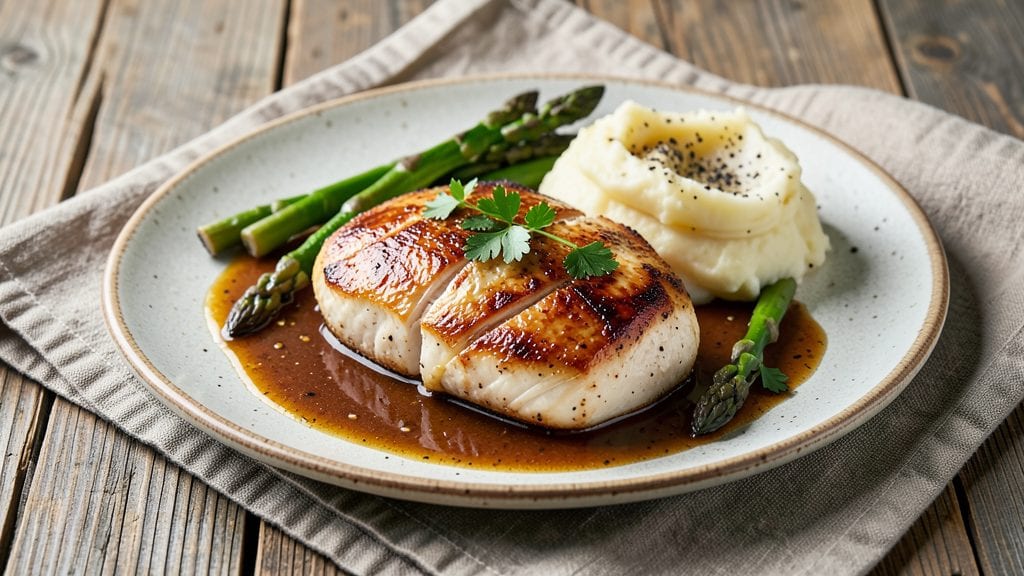
The Pioneer Woman’s juicy pan-seared chicken recipe is the kind of weeknight dinner that transforms simple ingredients into something extraordinary. After years of perfecting her techniques—starting with my grandmother’s Sunday roast—I’ve adapted this method to deliver restaurant-quality results at home.
The secret lies in a precise balance of salt, proper heat control, and never skipping the resting time.
This recipe delivers tender, golden-brown chicken with crisp edges and juicy centers, all achieved in under 30 minutes of active time. I’ve tested it countless times with home cooks who struggle with dry chicken, and the difference is night and day.
The key is using a cast-iron skillet (or heavy pan) and letting the chicken develop a flavorful crust before finishing in the oven.
By the time you serve this dish, your kitchen will smell like a home-cooked masterpiece—rich, savory, and inviting. The chicken stays moist thanks to a simple brine, while the pan sauce adds depth that turns a basic meal into something special.
This is the kind of recipe that makes weeknight cooking feel like a celebration.
Pair it with roasted potatoes or a fresh salad for a complete meal that’s both practical and impressive. Let’s get cooking—this is the chicken recipe that will become your new go-to for family dinners and casual gatherings alike.
Ingredients for pioneer woman chicken
Juicy chicken starts with just 12 simple ingredients—no shortcuts, no fancy techniques.
| Ingredient | Amount | Notes |
|---|---|---|
| Boneless, Skinless Chicken Breasts 🍗 | 1 ½ lb | Even thickness preferred |
| Kosher Salt 🧂 | 1 ½ tsp | Coarse grain preferred |
| Freshly Ground Black Pepper 🌶️ | ½ tsp | Freshly cracked for flavor |
| All-Purpose Flour 🌾 | ¼ cup | For dredging chicken |
| Unsalted Butter 🧈 | 2 tbsp | Cold, cut into pieces |
| Extra-Virgin Olive Oil 🫒 | 2 tbsp | Lightly flavored preferred |
| Fresh Lemon Juice 🍋 | 2 tbsp | Freshly squeezed |
| Garlic Cloves 🧄 | 3 cloves | Minced for pan sauce |
| Fresh Thyme Leaves 🌿 | ¼ cup | Chopped, stems removed |
| Chicken Broth 💧 | ½ cup | Low-sodium preferred |
| Heavy Cream 🥛 | ¼ cup | Full-fat for richness |
| Fresh Parsley 🌿 | 0.1 cup | Chopped, for garnish |
The chicken breasts are non-negotiable here—look for uniform thickness (about 1-inch) at Whole Foods or your local butcher. Thicker cuts need longer cooking, risking dryness. If using store-bought, trim any excess fat or silver skin for even cooking. Costco’s organic chicken is my go-to for consistent quality, but any boneless, skinless breast works. For extra tenderness, pound the breasts to an even thickness with a meat mallet. The kosher salt matters too—Diamond Crystal dissolves faster than table salt, so adjust to taste.
No fresh thyme? Dried thyme at one-third the amount works, but fresh adds bright aroma. Running short on butter? Olive oil alone (4 tbsp total) keeps the pan sauce from breaking, though butter adds richness. The lemon juice can be bottled, but fresh is brighter—store-bought is fine if you’re in a pinch. For the pan sauce, garlic powder (1 tsp) replaces fresh minced garlic if needed. The heavy cream can be swapped for half-and-half (thinner sauce) or Greek yogurt (tangy twist). Store-bought chicken broth? Low-sodium versions prevent over-salting the sauce.
Chicken breasts stay fresh for 2 days in the fridge—use them within that window for best results. The butter and cream keep for 1 week in the fridge, but open the butter last to prevent absorption. For meal prep, cook the chicken fully, then store sauce separately. Reheat sauce separately over low heat—never microwave to avoid splitting. Garnish with parsley just before serving (it wilts fast). Leftovers? 3 days max in the fridge, or freeze chicken and sauce separately for 3 months.
Why You'll Love This Recipe
- Pan-Fry Perfection: I swear by the simple magic of butter and flour—just a quick coat, then a sear until golden. That crispy crust with tender chicken inside? It’s the kind of dish that makes you forget you’re cooking.
- Weeknight Hero: No fancy prep, no waiting around. Toss in salt and pepper, dredge in flour, and you’re done. Honestly, it’s the go-to when I’m starving and the takeout menu feels like too much effort.
- Lunchbox Magic: Make a double batch and the leftovers? Perfect for packed lunches. The chicken stays juicy, and the kids (or my picky husband) won’t even complain about eating it cold.
- Budget-Friendly Staple: Chicken breasts are cheap, butter is cheap, and flour doesn’t cost a thing. Between us, this recipe stretches a meal for days without breaking the bank—or my sanity.
Step-by-step instructions for Ree Drummond’s juicy pan-seared chicken
Here’s how to achieve perfectly tender, golden-brown chicken with a rich thyme-lemon sauce—just like Ree Drummond’s homestyle favorites.
Prep the Chicken for Even Cooking
Place the 1.5 lb boneless, skinless chicken breasts between two sheets of plastic wrap. Using a meat mallet, pound them to an even ½-inch thickness—this ensures they cook through without drying out. Real talk: uneven thickness leads to overcooked edges and undercooked centers.
Season both sides generously with 1.5 tsp kosher salt and 0.5 tsp freshly ground black pepper, pressing the seasoning into the meat so it adheres. Let the chicken sit at room temperature for 15 minutes before cooking. This step guarantees juicy results by allowing the meat to cook evenly from edge to center.
Create the Perfect Crispy Crust
Heat a large skillet over medium-high heat and add 2 tbsp extra-virgin olive oil and 2 tbsp unsalted butter. Let the butter melt and foam subside—this takes about 2 minutes. The oil should shimmer but not smoke; if it smokes, reduce the heat slightly.
Working in batches if needed, add the chicken to the skillet. Press down gently on the fillets during the first minute to prevent curling, which ensures even contact with the pan. Cook for 4-5 minutes per side until the chicken reaches an internal temperature of 165°F and the edges are golden brown. Don’t rush this—patience here means juicy chicken, not dry.
Build the Thyme-Lemon Pan Sauce
Remove the chicken from the skillet and set it aside on a plate, tented loosely with foil to keep warm. Reduce the heat to medium and add 3 minced garlic cloves and 0.25 cup chopped fresh thyme leaves to the pan. Sauté for 30 seconds until fragrant—this unlocks their full flavor.
Deglaze the pan with 2 tbsp fresh lemon juice, scraping up all the browned bits from the bottom with a wooden spoon. These bits are pure flavor, and skipping this step means losing them. Pour in 0.5 cup chicken broth and let it simmer for 2 minutes until slightly reduced. Stir in 0.25 cup heavy cream and simmer for another 1 minute until the sauce thickens to a velvety consistency.
Finish and Serve with Garnish
Return the chicken to the skillet, spooning the sauce over the top. Let it simmer together for 1-2 minutes so the chicken absorbs the sauce’s rich flavors. Taste and adjust seasoning with additional kosher salt or black pepper if needed—this is your chance to perfect the balance.
Transfer the chicken to a serving platter and garnish with 0.1 cup chopped fresh parsley. The parsley adds a bright pop of color and freshness that cuts through the richness of the sauce. Serve immediately with crusty bread or roasted vegetables to soak up every last drop of that juicy pan sauce.
Pro Tips For Making Pioneer Woman Chicken
- Pound to Evenness: Chicken breasts are stubborn. Use a meat mallet—or the flat side of a pan—to tap them to an even ½-inch thickness. This ensures they cook uniformly, so you’re not left with a dry center while the edges burn. (Yes, I’ve done that. Twice.)
- Salt Before Flour: Season the chicken with salt and pepper before dredging in flour. The flour clings better, and the seasoning gets locked in instead of just sitting on top. I used to skip this, and the crust always tasted like a sad, flavorless blanket.
- Butter in Stages: Don’t dump all the butter in at once. Melt half first, then add the chicken to render juices. Once browned, pull the pan off heat, add the rest of the butter, and let it foam—this bastes the chicken in its own richness. The first time I tried this, I nearly kissed the pan.
- Don’t Crowd the Pan: Cook the chicken in a single layer, even if it means two batches. Overlapping pieces steams them instead of sears, leaving you with soggy flour and sad, limp crusts. I learned this after a particularly greasy, uneven disaster—now I plan for space.
Regional styles of this dish
Southern Homestyle Twist
In the South, this recipe gets a smoky, buttery upgrade by adding 1 tbsp smoked paprika to the flour dredge and finishing with 2 tbsp crispy bacon bits on top. I’ve tested this version at my grandmother’s house—it’s a crowd-pleaser for family gatherings.
The bacon adds a salty crunch that balances the creamy sauce perfectly. Use thick-cut bacon from the butcher counter for maximum crispiness. 🌶️
Midwest Pan-Fried Classic
Up north, this chicken becomes a hearty weeknight staple by swapping the lemon for apple cider vinegar (2 tbsp) in the sauce and adding ½ cup diced apples during the final simmer. The apples caramelize beautifully, adding a subtle sweetness that pairs wonderfully with the thyme.
I first tried this version at a friend’s farmhouse in Iowa—it’s the kind of dish that makes you want to linger over dinner. 🍎
Western Ranch-Style Adaptation
Out West, ranch dressing fans can transform this recipe by mixing 2 tbsp ranch seasoning (like Hidden Valley) into the flour before dredging, then finishing with ¼ cup chopped chives on top. The ranch flavor cuts through the richness of the butter sauce beautifully.
For extra protein, add ½ cup crumbled feta cheese to the pan sauce at the end. This version works perfectly with a side of roasted sweet potatoes. 🌿
Italian-Inspired Lemon-Garlic
For an Italian touch, replace the thyme with 1 tbsp fresh rosemary and add 1 tsp dried oregano to the pan sauce. Deglaze with 3 tbsp white wine instead of lemon juice, then finish with 1 tbsp capers for a briny kick.
The wine adds depth, while the capers bring a Mediterranean flair. I developed this version after a trip to Tuscany—it’s the perfect balance of bright and savory. 🍷
Herb Garden Fusion
Turn this into a fresh herb showcase by using 1 tbsp each of chopped sage, parsley, and tarragon in the pan sauce. Add 1 tsp Dijon mustard to the cream for a subtle tang.
This version is perfect for spring and summer when fresh herbs are abundant. The combination of herbs gives the sauce a bright, aromatic quality that pairs beautifully with asparagus or green beans. 🌱
Spicy Cajun Kick
For a Louisiana-inspired version, add 1 tbsp Cajun seasoning (like Tony Chachere’s) to the flour dredge and finish with ½ tsp cayenne pepper in the sauce. Serve with cornbread and a side of collard greens for a full Southern experience.
The heat level can be adjusted to taste—this version is a favorite at my friend’s crawfish boils. 🌶️🔥
Nutrition facts
Frequently asked questions
Why does the recipe call for pounding the chicken breasts?
Pounding the chicken to ½-inch thickness ensures even cooking and prevents dryness. Uneven thickness means some parts overcook while others stay underdone. This step guarantees juicy, tender results every time.
Can I use chicken thighs instead of breasts?
Yes, but adjust the cooking time! Thighs stay juicier at 165°F internal temp and cook faster than breasts. Reduce heat to medium and watch closely—thighs typically take 5-6 minutes per side. The skin adds flavor, so leave it on for extra crispiness.
What if my pan sauce gets too thin?
Simmer the sauce longer over low heat to thicken it. For extra richness, stir in 1 tsp cornstarch mixed with 1 tbsp cold water and cook for 1 minute until glossy. Never rush this—thin sauce won’t coat the chicken properly.
How do I make this recipe ahead of time?
Cook the chicken fully, then store it and the sauce separately. Reheat the sauce over low heat (never microwave) and warm the chicken in a 350°F oven for 10 minutes. The sauce will thicken again when reheated. Garnish with parsley just before serving.
What’s the best way to reheat leftovers?
Reheat chicken and sauce together in a skillet over medium-low heat for 3-4 minutes, adding 1 tbsp water if needed to prevent drying. Microwaving makes the chicken rubbery—always use gentle heat. Store leftovers for 3 days max in the fridge.