
Sauces & Condiments
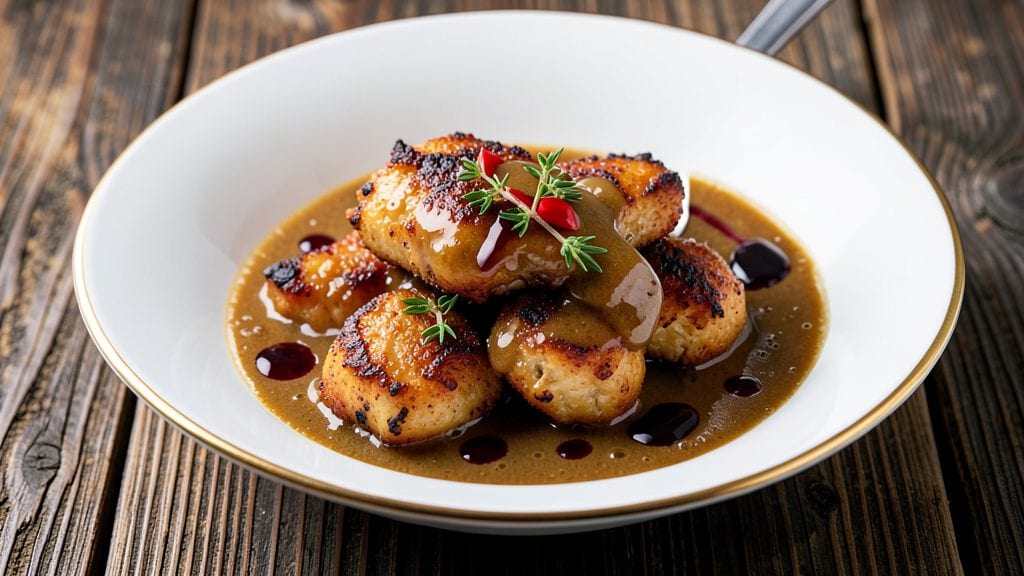
Transforming humble chicken gizzards into a rich, velvety gravy is one of the most rewarding techniques in home cooking—it turns simple ingredients into a restaurant-worthy sauce.
The key lies in proper preparation and patience, as the natural collagen in gizzards dissolves into a deeply flavorful, naturally thickened sauce when cooked low and slow. This isn’t just a side dish; it’s a centerpiece that elevates any meal with its deep, savory complexity.
Cleaning and cooking the gizzards correctly sets the foundation for an exceptional gravy. You’ll start by simmering them until tender, then deglazing the pan with broth to capture every last bit of flavor—this step alone transforms ordinary drippings into a rich, aromatic base.
The process is straightforward, but the results are anything but basic, delivering a sauce that’s foolproof once you master the technique.
By the time you’re done, you’ll have a glossy, golden gravy that’s velvety yet robust, perfect for drizzling over biscuits, mashed potatoes, or even steak. The secret is letting the sauce reduce gradually, allowing the flavors to meld into something truly special.
This recipe delivers professional-quality results in just 20 minutes of active time, with the rest handled by slow cooking.
Whether you’re serving a traditional Southern-style feast or a modern dinner, this gravy adds depth and richness that store-bought versions simply can’t match. The best part?
It’s a versatile sauce that works as well in everyday meals as it does at holiday gatherings. Let’s get started on creating this savory masterpiece.
Ingredients for chicken gizzard gravy
Simple ingredients transform into a luxurious, velvety sauce that turns ordinary meals extraordinary.
| Ingredient | Amount | Notes |
|---|---|---|
| Chicken Gizzards 🍗 | 1 lb | Fresh, cleaned, trimmed of fat |
| Unsalted Butter 🧈 | 4 tbsp | European-style preferred for flavor |
| All-Purpose Flour 🌾 | ¼ cup | Diamond Crystal preferred for light color |
| Chicken Broth 💧 | 1 ½ cups | Homemade or high-quality low-sodium |
| Red Wine Vinegar 🍷 | 1 tbsp | For brightness, sub apple cider vinegar |
| Fresh Thyme Leaves 🌿 | ½ tsp | Or 0.125 tsp dried thyme |
| Fresh Rosemary 🌿 | ¼ tsp | Finely chopped, stems removed |
| Garlic Cloves 🧄 | 2 cloves | Minced, for depth of flavor |
| Kosher Salt 🧂 | ½ tsp | Diamond Crystal preferred |
| Black Peppercorns 🌶️ | ¼ tsp | Freshly cracked for texture |
| Heavy Cream 🥛 | ¼ cup | Full-fat for richness, optional |
| Fresh Parsley 🌿 | 2 tbsp | Chopped, for garnish |
The gizzards are the star here—fresh is a must. Skip the pre-cleaned ones from the meat counter; they’re often old and rubbery. Hit your local butcher or Whole Foods for the freshest cuts. Look for vibrant color and firm texture—anything slimy or discolored gets tossed. If you’re nervous about cleaning them, Costco’s pre-cleaned gizzards are a lifesaver, though they cost more. For best results, trim any visible fat before cooking, as it can make the gravy greasy. And don’t skimp on the butter—European-style adds a nutty depth that regular butter can’t match.
No fresh herbs? Dried thyme and rosemary work in a pinch, but use half the amount since they’re more concentrated. Running low on broth? Chicken bouillon cubes dissolved in hot water get you close, though homemade is always better. Want extra richness? Swap the heavy cream for a splash of crème fraîche—it adds tang without overpowering. The flour is non-negotiable for thickening, but if you’re gluten-free, cornstarch at double the amount works as a substitute. And if you’ve got Trader Joe’s near you, grab their chicken bouillon—the flavor is next-level.
This gravy keeps beautifully—3-4 days in the fridge sealed in a jar, or up to 3 months frozen. The flavor actually improves over time as the sauce melds. For reheating, warm gently on the stove, stirring often to prevent lumps. If it thickens too much, just whisk in a splash of broth or water. Leftovers? Drizzle over mashed potatoes, biscuits, or even roasted veggies. And if you make a double batch, freeze half—you’ll thank yourself later when you’ve got a quick sauce ready for any meal.
Why You'll Love This Recipe
- Fewer Ingredients, Bigger Payoff: I swear by this recipe because it’s the kind of dish where you use almost nothing but end up with something ridiculously rich. Butter and flour make a roux so fast—no fancy techniques, just patience—and that splash of red wine vinegar? It cuts through the richness like a secret weapon. Honestly, I’ve made gravy with way more ingredients that tasted half as good.
- Deep Umami Magic: The gizzards are the star here, but the real magic happens when you brown them first. That crispy crust melts into the broth, giving you layers of flavor you’d never guess from the simple ingredients. The vinegar adds a little tang that keeps it from being too heavy, and the flour? It’s what turns this into something you’ll lick the spoon for.
- Leftovers That Shine: Between us, this gravy only gets better after sitting overnight. The flavors meld, and it thickens just enough to coat everything perfectly—mashed potatoes, biscuits, even roasted veggies. I make a big batch on Sundays, and by Wednesday, it’s still the highlight of whatever I’m serving. No sad, watery leftovers here.
- Budget-Friendly Luxury: Gizzards are cheap, but they taste like you spent hours simmering something fancy. A pound goes a long way, and you’re not just feeding your stomach—you’re treating yourself to something hearty without breaking the bank. Plus, the butter and flour are pantry staples, so it’s one of those recipes that feels special but won’t drain your wallet.
Step-by-step instructions for chicken gizzard gravy
Here's how to transform tough gizzards into a velvety, aromatic gravy that'll elevate any meal.
Sear the Gizzards Until Deeply Browned
Pat the 1 lb chicken gizzards completely dry with paper towels—this ensures maximum browning. Heat 2 tbsp of the unsalted butter in a heavy skillet over medium-high heat until it foams. Add the gizzards in a single layer and sear undisturbed for 4-5 minutes per side until deeply browned and crispy.
Don't rush this step—the Maillard reaction happening now creates the rich, caramelized foundation for your gravy. You'll know they're ready when they release easily from the pan and have developed a deep golden crust. Transfer the seared gizzards to a plate and set aside.
Build the Roux and Deglaze
Reduce heat to medium and add the remaining 2 tbsp unsalted butter to the same skillet. When melted, whisk in the 0.25 cup all-purpose flour to form a smooth roux. Cook for 1-2 minutes, stirring constantly, until it turns a light golden color—this removes the raw flour taste.
Immediately pour in the 1.5 cups chicken broth, scraping up all those browned bits from the bottom of the pan with a wooden spoon. This deglazing captures all the flavor you just created. Add the 1 tbsp red wine vinegar and bring to a gentle simmer, allowing the mixture to thicken slightly while you prepare the aromatics.
Infuse with Herbs and Garlic
Add the 2 minced garlic cloves, 0.5 tsp finely chopped fresh rosemary, and 0.5 tsp fresh thyme leaves to the simmering mixture. Let it cook for 2-3 minutes until the garlic is fragrant but not browned—this prevents bitterness. Stir in the 0.5 tsp kosher salt and 0.25 tsp freshly cracked black peppercorns.
Here's where the magic happens: return the seared gizzards to the pan and spoon the sauce over them. Let everything simmer together for 5-7 minutes until the gizzards are tender enough to pierce easily with a fork. The sauce should have thickened noticeably but still coat the back of a spoon.
Finish with Cream and Garnish
Remove the gizzards from the pan and set them aside to rest. Stir in the 0.25 cup heavy cream and simmer for an additional 2-3 minutes until the sauce reaches your desired consistency. If it's too thick, whisk in 1-2 tablespoons of hot chicken broth to loosen it.
Taste and adjust seasoning if needed—this is your chance to perfect the balance of salt, acid from the vinegar, and herbal notes. Return the gizzards to the pan, spooning the sauce over them, and let everything heat through together for 1-2 minutes. Garnish with 2 tbsp chopped fresh parsley just before serving.
Serve Immediately with Crusty Bread
Transfer the gizzards and gravy to a serving dish, making sure each piece is generously coated with that rich, velvety sauce. Serve immediately with slices of warm crusty bread to soak up every last drop—this gravy is too good to wait.
The gizzards should be fork-tender with a crispy exterior, and the sauce should cling beautifully, offering layers of umami from the gizzards, herbal brightness from the thyme and rosemary, and a touch of acidity from the red wine vinegar. Each bite should be a perfect balance of textures and flavors.
Pro Tips For Making Chicken Gizzard Gravy
- SCORE THE GIZZARDS: Cut those gizzards lengthwise down the middle, then slice into ¼-inch strips—thinner pieces cook faster and soak up the gravy better. I used to leave them whole, thinking they’d stay tender, but they ended up chewy. Trust me, the extra prep pays off.
- BROWN THE BUTTER FIRST: Melt the unsalted butter over medium heat until it turns golden and smells nutty—about 3-4 minutes. That nutty depth carries through the gravy, and skipping it leaves you with something flat. (Yes, even if you’re impatient like me.)
- DEGLAZE WITH VINEGAR LAST: Wait until the roux is fully cooked before adding the red wine vinegar—toss it in after the flour-butter mixture has darkened to a light brown. Adding it earlier can make the gravy taste harsh or thin it out too soon. Patience here makes a real difference.
- SIMMER THE GRAVY LOW: Once the broth is added, reduce the heat to a bare simmer and let it bubble gently—no rapid boiling. I learned this the hard way after ending up with a grainy, broken roux. Low and slow keeps the texture smooth and the flavors cohesive.
Wine and beer pairings for this dish
Red Wine Pairings
The deep, earthy flavors of this gravy pair beautifully with a medium-bodied red wine that can stand up to its richness. I reach for a Chianti Classico from Tuscany—its bright acidity and cherry notes cut through the sauce’s velvety texture while complementing the herbal rosemary and thyme.
The wine’s slight tannins also cleanse your palate between bites of gizzard, making each spoonful of gravy taste even more luxurious. 🍷
Crisp White Options
If you prefer white wine, a dry Riesling from Germany or Alsace brings surprising harmony to the dish. The wine’s crisp acidity and hints of citrus balance the gravy’s richness, while its mineral notes echo the umami depth of the gizzards.
I love pairing it with a slightly off-dry Riesling—just enough residual sweetness to round out the vinegar’s tang. For a budget-friendly option, Sauvignon Blanc from New Zealand works beautifully too.
Beer Pairings
A Belgian-style witbier like Hoegaarden adds a refreshing contrast with its citrusy coriander and orange peel notes. The beer’s effervescence cuts through the gravy’s richness, while its subtle spice complements the rosemary and thyme.
For a darker option, a German Dunkelweizen with its caramel and clove undertones enhances the gravy’s depth without overpowering it. 🍺
Non-Alcoholic Choices
Don’t overlook non-alcoholic options—sparkling ginger beer with its zesty kick mirrors the red wine vinegar in the gravy, while a cucumber-mint infused water provides a refreshing contrast.
For a more substantial pairing, try a dry sparkling apple cider—its crisp acidity and apple notes bridge the gap between the savory gravy and the meal’s other components.
Regional Adaptations
In Southern kitchens, this gravy is often paired with sweet tea—the sugar and tannins in the tea enhance the gravy’s herbal notes. Meanwhile, in French bistros, a dry cider like Domaine Dupont complements the dish’s rustic charm.
The key is matching the drink’s acidity and body to the gravy’s depth—whether you choose wine, beer, or something non-alcoholic, the right pairing elevates every bite. 💫
Nutrition facts
Frequently asked questions
How do I properly clean chicken gizzards before cooking?
Rinse the gizzards under cold water and pat them dry. Use a sharp knife to trim off any visible fat or connective tissue. For thorough cleaning, make a small slit in each gizzard and rinse out any debris. Soak in cold water for 10 minutes if they appear slimy, then rinse again before cooking. Fresh gizzards should be firm and have a clean, slightly pinkish color.
Can I substitute heavy cream with something else in the gravy?
Yes! For a lighter option, use half-and-half or whole milk (reduce simmering time to 1-2 minutes). For extra richness, try crème fraîche or sour cream (add at the end to prevent curdling). If you want a dairy-free option, unsweetened coconut milk works but may alter the flavor slightly.
Why did my gravy turn out too thin?
This usually happens if you didn't cook the roux long enough or added too much liquid. For a quick fix, mix 1 tbsp cornstarch with 1 tbsp cold water, stir into the gravy, and simmer for 2-3 minutes until thickened. Alternatively, reduce the sauce uncovered over medium heat until it reaches your desired consistency. Always taste as you go!
How can I make this gravy ahead of time?
Prepare the gravy up to 2 days ahead and store it in an airtight container in the fridge. Reheat gently on the stove, stirring often to prevent lumps. For longer storage, freeze the gravy (without the gizzards) for up to 3 months. Thaw overnight in the fridge before reheating. The flavors actually deepen over time!
What's the best way to serve leftover gizzard gravy?
Use it as a topping for mashed potatoes, cornbread, or roasted vegetables. It also makes a fantastic filling for pot pie crusts or empanadas. For a quick meal, spoon it over grilled chicken or steak. The sauce keeps well for 3-4 days in the fridge, so don't hesitate to make extra!