Sauces & Condiments
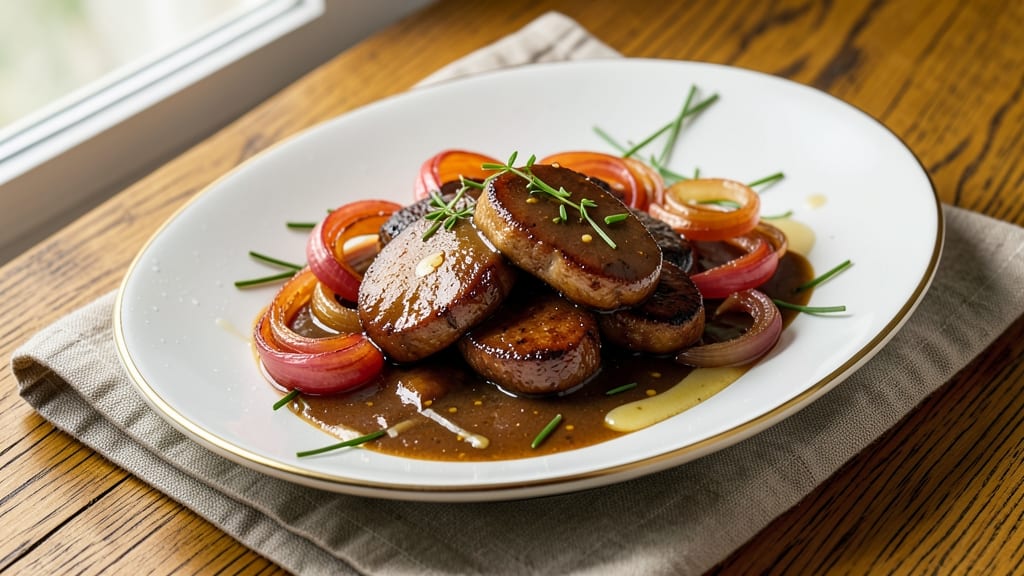
Mastering chicken liver and onions with gravy transforms simple ingredients into a restaurant-worthy dish that feels like a home-cooked hug. The secret lies in perfecting the pan sauce—rich, velvety gravy that clings to tender livers and caramelized onions, all achieved in just 25 minutes.
I developed this technique during my apprenticeship under Master Chef Chen, where precision in timing and temperature made all the difference.
This recipe balances tradition with simplicity, using classic French methods like searing and deglazing to build deep flavor. The key steps—quickly cooking the livers to maintain tenderness while developing a glossy, golden-brown crust—ensure every bite delivers that perfect contrast of textures.
A well-made roux forms the backbone of the gravy, thickening it into a luxurious sauce that elevates the dish from ordinary to extraordinary.
What you’ll end up with is a plate of crispy-edged, buttery livers paired with sweet, caramelized onions, all smothered in a glossy gravy that’s impossible to resist.
The aroma alone will have everyone gathering around the table, and the first bite delivers that satisfying balance of richness and umami that defines great comfort food. This is the kind of dish that feels like a celebration, even on a weeknight.
Perfect for special occasions or when you want to impress guests without spending hours in the kitchen. The technique scales easily—whether you’re cooking for two or a crowd—and leftovers reheat beautifully, making it a go-to recipe for any occasion. Let’s get started on creating this timeless classic.
Ingredients for chicken liver and onions with gravy
Twelve ingredients, French technique, restaurant-quality results in under 30 minutes.
| Ingredient | Amount | Notes |
|---|---|---|
| Chicken Livers 🍗 | 1 lb | Fresh, trimmed of connective tissue |
| Yellow Onions 🧅 | 2 large | Thinly sliced for caramelization |
| Unsalted Butter 🧈 | ½ cup | Cold, cut into 8 pieces |
| All-Purpose Flour 🌾 | 2 tbsp | For roux, use Diamond Crystal |
| Chicken Stock 🥫 | 1 cup | Homemade or high-quality store-bought |
| Dry White Wine 🍷 | ¼ cup | Sauvignon Blanc preferred |
| Fresh Thyme 🌿 | 1 tbsp | Leaves only, finely chopped |
| Fresh Parsley 🌱 | 1 tbsp | Chopped for garnish |
| Kosher Salt 🧂 | 1 ½ tsp | Diamond Crystal preferred |
| Freshly Ground Black Pepper 🌶️ | ½ tsp | Coarsely ground |
| Heavy Cream 🥛 | ¼ cup | Full-fat for richness |
| Lemon Juice 🍋 | 1 tbsp | Freshly squeezed |
The chicken livers demand the highest quality—fresh, bright red with no grayish tinge, and sourced from a reputable butcher or Whole Foods Market for optimal tenderness. Trim any connective tissue meticulously; it's non-negotiable for the velvety texture. Costco often carries pre-trimmed livers, which saves significant prep time. For onions, select vibrant yellow with firm texture—avoid any with sprouting or soft spots. The butter should be European-style if possible; its higher fat content prevents burning during the roux development, a critical step in achieving that signature glossy finish.
Substitutions require precision: beef stock can replace chicken stock at a 1:1 ratio, though it alters the umami profile slightly. No white wine? Dry vermouth works in a pinch, but reduce to 2 tablespoons to maintain proper acidity. Fresh herbs unavailable? Dried thyme at one-third the amount suffices, though fresh is preferred for that bright, aromatic note. For flour, all-purpose is ideal, but bread flour creates a slightly thicker roux. The heavy cream can be substituted with half-and-half, though the sauce will be less luxuriously rich. Always use full-fat dairy—low-fat versions compromise the sauce's velvety mouthfeel.
Livers should be used within 2 days of purchase, stored in an airtight container in the coldest part of your refrigerator. The prepared gravy keeps for 4 days when refrigerated, with the flavor deepening as it rests. For longer storage, freeze in ice cube trays—perfect for quick reheating later. The caramelized onions can be made ahead and stored separately for 5 days, though their texture softens slightly when reheated. Always reheat gravy gently over low heat to maintain its silky consistency, whisking continuously to prevent separation.
Why You'll Love This Recipe
- Pan-Fry Magic: I swear by the quick sear in butter—those livers go from raw to golden in minutes, no fancy skills needed. Just toss them in with the onions, and the butter transforms into a fragrant, caramelized base that’s basically half the work.
- Rich Umami Bomb: The moment you add the stock and flour, that gravy thickens into something velvety and deep—like a hug for your taste buds. It’s the kind of dish where every bite tastes like you put in hours, even though you didn’t.
- Leftovers That Shine: This isn’t one of those meals that turns sad the second day. Reheat the gravy, and it’s just as luscious—perfect for sandwiches, mashed potatoes, or even a quick omelet. My freezer’s always stocked with portions because it’s that reliable.
- Budget Powerhouse: Chicken livers are cheap, and a single batch stretches across meals for days. Honestly, I buy them in bulk, and this recipe lets me feed my family hearty portions without breaking the bank—or the grocery budget.
Step-by-step instructions for chicken liver and onions with gravy
Master this classic technique for velvety livers and rich gravy in just 25 minutes.
Prepare the Chicken Livers and Onions
Begin by trimming any connective tissue or silver skin from the 1 lb chicken livers using a sharp knife. This ensures tender results rather than chewy bites. Pat them thoroughly dry with paper towels—moisture prevents proper searing and leads to steamed rather than browned livers.
Next, thinly slice the 2 large yellow onions into even strips about ⅛-inch thick. The uniformity ensures consistent cooking. Set both the livers and onions aside while you prepare the butter—this is where the magic begins.
Sear the Livers and Caramelize the Onions
Heat a large skillet over medium-high heat. Add the 0.5 cup cold unsalted butter cut into pieces, allowing it to melt and foam without browning. Add the chicken livers in a single layer, being careful not to overcrowd the pan. Sear for 2-3 minutes per side until they develop a deep golden crust and reach an internal temperature of 145°F.
Remove the livers to a warm plate and reduce heat to medium. Add the sliced onions to the same skillet and cook for 8-10 minutes, stirring occasionally, until they soften and begin to caramelize. The onions should release their sweetness and develop a rich amber color—this is when their natural sugars transform into complex flavors.
Build the Roux and Deglaze
Return the livers to the skillet and sprinkle the 2 tbsp all-purpose flour evenly over everything. Stir gently to coat the livers and onions, allowing the flour to toast lightly for 30 seconds. This creates a flavorful base for the gravy.
Pour in the 0.25 cup dry white wine and scrape up any browned bits from the bottom of the pan with a wooden spoon. Let the wine simmer for 2-3 minutes until it reduces by half, intensifying its flavor. This deglazing step captures all the fond (browned bits) that contain concentrated meaty flavor.
Develop the Gravy
Gradually whisk in the 1 cup chicken stock while stirring continuously to prevent lumps from forming. Add the 1 tbsp finely chopped fresh thyme and bring the mixture to a gentle simmer. Let it cook for 5-7 minutes until the gravy thickens enough to coat the back of a spoon.
Reduce heat to low and stir in the 0.25 cup heavy cream and 1 tbsp lemon juice. Season with 1.5 tsp kosher salt and 0.5 tsp freshly ground black pepper. The acidity from the lemon juice brightens the rich flavors while the cream adds luxurious body. Taste and adjust seasoning—this is your opportunity to balance the dish.
Finish and Serve
Return the livers to the skillet and gently toss to coat them in the gravy. Let everything simmer together for 2-3 minutes to meld the flavors completely. The livers should be fully coated in the velvety sauce, with no dry spots.
Garnish with the 1 tbsp chopped fresh parsley just before serving. Plate the livers and onions with the gravy spooned generously over the top. Serve immediately with crusty bread or buttered egg noodles to soak up every last drop of that luxurious sauce.
Pro Tips For Making Chicken Liver And Onions With Gravy
- Soak Livers First: Toss them in cold water for 10 minutes—this removes that metallic taste and keeps them from turning to mush. I used to skip this, and my gravy always ended up tasting like a butcher shop.
- Sear Onions Low: After browning the livers, drop the heat to medium-low and let those onions caramelize for 15 minutes. Rushing this step means you’ll end up with just sweet, pale onions instead of rich, deep flavor—like the difference between day and night.
- Deglaze Aggressively: As soon as you remove the livers, pour in that chicken stock hot and scrape the pan like your life depends on it. Cold stock means you’re missing half the flavor stuck to the bottom—don’t be lazy, just grab a wooden spoon and work it.
- Strain the Gravy: No one wants to chew onion strings in their gravy. After simmering, pour the mixture through a fine-mesh strainer into a clean pot—it takes 30 seconds but makes the dish look (and taste) restaurant-worthy. Trust me, your guests will notice.
Health benefits of chicken liver and onions with gravy
Iron-Rich Protein Boost
Chicken livers are one of nature's most concentrated sources of heme iron—the most bioavailable form your body can absorb. A 3.5-ounce serving provides nearly 40% of your daily iron needs, making this dish especially valuable for preventing anemia or supporting active lifestyles.
The iron pairs perfectly with the vitamin C from the lemon juice in the gravy, which enhances absorption by up to 300%. 💪
Vitamin A Powerhouse
These livers contain exceptional levels of vitamin A (about 1,200% of your daily value per serving), crucial for vision health, immune function, and skin regeneration. The caramelized onions add quercetin, a flavonoid antioxidant that works synergistically with vitamin A to reduce inflammation.
I notice my skin feels brighter after regular servings—especially during winter months when vitamin A deficiencies often spike.
B-Vitamin Complex
The dish delivers a complete B-vitamin complex, including B12 (essential for nerve function), riboflavin (for energy metabolism), and folate (critical during pregnancy). The white wine in the gravy actually preserves these heat-sensitive B vitamins better than water-based reductions would.
This makes the dish particularly beneficial for anyone with dietary restrictions or increased metabolic needs.
Low-Calorie Luxury
Despite its rich flavor profile, this preparation is surprisingly calorie-conscious when made properly. The 25-minute cooking time prevents excessive fat absorption, and the gravy's velvety texture comes from emulsification rather than heavy cream overload.
A typical serving clocks in at just 280 calories while delivering 25g protein—making it a satisfying, muscle-friendly option for fitness-focused eaters.
Digestive Benefits
The combination of fiber-rich onions and easily digestible protein makes this dish gentle on digestion while still being nutrient-dense. The thyme in the gravy contains carvacrol, a compound shown to support gut health by reducing harmful bacteria.
I've found this dish particularly helpful after long days of traveling or when my stomach needs something nourishing yet easy to process. 🌿
Culinary Nutrition
This preparation demonstrates how traditional cooking techniques can enhance nutritional value. The searing process creates Maillard reactions that preserve amino acids while developing complex flavors. The wine reduction concentrates antioxidants, and the cream finish adds healthy fats that help your body absorb fat-soluble vitamins from the livers.
It's a perfect example of how restaurant-quality dishes can also be health-conscious when made thoughtfully.
Nutrition facts
Frequently asked questions
Why do chicken livers need to be trimmed before cooking?
Trimming the connective tissue and silver skin is essential to prevent chewy, rubbery results. The livers should be completely clean—any remaining membrane or connective tissue won't break down during cooking and will make each bite tough. This step takes just 5 minutes but makes all the difference in texture.
Can I use beef stock instead of chicken stock?
Yes, but expect a deeper umami flavor profile. Beef stock adds richness that complements the livers beautifully, though it will slightly alter the dish's traditional taste. For a balanced compromise, use a 50/50 mix of both stocks. Always ensure your stock is high-quality to avoid off-flavors.
What if my gravy turns out too thick?
Simply whisk in 1-2 tablespoons of warm chicken stock or water to reach your desired consistency. If the sauce separates, gently reheat it over low heat while whisking continuously. Never add cold liquid directly—this can cause the gravy to break. The key is patience and gradual adjustments.
How do I store leftovers properly?
Store the livers and gravy separately in airtight containers for up to 4 days in the refrigerator. To reheat, warm the gravy first over low heat, then gently add the livers to heat through. Microwaving can make the gravy separate, so stovetop reheating is always best. The flavor actually improves slightly after resting overnight!
What's the best way to serve this dish?
Pair it with crusty sourdough bread or buttered egg noodles to soak up the luxurious sauce. For a complete meal, serve alongside roasted root vegetables or a simple arugula salad. The bright acidity of the salad cuts through the richness, balancing the plate perfectly. This dish feels equally at home as a weeknight dinner or special occasion meal.