
Main Courses
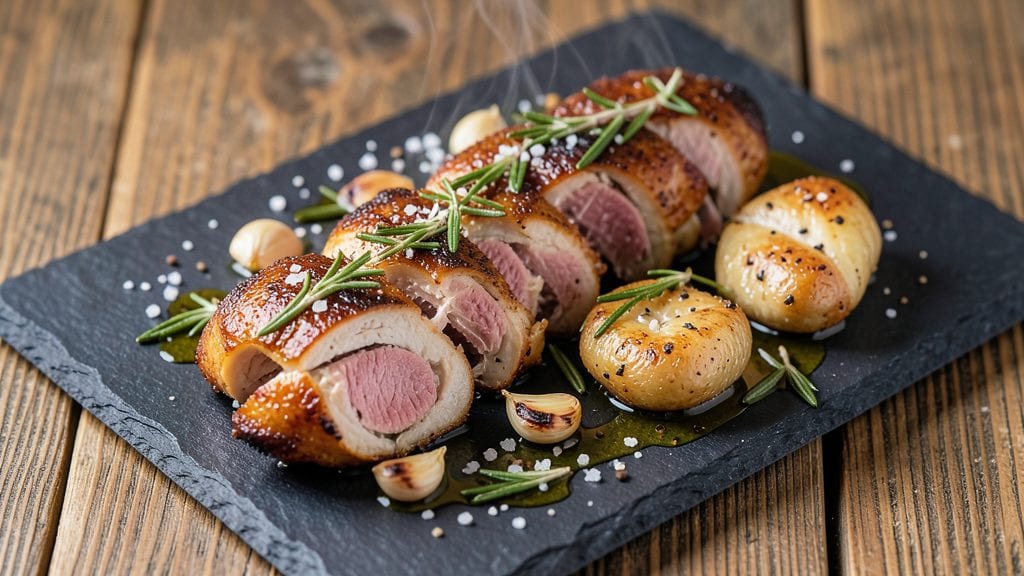
Transforming chicken hearts and gizzards into a juicy, restaurant-worthy dish starts with proper preparation—something many home cooks overlook. This herb-crusted method ensures tender, flavorful results without the guesswork, turning often intimidating offal into a satisfying main course.
The key lies in careful cleaning, precise trimming, and a marinade that infuses flavor deep into the meat.
What sets this recipe apart is the balance of technique and simplicity: no specialized equipment required, just a few hours of hands-off cooking time. The herb crust adds texture and aroma, while slow cooking transforms tough cuts into melt-in-your-mouth bites.
Perfect for those who appreciate bold flavors and want to elevate their cooking repertoire, this dish delivers professional-quality results at home.
By the time you finish, you’ll have perfectly tender chicken hearts and gizzards with a golden, aromatic crust that’s impossible to resist. The juiciness comes from the right cooking method—whether braised, grilled, or pan-seared—paired with herbs that complement rather than overpower the natural richness.
This is comfort food with a gourmet twist.
Pair with crusty bread to soak up the juices or serve alongside roasted vegetables for a complete meal. The versatility makes it ideal for weeknight dinners or special occasions when you want to impress. Let’s get started on creating a dish that turns offal into something extraordinary.
Ingredients for chicken hearts and gizzards
The secret to transforming tough offal into melt-in-your-mouth bites lies in these precise ingredients and technique-driven preparation.
| Ingredient | Amount | Notes |
|---|---|---|
| Fresh Chicken Hearts 🍗 | 1 lb | Trimmed of excess fat and membrane |
| Fresh Chicken Gizzards 🍗 | 1 lb | Cleaned and trimmed of connective tissue |
| Extra-Virgin Olive Oil 🫒 | ½ cup | High-quality, fruity variety for marinade |
| Fresh Rosemary 🌿 | ¼ cup | Finely chopped, stems removed |
| Fresh Thyme 🌿 | ¼ cup | Leaves only, stems discarded |
| Garlic Cloves 🧄 | 8 cloves | Peeled and smashed for marinade |
| Diamond Crystal Kosher Salt 🧂 | 1 ½ tbsp | For seasoning and marinade |
| Freshly Ground Black Pepper 🌶️ | 1 tbsp | Coarse grind preferred |
| Panko Breadcrumbs 🍞 | 1 cup | For herb crust texture |
| Grated Parmesan Cheese 🧀 | ½ cup | Freshly grated, aged variety |
| Fresh Parsley 🌿 | ¼ cup | Chopped, for garnish and crust |
| Unsalted Butter 🧈 | 2 tbsp | For basting during cooking |
| Dry White Wine 🍷 | ½ cup | Sauvignon Blanc or Pinot Grigio |
| Chicken Stock 🍲 | 1 ½ cups | Homemade or high-quality store-bought |
The quality of your chicken hearts and gizzards is non-negotiable—look for bright red, firm pieces at Whole Foods Market or your local butcher shop. Freshness is key: the meat should smell clean and free of any ammonia odor. For best results, source from a trusted supplier who handles poultry professionally. The herb crust requires fresh rosemary and thyme—dried substitutes will lack the aromatic depth. If using frozen, thaw overnight in the refrigerator, never under running water, to preserve texture. The Parmigiano-Reggiano for the crust should be freshly grated; pre-shredded contains anti-caking agents that prevent proper melting.
No fresh herbs? Dried rosemary and thyme at one-third the amount will suffice, though texture will differ. Substitute the white wine with additional chicken stock and a splash of lemon juice for acidity. For the crust, crushed cornflakes can replace panko if unavailable, though texture will be less crisp. The butter can be swapped for olive oil in a pinch, though it won't bast as effectively. If you're concerned about fat content, trim visible fat from the hearts and gizzards before cooking—this step is crucial for achieving the proper texture without compromising flavor. The garlic can be roasted for a sweeter profile if preferred, though raw works perfectly fine for this application.
Proper storage begins with immediate refrigeration of cleaned offal in an airtight container with paper towels to absorb moisture. The marinade can be prepped 24 hours ahead and stored in the refrigerator, though the herbs should be added fresh just before using. Cooked hearts and gizzards reheat beautifully—simmer gently in their juices for 5-7 minutes to restore moisture. Portion the herb crust separately and toast in a 350°F oven for 5 minutes before serving to maximize crispiness. These dishes keep 3-4 days refrigerated or 3 months frozen when properly portioned and sealed.
Why You'll Love This Recipe
- I’ll be real: chicken hearts and gizzards are the unsung heroes of the meat aisle. They’re often half the price of breasts, and this recipe stretches them into a meal that feeds four for under $10. Plus, leftovers reheat like a dream—crispy again in the oven, no soggy bits. It’s the kind of dish that makes me feel like I’m feeding my family well without breaking the bank.
- No Fuss, Big Payoff: I swear by this recipe because it’s the kind of meal that feels like a hug—minimal prep, maximum flavor. Just trim the hearts and gizzards (no fancy cuts), toss them in olive oil with rosemary and thyme, and let the oven do the work. Honestly, it’s the kind of dish I make when I’m too tired to think, but it still tastes like I slaved over it.
- Rich, Earthy Magic: That first bite? Crispy edges on the outside, tender and juicy inside, with the herbs seeping into every bite like a whisper of the Mediterranean. The olive oil keeps it from drying out, and the gizzards add this deep, savory richness that makes it feel like a restaurant-worthy meal—even if it’s just me and a glass of wine on the couch.
- Weeknight to Weekend: Between us, this recipe is my secret weapon for both lazy Tuesdays and hosting friends. Double the batch, serve it with crusty bread for a casual dinner, or pack it in mason jars for a hearty lunch the next day. My college-aged son even brings it to game nights—because it’s filling, flavorful, and way cheaper than takeout.
Step-by-step instructions for herb-crusted chicken hearts and gizzards
Transform these often-overlooked cuts into a restaurant-worthy dish with crispy crusts and tender interiors.
Prepare the Marinade and Season the Proteins
In a food processor, combine the 0.5 cup extra-virgin olive oil, 0.25 cup finely chopped fresh rosemary, 0.25 cup fresh thyme leaves, 8 smashed garlic cloves, 1.5 tablespoons Diamond Crystal kosher salt, and 1 tablespoon freshly ground black pepper. Pulse until the mixture becomes an emulsified paste with visible herb flecks. This marinade will penetrate the dense muscle fibers, ensuring maximum tenderness and flavor infusion.
Rinse the 1 pound fresh chicken hearts and 1 pound fresh chicken gizzards thoroughly under cold water to remove any residual blood, then pat them completely dry with paper towels. Place the proteins in a large resealable plastic bag and pour the marinade over them. Seal the bag, remove as much air as possible, and refrigerate for at least 4 hours, or preferably overnight. The longer they marinate, the more flavor they'll absorb and the more tender they'll become.
Create the Herb-Parmesan Crust
Preheat your oven to 400°F and line two baking sheets with parchment paper. In a medium bowl, combine the 1 cup panko breadcrumbs, 0.5 cup freshly grated Parmesan cheese, 0.25 cup chopped fresh parsley, 1 tablespoon freshly ground black pepper, and an additional 1 teaspoon Diamond Crystal kosher salt. Mix gently with your fingers until the ingredients are evenly distributed but still retain some texture.
After marinating, remove the chicken hearts and gizzards from the bag and pat them dry once more. This step is crucial for achieving an optimal crust adhesion. Working in batches, press the herb-Parmesan mixture firmly onto each piece, coating them completely. The crust should adhere well but not crumble off when handled gently. Place the coated proteins on the prepared baking sheets, leaving about 1 inch of space between each piece.
Sear and Deglaze for Maximum Flavor
Heat a large oven-safe skillet over medium-high heat until it's very hot. Add 2 tablespoons unsalted butter and allow it to melt completely. Working in batches to avoid overcrowding, carefully transfer the coated chicken hearts and gizzards to the skillet. Sear for 3-4 minutes per side until they develop a deep golden-brown crust and the butter begins to foam around the edges. This searing step is essential for building layers of flavor and creating that coveted crispy exterior.
Once all pieces are seared, transfer the skillet to the preheated oven. Pour in the 0.5 cup dry white wine and scrape up any browned bits from the bottom of the pan with a wooden spoon. This deglazing technique captures all the concentrated flavors that would otherwise be lost. Immediately pour 1.5 cups chicken stock into the skillet, then return the skillet to the oven.
Braise Until Juicy Perfection
Braise the chicken hearts and gizzards uncovered for 25-30 minutes, or until they reach an internal temperature of 165°F when measured at their thickest points. The stock will reduce significantly, creating a rich, flavorful sauce that will baste the proteins continuously during cooking. You'll know they're done when the meat is fork-tender and pulls apart easily, with no resistance from connective tissues.
During the last 5 minutes of braising, watch the sauce carefully. If it reduces too much, add 2-3 tablespoons hot water to maintain a light coating over the bottom of the pan. Remove the skillet from the oven and let the contents rest for 5 minutes before serving. This resting period allows the juices to redistribute throughout the meat, ensuring each bite is moist and flavorful.
Serve with Pan Sauce and Garnish
Using tongs, transfer the chicken hearts and gizzards to a serving platter. Strain the braising liquid through a fine-mesh sieve into a small saucepan and simmer over medium heat until it thickens slightly, about 3-4 minutes. If the sauce is too thin, continue simmering until it reaches your desired consistency. The sauce should coat the back of a spoon but still be pourable.
Drizzle the reduced sauce over the chicken hearts and gizzards, then garnish with additional chopped fresh parsley for a pop of color and freshness. Serve immediately with crusty bread or over polenta to soak up every last drop of that rich, herb-infused sauce. The contrast between the crispy crust and tender interior, combined with the velvety sauce, creates a dish that's both satisfying and elegant.
Pro Tips For Making Chicken Hearts And Gizzards
- SCORE THE GIZZARDS: Slash each gizzard lengthwise with kitchen shears before cooking—this prevents them from curling into tough, chewy bundles. I used to skip this step and ended up with a pile of undercooked, rubbery centers. Do it even if it feels like overkill.
- SEAR IN BATCHES: Don’t crowd the pan—cook hearts and gizzards in two rounds if needed. Overloading steams them instead of searing, and you’ll end up with soggy edges instead of crispy crusts. A hot, empty pan is your friend here.
- SALT THE HEARTS FIRST: Season the hearts with salt and pepper before searing, then let them sit for 10 minutes. This draws out moisture so they develop a proper crust instead of sticking to the pan like glue. Trust me, your future self will notice the difference.
- FINISH WITH HERBS: Toss the rosemary and thyme in after the meat is mostly cooked—just 2-3 minutes at the end. Fresh herbs burn fast, and you’ll ruin their bright flavor if you add them too early. A quick sprinkle at the finish keeps them vibrant and aromatic.
Best sauces and condiments for these flavors
Herb-Infused Pan Sauce
The braising liquid from your chicken hearts and gizzards transforms into a rich, aromatic sauce that elevates the dish. After removing the cooked proteins, strain the liquid through a fine-mesh sieve to remove any herb bits.
Simmer the strained sauce in a small saucepan over medium heat for 3-4 minutes until it thickens slightly—it should coat the back of a spoon but remain pourable. For extra depth, add 1 tablespoon unsalted butter at the end.
This sauce is the perfect vehicle for the herb crust flavors you've built. 🍷
Spicy Harissa Glaze
For a bold twist, finish your dish with a spicy harissa glaze. Mix 2 tablespoons harissa paste (like Bella brand) with 1 tablespoon honey and 1 teaspoon lemon juice. Simmer for 2 minutes until smooth, then drizzle over the plated hearts and gizzards.
The smoky, spicy heat contrasts beautifully with the herb crust, adding complexity. Serve with cooling yogurt sauce on the side for balance. 🌶️
Garlic Butter Drizzle
A simple yet luxurious finishing touch is a garlic butter drizzle. Melt 2 tablespoons unsalted butter with 1 minced garlic clove and ½ teaspoon fresh thyme leaves until fragrant. Drizzle generously over the plated dish just before serving.
The buttery richness complements the crust while enhancing the meat's natural juiciness. For extra flair, sprinkle with flaky sea salt right before eating. ⚡
Red Wine Reduction
Elevate your dish with a red wine reduction that pairs perfectly with the herb crust. Deglaze the pan with ½ cup dry red wine (like Cabernet Sauvignon) after searing, then reduce by half before adding stock.
The wine's tannins cut through the richness, creating a sophisticated sauce. Finish with a pinch of sugar to balance acidity. This sauce works especially well with a bold red wine pairing like Malbec. 🍇
Lemon-Herb Aioli
For a bright, creamy contrast, whip up a lemon-herb aioli. Mix ½ cup mayonnaise with 1 tablespoon fresh lemon juice, 1 tablespoon chopped parsley, and ½ teaspoon grated lemon zest.
Spread a dollop alongside the plated dish or use it as a dipping sauce for crusty bread. The tangy aioli cleanses your palate between bites of rich, herbed meat. 💛
Smoked Paprika Dust
Add a smoky depth to your finished dish with a smoked paprika dust. Mix 1 teaspoon smoked paprika with ½ teaspoon kosher salt and lightly dust over the plated hearts and gizzards.
The paprika enhances the crust's aroma while adding a subtle smokiness that pairs beautifully with the herb flavors. This finishing touch feels restaurant-worthy without extra effort. 💫
Nutrition facts
Frequently asked questions
How do I properly clean chicken hearts and gizzards before cooking?
Rinse them thoroughly under cold water to remove blood, then soak in ice water for 10-15 minutes to further cleanse. Pat completely dry with paper towels before marinating—moisture prevents the herb crust from sticking properly. Never use hot water for soaking, as it can cook the meat prematurely.
Can I substitute panko breadcrumbs in the herb crust?
Yes, but texture will differ. Use crushed cornflakes (1:1 ratio) or crushed potato chips for extra crispiness, though panko provides the best balance of crunch and adhesion. For a gluten-free option, try crushed gluten-free crackers or almond flour mixed with a binder like egg wash.
What's the best way to store leftover cooked chicken hearts and gizzards?
Cool them completely, then store in an airtight container with any pan sauce for 3-4 days in the fridge. For longer storage, freeze in single-serving portions for up to 3 months. Reheat gently in a skillet with a splash of broth or water to restore moisture—microwaving can make them dry.
Why did my gizzards turn out rubbery instead of tender?
Rubbery texture usually means they weren't cooked long enough or were overcrowded during searing. Ensure they reach 165°F internally and cook in batches to avoid steaming. For extra tenderness, add 1 tablespoon lemon juice to the marinade—acidity helps break down connective tissues.
Are chicken hearts and gizzards safe to eat raw or undercooked?
Never eat them raw or undercooked—they must reach 165°F internally to kill bacteria. The dense muscle fibers require thorough cooking to become tender, so follow the braising method precisely. When properly cooked, they're safe and delicious, but never risk consuming them rare.