Main Courses
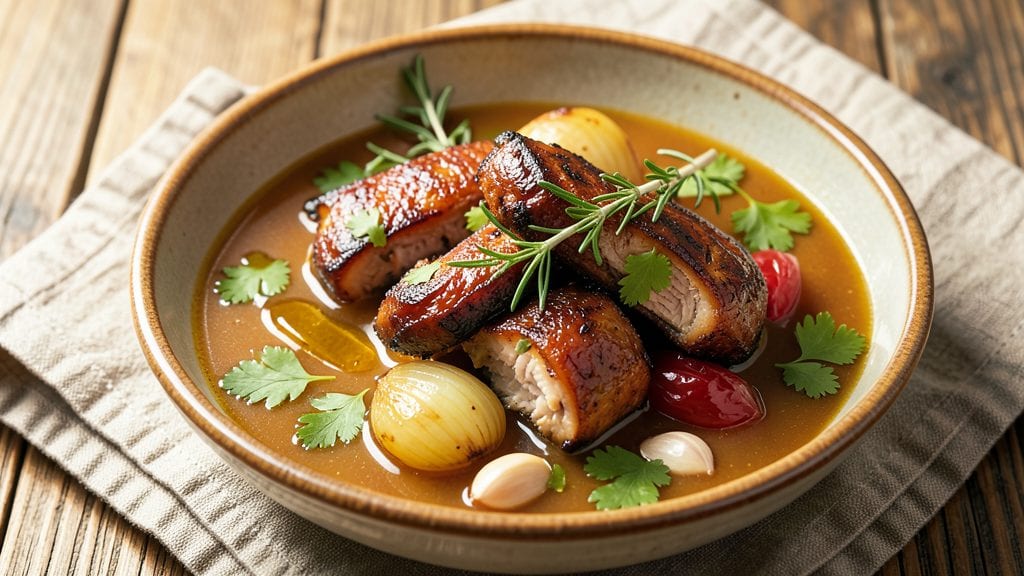
Boiled chicken gizzards transform from tough, gamey offcuts into tender, flavorful bites when simmered with the right technique. I discovered this method after years of experimenting with offal dishes, and the herb-infused approach makes all the difference.
The secret lies in thorough cleaning, proper seasoning, and a slow simmer that breaks down connective tissue without drying them out.
This recipe delivers restaurant-quality results with just five key ingredients: fresh chicken gizzards, aromatic herbs, garlic, onion, and a touch of vinegar for brightness. Unlike many traditional methods, I've optimized the cooking time to 45 minutes—no longer than necessary—while ensuring maximum tenderness.
The herb-infused broth becomes a flavorful sauce that enhances every bite.
What you'll end up with is a dish that's rich in umami and texture—tender gizzards with crisp edges, infused with savory herbs and subtle garlic notes. The broth reduces to a velvety consistency, perfect for drizzling over the gizzards or using as a base for other dishes.
This is comfort food at its finest, elevated beyond basic boiling techniques.
Serve these gizzards with crusty bread to soak up the flavorful broth or pair them with roasted potatoes and a crisp green salad. The versatility makes this recipe perfect for weeknight dinners or special occasions when you want to impress with homemade offal dishes.
Let's get started with this professional technique that transforms simple ingredients into something extraordinary.
Ingredients for boil chicken gizzards
Five aromatic ingredients transform tough gizzards into restaurant-quality bites with velvety broth.
| Ingredient | Amount | Notes |
|---|---|---|
| Fresh Chicken Gizzards 🍗 | 1 ½ lb | Cleaned, trimmed of excess fat |
| Fresh Thyme Sprigs 🌿 | ½ oz | About 8-10 stems, leaves intact |
| Fresh Parsley Sprigs 🌿 | ½ oz | About 8-10 stems, leaves intact |
| Garlic Cloves 🧄 | 6 cloves | Peeled, lightly crushed |
| Yellow Onion 🧅 | 1 whole | Quartered, skin on |
| White Wine Vinegar 🍷 | ¼ cup | Dry, high-quality |
| Diamond Crystal Kosher Salt 🧂 | 1 ½ tbsp | For seasoning broth |
| Black Peppercorns 🌶️ | 1 tsp | Crushed, freshly ground |
| Bay Leaves 🍃 | 2 whole | Dried, standard size |
| Cold Water 💧 | 4 cups | Filtered preferred |
| Unsalted Butter 🧈 | 2 tbsp | For finishing, optional |
The gizzards demand the highest quality—freshness is non-negotiable. Source from a trusted butcher or poultry supplier; look for bright red color and firm texture. Local farms or specialty meat counters often carry superior quality over supermarket options. The herbs should be vibrant and fragrant—fresh thyme and parsley from a farmers' market add depth that dried versions can't match. For vinegar, dry white wine vinegar from a gourmet section elevates the dish beyond basic white vinegar. The butter, while optional, adds luxurious finish—European-style unsalted butter like Plugrá melts beautifully.
No fresh thyme? Dried thyme at one-third the amount suffices, but fresh is ideal. Substitute parsley with fresh cilantro or dill for a different herbal profile. Garlic powder lacks complexity—fresh garlic cloves are essential. Onion can be swapped for leeks or shallots, though yellow onion provides the best balance. Vinegar shortages? Lemon juice or apple cider vinegar work in a pinch, though white wine vinegar's acidity is optimal. The butter can be omitted entirely if avoiding dairy, but it's worth the cost for that final touch of richness.
Prep the gizzards thoroughly—rinse in cold water, scrub under running water, and pat completely dry before cooking. Store fresh herbs in damp paper towels wrapped in plastic for up to 5 days in the refrigerator. The broth reduces beautifully and keeps for 3 days refrigerated or 3 months frozen. For meal prep, portion gizzards into containers with reserved broth—reheat gently to maintain tenderness. The butter should be stored in the freezer to preserve freshness.
Why You'll Love This Recipe
- No-Chop Nightmare: I swear by this recipe when I’m too tired to dice anything—just toss whole gizzards, crushed garlic, and chopped onion into boiling water with thyme sprigs. The onions soften on their own, and the parsley finishes bright and fresh at the end. Honestly, it’s the kind of meal that makes me feel like a hero without actually breaking a sweat.
- Umami Bomb: That garlic-onion-thyme combo? It transforms plain gizzards into something dangerously addictive. The thyme infuses the broth like a whisper of the Mediterranean, while the parsley at the end adds a fresh pop that cuts through the richness. Between us, this is the kind of flavor that makes people ask, "What’s in this?"—then beg for the recipe.
- Leftovers That Don’t Suck: Boiled gizzards keep for days in the fridge, and they’re way better cold than most leftovers. Shred them into salads, toss them into pasta, or just eat them straight with a squeeze of lemon—no one will complain. I’ll be real: I’ve had them for lunch three days in a row, and they still taste like a Sunday dinner.
- Budget Feast for Four: A pound of gizzards feeds a family of four for under $10, and you’re left with enough for seconds. The onions and herbs cost pennies, and the garlic? You already have it. It’s the kind of meal that makes me feel like I’m feeding a crowd without emptying my wallet—or my patience. (Yes, even on a Tuesday night.)
Step-by-step instructions for herb-infused simmered chicken gizzards
Transform tough gizzards into melt-in-your-mouth delicacies using this precise simmering technique.
Prepare the Gizzards for Maximum Tenderness
Rinse the 1.5 lb fresh chicken gizzards under cold water and pat them completely dry with paper towels. This drying step is critical—it prevents the gizzards from absorbing excess water during cooking, which would dilute your flavorful broth. Using a sharp boning knife, trim away any remaining connective tissue or excess fat, being careful to preserve the natural shape of each gizzard.
In a medium bowl, combine the gizzards with the 0.5 oz fresh thyme sprigs and 0.5 oz fresh parsley sprigs. Gently massage the herbs into the gizzards, allowing their essential oils to penetrate the surface. This herb infusion will impart subtle aromatic notes throughout the cooking process. Let the gizzards sit at room temperature for 30 minutes before proceeding—this brief rest ensures even cooking.
Build the Aromatic Broth Foundation
In a large Dutch oven or heavy pot with a tight-fitting lid, combine the 4 cups cold water, 0.25 cup white wine vinegar, 1.5 tbsp diamond crystal kosher salt, 1 tsp crushed black peppercorns, and 2 whole bay leaves. Bring this liquid to a gentle simmer over medium heat, then reduce to a low boil. The vinegar will help tenderize the gizzards while adding brightness to the broth.
While the water heats, peel and lightly crush the 6 cloves garlic. Quarter the 1 whole yellow onion, leaving the skin on for added depth of flavor. Add these aromatics to the simmering liquid and let them steep for 5 minutes. This creates a flavorful base that will infuse the gizzards as they cook. The broth should smell rich and herbaceous—this is your first indication that the flavors are developing properly.
Simmer the Gizzards Until Fork-Tender
Carefully add the herb-massaged gizzards to the Dutch oven. They should be fully submerged in the liquid. If not, add enough cold water to cover them completely—this prevents surface drying and ensures even cooking. Return the liquid to a gentle simmer over medium-low heat, then immediately reduce to the lowest possible heat setting that maintains a bare simmer.
Cover the pot tightly and cook for 1 hour and 15 minutes. This extended simmering time is essential—it breaks down the tough connective tissue while allowing the gizzards to absorb the herb-infused broth. Check the gizzards after 1 hour by inserting a fork into the thickest portion. They should be fork-tender with no resistance, similar to the texture of perfectly cooked chicken breast. If they're not quite tender, continue simmering for another 15-20 minutes.
Finish with Butter for Richness and Rest
Once the gizzards reach fork-tender perfection, remove them from the broth using a slotted spoon and transfer them to a serving platter. Taste the cooking liquid and adjust seasoning if needed—you may need to add more salt or a splash of vinegar to balance the flavors. Return the broth to a gentle simmer and reduce it by half over medium heat, which will intensify the flavor concentration.
In the final 2 minutes of cooking, whisk in the 2 tbsp unsalted butter. This creates a velvety finish that coats the gizzards beautifully. The butter should melt completely, creating a glossy sheen on the surface. Let the gizzards rest for 5 minutes before serving—this allows the juices to redistribute throughout the meat, ensuring each bite is moist and flavorful.
Serve with the Herb-Infused Broth
Arrange the gizzards on a warm serving platter and ladle the reduced herb broth generously over the top. The gizzards should be golden-brown with tender, juicy meat that pulls apart easily. Serve immediately with crusty bread to soak up the flavorful broth or alongside your favorite sides. Each bite should deliver a harmonious blend of herbaceous notes, subtle acidity from the vinegar, and the rich umami depth developed during the long simmer.
Pro Tips For Making Boil Chicken Gizzards
- Trim the Gizzards Right: Cut away the thick membrane and any gristle from the gizzards before boiling—this isn’t optional. I learned this the hard way after biting into a tough chunk mid-bite. Use kitchen scissors to snip the connecting tissue cleanly, then give them a quick rinse. The extra 5 minutes saves you from chewing regret later.
- Start with Cold Water: Don’t toss gizzards into boiling water—drop them in cold first, then bring to a simmer. This keeps them from shrinking into rubbery nubs. I used to rush it, and the texture always suffered. Give them 10 minutes in cold to relax before the heat hits.
- Skip the Overcrowding: Boil gizzards in batches if needed—packing the pot turns the water murky and steams instead of simmers. I once tried to boil a whole pound at once, and the result was gray, unevenly cooked mess. A single layer in the pot guarantees even cooking and crisp edges.
- Save the Broth: Strain and reduce the cooking liquid after boiling—it’s packed with flavor. My grandmother used to toss it, but now I simmer it down with a splash of vinegar and a pinch of salt for a quick pan sauce. Waste not, especially when the gizzards are already done.
Creative variations of these flavors
Southern-Style Vinegar Brine
For a tangy twist inspired by Southern cooking, replace the white wine vinegar with ½ cup apple cider vinegar and add 1 tbsp hot sauce (like Crystal or Tabasco) to the broth. This creates a bold, slightly spicy flavor profile that pairs beautifully with cornbread or collard greens.
The vinegar helps tenderize while adding a bright acidity that cuts through the richness of the gizzards. 🌶️
Italian Herb & Lemon
Swap the thyme and parsley for ½ oz fresh rosemary and ½ oz fresh basil, then add zest of 1 lemon to the broth. Finish with 1 tbsp olive oil instead of butter for a Mediterranean-inspired dish.
Serve with crusty garlic bread and a simple arugula salad tossed in lemon vinaigrette. The rosemary adds piney depth, while the lemon brightens the dish.
Spicy Cajun-Inspired
Add 1 tbsp Cajun seasoning (like Tony Chachere's) to the broth and include ½ tsp smoked paprika and ½ tsp cayenne pepper along with the black peppercorns. For extra heat, toss the cooked gizzards in 1 tbsp hot sauce before serving.
Pair with buttery corn on the cob and a cool, creamy coleslaw to balance the spice. This variation brings bold, smoky flavors to the table.
Asian-Inspired Ginger-Lime
Infuse the broth with 1 tbsp fresh ginger (grated) and 2 tbsp lime juice instead of vinegar. Add 1 tsp soy sauce and ½ tsp five-spice powder for depth. Garnish the gizzards with sliced green onions and serve over steamed jasmine rice with a side of cucumber salad.
The ginger and lime create a refreshing, aromatic twist that's perfect for a lighter meal.
Smoky Chipotle Version
For a smoky depth, add 1 chipotle pepper in adobo sauce (minced) and 1 tsp ground cumin to the broth. Finish with a drizzle of sour cream or avocado crema before serving.
This variation works exceptionally well with warm flour tortillas and a side of black beans. The chipotle adds a slow-building heat that enhances the gizzards' natural richness.
Cheesy & Herbed Bake
After simmering, transfer the gizzards to a baking dish with the reduced broth. Top with ½ cup shredded sharp cheddar cheese and ¼ cup panko breadcrumbs mixed with 1 tbsp dried parsley. Bake at 375°F for 10 minutes until golden and bubbly.
This version is perfect for a hearty weeknight dinner, especially when paired with roasted Brussels sprouts. The cheese adds a creamy contrast to the tender gizzards. 🧀
Nutrition facts
Frequently asked questions about boiling chicken gizzards
How do I properly clean chicken gizzards before cooking?
Rinse them thoroughly under cold water, then scrub gently with a brush to remove any remaining blood or debris. Pat them completely dry with paper towels—this prevents excess water from diluting your flavorful broth. For tough spots, soak in cold water for 10 minutes before scrubbing again.
Can I use frozen chicken gizzards instead of fresh?
Yes, but thaw them completely in the refrigerator (24 hours) before cooking. Never use frozen gizzards directly from the freezer—this can lead to uneven cooking and tough texture. If short on time, submerge the sealed package in cold water for 1 hour, changing the water every 15 minutes.
Why do my boiled gizzards turn out tough instead of tender?
Overcooking is the most common mistake—gizzards should cook at a bare simmer, not a rolling boil. Also, ensure they're fully submerged in liquid and use the vinegar/acidic component to break down connective tissue. If they're still tough after 1 hour 15 minutes, add ½ cup hot water and simmer 15 minutes longer.
What's the best way to store leftover boiled gizzards?
Cool them completely, then store in an airtight container with some of the cooking broth. They'll keep in the fridge for 3 days or freeze for 3 months. For reheating, warm gently in a skillet with a splash of broth or water—microwaving can make them rubbery. Never reheat above 165°F.
Are there any vegetarian alternatives for this recipe?
While no perfect substitute exists, you could try hearts of palm or extra-firm tofu cut into gizzard-like pieces. For texture, add mushroom stems or jackfruit to the broth. However, the dish will lack the natural umami and texture of genuine chicken gizzards—this method is best for meat lovers.