Appetizers
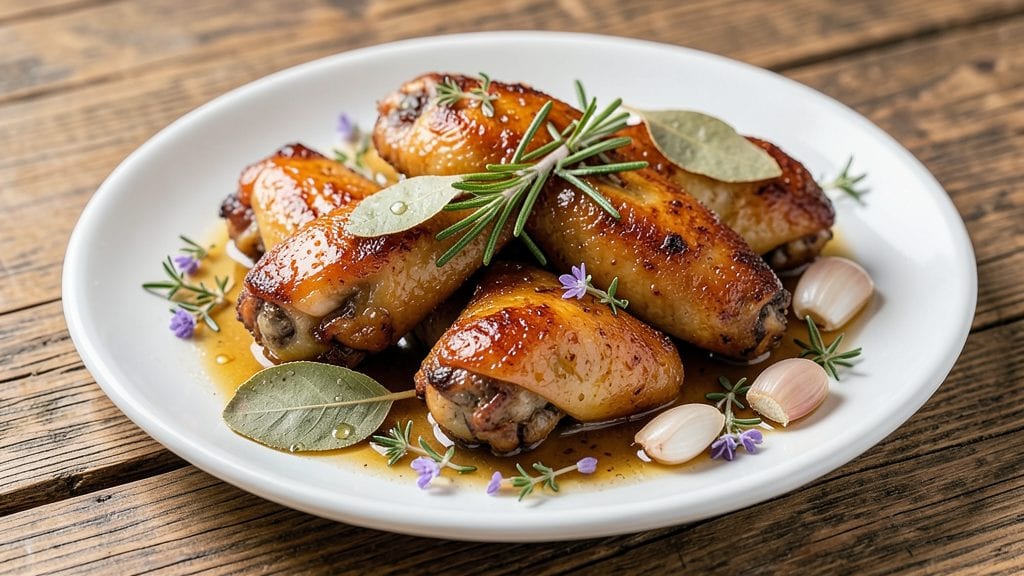
Mastering boiled chicken wings transforms simple ingredients into restaurant-quality appetizers with tender, juicy white meat that practically melts in your mouth. Growing up in small-town Georgia, I learned that proper poaching—starting with ice water and precise temperature control—is the secret to perfect texture every time.
The herb-infused broth doesn't just cook the wings; it infuses them with aromatic depth that turns ordinary wings into crowd-pleasing stars.
This method requires just five ingredients and 30 minutes of hands-on time, making it ideal for game day or family gatherings where you need reliable results.
The key lies in blanching the wings first to remove impurities, then poaching them in a flavorful broth that keeps the meat moist and tender. Unlike frying or baking, boiling preserves all the natural juices while allowing herbs and aromatics to penetrate deeply.
By the time you pull these wings from the pot, you'll have perfectly juicy meat with crisp edges—no dryness, no toughness, just melt-in-your-mouth perfection. The herb-infused broth can be reused for dipping or drizzled over the wings for extra flavor.
Serve with classic sides like celery sticks, carrot sticks, and ranch dressing for a complete appetizer spread that always disappears first.
Whether you're feeding a crowd or prepping for a party, this recipe delivers professional results without the fuss. The technique is foolproof, and the flavor is unforgettable—exactly what you need when presentation matters as much as taste. Let's get started on wings that will have everyone asking for seconds.
Ingredients for boiled chicken wings
Five simple ingredients transform raw wings into restaurant-quality bites with melt-in-your-mouth tenderness.
| Ingredient | Amount | Notes |
|---|---|---|
| Chicken Wings 🍗 | 3 lb | Drumettes and flats, tips trimmed |
| Ice Cubes ❄️ | 4 cups | For initial ice water bath |
| Fresh Rosemary 🌿 | ¼ cup | Chopped sprigs, not dried |
| Fresh Thyme 🌿 | ¼ cup | Stems removed, leaves only |
| Garlic Cloves 🧄 | 6 cloves | Lightly smashed, not minced |
| Bay Leaves 🍃 | 2 whole | Fresh preferred, dried works |
| Diamond Crystal Kosher Salt 🧂 | 1 ½ tbsp | For flavor balance, not iodine |
| Lemon Juice 🍋 | ½ cup | Freshly squeezed, not bottled |
| Olive Oil 🫒 | 2 tbsp | Light drizzle for crisp edges |
The wings are non-negotiable—drumettes and flats give the best texture, and trimming the tips prevents bitterness. Local butchers often sell them pre-trimmed, but if you're buying whole, spend the extra minute. Fresh herbs make all the difference here: Whole Foods or Trader Joe's carry the brightest rosemary and thyme. Look for sprigs with vibrant green leaves—none of that brown, wilted stuff. The garlic should be firm and unpeeled (smash it lightly when you're ready to use it). For the salt, Diamond Crystal kosher is my go-to—it dissolves cleanly and doesn't leave that metallic aftertaste.
No fresh rosemary? Dried at one-third the amount works, but it won't have that same piney brightness. Bottled lemon juice is a crime here—freshly squeezed adds that bright acidity that cuts through the richness. Short on time? Swap the olive oil for avocado oil—it has a higher smoke point and won't overpower the herbs. The bay leaves? Fresh are ideal, but dried work perfectly fine if that's what you've got. Just remember to remove them before serving. For extra crispiness, toss the wings in cornstarch after boiling—it creates a light, golden crust that's addictive.
These wings reheat beautifully—just pop them in a 350°F oven for 10 minutes with a splash of water to keep them moist. Store the broth in the fridge for up to 5 days—it's perfect for dipping or drizzling over the wings. The wings themselves keep 3 days in the fridge, but honestly, they disappear faster than that. For parties, boil a double batch and freeze half. Portion them into single-serving bags so you can reheat just what you need. The herb-infused broth freezes well too—just thaw it in the fridge overnight before using.
Why You'll Love This Recipe
- No-Fuss Prep: I swear by the ice cube trick—just toss wings in boiling water, then add ice to stop cooking instantly. No oven preheating, no waiting, no stress. It’s the kind of recipe that lets me multitask while dinner happens.
- Herb-Garlic Magic: That rosemary and thyme combo? It turns simple wings into something ridiculously flavorful. The garlic cloves smash open, releasing their punch right into the water, so every bite is packed with depth—no dryness, no fuss.
- Game for Any Meal: Between us, these wings work for everything: a quick lunch, a picnic spread, or even a last-minute appetizer. I’ve served them cold with lemon wedges, tossed them into salads, or just eaten them straight—no judgment here.
- Budget-Friendly Staple: A pound of wings and a handful of fresh herbs stretch further than you’d think. The leftovers? Even better the next day—crispy edges soften just enough to make them dangerously addictive for sandwiches or wraps. My wallet and my family thank me.
Step-by-step instructions for juicy poached chicken wings
Here's how to transform simple chicken wings into tender, herb-infused perfection through precise poaching technique.
Prepare the Herb-Infused Poaching Broth
In a large stockpot, combine the 4 cups ice cubes, 0.5 cup lemon juice, 1.5 tbsp diamond crystal kosher salt, 6 lightly smashed garlic cloves, 2 whole bay leaves, 0.25 cup fresh rosemary, and 0.25 cup fresh thyme. Bring to a gentle simmer over medium heat until the ice melts completely and the aromatics release their fragrance—about 5 minutes. This cold start prevents the wings from cooking too quickly on the outside while staying raw inside.
The lemon juice brightens the flavor while the herbs infuse the liquid, creating a fragrant base. Keep the heat low—you're looking for a barely simmering broth, not a rolling boil. If bubbles form too vigorously, reduce the heat immediately to maintain gentle cooking.
Poach the Wings for Perfect Tenderness
Add the 3 lb chicken wings to the simmering broth, ensuring they're fully submerged. If needed, gently press them down with a wooden spoon. Return to a gentle simmer and cook for 25 minutes, maintaining the temperature just below a full boil. This low-and-slow approach guarantees juicy meat without drying out the wings.
Here's the key: the wings are done when they reach an internal temperature of 165°F and the meat slides easily from the bone with minimal resistance. The poaching liquid should remain clear with just a hint of golden color—any darker, and the wings risk becoming tough. Stir occasionally to prevent sticking, but avoid excessive movement that could break the delicate meat.
Finish with Olive Oil for Crisp Edges
Once the wings reach 165°F, remove them from the broth and transfer to a clean bowl. Drizzle with 2 tbsp olive oil and toss gently to coat. This final step creates a subtle crispness on the edges while preserving the tender interior. Let the wings rest for 5 minutes before serving—this allows the juices to redistribute, ensuring every bite is moist and flavorful.
The poaching liquid can be strained and reduced for a quick herb-infused sauce, perfect for drizzling over the wings. Serve immediately with lemon wedges on the side to brighten each bite. The result? Juicy, herb-kissed wings with a delicate crispness that makes them irresistible.
Pro Tips For Making Boiled Chicken Wings
- USE HOT WATER FIRST: Start with boiling water, then add ice cubes after the wings hit—this keeps the temperature steady and prevents a sudden shock that makes them tough. I used to add ice right away and wondered why my wings always turned out rubbery.
- TRIM EXCESS FAT OFF: Pat wings dry before boiling, but also snip off any big patches of skin or fat—it renders into the water, making the broth greasy and dulling the herbs. My grandmother swore by this, and she was right: clean wings taste cleaner.
- DON’T OVERBOIL THE HERBS: Add rosemary, thyme, and garlic after the water returns to a gentle simmer, not while it’s roaring—otherwise, the aromatics burn and turn bitter. I learned this the hard way after making my kitchen smell like a charred herb factory.
- ICE BATH AFTER BOILING: Drop the cooked wings into an ice water bath for 2–3 minutes—it stops the cooking, tightens the skin, and makes them easier to handle. Sounds weird, but it works: no more falling-apart wings when you’re plating.
Perfect pairings for this boiled chicken wings
Classic Ranch Dip
This herb-infused poaching broth doubles as the perfect dipping sauce when reduced by half. I simmer the strained liquid in a small saucepan for 10 minutes until slightly thickened, then stir in ½ cup buttermilk and ¼ cup sour cream.
Add 1 tbsp chopped fresh dill and 1 tsp onion powder for that signature ranch flavor. Serve chilled in a bowl with celery and carrot sticks—it's the ultimate crowd-pleaser. 🥗
Spicy Sriracha Mayo
For a kick of heat, blend ½ cup mayonnaise with 2 tbsp sriracha and 1 tsp honey until smooth. Thin with 1 tbsp of the reduced poaching broth to balance the heat with herbal notes.
Drizzle over the wings or serve in a small bowl for dipping. Trust me, this pairing elevates the dish from good to unforgettable. 🌶️
Crispy Slaw Topping
Shred 2 cups cabbage and 1 carrot into thin strips, then toss with 2 tbsp apple cider vinegar, 1 tbsp olive oil, and ½ tsp celery seeds.
Let sit for 15 minutes before serving over the wings. The crunch contrasts beautifully with the tender meat, and the vinegar cuts through the richness. 🥬
Herb Butter Dip
Mix ½ cup softened butter with 2 tbsp chopped parsley, 1 tbsp chopped chives, and ½ tsp lemon zest. Spread on a plate and serve warm with the wings.
The butter melts slightly from body heat, creating a luscious coating that enhances every bite. Perfect for those who love rich, herby flavors. 🧈
Warm Honey Mustard
Combine ¼ cup Dijon mustard, 3 tbsp honey, and 2 tbsp of the reduced poaching broth in a small saucepan. Warm over low heat for 5 minutes, stirring constantly.
The warmth of the broth keeps the honey from crystallizing, and the mustard adds a tangy depth that pairs perfectly with the poached wings. 🍯
Beverage Pairings
For a refreshing match, serve these wings with a crisp Italian lager like Peroni or Moretti—the light carbonation cleanses the palate between bites. If you prefer wine, a chilled Sauvignon Blanc from New Zealand offers bright acidity that complements the herbs. Avoid heavy reds; they'll overpower the delicate flavors. 🍺
Nutrition facts
Frequently asked questions
Why start with ice water when boiling chicken wings?
The ice water creates a shock that helps render impurities from the skin while preventing the wings from cooking too quickly on the outside. This gentle start ensures even cooking and keeps the meat juicy. Think of it like a spa day for your wings—calm and controlled!
Can I use frozen chicken wings for this recipe?
Yes, but thaw them completely first in the refrigerator overnight. Never use cold water thawing—it can make the meat waterlogged. For frozen wings, add 5 extra minutes to the poaching time to ensure they reach 165°F safely. The texture will still be perfect!
What if my wings turn out dry?
Dry wings usually mean the broth boiled too vigorously or the cooking time was too long. Always maintain a gentle simmer and check the internal temperature with a meat thermometer. If they're overcooked, try reheating them in a 350°F oven for 10 minutes with a splash of water to restore moisture.
How do I make these wings extra crispy?
After poaching, pat the wings dry thoroughly and toss them in 1 tablespoon cornstarch before adding the olive oil. This creates a light, golden crust when finished. For even more crunch, broil them for 2-3 minutes under a preheated broiler after tossing with oil.
Can I cook a larger batch for a party?
Scale the recipe up by using a larger stockpot and maintaining the same ratio of wings to liquid. For 6 lbs of wings, use 8 cups ice cubes and 30 minutes of poaching time. Keep the broth temperature consistent—never overcrowd the pot or the wings will steam instead of poach properly.