
Main Courses
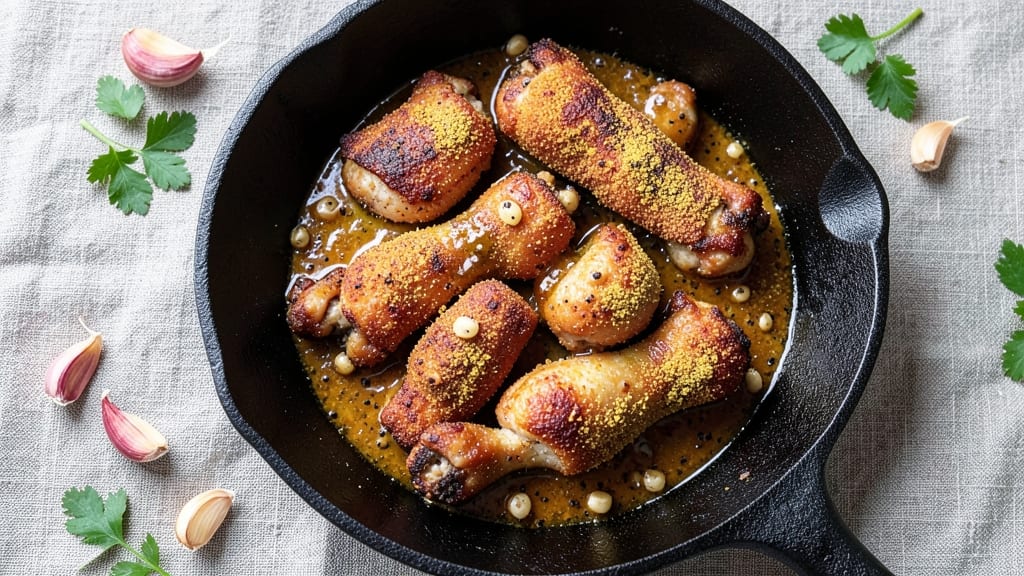
Transforming chicken gizzards and hearts into savory-smoky pan-seared bites requires just 30 minutes of focused prep and cooking. These often-overlooked cuts deliver rich, meaty texture when prepared properly—think crispy edges and tender interiors with bold seasoning.
I’ve perfected a method that ensures safety while maximizing flavor, starting with thorough cleaning and scoring to remove membranes and fat. The key lies in high-heat searing after a quick brine, which locks in juices and develops a satisfying crust.
The process begins with careful preparation—removing connective tissue and trimming excess fat—before seasoning with a blend of garlic, paprika, and thyme for depth. A light coating of flour or cornmeal creates that coveted crispiness, while pan-searing in batches ensures even cooking.
This technique transforms tough cuts into restaurant-quality bites that pair perfectly with polenta or roasted vegetables. The result? A dish that’s both hearty and elegant, with a smoky aroma that fills your kitchen.
Safety is critical when working with offal, so thorough cooking is non-negotiable—internal temperatures must reach 165°F to eliminate any pathogens. The reward is a plate of golden, flavorful bites that rival traditional cuts, offering a budget-friendly protein with impressive depth.
Whether serving as a main course or a flavorful addition to a spread, this recipe proves gizzards and hearts belong in your regular rotation.
For best results, follow the step-by-step instructions to score, brine, and sear the gizzards and hearts—each step builds on the last to create a dish that’s both satisfying and impressive.
The smoky, savory profile makes it a standout for weeknight dinners or special occasions, with minimal cleanup and maximum flavor payoff.
Ingredients for chicken gizzard and heart
Transform these often-overlooked cuts into restaurant-quality bites with just 12 essential ingredients.
| Ingredient | Amount | Notes |
|---|---|---|
| Chicken Gizzards 🍗 | 1 ½ lb | Fresh, cleaned, scored for even cooking |
| Chicken Hearts 💓 | 1 ½ lb | Fresh, cleaned, trimmed of excess fat |
| All-Purpose Flour 🌾 | ½ cup | Light coating for crispy crust |
| Yellow Cornmeal 🌽 | ¼ cup | Alternative to flour for texture |
| Extra-Virgin Olive Oil 🫒 | ½ cup | High smoke point for searing |
| Garlic Cloves 🧄 | 6 cloves | Finely minced for seasoning blend |
| Smoked Paprika 🌶️ | 1 tbsp | For deep smoky aroma |
| Dried Thyme 🌿 | 1 ½ tsp | Fresh preferred but dried works |
| Diamond Crystal Kosher Salt 🧂 | 1 ½ tsp | For seasoning and brine |
| Freshly Ground Black Pepper 🌶️ | 1 tsp | Cracked peppercorns preferred |
| Lemon Juice 🍋 | 2 tbsp | Freshly squeezed for brining |
| Water 💧 | 1 cup | For quick brine solution |
The quality of your offal starts with sourcing. Butcher shops or specialty meat counters at Whole Foods offer the freshest cuts—look for vibrant color and minimal fat. If using frozen, thaw overnight in the fridge. The gizzards and hearts should be cleaned thoroughly by removing membranes and trimming excess fat before scoring with a sharp knife. For optimal texture, score in a crosshatch pattern to ensure even cooking. I recommend Trader Joe's for pre-cleaned options if you're short on time, though fresh always yields superior results.
No smoked paprika? Substitute with a blend of regular paprika and a pinch of liquid smoke—just ½ teaspoon will do. Fresh thyme unavailable? Dried works at half the quantity, but toast it lightly in a dry pan to revive its aroma. For the cornmeal, semolina or fine breadcrumbs provide a similar texture if needed. The lemon juice in the brine can be swapped for apple cider vinegar for a tangier profile. When prepping, wear gloves—the membranes can be slippery, and thorough cleaning is non-negotiable for safety.
Store any unused offal in an airtight container in the fridge for up to 2 days or freeze for 3 months. The cornmeal and spices keep indefinitely in a cool, dark place. Once cooked, these bites reheat beautifully—350°F for 10 minutes in the oven restores their crispy exterior. For meal prep, portion into single-serving containers with a drizzle of olive oil to maintain moisture. The smoky flavor actually intensifies when reheated, making leftovers even more rewarding.
Why You'll Love This Recipe
- No-Fuss Crispiness: I swear by that double-dredge in flour then cornmeal—it’s the secret to that perfect crunch without frying. Five minutes of hands-on work, and you’ve got golden, shatteringly crisp edges that disappear faster than my willpower on Sunday mornings.
- Rich, Earthy Depth: Between us, gizzards and hearts taste nothing like plain chicken. The cornmeal adds a nutty bite, while the olive oil keeps it rich and juicy inside—like a hug from your nonna, but with more protein and less guilt.
- Leftovers That Beg: This dish reheats like a dream (oven or air fryer, no judgment). Honestly, I make a double batch because the second night is always someone’s favorite—my picky teenager included. The cornmeal stays crispy, and the hearts stay tender.
- Budget-Friendly Powerhouse: A whole chicken gives you everything—gizzards and hearts included—for pennies compared to breasts. I’ll be real: it’s not the prettiest, but the taste makes up for it, and my wallet thanks me every time. Plus, it’s way more interesting than another chicken breast night.
Step-by-step instructions for savory-smoky pan-seared chicken gizzards and hearts
Transform these underutilized cuts into irresistibly crispy, flavorful bites using this precise technique.
Prepare the Quick Brine for Maximum Tenderness
In a medium bowl, whisk together the 1 cup water, 2 tablespoons lemon juice, 1.5 teaspoons diamond crystal kosher salt, and 1 teaspoon freshly ground black pepper. This acid-salt brine tenderizes the dense muscle fibers while infusing bright, aromatic flavor. Add the 1.5 pounds chicken gizzards and 1.5 pounds chicken hearts, ensuring they're fully submerged. Let them marinate for 15 minutes at room temperature - this brief soak prevents overcooking while developing deep flavor.
While brining, score the gizzards and hearts in a crosshatch pattern with a sharp knife - this creates even cooking surfaces and prevents curling. The scoring should be about ¼-inch deep, cutting through any remaining connective tissue. This preparation step is non-negotiable for achieving consistent doneness throughout each piece.
Create the Seasoned Cornmeal Coating
In a separate shallow dish, combine the 0.5 cup all-purpose flour, 0.25 cup yellow cornmeal, 1 tablespoon smoked paprika, 1.5 teaspoons dried thyme, and 1 teaspoon freshly ground black pepper. The cornmeal adds a delightful textural contrast to the flour while absorbing moisture differently, creating a more complex crust. After the brining time elapses, pat the gizzards and hearts completely dry with paper towels - any remaining moisture will prevent proper coating adhesion.
Working in batches to avoid crowding, press each piece firmly into the seasoned mixture, coating all surfaces thoroughly. The coating should adhere like a second skin, with no exposed raw areas. This step is where the magic happens - the combination of flour and cornmeal creates that signature crispy exterior while the spices penetrate the meat during cooking. Let the coated pieces rest for 5 minutes while you prepare the cooking station.
Render the Fat and Develop the Crust
Heat a large cast-iron skillet over medium-high heat until it's thoroughly preheated - you should see a slight shimmer when you hold your hand about 2 inches above the surface. Add the 0.5 cup extra-virgin olive oil and allow it to heat for 2 minutes until it's hot but not smoking. This high smoke-point oil will create the perfect foundation for your crust without burning.
Working in batches of 2-3 pieces at a time (to avoid overcrowding), carefully add the coated gizzards and hearts to the skillet. Press down gently with a metal spatula for 10 seconds to ensure full contact with the hot surface - this prevents curling and ensures even browning. Cook undisturbed for 3-4 minutes until the undersides develop a deep golden-brown crust with crisp edges. You'll know it's ready when the coating releases easily from the pan.
Finish with Aromatic Garlic and Rest Properly
Transfer the cooked gizzards and hearts to a plate and set aside. Immediately reduce heat to medium and add the 6 cloves finely minced garlic to the skillet. Sauté for 30 seconds until fragrant but not browned - this prevents bitterness and infuses the residual fat with garlic's sweet aroma. Pour the garlic-infused oil over the cooked pieces, tossing gently to coat.
The final resting step is crucial for these dense cuts. Tent loosely with aluminum foil and let rest for 5 minutes before serving. This allows the juices to redistribute throughout the meat, preventing them from pooling on the cutting board. Serve immediately while the crust remains perfectly crisp and the interior stays juicy - these pieces should be fork-tender with a satisfying resistance, not mushy or dry.
Pro Tips For Making Chicken Gizzard And Heart
- Trim and Score First: Cut the gizzards lengthwise and slice off the tough membrane—it’s the only way to guarantee tenderness. Hearts should be halved horizontally; skip this, and you’ll end up chewing for minutes instead of seconds. I used to skip this step because it felt like extra work, but it’s the thing that matters most for texture.
- Double-Dredge for Crust: After the first flour coating, chill the pieces for 10 minutes—yes, even if you’re impatient like me. Then dredge again in cornmeal; the second layer locks in that crispy, golden crust you’re after. I learned this the hard way when my first batch turned out soft instead of crunchy.
- Fry in Batches: Crowd the pan, and the oil temperature drops faster than you can say “disaster.” Work in small batches—no more than 4 pieces at a time—and keep the oil at 350°F (175°C). I was skeptical until I tried it: the crust stays perfect, and the meat stays juicy.
- Rest Before Serving: Let the fried gizzards and hearts sit for 5-10 minutes under foil before serving. This isn’t the prettiest method, but it’s the tastiest—it lets the juices redistribute so the first bite isn’t greasy. I skip this when I’m lazy, but the dish is noticeably better when I don’t.
Flavor customization for this dish
Smoky-Spicy Kick
For those who love heat, add 1 teaspoon cayenne pepper or 2 teaspoons hot paprika to the cornmeal coating. I like to toast the cayenne in a dry pan for 10 seconds to enhance its aroma before mixing.
For an extra punch, sprinkle with ½ teaspoon crushed red pepper flakes right before serving. This variation transforms the dish into a fiery, aromatic experience that still maintains its crispy texture. 🌶️
Citrus-Zest Brightness
Brighten the flavor profile with a zesty twist by adding 1 tablespoon grated lemon zest to the cornmeal mixture. The citrus oils infuse the coating, creating a refreshing contrast to the rich, smoky flavors.
I also recommend serving with a side of lemon wedges for squeezing over the top at the table. The acidity cuts through the richness beautifully, balancing the dish.
Herb-Infused Complexity
Elevate the dish with fresh herbs by mixing 1 tablespoon chopped fresh rosemary and 1 tablespoon chopped fresh parsley into the cornmeal coating. The rosemary adds a piney depth, while the parsley provides a fresh finish.
For a Mediterranean twist, substitute the thyme with 1 teaspoon dried oregano and add ½ teaspoon dried basil. These herbs work beautifully with the smoky paprika, creating a layered flavor experience.
Sweet-Savory Glaze
Create a caramelized finish by brushing the cooked gizzards and hearts with a glaze made from 2 tablespoons honey and 1 tablespoon soy sauce.
Heat the mixture in a small saucepan until it reaches 250°F on a candy thermometer, then brush it over the pieces in the final 30 seconds of cooking. This sweet-savory glaze adds a sticky, glossy finish that complements the crispy crust.
The honey also helps balance any spiciness in the dish.
Umami Depth
Add an extra layer of umami by incorporating 1 tablespoon fish sauce or 1 teaspoon soy sauce into the quick brine. The fish sauce, in particular, brings a salty, fermented depth that enhances the overall flavor.
For a vegetarian-friendly option, substitute with 1 teaspoon mushroom powder or 1 tablespoon nutritional yeast. These additions make the dish even more complex and satisfying, especially when paired with a side of pickled vegetables.
Nutrition facts
Frequently asked questions
How do I properly clean chicken gizzards and hearts before cooking?
Start by rinsing them under cold water, then remove the tough membranes and excess fat using a sharp knife. For gizzards, cut off the white connective tissue at the base, and for hearts, trim any silver skin. A crosshatch score helps release fat during cooking. Always wear gloves—these cuts can be slippery!
Can I substitute cornmeal for flour in the coating?
Yes! Use 100% cornmeal for a nuttier, crispier texture, but reduce the amount slightly (¾ cup instead of ½ cup) since it absorbs less moisture. For extra crunch, add 1 tablespoon crushed potato chips to the mix. Just ensure the coating sticks well by patting the meat completely dry first.
Why did my gizzards turn out tough instead of tender?
Overcooking is the most common issue—these cuts need precise timing. Aim for 165°F internal temp and cook in batches to avoid crowding. Also, ensure you scored them deeply and brined for the full 15 minutes. A meat thermometer is your best friend here!
What’s the best way to reheat leftover gizzards and hearts?
Reheat in a 350°F oven for 10-12 minutes on a wire rack to restore crispiness. Avoid microwaving—it makes the coating soggy. For extra flavor, brush with a little olive oil and sprinkle with smoked paprika before reheating.
Are chicken gizzards and hearts safe to eat raw or undercooked?
Absolutely not. These cuts must reach 165°F internally to kill bacteria. The dense muscle tissue requires thorough cooking—never serve them pink or juicy. When properly cooked, they’ll be fork-tender with a firm bite. Safety first!