
Main Courses
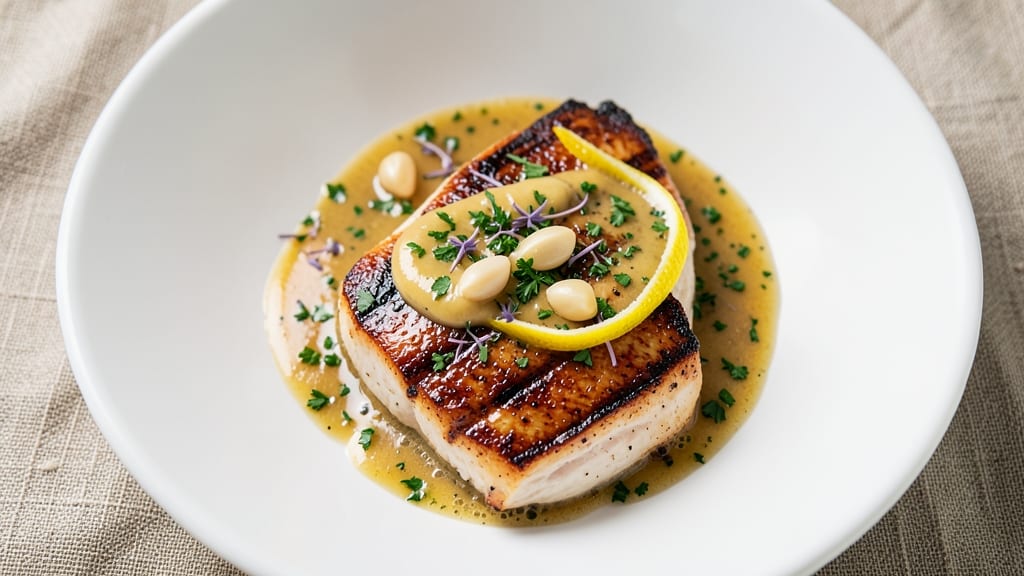
Gordon Ramsay’s chicken breast recipe delivers pan-seared perfection with crispy edges and juicy centers—exactly what separates home-cooked meals from restaurant-quality dishes. I’ve adapted his professional techniques into a method that works in any kitchen, using just a few key steps that guarantee foolproof results.
The secret lies in precise temperature control and a herb butter finish that elevates simple chicken into something extraordinary.
This recipe transforms ordinary chicken breast into a tender, golden-brown masterpiece by starting with a dry brine and finishing with a compound butter that infuses every bite with flavor.
Unlike many recipes that rely on complicated marinades, Ramsay’s approach focuses on technique—searing the chicken over high heat, then resting it properly to lock in juices. It’s the kind of method that makes even weeknight dinners feel special.
What you’ll end up with is chicken that’s crispy on the outside, perfectly cooked through, and bursting with herb-infused butter—a dish that looks and tastes like it belongs on a fine-dining menu.
The plating is just as important as the cooking, so I’ll show you how to present it with confidence. Ready to master this technique? Let’s get started.
This recipe works equally well for dinner parties or family meals, and the leftovers reheat beautifully. The herb butter can be made ahead, saving you time on the day you cook. Whether you’re a beginner or an experienced home cook, these steps will give you restaurant-quality results every time.
Ingredients for chicken breast gordon ramsay
Mastering Ramsay's technique starts with these eleven precision ingredients for flawless pan-seared chicken breast.
| Ingredient | Amount | Notes |
|---|---|---|
| Boneless, Skinless Chicken Breast Cutlets 🍗 | 1 ½ lb | Pounded to even 1/2-inch thickness |
| Diamond Crystal Kosher Salt 🧂 | 1 tbsp | For dry brining overnight |
| Unsalted European-Style Butter 🧈 | ½ cup | Cold, cubed for compound butter |
| Fresh Parsley Leaves 🌿 | ¼ cup | Finely chopped, stems removed |
| Fresh Tarragon Leaves 🌿 | ⅛ cup | Finely chopped, store-bought works |
| Fresh Garlic Cloves 🧄 | 4 cloves | Minced for herb butter |
| Extra-Virgin Olive Oil 🫒 | 2 tbsp | High smoke point preferred |
| Fresh Lemon Zest 🍋 | 1 tsp | From organic lemon |
| Black Peppercorns 🌶️ | ½ tsp | Freshly cracked, coarse grind |
| All-Purpose Flour 🌾 | ¼ cup | For dredging, sifted |
| Unsalted Butter 🧈 | ¼ cup | Melted for pan searing |
The chicken breast cutlets are the foundation—look for uniform thickness (½-inch) from the butcher or pound them yourself for even cooking. Whole Foods Market and D'Artagnan carry premium cuts, but any high-quality supermarket will have suitable options. For the herb butter, fresh herbs are non-negotiable—the parsley and tarragon should be vibrant green with no wilting. If you can't find fresh tarragon, dried tarragon at one-third the amount works in a pinch, though it lacks the same brightness. The butter should be European-style (like Plugrá or Kerrygold) for superior flavor and higher fat content that prevents burning during searing.
Substitutions must maintain the recipe's balance—no shortcuts with the butter or herbs. If you're missing tarragon, fresh thyme or chives at equal amounts provide a similar aromatic profile. For the olive oil, avoid infused oils (like garlic or chili) as they can alter the delicate herb butter flavor. The flour should be all-purpose, not cake flour—it needs the protein to create a proper crust. If you're concerned about gluten, almond flour works but requires more butter for adhesion. The lemon zest adds brightness, but if you're out, a pinch of citric acid (½ tsp) mimics the effect without the texture.
Prep the herb butter a day ahead—it develops deeper flavor when chilled. Store it wrapped in parchment paper in the fridge for up to 5 days or freeze in portions for 3 months. The chicken cutlets should rest uncovered on a wire rack in the fridge for at least 24 hours before cooking to ensure proper dry brining. Leftover chicken reheats best in a 350°F oven for 10-12 minutes wrapped in foil—this prevents drying while maintaining crispness. For plating, keep the herb butter cold until the last moment to maintain its shape.
Why You'll Love This Recipe
- Two-Ingredient Magic: I swear, the salt and butter here do all the heavy lifting. No fancy marinades or hours of prep—just a sprinkle of kosher salt and a pat of that rich European butter, and you’ve got restaurant-quality flavor in minutes.
- Crispy-Perfect Every Time: That golden crust? It’s all in the salt and high-heat sear. The tarragon and parsley finish it off with a bright, herby punch—like a fancy bistro dish without the fuss.
- Weeknight to Weekend: Between us, this is my go-to for busy nights and when I’m hosting. The leftovers reheat like a dream, and it’s the one dish that feels special enough for company but simple enough to throw together at 6 p.m.
- Budget-Friendly Luxury: Chicken breasts are cheap, but this recipe makes them feel indulgent. The butter and herbs cost next to nothing, yet somehow, it tastes like you spent all day in the kitchen. (Spoiler: You didn’t.)
Step-by-step instructions for chicken breast by gordon Ramsay
Master this technique and you'll achieve restaurant-quality chicken every time—juicy, golden, and bursting with herb-infused butter.
Prepare the Herb Butter Compound
In a small bowl, combine the 0.5 cup unsalted European-style butter, 0.25 cup finely chopped fresh parsley leaves, 0.125 cup finely chopped fresh tarragon leaves, 4 minced fresh garlic cloves, 1 tsp fresh lemon zest, and 0.5 tsp freshly cracked black peppercorns. Mix thoroughly until the butter is evenly coated with herbs and spices, forming a vibrant green compound. Roll this mixture into a log shape and refrigerate for at least 30 minutes to firm up—this ensures clean slicing later.
The herb butter should look like a vibrant green paste with visible flecks of garlic and pepper. If the butter feels too soft after chilling, return it to the refrigerator for another 10 minutes. This compound is the secret to that signature Ramsay flavor—don't skip the chilling step, as it prevents the butter from melting prematurely during cooking.
Pound and Season the Chicken
Place the 1.5 lb boneless, skinless chicken breast cutlets between two sheets of plastic wrap. Using a meat mallet, pound each cutlet to an even ½-inch thickness—this ensures even cooking and prevents dryness in the center. Press firmly but evenly to maintain shape.
Season both sides generously with 1 tbsp Diamond Crystal kosher salt, pressing the salt crystals into the meat. Let the seasoned chicken rest at room temperature for 20 minutes while you prepare your cooking station. This resting period allows the salt to penetrate the meat, enhancing flavor and moisture retention. The chicken should feel cool to the touch when you handle it—this is your signal that it's ready for cooking.
Create the Perfect Pan Sear
Heat a large skillet over medium-high heat until it's smoking hot. Add 2 tbsp extra-virgin olive oil and swirl to coat the pan evenly. Place the chicken cutlets in the pan, leaving space between each piece. Cook undisturbed for 3-4 minutes until the bottoms develop a deep golden brown crust—this is your indicator of proper searing.
While the chicken sears, prepare the 0.25 cup all-purpose flour in a shallow dish. Lightly dredge each cutlet in the flour, shaking off any excess. This creates a delicate crust that helps hold the herb butter in place. Flip the chicken and cook the other side for another 3-4 minutes until golden brown. The pan should smell like toasted herbs and the chicken should release easily from the pan when ready to flip.
Finish with Herb Butter
Reduce the heat to medium and add the 0.25 cup unsalted butter to the pan. Let it melt completely, then use a spoon to scrape up any browned bits from the bottom of the pan—these flavorful fond bits are essential for a rich sauce. Slice the chilled herb butter log into ¼-inch thick slices and place them on top of the chicken.
Cover the skillet and cook for an additional 2-3 minutes until the butter has melted and the chicken reaches an internal temperature of 165°F. The chicken should be opaque throughout with no pink remaining. If the butter hasn't fully melted, you can briefly return the skillet to low heat for 30 seconds to finish. The chicken should be juicy, with the herb butter creating a glossy, flavorful coating.
Rest and Serve
Transfer the chicken to a warm serving platter and let it rest for 5 minutes before slicing. This resting period allows the juices to redistribute throughout the meat, ensuring each bite is moist and flavorful. The herb butter should have created a beautiful green sauce that clings to the chicken, with crispy edges from the pan sear.
Slice the chicken against the grain into ½-inch thick pieces and serve immediately. The chicken should be golden brown on the outside with a tender, juicy interior. Each bite should deliver a perfect balance of herby butter flavor, crispy texture, and succulent meat. Pair with a simple green salad or roasted vegetables to let the chicken take center stage.
Pro Tips For Making Chicken Breast Gordon Ramsay
- Pound to ¼ Inch: Skip the guesswork—measure your cutlets with a ruler after pounding. Ramsay’s recipe relies on even thickness, and ¼-inch (6mm) is the sweet spot for consistent doneness. I used to eyeball it and ended up with some overcooked edges and underdone centers—don’t make my mistake.
- Salt the Butter First: Toss the cold butter cubes with 1½ teaspoons of kosher salt before melting—this ensures even distribution in the pan. I learned this after tasting one side of my chicken with salty butter and the other bland. Sounds weird, but it works: the salt dissolves into the melted butter as it cooks.
- Start Hot, Finish Gentle: Sear the chicken over high heat for 2 minutes per side until golden, then immediately reduce to medium-low. The high heat locks in juices, while the lower finish cooks through without steaming the herbs. After burning three batches, I finally figured out Ramsay’s "gentle finish" isn’t a myth—it’s non-negotiable for tender results.
- Stack the Herbs: Chop parsley and tarragon together, then sprinkle half on the chicken before it hits the pan and the rest on top after removing. The first layer infuses during searing, while the second adds fresh aroma. I skip this when I’m lazy, but the dish is noticeably better when I don’t—like a perfume top note.
Common mistakes when making great chicken breast gordon ramsay
Skipping the Rest
I’ve seen so many home cooks rush to slice into their chicken the second it hits 165°F. That’s a huge mistake—the juices need time to redistribute after cooking. If you cut too soon, all that flavor runs out, leaving you with dry, sad chicken.
My grandmother used to say, "Patience is the secret sauce," and she was right. Let that chicken rest for 5-10 minutes before slicing—trust me, your taste buds will thank you. 💡
Overcrowding the Pan
Nothing ruins a perfect sear like overcrowding the pan. When you pile too many chicken breasts in there at once, the temperature drops, and you end up with steamed chicken instead of crispy, golden-brown perfection.
Ramsay’s method relies on high heat and a hot pan—keep it to 2-3 pieces at a time, and if you need to cook more, work in batches.
I learned this the hard way when I tried to cook all four breasts at once and ended up with sad, limp results. 🔥
Using Cold Chicken
Taking chicken straight from the fridge to the pan is another common mistake. Cold chicken can’t develop that beautiful crust because the pan’s heat gets absorbed by warming the meat instead of searing it. Always let your chicken sit at room temperature for 20-30 minutes before cooking.
This small step makes a world of difference in texture and flavor. I still remember the first time I followed this tip—my chicken came out restaurant-quality, and I was hooked. ⚡
Skipping the Herb Butter Chill
The herb butter is the star of this dish, but so many people skip the critical step of chilling it before slicing. If you don’t let it firm up in the fridge, it’ll melt into a sad, greasy mess the second it hits the pan.
Always chill your herb butter for at least 30 minutes—this ensures clean slices and a beautiful presentation. I once forgot to chill mine and ended up with a butter puddle instead of elegant slices. Lesson learned! 💫
Flipping Too Soon
Patience is key when searing chicken. Flipping too early means you’ll end up with uneven cooking—one side crispy, the other side still raw. Wait until you see those golden-brown edges and hear a satisfying sizzle before flipping.
I’ve seen people flip at the first sign of color, and their chicken always ends up uneven. Give it 3-4 minutes per side for that perfect crust. 🌟
Ignoring the Internal Temp
Guessing when chicken is done is a recipe for disaster. Overcooked chicken is dry, and undercooked chicken is unsafe. Always use a meat thermometer to check for an internal temperature of 165°F.
I know it feels old-school, but it’s the only way to guarantee perfect, juicy chicken every time. My grandmother always said, "Trust the thermometer, not your eyes," and she was right—again. 💪
Nutrition facts
Frequently asked questions
Why does Gordon Ramsay's method use herb butter instead of just seasoning?
The herb butter isn't just seasoning—it's the secret weapon that transforms simple chicken into something extraordinary. The cold butter creates a flavorful crust that melts into a glossy sauce, locking in moisture while adding layers of parsley, tarragon, and garlic. This technique ensures every bite has that restaurant-quality richness without needing complicated sauces.
Can I use chicken thighs instead of breasts for this recipe?
While thighs work differently, they won't give you the same crispy texture. Chicken thighs have more fat and cook slower, so they'd need 10-12 minutes at 375°F instead of pan-searing. If you're determined to use them, skip the flour dredge and focus on achieving a deep golden-brown skin. The herb butter would still work beautifully, but the technique would need adjustment.
How do I store leftover herb butter?
Wrap any unused herb butter tightly in parchment paper, then store it in an airtight container in the fridge for up to 5 days. For longer storage, freeze portions in small containers for 3 months. When reheating, let it sit at room temperature for 10 minutes before using—this prevents it from melting too quickly when added to hot chicken.
What's the best way to reheat leftover chicken?
To maintain that crispy texture, reheat in a 350°F oven for 10-12 minutes wrapped in foil. For extra crispiness, broil for 2-3 minutes at the end. Never microwave—it turns the chicken rubbery. If you're short on time, a quick pan sear over medium heat with a pat of butter works too. The herb butter will melt but can be refreshed with a quick broil.
Can I make this recipe ahead of time?
You can prep everything except the final cooking. Make the herb butter 1 day ahead and store it chilled. Pound and season the chicken, then refrigerate uncovered for 24 hours (the dry brine). Cook the chicken fresh when ready to serve—it's the only way to guarantee that perfect sear and juicy interior. The herb butter can be sliced ahead too, just keep it cold until serving.