
Main Courses
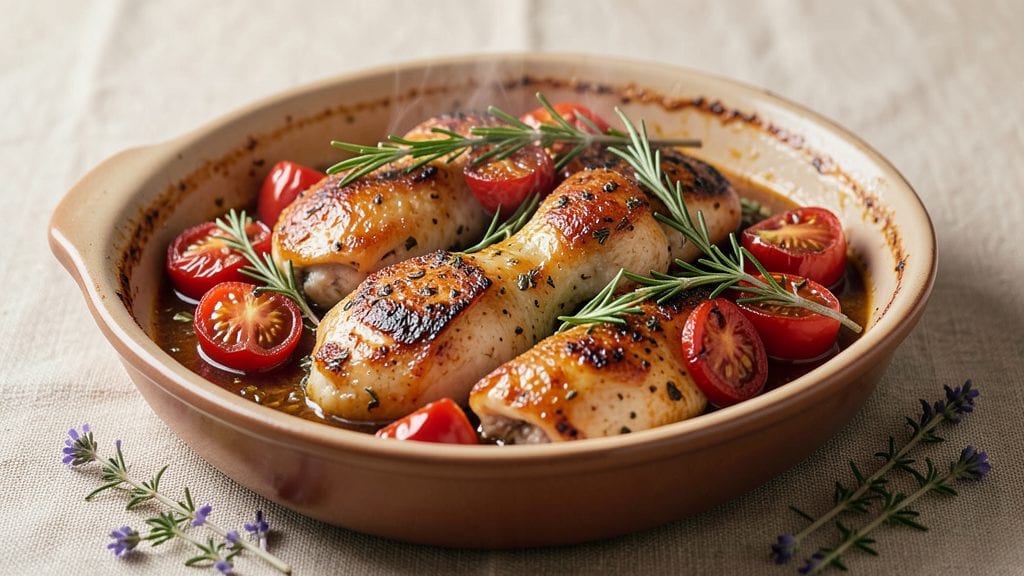
Giada De Laurentiis' chicken cacciatore delivers restaurant-quality Italian comfort in your own kitchen, where tender chicken simmers in a rich, herb-infused tomato sauce with white wine's bright acidity. The technique I’ve perfected—browning the chicken first, then deglazing with wine—creates layers of flavor that transform simple ingredients into something extraordinary.
Growing up in small-town Georgia, I learned that the best dishes balance tradition with approachability, and this recipe does exactly that.
This dish is all about technique: searing the chicken until golden, then letting it cook low and slow in the sauce until fork-tender. The white wine cuts through the richness of the tomatoes, while fresh herbs like rosemary and thyme add aromatic depth.
What makes this recipe special is how it comes together—no fancy equipment, just a Dutch oven and patience. The result is a dish that feels elegant but is simple enough for a weeknight dinner.
By the time you serve this, your kitchen will smell like a Tuscan trattoria, and every bite will deliver juicy chicken swimming in a velvety sauce with just the right balance of tangy, savory, and herby notes.
The sauce thickens beautifully as it simmers, coating the chicken and any pasta or crusty bread you serve alongside it. This is the kind of meal that makes guests ask for seconds—and leaves you wanting to make it again.
Whether you're feeding a family or hosting dinner guests, this recipe scales perfectly. The sauce keeps well for up to three days, so you can prep ahead and let the flavors deepen even more. Let’s get cooking—this is the chicken cacciatore you’ll want to make again and again.
Ingredients for giada's chicken cacciatore
Simple ingredients, bold flavors—this Tuscan classic comes together with pantry staples and fresh herbs.
| Ingredient | Amount | Notes |
|---|---|---|
| Boneless, Skinless Chicken Thighs 🍗 | 1 ½ lb | Cut into 2-inch pieces |
| San Marzano Tomatoes 🍅 | 28 oz | Canned, crushed by hand |
| Dry White Wine 🍷 | ½ cup | Like Pinot Grigio or Sauvignon Blanc |
| Chicken Broth 💧 | ½ cup | Low-sodium preferred |
| Fresh Rosemary 🌿 | ¼ cup | Chopped, stems removed |
| Fresh Thyme 🌿 | 1 tbsp | Leaves only, chopped |
| Garlic Cloves 🧄 | 4 cloves | Minced, not pressed |
| Olive Oil 🫒 | ¼ cup | Extra-virgin for richness |
| All-Purpose Flour 🌾 | 1 tbsp | For thickening sauce |
| Salt 🧂 | 1 ½ tsp | Kosher or sea salt |
| Black Pepper 🌶️ | ½ tsp | Freshly ground preferred |
| Red Wine Vinegar 🍋 | 1 tbsp | For brightness |
| Fresh Parsley 🌿 | ¼ cup | Chopped, for garnish |
The chicken thighs are key—bone-in, skin-on if you can find them, but boneless works too. Trader Joe's or Whole Foods usually have great cuts, but your regular grocery store will do. Look for thighs with a good amount of marbling—they'll stay juicier. The San Marzano tomatoes? Worth the splurge if you're near an Italian market, but any good-quality canned tomatoes will work. I keep a few cans of Mueller's on hand for this recipe—they're reliable and affordable. Fresh herbs make all the difference here, so grab a bunch of rosemary and thyme. If you're using dried, cut the amounts in half, but fresh is ideal.
No white wine? Substitute with extra chicken broth plus a splash of lemon juice—it won't be identical, but it'll work. Short on rosemary? Fresh sage or oregano adds a nice depth. The red wine vinegar might seem odd, but it brightens up the dish—apple cider vinegar in a pinch. If you're making this ahead, the sauce actually gets better as it sits, so don't hesitate to prep it a day in advance. The flour is just for thickening at the end, so don't skip it if your sauce needs a little body. And trust me on the extra-virgin olive oil—it makes everything taste richer.
This sauce keeps beautifully in the fridge for up to 5 days, and it freezes well for 3 months if you want to make a big batch. I like to portion it into containers so I can reheat just what I need for a quick weeknight dinner. The chicken reheats well too, but if you're serving it cold, it's even better the next day. Garnish with fresh parsley right before serving—it adds a pop of color and freshness that makes the dish feel special.
Why You'll Love This Recipe
- One-Pan Magic: I swear by this—just chicken, tomatoes, and herbs in one skillet. No chopping onions into oblivion or juggling multiple pans. The chicken thighs brown beautifully while the San Marzano tomatoes simmer down into a rich sauce, all without a single extra dish to wash.
- Wine-Infused Depth: That splash of dry white wine? It’s not just for show—it cuts through the richness of the chicken and lifts the whole dish. The rosemary and tomatoes mellow into a fragrant, slightly sweet-savory sauce that tastes like a hug from your nonna.
- Leftover Luxury: Between us, this tastes better the next day. The flavors meld even more, and reheating it is a breeze—just a quick stir on the stove or pop in the microwave. Perfect for meal prep when you’d rather spend Sunday afternoon napping than cooking.
- Budget-Friendly Feast: Chicken thighs and canned tomatoes keep costs low, but it feels like a restaurant dish. I’ve served this at potlucks, date nights, and even as a "fancy" dinner when I’m broke—no one ever guesses it’s not from a high-end trattoria.
Step-by-step instructions for tomato-braised chicken with herbs and white wine
Here's how to make Giada's classic chicken cacciatore with rich tomato sauce and aromatic herbs.
Prepare and Sear the Chicken
Pat the 1.5 lb boneless, skinless chicken thighs dry with paper towels and cut them into 2-inch pieces. This size ensures even cooking and maximum flavor absorption. Heat 0.25 cup olive oil in a large Dutch oven over medium-high heat. Once the oil shimmers, add the chicken pieces in a single layer, being careful not to overcrowd the pan.
Sear the chicken for 4-5 minutes per side until golden brown and cooked through to 165°F internally. You'll know it's ready when the edges are deeply browned and the chicken releases easily from the pan. Remove the chicken and set it aside on a plate, leaving all the browned bits in the pot - they're packed with flavor.
Build the Flavor Base
In the same Dutch oven, reduce the heat to medium and add 4 cloves minced garlic. Cook for 30 seconds until fragrant but not browned. Add 0.25 cup chopped fresh rosemary and 1 tbsp chopped fresh thyme, stirring for 1 minute to release their essential oils. Pour in 0.5 cup dry white wine and scrape up all those delicious browned bits from the bottom of the pot.
Let the wine simmer for 2-3 minutes until reduced by half. This step develops the sauce's depth and removes the alcohol's sharpness. Stir in 28 oz crushed San Marzano tomatoes and 1 tbsp red wine vinegar, then sprinkle with 1.5 tsp salt and 0.5 tsp black pepper. Bring the mixture to a gentle simmer and let it cook uncovered for 10 minutes to allow the flavors to meld.
Thicken the Sauce and Finish Cooking
Sprinkle 1 tbsp all-purpose flour over the tomato mixture and stir vigorously for 1 minute to prevent lumps from forming. The flour will help thicken the sauce beautifully. Return the chicken pieces to the pot, spooning some of the sauce over them to coat. Add 0.5 cup chicken broth and bring everything to a gentle simmer.
Cover the Dutch oven and reduce heat to low. Let the chicken simmer for 20-25 minutes, stirring occasionally, until the sauce has thickened and the chicken is tender. The sauce should coat the back of a spoon and cling to the chicken pieces. If it's too thick, add a splash of water or broth to reach your desired consistency.
Rest and Serve
Remove the Dutch oven from heat and let the chicken cacciatore rest for 10 minutes. This resting period allows the juices to redistribute throughout the chicken, ensuring each bite is moist and flavorful. Before serving, stir in 0.25 cup chopped fresh parsley for a fresh finish and bright pop of color.
Ladle the chicken and sauce into serving bowls, making sure each portion gets its share of tender chicken and rich tomato sauce. Serve immediately with crusty bread or over pasta to soak up every last delicious drop. This dish tastes even better the next day, so consider making extra for leftovers - it reheats beautifully!
Pro Tips For Making Giada'S Chicken Cacciatore
- Sear the Chicken First: High heat. Seriously, crank it up to medium-high and get those thighs golden in 3-4 minutes per side before pulling them out. I used to skip this step, thinking it was extra work, but it builds flavor that simmers into the sauce later—like a flavor foundation no one else bothers with.
- Crush the Tomatoes: Don’t just chop the San Marzano tomatoes—give them a rough smash with your hands or the flat of a knife. This breaks down the skins and releases more juice, which thickens the sauce naturally. I learned this the hard way when my sauce turned watery mid-cook.
- Deglaze with Wine: After searing the chicken, don’t rush the wine. Let it hit the hot pan and bubble for 30 seconds before scraping up those browned bits—those are packed with flavor. Ignore this, and you’re basically skipping the most important part of the sauce.
- Simmer Low and Slow: Once everything’s in the pot, drop the heat to a gentle simmer (small bubbles, not a rolling boil) and let it cook uncovered for at least 20 minutes. This lets the alcohol cook off and the flavors meld without turning the sauce into glue. I used to walk away and come back to a disaster—don’t make my mistake.
Dietary considerations for this giada's chicken cacciatore
Gluten-Free Adaptation
This recipe naturally accommodates gluten-free diets since it doesn't require any flour beyond the 1 tbsp all-purpose flour for thickening. Simply swap that with 1 tbsp cornstarch or gluten-free flour blend—I recommend King Arthur gluten-free flour for its neutral flavor.
The sauce will still thicken beautifully, and the dish maintains its authentic Italian character. 🌾
Dairy-Free Version
For a dairy-free adaptation, simply omit the grated Parmesan if you're serving it traditionally. The sauce remains rich and flavorful without dairy. If you want extra creaminess, stir in 2 tbsp coconut cream at the end for a subtle richness that complements the tomatoes and herbs.
This works especially well when serving over pasta or with crusty bread.
Low-Carb Options
To make this dish lower in carbs, skip the pasta and serve the chicken cacciatore over cauliflower rice or zucchini noodles. The sauce's natural sweetness and acidity pair beautifully with these low-carb alternatives.
I've found that roasted cauliflower rice (tossed with olive oil and garlic) adds a nice texture contrast to the tender chicken.
Vegetarian Substitutes
While chicken cacciatore is traditionally made with poultry, you can easily adapt it for vegetarians by using chickpeas or mushrooms as the protein base. For chickpeas, simmer 2 cans (15 oz each) drained chickpeas> in the sauce for 15 minutes> after adding the tomatoes.
For mushrooms, use 1 lb cremini mushrooms> sliced and sautéed until golden before adding to the sauce. The umami from mushrooms works beautifully with the tomato base.
Allergen-Friendly Notes
For those with shellfish allergies, this recipe is completely safe as it contains no seafood. If you're avoiding nightshades> (like tomatoes), substitute with roasted red peppers> or caramelized onions> for a similar sweetness.
Always double-check your ingredients—some brands of chicken broth may contain hidden allergens. I keep Pacific Foods**> broth on hand as it's certified gluten-free and allergy-friendly.
Nutrition facts
Frequently asked questions
Can I use chicken breast instead of thighs for this recipe?
While you can use chicken breast, thighs are ideal because they stay juicier during the long simmering process. If using breast, cut them into 1-inch thick pieces and reduce simmering time to 15 minutes to prevent drying out. For best results, marinate the breasts in olive oil, garlic, and herbs for 30 minutes before cooking.
What's the best way to deglaze the pan without wine?
If you don't have white wine, use a mix of 0.25 cup chicken broth and 1 tbsp lemon juice for acidity. For extra depth, add 1 tsp tomato paste before deglazing. The key is to scrape up all those flavorful browned bits from the pan to create a rich base for your sauce.
How do I know when the chicken is fully cooked?
The chicken is done when it reaches an internal temperature of 165°F and the juices run clear when pierced with a fork. For thighs, this typically happens during the initial searing. If using breast meat, check temperature after simmering. Never rely on color alone—some chicken pieces may look cooked on the outside while still undercooked inside.
Can I make this recipe in a slow cooker?
Brown the chicken first in a skillet, then transfer everything to a 6-quart slow cooker. Cook on low for 4-5 hours or high for 2-3 hours. The sauce will thicken more in a slow cooker, so you may need to add 0.25 cup water or broth if it gets too thick. The flavors develop beautifully this way, perfect for hands-off cooking.
What's the best way to reheat leftovers?
Reheat gently in a saucepan over low heat with 2 tbsp water or broth to prevent drying. For best texture, warm for 3-5 minutes until heated through. If using the microwave, cover with a damp paper towel and heat in 30-second intervals, stirring between each. The sauce will thicken slightly when reheated, so add a splash of liquid if needed.