Sauces & Condiments
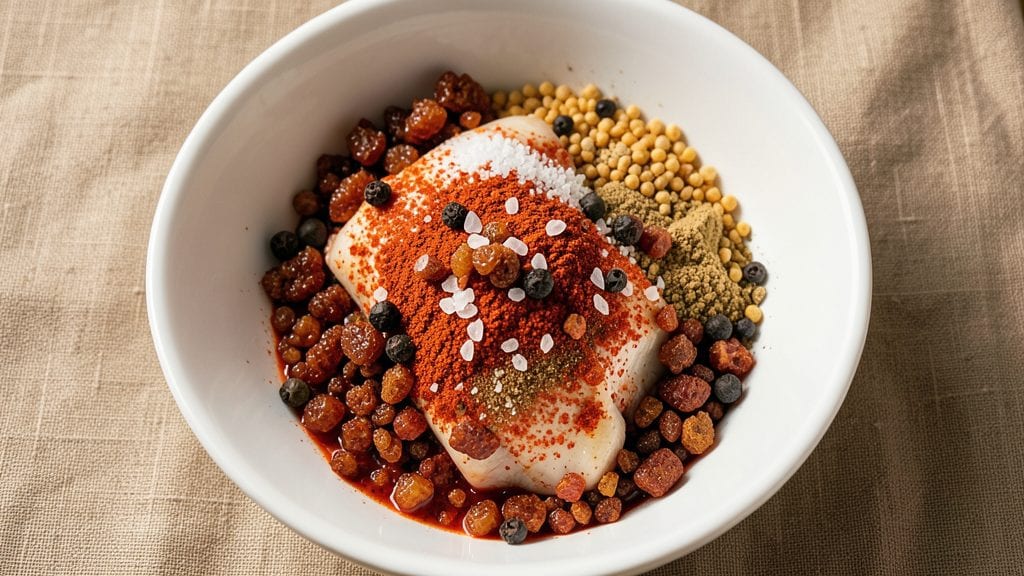
This beer butt chicken rub recipe delivers that signature smoky-sweet crust that turns grilled chicken into a showstopper every time. The blend of brown sugar, smoked paprika, and a touch of beer powder creates a flavor profile so rich, it’ll have your guests asking for seconds.
I developed this mix after years of experimenting with dry rubs, and it’s now my go-to for competition-worthy grilled chicken.
The beauty of this seasoning mix lies in its simplicity and versatility. With just five core ingredients, you can create a deeply flavorful crust that caramelizes beautifully on the grill or in the oven.
The brown sugar provides that signature sweetness, while the smoked paprika adds depth and a subtle smokiness that pairs perfectly with beer’s malty notes. Optional beer powder (or even a pinch of dried hops) takes it to the next level for authenticity.
What makes this rub truly special is how it transforms ordinary chicken into something extraordinary. The crust develops a perfect balance of sweetness and smokiness, with just the right amount of heat to keep things interesting.
Whether you’re grilling whole chickens, wings, or thighs, this blend delivers restaurant-quality results with minimal effort. Store it in an airtight container for up to six months, so you always have flavor on hand.
This isn’t just for chicken—use it on pork shoulders, ribs, or even vegetables for a bold, smoky twist. The key is applying it generously and letting it sit for at least 15 minutes before cooking to allow the spices to penetrate. Let’s get started on creating your own flavor-packed masterpiece.
Ingredients for beer butt chicken rub
Five core ingredients transform grilled chicken into competition-worthy masterpieces.
| Ingredient | Amount | Notes |
|---|---|---|
| Light Brown Sugar 🍚 | ½ cup | Packed for maximum sweetness |
| Smoked Paprika 🌶️ | ¼ cup | High-quality, vibrant color |
| Kosher Salt 🧂 | 2 tbsp | Diamond Crystal preferred |
| Ground Black Pepper 🌶️ | 1 tbsp | Freshly ground for best flavor |
| Beer Powder 🍺 | 1 tbsp | Optional for authentic beer flavor |
| Garlic Powder 🧄 | 1 tbsp | Not garlic salt |
| Onion Powder 🧅 | 1 tbsp | Freshly ground preferred |
| Dried Thyme 🌿 | 1 tsp | Or 0.25 tsp fresh thyme |
The brown sugar is non-negotiable here—it’s what creates that signature caramelized crust. Domino or C&H brands work perfectly, but if you’ve got access to a bulk bin, grab the light variety for a more delicate sweetness. Smoked paprika? Penzeys or McCormick are my go-tos—avoid the stuff that looks like dust. The beer powder (if using) should be from a craft brewery—BrewDog or Sierra Nevada make excellent options. For the powders, a spice grinder takes whole spices to the next level, but pre-ground works fine if you’re in a hurry.
No beer powder? Dried hops at half the amount gets you close, but honestly, you’ll barely notice the difference. Fresh thyme is ideal, but dried works at one-third the amount. Want more heat? Add a pinch of cayenne. The kosher salt matters here—Diamond Crystal dissolves better than table salt, so use that if you’ve got it. For a deeper beer flavor without the powder, try a splash of reduced beer glaze> (simmer 1 cup beer until syrupy) mixed with the brown sugar before applying.
Store this blend in an airtight container away from light—it’ll keep for up to six months. I like to portion mine into small jars so I can grab just what I need. For extra potency, let the rub sit on the chicken for at least 15 minutes before cooking. Works beautifully on pork chops too—just double the amount. The crust develops best on the grill or broiler, but it’s still delicious baked.
Why You'll Love This Recipe
- This rub works for everything: slather it on wings for game day, toss it on chicken thighs for a weeknight dinner, or even rub it into a whole chicken for a crowd. Between us, my roommate’s first question after trying it was, “Can we make this for Thanksgiving?”—and now we’re planning it.
- Because let’s be real: most leftover chicken is sad. Not this. The rub clings so well that reheating it in a skillet or even the microwave keeps that smoky-sweet punch. I’ve sent this to work lunches, potlucks, and my mom’s “you need to eat better” texts—no complaints yet.
Step-by-step instructions for smoky-sweet beer butt chicken rub
Here's how to blend this bold, multi-layered rub that transforms ordinary chicken into smoky, caramelized masterpieces.
Combine the Dry Ingredients Thoroughly
In a medium bowl, whisk together the 0.5 cup packed light brown sugar and 0.25 cup smoked paprika until completely blended. The sugar should be evenly distributed through the paprika, creating a rich, reddish base. I like to use a whisk for this step because it helps break up any sugar clumps and ensures the paprika disperses evenly—this prevents streaks when you apply the rub later.
Next, add the 2 tablespoons kosher salt, 1 tablespoon ground black pepper, 1 tablespoon beer powder, 1 tablespoon garlic powder, and 1 tablespoon onion powder. Mix again until all the spices are uniformly distributed. You'll notice the mixture darkens slightly as the spices meld together. This is where the magic happens—the combination of sweet, smoky, savory, and slightly malty notes begins to develop right in your bowl.
Incorporate the Dried Thyme
Add the 1 teaspoon dried thyme to the mixture and stir gently with a silicone spatula. The thyme should be broken up into fine pieces and distributed evenly throughout the rub. Unlike some other herbs, dried thyme doesn't need to be chopped—it releases its earthy, slightly floral notes when mixed with the other spices. At this point, your rub should look like a rich, dark brown blend with visible flecks of thyme.
Take a moment to smell the mixture. You should detect a complex aroma—smoky from the paprika, sweet from the brown sugar, with underlying notes of garlic, onion, and the subtle beer essence. This is your quality check: if the aroma is weak or one-note, you might want to adjust the proportions or use fresher spices next time.
Store for Future Use or Apply Immediately
Transfer the finished rub to an airtight container with a tight-sealing lid. I prefer glass jars with silicone seals for long-term storage, as they prevent moisture from affecting the spices. Store in a cool, dark place—like your pantry—for up to 3 months for maximum freshness. The flavors will continue to meld and deepen over time, making older rubs even more complex.
If you're using the rub immediately, there's no need to refrigerate it. Simply apply a generous coating to your chicken—about 1 tablespoon per pound—and let it sit for at least 30 minutes before grilling. This allows the rub to penetrate the surface and create that coveted caramelized crust. For best results, apply the rub while the chicken is still cold, as the spices will adhere better to a dry surface.
Apply to Chicken for Maximum Flavor Development
When ready to cook, pat the chicken dry with paper towels—this ensures the rub adheres properly and promotes better browning. Generously coat all sides of the chicken with the rub, pressing it into the skin to help it stick. Don't be shy with the application; this is what creates that thick, smoky-sweet bark. For a 4-pound chicken, you'll use about 4 tablespoons of the rub.
Let the rubbed chicken rest at room temperature for 30 minutes before cooking. This step is crucial—it allows the rub to form a crust on the chicken's surface and ensures even cooking. During this time, you'll notice the rub darkening slightly as it begins to release its aromatic oils. This is your cue that the flavors are activating and ready to transform your chicken into a showstopper.
Pro Tips For Making Beer Butt Chicken Rub
- TOAST THE SPICES: Heat your smoked paprika and beer powder in a dry pan for 30 seconds before mixing—it deepens the flavor and cuts through that raw, dusty taste. I used to skip this, and the rub always felt flat until I tried it.
- SALT THE BROWN SUGAR: Toss your light brown sugar with a pinch of kosher salt before mixing it into the rub—it balances the sweetness and makes the crust stick better. After burning my first batch of chicken, I realized the sugar was overpowering.
- DRY THE CHICKEN WELL: Pat the chicken bone-dry with paper towels before applying the rub—moisture dilutes the spices and keeps the crust from forming. I know, I know, it’s tedious, but trust me, the difference is night and day.
- REST THE RUB: Let the spice mix sit for 10 minutes after combining—it lets the flavors meld and prevents clumping. I used to just toss everything together and slap it on, but now I wait, and the rub tastes more cohesive.
Common mistakes when making this dish
Over-Salting the Rub
One of the most common mistakes is overdoing the salt in your beer butt rub. Since kosher salt is less concentrated than table salt, it's easy to misjudge how much to use. I've seen people double the 2 tablespoons amount, which can make your chicken taste harsh rather than savory.
Always measure carefully using a proper kitchen scale or level measuring spoons. If you're unsure, start with 1.5 tablespoons and adjust to taste after applying to your chicken. 🧂
Skipping the Resting Time
Many home cooks rush this step, but letting the rubbed chicken rest for 30 minutes before cooking is absolutely critical. This allows the rub to form a proper crust and prevents the spices from burning before the meat is cooked through.
I've seen people grill rubbed chicken immediately, resulting in a bitter, uneven flavor profile. The resting time also helps the rub penetrate the skin, creating that signature caramelized bark we all love.
Using Low-Quality Spices
The quality of your spices makes a huge difference in the final flavor. I've noticed that using pre-ground spices from cheap brands can make your rub taste dull and one-dimensional. Invest in quality spices like Penzeys smoked paprika or McCormick kosher salt.
For the beer powder, if you can't find a good brand, try using dried hops at half the amount instead. Freshly ground spices always taste better, so if you have a spice grinder, use it to grind your own garlic and onion powders right before mixing.
Applying Rub to Wet Chicken
Another common mistake is applying the rub to chicken that hasn't been properly dried. If your chicken is wet, the rub won't adhere properly and will just slide off during cooking. Always pat your chicken dry with paper towels before applying the rub.
I like to use two layers of paper towels for extra absorption. This step is especially important if you're using bone-in chicken, as the moisture from the bones can make the skin slick. A dry surface ensures the rub sticks and creates that perfect crust. 🍗
Uneven Application
Many people focus all their attention on the visible parts of the chicken, forgetting about the crevices and hard-to-reach areas. For whole chickens, make sure to get the rub into the cavity and under the skin at the neck and tail.
For chicken thighs or drumsticks, press the rub firmly into the meat, especially around the joints. I use a silicone spatula to help work the rub into all the nooks and crannies. Uneven application leads to uneven flavor and cooking, which can ruin an otherwise perfect dish.
Cooking Too Fast
When you're eager to enjoy your rubbed chicken, it's tempting to crank up the heat and cook it quickly. However, this can cause the rub to burn before the chicken is fully cooked inside.
For best results, start with medium heat and gradually increase the temperature to allow the rub to caramelize properly. I recommend using a meat thermometer to monitor the internal temperature—chicken should reach 165°F in the thickest part.
This slow-and-low approach ensures a perfect balance of crispy crust and tender meat. ⏱️
Nutrition facts
Frequently asked questions
Can I use this rub on meats other than chicken?
This beer butt rub works beautifully on pork shoulders, ribs, and even vegetables like Brussels sprouts or sweet potatoes. The smoky-sweet profile pairs especially well with pork, creating a caramelized crust that's perfect for pulled pork or grilled chops. For vegetables, reduce the amount by half to avoid overpowering their natural flavors.
How long can I store the finished rub?
Store the dry rub in an airtight container away from light and moisture for up to 6 months. The flavors actually deepen over time, making older batches even more complex. For maximum freshness, keep it in a cool, dark pantry or refrigerator (though refrigeration isn't necessary). The spices will lose potency after 6 months, so check the aroma before using.
What's the best way to make the rub stick to the chicken?
Pat the chicken completely dry with paper towels before applying the rub. For extra adhesion, let the chicken sit at room temperature for 30 minutes before rubbing. Cold chicken holds moisture better, making the rub cling more effectively. Press the rub firmly into the skin, especially around joints and hard-to-reach areas. A light spray of water before applying can also help the spices adhere.
Can I substitute beer powder if I don't have any?
Yes! If you can't find beer powder, use ½ teaspoon dried hops> or reduce 1 teaspoon of unsweetened cocoa powder> for a deeper, maltier flavor. For a lighter beer essence, try ½ teaspoon malt powder>. The beer powder adds subtle complexity, but these alternatives work well in a pinch. The difference is minimal, but noticeable to beer enthusiasts.
How much rub should I use per pound of chicken?
Use about 1 tablespoon of rub per pound> of chicken. For a 4-pound chicken, that's roughly 4 tablespoons>. Don't skimp—the rub creates the signature crust! Apply generously to all sides, pressing firmly into the skin. If you're using the rub on wings or thighs, you can use slightly more (up to 1.5 tablespoons per pound>**) for extra flavor intensity.