Main Courses
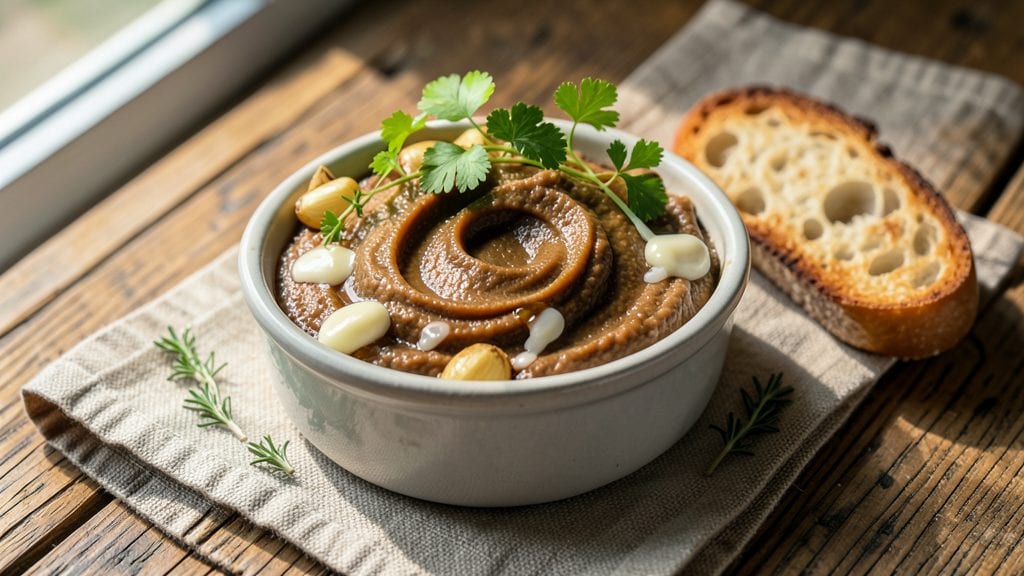
A basic chicken liver pâté recipe reveals how simple it is to turn rich, tender offal into a velvety, herbaceous masterpiece for any table. This recipe delivers restaurant-quality texture without intimidating techniques—just precise method and patience. I developed it after years of perfecting liver preparations in Charleston kitchens, where rich flavors meet traditional craftsmanship.
The secret lies in rendering the fat properly and straining the mixture for that signature silky consistency. We'll use a food processor for efficiency while maintaining the deep, earthy flavor of the livers.
This version stays true to classic French pâté traditions but adapts for home cooks with modern shortcuts that don't compromise quality.
What you'll achieve is a pâté with rich, velvety texture that melts on the tongue, infused with aromatic herbs and just the right balance of salt. The result is elegant enough for holiday gatherings but simple enough for weeknight entertaining.
Serve it with crusty bread or crackers for the perfect bite of luxury.
Whether you're making a traditional terrine or a quick molded version, this method ensures perfect results every time. Let's create something truly special that'll impress even the most discerning guests.
Ingredients for basic chicken liver pate
Twelve ingredients, one luxurious result: velvety pâté with restaurant-quality depth and texture.
| Ingredient | Amount | Notes |
|---|---|---|
| Chicken Livers 🍗 | 1 ½ lb | Fresh, trimmed of connective tissue |
| Unsalted Butter 🧈 | ¾ cup | Cold, cut into cubes |
| Shallots 🧅 | 4 whole | Peeled, finely minced |
| Fresh Thyme Leaves 🌿 | ½ cup | Stems removed, finely chopped |
| Fresh Parsley Leaves 🌿 | ¼ cup | Stems removed, finely chopped |
| Garlic Cloves 🧄 | 4 cloves | Peeled, minced |
| Diamond Crystal Kosher Salt 🧂 | 1 ½ tsp | Fine grain preferred |
| Freshly Ground Black Pepper 🌶️ | ½ tsp | Coarsely ground |
| Brandy 🍷 | ¼ cup | High-quality, 80-proof |
| Heavy Cream 🥛 | ½ cup | Cold, full-fat preferred |
| Chicken Stock 💧 | ½ cup | Homemade or high-quality store-bought |
| Extra-Virgin Olive Oil 🫒 | 1 tbsp | For finishing |
| Freshly Poached Egg Yolks 🥚 | 2 whole | Optional, for richness |
The foundation of any great pâté lies in the chicken livers—they must be fresh, bright red, and free of connective tissue. Local butchers or high-quality markets like Whole Foods or D'Artagnan carry the best cuts. Avoid pre-packaged livers from grocery store meat counters, as they often contain more fat and less tenderness. For the butter, European-style unsalted (like Plugrá or President) renders more smoothly than American brands. The shallots and garlic should be finely minced—a microplane works best for even texture. Fresh herbs are non-negotiable here; dried versions lack the aromatic brightness this recipe demands.
No brandy? Substitute with equal parts apple cider and cognac for depth without overpowering. Short on heavy cream? Whole milk plus 1 tbsp melted butter mimics the richness, though texture may be slightly lighter. For the chicken stock, homemade is ideal, but Kirkland Signature or Pacific Foods brands are reliable shortcuts. The poached egg yolks, while optional, add a luxurious silkiness—if omitted, increase the heavy cream by 2 tbsp. For a vegetarian adaptation, mushroom duxelles (finely chopped cremini mushrooms sautéed with shallots) replaces the livers at a 1:1 ratio, though texture will differ slightly.
Rendered livers and butter can be refrigerated in an airtight container for up to 3 days before processing, though fresher is always better. The finished pâté keeps 5-7 days in the fridge, covered with a thin layer of olive oil to prevent drying. For longer storage, portion into silicone molds or ramekins, cover tightly, and freeze for up to 3 months. Thaw overnight in the fridge before serving. This pâté pairs beautifully with crusty baguettes or water crackers—always serve at room temperature for optimal texture, allowing 30 minutes to come to the perfect spreadable consistency.
Why You'll Love This Recipe
- Five-Ingredient Magic: I swear by this recipe because it’s that simple—just livers, butter, shallots, and herbs. The butter melts into the livers while the shallots caramelize, and suddenly you’ve got something restaurant-worthy without a fancy recipe.
- Rich Without Effort: That first bite? Buttery, earthy, and packed with umami from the livers and thyme. Honestly, the parsley brightens it up just enough to keep it from feeling heavy—like a hug from a French chef.
- Party in a Jar: Spread it on crusty bread for a charcuterie board, dollop it on toast for a fancy breakfast, or serve it with crackers when unexpected guests show up. It’s the kind of thing that makes you look like a pro without trying.
- Budget-Friendly Luxury: Chicken livers are cheap, but they taste like a splurge. Between us, I buy them in bulk, freeze what I don’t use, and still end up with leftovers that disappear faster than I can say “second helping.”
Step-by-step instructions for basic chicken liver pâté
Here's the method to create a velvety, herb-infused pâté that balances richness with bright, aromatic flavors.
Prepare and Sear the Chicken Livers
Trim any connective tissue from the 1.5 lb chicken livers and pat them completely dry with paper towels. This step is crucial—moisture will prevent proper searing and create a watery pâté. Cut the livers into 1-inch pieces for even cooking.
Heat a large skillet over medium-high heat and add 1 tablespoon of the 0.75 cup unsalted butter. Once the butter foams, add the liver pieces in a single layer, being careful not to overcrowd the pan. Sear for 2-3 minutes per side until they develop a deep golden-brown crust and are cooked through to an internal temperature of 145°F. Remove the livers and set aside, reserving the rendered butter in the pan.
Cook the Aromatics and Deglaze
In the same skillet, add the remaining 0.5 cup unsalted butter and melt it over medium heat. Add the 4 whole shallots, 4 cloves garlic, 0.5 cup fresh thyme leaves, and 0.25 cup fresh parsley leaves. Cook for 5-6 minutes, stirring frequently, until the shallots are soft and translucent, and the garlic is fragrant but not browned.
Pour in the 0.25 cup brandy and immediately scrape up any browned bits from the bottom of the pan with a wooden spoon. This deglazing step captures all the flavorful fond. Let the brandy simmer for 2-3 minutes until it reduces by half and the alcohol aroma dissipates. Season with the 1.5 tsp diamond crystal kosher salt and 0.5 tsp freshly ground black pepper.
Blend and Emulsify the Pâté
Transfer the seared chicken livers to a food processor or blender. Add the cooked shallot mixture, along with the 0.5 cup heavy cream and 0.5 cup chicken stock. Pulse the mixture until it becomes completely smooth, scraping down the sides as needed. This process should take about 1-2 minutes of continuous blending.
With the processor running, slowly drizzle in the 1 tbsp extra-virgin olive oil through the feed tube. This step is critical for creating the signature silky texture of the pâté. The oil should be incorporated gradually to form a thick, velvety emulsion. Taste and adjust the seasoning if needed.
Finish and Serve
Transfer the pâté to a heatproof bowl and place it in a water bath set over simmering water. Keep the mixture warm at 160°F for 10-15 minutes, stirring occasionally with a spatula. This gentle heat treatment ensures the flavors meld completely and the texture becomes ultra-smooth.
For added richness, stir in the 2 whole freshly poached egg yolks during the last 5 minutes of warming. The yolks will create a luxurious, custard-like finish. Serve the pâté warm or at room temperature, garnished with additional chopped fresh parsley leaves. The result should be a pâté with a glossy sheen, perfect balance of herbs, and a texture that melts in your mouth.
Pro Tips For Making Basic Chicken Liver Pate
- Blanching First: Dump those livers in boiling water for 30 seconds before cooking—this zaps the blood and keeps your pâte from turning muddy. I learned this the hard way after making a batch that looked like it came from a crime scene.
- Sear Shallots Low: Cook the shallots on medium-low heat until they’re golden, not brown—high heat burns them into oblivion. My grandmother swore by this, and she was right: you want flavor, not ash.
- Salt the Butter: Toss in a pinch of salt with the butter at the start—unsalted butter needs it, and it balances the richness. Skip this, and your pâte will taste flat, even if everything else is perfect.
- Pulse, Don’t Chop: Use a food processor to blend the cooked livers and butter—just 3-4 pulses keeps it smooth without turning it into glue. I was skeptical until I tried it: no lumps, no fuss, and it looks restaurant-worthy.
Perfect pairings for basic chicken liver pate
Bread Pairings
This pâté shines with crusty, artisanal breads that can handle its rich texture. I always serve it with a baguette from Duke's Mayflower in Charleston—its crisp crust contrasts beautifully with the velvety pâté. For a lighter option, water crackers or rye crisps add a satisfying crunch.
If you're feeling fancy, toast sourdough slices with a smear of black garlic butter for an extra layer of flavor. 🥖
Cheese Boards
Elevate your serving with a charcuterie board that balances the pâté's richness. I pair it with aged Gouda, sharp cheddar, and blue cheese for complementary tanginess. Add prosciutto or salami for salty contrast and dried apricots or figs for natural sweetness.
The pâté's herbal notes play especially well with brie or camembert when served slightly warmed. 🧀
Drink Pairings
A dry Riesling from Alsace cuts through the pâté's richness with its crisp acidity and citrus notes. For red wine lovers, a Pinot Noir from Oregon provides enough elegance without overpowering.
I also enjoy a Belgian witbier like Stella Artois for its refreshing citrus and spice. For non-alcoholic options, sparkling water with lemon or iced hibiscus tea adds brightness. 🍷
Herb Garnishes
Finish your pâté with fresh chives, tarragon, or chopped chervil for a pop of color and freshness. I also love a drizzle of high-quality Dijon mustard (like Maille) for a tangy contrast.
For a smoky touch, sprinkle crumbled bacon or smoked paprika on top. These garnishes not only enhance flavor but also make your presentation look restaurant-worthy. 🌿
Seasonal Additions
In summer, add cornichons or pickled onions for a bright, tangy bite. For fall, incorporate roasted pear slices or candied walnuts to complement the rich flavors. Winter calls for cranberry sauce or orange zest to add warmth and depth. These seasonal touches keep the pâté exciting year-round. 🍐
Unexpected Twists
For a modern twist, serve the pâté with toasted baguette slices and a side of whipped goat cheese for a creamy contrast. I've also had success pairing it with crispy potato chips for a fun, casual bite.
If you're feeling adventurous, try a spicy honey drizzle to balance the richness with a hint of heat. These unexpected pairings keep the dish fresh and exciting. 🔥
Nutrition facts
Frequently asked questions about chicken liver pâté
Why do I need to trim all the connective tissue from chicken livers?
Connective tissue in livers creates a tough, rubbery texture in pâté that ruins the silky finish. Removing it ensures your spread stays velvety smooth. Use a sharp knife to carefully slice away any white or fibrous bits—this step takes just a few minutes but makes a huge difference in the final texture.
Can I make this pâté without a food processor?
For a traditional approach, finely chop the cooked livers and aromatics by hand, then blend with a fork in a bowl. Work the mixture against the bowl's sides to break it down gradually. You'll get a slightly coarser texture, but it still delivers that rich liver flavor. Just be patient—this method takes about 10-15 minutes of careful mashing.
What if my pâté turns out too runny?
Runny texture usually means excess liquid from undercooked livers or too much stock/cream. To fix it, place the pâté in a 160°F water bath for 10-15 minutes while stirring occasionally. This evaporates excess moisture. For prevention, always sear livers until they reach 145°F internally and reduce any liquids before blending.
How can I tell when my pâté is fully cooked?
Your pâté is perfectly cooked when it reaches 160°F internally and has a glossy, thick consistency that holds its shape when spooned. Test by chilling a small portion—it should firm up slightly but still be spreadable. If it's too firm, warm it gently in a water bath. The final texture should be smooth, not grainy or watery.
Can I substitute duck or pork livers instead?
Yes, but flavor and texture will differ slightly. Duck livers are richer and more intense, requiring 10% less fat (rendered separately) to avoid greasiness. Pork livers are milder but need more seasoning. Adjust cooking time—duck livers cook faster (1-2 minutes per side) while pork may need 3-4 minutes. For best results, reduce the butter by 2 tbsp when using duck.