
Salads
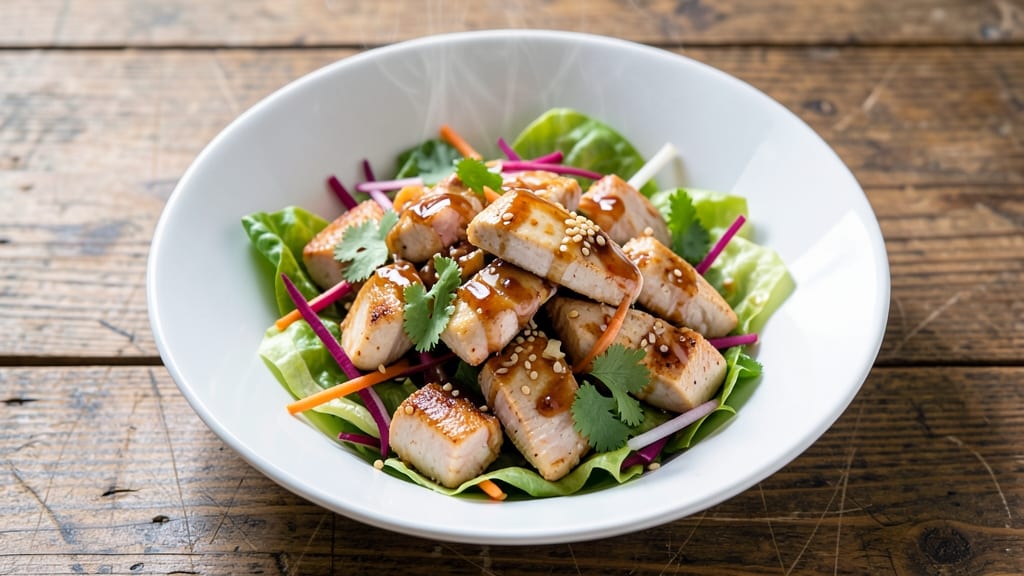
Recreating Applebee's Chinese Chicken Salad at home delivers that satisfying crunch and perfect flavor balance we all crave. The secret lies in the sesame-ginger dressing—where the restaurant version gets its signature tangy, nutty kick.
I've perfected this technique after years of studying restaurant salads, and the results are restaurant-quality without the markup.
The key to this salad begins with properly grilled chicken—juicy yet firm enough to hold up against crisp vegetables. The dressing, made with a precise blend of sesame oil, ginger, and rice vinegar, creates that signature crunch while keeping the greens fresh.
Every component comes together in a way that feels both familiar and elevated, making it perfect for weeknight dinners or meal prep.
What you'll end up with is a salad that's crisp, colorful, and packed with flavor—just like the one you'd order out. The sesame-ginger dressing clings perfectly to the greens and chicken, while the crunchy toppings add texture that keeps every bite exciting.
This recipe delivers the same satisfaction as the restaurant version, but with the flexibility to customize it your way.
Whether you're serving this as a light lunch or a refreshing side, the balance of flavors and textures makes it a crowd-pleaser. The best part? You can prep the components ahead of time, so assembly is quick when you're ready to serve.
Let's get started on creating this restaurant-quality salad at home.
Ingredients for applebee's chinese chicken salad
The secret to Applebee's signature crunch lies in these carefully chosen ingredients—where every bite delivers that perfect sesame-ginger harmony.
| Ingredient | Amount | Notes |
|---|---|---|
| Boneless, Skinless Chicken Breast 🍗 | 1 ½ lb | Pounded to even thickness |
| Sesame Oil 🫒 | ½ cup | Toasted for nutty aroma |
| Fresh Ginger Root 🌿 | 1 tbsp | Finely grated, aromatic |
| Rice Vinegar 🍶 | ¼ cup | Seasoned variety preferred |
| Low-Sodium Soy Sauce 🥢 | 2 tbsp | For umami depth |
| Honey 🍯 | 1 tbsp | Wildflower preferred |
| Sesame Seeds 🌰 | 2 tbsp | Toasted for crunch |
| Baby Spinach 🌱 | 6 cups | Fresh, vibrant leaves |
| Red Bell Pepper 🍆 | 1 whole | Thinly sliced, crisp |
| Carrot 🥕 | 1 whole | Julienned, fresh |
| Edamame 🌱 | ½ cup | Shelled, frozen works |
| Crushed Peanuts 🥜 | ¼ cup | Lightly toasted |
| Lime 🍋 | 1 whole | Juiced, zest optional |
| Diamond Crystal Kosher Salt 🧂 | ½ tsp | For seasoning |
| Freshly Ground Black Pepper 🌶️ | ¼ tsp | Freshly cracked |
The chicken is non-negotiable—boneless, skinless breasts pounded to even thickness ensure perfect grilling every time. I grab mine from the butcher counter at Whole Foods (they cut it precisely), but the pre-packaged kind at Costco works too. Grill until 165°F internal temp—juicy but firm enough to stand up to the crunchy toppings. Pro tip: Marinate in soy sauce and honey for 10 minutes before grilling—game-changer. For the dressing, toasted sesame oil is a must—skip the regular kind, it's bland. Grab a small bottle from the Asian aisle at Trader Joe's if you don't have it already.
No sesame seeds? Crushed peanuts or toasted sunflower seeds work in a pinch, though the flavor won't be identical. The edamame can be swapped for sugar snap peas if you're out—just blanch them first. For the ginger, fresh is essential (dried lacks the zing), but if you're desperate, one teaspoon of ground ginger plus a pinch of salt gets you close. The rice vinegar should be seasoned—plain vinegar tastes harsh. And the honey? Wildflower or clover adds depth over plain old grocery-store honey. Want extra crunch? Toast the sesame seeds in a dry pan for 30 seconds before adding—they'll taste so much better.
This salad keeps beautifully—chicken and dressing separate in the fridge for up to 3 days. The greens and toppings stay crisp if you store them dry in a separate container. Assemble just before serving for maximum crunch. The dressing? Makes extra—store it in a jar with a tight seal and it'll last up to 2 weeks. I always double the batch because it disappears fast. For meal prep, portion the chicken and toppings into containers and keep the dressing on the side—toss everything together when you're ready to eat.
Why You'll Love This Recipe
- No Chopping Chaos: I’ll be honest—most Chinese chicken salads require a knife marathon, but this one? Just pound that chicken, slice the bell pepper and carrot into thin strips, and boom—done. The veggies are simple, the chicken cooks in one pan, and even my "I can’t find the julienne peeler" days work out.
- Sesame-Ginger Magic: That dressing is the star. The toasted sesame oil and fresh ginger root create this warm, aromatic punch, while the honey and lime keep it from being too heavy. It’s the kind of dressing that makes you go, "Why didn’t I think of this sooner?"—creamy, tangy, and just sweet enough to make every bite sing.
- Meal-Prep MVP: This salad doesn’t just survive leftovers—it thrives. Store the chicken and dressing separately, and you’ve got a fresh-tasting lunch for days. Even better? Pack it in a jar with the dressing on top, and it’ll stay crisp for weeks. My lunchbox has never been happier.
- Budget-Friendly Feast: You’re getting a restaurant-worthy meal for the price of a takeout appetizer. The chicken is affordable, the veggies are seasonal staples, and the pantry ingredients (like sesame oil and soy sauce) last forever. Plus, it’s one of those meals where you can double the recipe for half the cost per serving.
Step-by-step instructions for Chinese chicken salad with sesame-ginger dressing
This vibrant salad delivers restaurant-quality crunch and flavor—every bite packed with zesty sesame-ginger dressing and fresh Asian-inspired textures.
🍳 Step 1: Create the Signature Sesame-Ginger Dressing
In a small bowl, whisk together the ½ cup sesame oil, 1 tbsp finely grated fresh ginger root, ¼ cup rice vinegar, 2 tbsp low-sodium soy sauce, and 1 tbsp honey until completely emulsified. The mixture should transform from separate strands into a silky, golden dressing—this takes about 2 minutes of vigorous whisking. Here's the thing—don't rush this step. The ginger needs to fully integrate to prevent a bitter aftertaste, and the honey should dissolve completely for that perfect balance of sweet and savory.
Once smooth, stir in the juice of 1 lime (about 2 tablespoons) and ¼ tsp freshly ground black pepper. Taste and adjust seasoning—you might need a pinch more ½ tsp diamond crystal kosher salt or a splash of rice vinegar to achieve that perfect umami-tangy harmony. Set the dressing aside while you prepare the chicken and vegetables.
🔥 Step 2: Cook and Slice the Chicken for Maximum Tenderness
Place the 1½ lb boneless, skinless chicken breast between two sheets of plastic wrap and pound to an even ½-inch thickness using a meat mallet. This ensures even cooking and prevents dryness. Season both sides generously with ½ tsp diamond crystal kosher salt and ¼ tsp freshly ground black pepper, then heat 2 tablespoons of the sesame oil in a large skillet over medium-high heat until shimmering.
Add the chicken and cook for 4-5 minutes per side until the internal temperature reaches 165°F and the edges are golden brown. The reason we cook it this way is to create a delicate sear while keeping the chicken juicy—overcooking will turn it rubbery. Transfer to a cutting board and let rest for 5 minutes before slicing into ¼-inch thick strips. You'll use all of it in the salad, so slice uniformly for even distribution.
👨🍳 Step 3: Prepare the Crunchy Vegetable Medley
While the chicken rests, julienne the 1 carrot into thin matchsticks and thinly slice the 1 red bell pepper into ¼-inch strips. These should be as uniform as possible for both texture and visual appeal. In a large bowl, combine the julienned carrot, sliced bell pepper, ½ cup shelled edamame, and 6 cups baby spinach. The edamame adds a satisfying snap, while the spinach provides that fresh, vibrant base.
Toast the 2 tbsp sesame seeds and ¼ cup crushed peanuts in a dry skillet over medium heat for 2-3 minutes until fragrant and lightly golden. This step enhances their nutty flavors and adds that essential crunch. Let them cool slightly before adding to the salad bowl—you want them warm but not scorched. The peanuts should be just toasted enough to maintain their integrity when crushed.
🥘 Step 4: Assemble the Salad with Perfect Texture Balance
Add the sliced chicken strips to the vegetable mixture and drizzle ⅓ of the sesame-ginger dressing over everything. Toss gently but thoroughly to coat each component evenly. Here's where it gets fun—sprinkle the toasted sesame seeds and crushed peanuts over the top. The seeds add a delicate crunch while the peanuts provide hearty texture contrast. Reserve the remaining dressing for serving on the side if desired.
Give everything one final toss just before serving to maintain that crisp texture. The salad should be vibrant with colors popping—deep green spinach, bright red bell pepper, orange carrot, and the golden chicken. Each bite should deliver a perfect balance of textures: crisp vegetables, tender chicken, creamy dressing, and nutty crunch from the seeds and peanuts.
Pro Tips For Making Applebee'S Chinese Chicken Salad
- Pound Chicken Evenly: I learned this the hard way—uneven thickness means some parts dry out while others stay raw. Use a rolling pin or mallet to tap the chicken to exactly ½-inch thickness, checking with a ruler. The goal is consistency so every bite cooks the same.
- Toast Sesame Oil First: That ½ cup sesame oil should shimmer and smell nutty before you even think about whisking. Heat it in a dry pan for 30 seconds until fragrant—this deepens the flavor way more than just pouring it cold. Trust me, your dressing will taste flat if you skip this.
- Don’t Over-Toss the Spinach: Baby spinach wilts fast once dressed. Toss the chicken and veggies first, then fold in the spinach just before serving—hold back a handful to sprinkle on top for that restaurant-fresh look. Crispness matters more than you’d think.
- Use Seasoned Rice Vinegar: The recipe calls for it, but I get why you might grab plain. Don’t. Seasoned rice vinegar adds a subtle saltiness that cuts through the sweetness of the honey and balances the soy sauce. If you’re stuck with plain, add a pinch of salt to the dressing—it makes a real difference.
Best sauces and condiments for this recipe
Sesame-Ginger Dressing Boost
I always double the dressing—it disappears fast and tastes even better the next day. Store it in a glass jar with a tight seal in the fridge for up to 2 weeks. The flavors deepen over time, especially if you let it sit for a few hours before using.
This dressing works magic on grilled shrimp, too—just toss with cooked shrimp, edamame, and shredded cabbage. 🍯
Crunchy Topping Swaps
For extra crunch, add toasted cashews instead of peanuts—just toast them in the same skillet for 1-2 minutes. If you're avoiding nuts, crushed tortilla chips add a satisfying crunch without the nutty flavor.
I also love sprinkling crushed wonton strips for an Asian-inspired twist that feels restaurant-worthy. These toppings keep well in airtight containers for up to 5 days.
Spicy Heat Option
Add 1 tsp sriracha or ½ tsp chili crisp to the dressing for a subtle kick. For something bolder, mix 1 tsp gochujang (Korean chili paste) with 1 tsp honey and stir it into the dressing.
This adds a sweet-spicy depth that pairs perfectly with the sesame flavors. I keep a small bottle of sriracha on hand for quick adjustments—everyone has their own heat tolerance! 🌶️
Sweet & Tangy Twist
For a sweeter dressing, reduce the honey to ½ tbsp and add 1 tbsp hoisin sauce instead of soy sauce. The hoisin adds a caramel-like sweetness that balances the tangy vinegar beautifully. Another favorite?
Stir in 1 tbsp miso paste for an umami punch—this turns the dressing into a savory-sweet condiment that works on everything from rice bowls to grilled veggies. The miso also helps tenderize the chicken if you marinate it for 10 minutes before cooking.
Vegan Adaptation
For a vegan version, swap the chicken for grilled tofu (press and marinate in the same soy-honey mixture) or extra-firm tempeh (marinate and bake at 375°F for 20 minutes). Use vegan sesame oil and coconut aminos instead of soy sauce.
The dressing stays the same—it’s already plant-based! I’ve even used crispy baked chickpeas as a protein substitute, tossed with the same toppings. The texture is surprisingly close to chicken. 💪
Nutrition facts
Frequently asked questions
Why is the chicken pounded to an even thickness?
Pounding the 1.5 lb boneless, skinless chicken breast to ½-inch thickness ensures even cooking throughout. This prevents dry spots and guarantees juicy, tender pieces that hold up perfectly against the crunchy toppings. Skipping this step risks uneven doneness or rubbery texture.
Can I make the sesame-ginger dressing ahead of time?
The dressing keeps beautifully in an airtight container for up to 2 weeks in the fridge. Its flavors actually deepen over time, so it often tastes even better the next day. Just give it a quick stir before using. The key is storing it in a sealed glass jar to preserve its silky texture.
What if I don't have sesame seeds or peanuts?
No problem! Crushed tortilla chips or toasted cashews work well as substitutes for the peanuts, while sunflower seeds can replace sesame seeds. Both add satisfying crunch while keeping the dish balanced. For extra texture, try crushed wonton strips for an Asian-inspired twist.
How do I keep the salad crisp for meal prep?
Store the chicken and dressing separately in the fridge for up to 3 days. Keep the greens and toppings in a dry container until ready to assemble. Add the dressing just before eating to maintain the salad's vibrant texture. This prevents sogginess while preserving all the flavors.