Main Courses
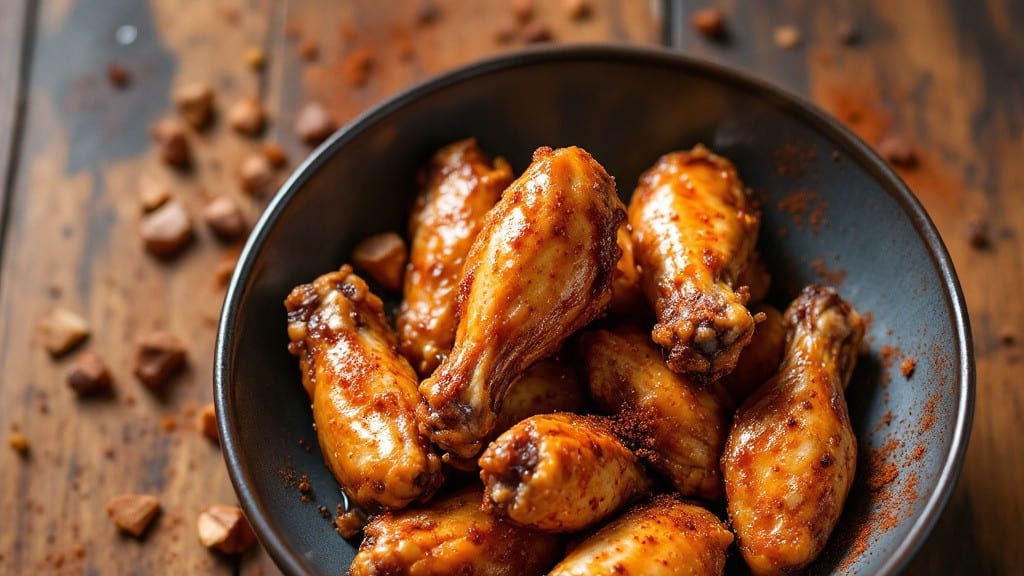
Smoking chicken wings on a Traeger delivers that perfect balance of fall-off-the-bone tenderness and smoky-sweet bark that takes ordinary wings to restaurant-quality levels. The key lies in precise temperature control, wood selection, and a simple dry rub that lets the smoker do all the work.
I’ve perfected this method over years of weekend experiments—starting with a batch that nearly overcooked because I ignored my own timer. Lesson learned.
This recipe focuses on low-and-slow smoking at 225°F, where the Traeger’s pellet system shines. Using apple or hickory pellets builds deep, aromatic flavor without overpowering the chicken, while a basic salt-sugar-spice rub creates that coveted crispy bark.
The process takes about 2 hours, but the hands-off nature makes it ideal for game days or lazy Sundays when you want flavor without fuss.
What you’ll end up with is wings that are juicy inside and crackling crisp outside, with just enough stickiness from the rub to hold onto every smoky, caramelized note.
The meat pulls away from the bone with minimal effort, and the aroma alone will have everyone gathering around your Traeger. Serve with celery, carrots, and ranch for the full experience—or just dig in straight from the tray.
Pro tip: Rest the wings for 10 minutes before serving—this ensures the juices redistribute, keeping every bite tender and moist. The same technique works for other Traeger proteins, so once you master it, you’ll be smoking like a pro. Let’s get started!
Ingredients for traeger smoked chicken wings
Smoky-sweet wings start with just 14 simple ingredients—no fancy prep, all big flavor.
| Ingredient | Amount | Notes |
|---|---|---|
| Chicken Wings 🍗 | 2 ½ lb | Bone-in, skin-on preferred |
| Apple Wood Pellets 🌳 | 1 bag | For mild, sweet smoke flavor |
| Hickory Wood Pellets 🌳 | 1 bag | For stronger smoky flavor |
| Kosher Salt 🧂 | ½ cup | Coarse grain preferred |
| Granulated Sugar 🍚 | ¼ cup | White or brown sugar |
| Smoked Paprika 🌶️ | 2 tbsp | For deep smoky color |
| Garlic Powder 🧄 | 1 tbsp | Freshly ground preferred |
| Onion Powder 🧅 | 1 tbsp | For balanced flavor |
| Black Pepper 🌶️ | 1 tsp | Freshly ground preferred |
| Cayenne Pepper 🔥 | ½ tsp | Adjust for heat preference |
| Olive Oil 🫒 | 2 tbsp | For tossing wings |
| Celery Sticks 🥬 | 1 cup | For serving |
| Carrots 🥕 | 1 lb | Cut into sticks for serving |
| Blue Cheese Dressing 🧀 | 1 cup | For dipping |
The chicken wings are the star, so look for bone-in, skin-on at the grocery store—they hold up better to the long smoke and give that crispy bark. I grab mine from Costco when they're on sale, but any butcher section works. For the wood pellets, Traeger's own apple or hickory are my go-tos—they're consistent and designed for the smoker. If you're using both, split the smoke time: apple first for 1.5 hours, then hickory for the last 30 minutes. That balance of sweet and bold is everything.
No smoked paprika? Regular paprika plus a pinch of liquid smoke gets you close. Running short on celery? Radishes or cucumbers work too—just keep the crunch. The sugar in the rub is key for that caramelized bark, but brown sugar or honey works in a pinch. For the dressings, ranch or buffalo sauce are classic, but I've seen people go wild with mango habanero or even peanut sauce. The wings reheat beautifully—just 10 minutes at 250°F if you need leftovers.
The wings need to rest after smoking—10 minutes minimum—so plan ahead. Store them in the fridge for up to 3 days in an airtight container. For the wood pellets, keep them sealed in their bags in a cool, dry place—they last 6-12 months that way. I always double the recipe for game day because these disappear fast. The rub? Make extra and store it in a jar for up to 3 months—it's perfect for other smoker projects.
Why You'll Love This Recipe
- Traeger Magic Simplicity: I swear, this is the kind of recipe that makes you question why you ever did anything else. Toss wings with salt, sugar, and a handful of pellets—no marinating, no fussing—just set it and forget it while the smoker does all the heavy lifting.
- Smoky-Sweet Obsession: That perfect balance of applewood’s fruity depth and hickory’s bold punch? It’s like a hug for your taste buds. The sugar caramelizes into a sticky glaze, while the salt keeps it from being too sweet—every bite is a little flavor explosion.
- Game Day MVP: Between us, these wings are my go-to for tailgates, Super Bowl parties, or even lazy Sunday afternoons. They feed a crowd without breaking the bank, and honestly? No one ever asks for seconds—because they keep coming back for more.
- Leftovers That Don’t Suck: I make a double batch on Sundays, and they last me all week. Cold wings in salads? Yes. Reheated with a sprinkle of hot sauce? Even better. No sad, dry leftovers here—just smoky, saucy perfection waiting to be devoured.
Step-by-step instructions for smoky-sweet Traeger wings
Here's how to transform simple wings into fall-apart tender masterpieces with perfect bark.
Prepare and Season the Wings
Pat the 2.5 lb chicken wings completely dry with paper towels—this is crucial for crispy bark. I like to separate them at the joints to ensure even cooking. In a large bowl, toss the wings with the 2 tbsp olive oil until evenly coated.
In a separate small bowl, mix together the 0.5 cup kosher salt, 0.25 cup granulated sugar, 2 tbsp smoked paprika, 1 tbsp garlic powder, 1 tbsp onion powder, 1 tsp black pepper, and 0.5 tsp cayenne pepper. Sprinkle this dry rub all over the wings, pressing it into the skin so it adheres well. Let them sit at room temperature for 30 minutes while you prepare your Traeger.
Set Up the Traeger for Perfect Smoke
Fill the hopper with equal parts apple wood pellets and hickory wood pellets—this combination gives you that perfect balance of sweet and smoky flavors. Set your Traeger to 225°F and let it preheat for 15 minutes until you see clean, blue smoke coming from the chimney.
Place the wings on the grill grates, skin-side up, leaving about 1 inch between each piece. This spacing allows the smoke to circulate evenly. Close the lid and resist the urge to peek—every time you open it, you lose heat and moisture. Let them smoke for 2 hours, flipping them once after the first hour.
Monitor for Tenderness and Bark
After the initial 2 hours, check the internal temperature of the wings using a meat thermometer. They're ready when they reach 165°F at their thickest part. You'll notice the skin has developed a beautiful dark mahogany bark, and the meat should pull away from the bone with just gentle pressure.
If you're not quite there yet, continue smoking for another 30-minute to 1-hour increments until they reach the perfect tenderness. The sugar in the rub will caramelize, creating that irresistible crispy exterior we're after. This is where patience pays off—rushing leads to dry wings.
Rest and Serve with Classic Sides
Once the wings reach 165°F, remove them from the Traeger and transfer them to a cutting board. Let them rest for 10 minutes before serving. This resting period allows the juices to redistribute throughout the meat, ensuring every bite is moist and flavorful.
While the wings rest, prepare your serving platter with the 1 cup celery sticks and 1 lb carrots cut into sticks. Serve the wings with the 1 cup blue cheese dressing on the side for dipping. The contrast of the cool, tangy dressing with the smoky-sweet wings is pure perfection.
Pro Tips For Making Traeger Smoked Chicken Wings
- Prep Wings Like a Pro: Pat them thoroughly dry with paper towels before salting—no wet spots. I learned this the hard way when my first batch of wings turned out soggy instead of crispy, no matter how long I smoked them. Trust me, the extra 2 minutes saves you from disappointment later.
- Split the Wood Pellets: Use 75% hickory for bold smoke and 25% apple for sweetness—don’t go all hickory or you’ll end up with bitter wings. I used to load the Traeger with only hickory, and the flavor was overpowering. The apple keeps it balanced without tasting like fruit salad.
- Hold the Sugar Early: Add granulated sugar only in the last 15 minutes of smoking—any earlier, and it’ll burn into ash. I once dumped it on too soon and spent 10 minutes scraping blackened sugar off the wings. Patience here makes all the difference.
- Check Internal Temp Twice: Pull them at 160°F, but let them rest 5 minutes under foil before checking again—muscle memory says they’re done, but they’ll actually hit 165°F while resting. I used to cut into them too soon and serve dry wings. Give them that breather.
Pro cooking tips for perfect results
Traeger Temp Control
Your Traeger’s 225°F setting is non-negotiable for these wings—any higher, and you risk dryness. I use a ThermoWorks Smoke thermometer to monitor both the smoker temp and a wing’s internal temp.
Pro tip: If your Traeger fluctuates more than ±10°F, check your pellets for moisture or clogs in the auger tube. A quick clean keeps things stable. 🌡️
Wood Pellet Strategy
Apple pellets first for 1.5 hours build sweetness, then swap to hickory for the final 30 minutes to deepen the smoke. This two-stage approach prevents overpowering the wings. I keep a Traeger-branded pellet bag handy—I’ve tried cheaper brands, and they just don’t cut it for consistent flavor.
Store your pellets in a sealed Mylar bag with an oxygen absorber to preserve freshness.
Bark Development Tricks
The sugar in the rub caramelizes into bark, but you need to help it along. After 1 hour of smoking, spritz the wings lightly with apple juice (about 2 tbsp) using a spray bottle.
This keeps the rub moist enough to stick while promoting that crispy crust. Just don’t overdo it—too much liquid will steam the wings instead of caramelizing.
Flipping Technique
Flip the wings once, after 1 hour, using tongs to avoid tearing the skin. I like to rotate them 90 degrees on the grate so the uncooked side faces up.
This ensures even bark development on all sides. If you’re short on space, stagger the wings in two batches—just add 15 minutes to the second batch’s cook time.
Resting Game Changer
Skipping the 10-minute rest is a rookie mistake. The wings release juices that would otherwise pool at the bottom of your serving tray. I wrap them loosely in aluminum foil during resting to retain heat.
For extra crispiness, I’ll unwrap them for the last 5 minutes to let that bark re-crisp slightly.
Leftovers Hack
Reheat wings in the oven at 250°F for 10-12 minutes to revive crispiness. For the microwave method, cover with a damp paper towel and heat in 30-second bursts until reaching 165°F. I store leftovers in a single layer in the fridge—stacking them traps moisture and softens the bark. 💡
Nutrition facts
Frequently asked questions
Why do you recommend using both apple and hickory pellets?
The apple pellets add a subtle sweetness that complements the chicken beautifully, while hickory brings that classic, bold smoky depth. Using both creates a well-rounded flavor profile—apple first for 1.5 hours, then hickory for the last 30 minutes, prevents overpowering the delicate wings with too much intensity at once.
Can I use frozen wings instead of fresh?
but thaw them completely first in the refrigerator for 24 hours. Never use cold wings straight from the freezer—they won't cook evenly and may stay undercooked inside while burning outside. Pat them completely dry before seasoning to ensure that crispy bark forms properly.
How do I know when the wings are fully cooked?
Use a meat thermometer to check the thickest part of the wing—it should reach 165°F. The meat should pull away from the bone with gentle pressure, and the skin should have a dark mahogany color. If you're unsure, cut into one wing to check for juices running clear.
What if my Traeger keeps losing heat when I open the lid?
Every time you open the lid, you lose 25-50°F of heat, so minimize peeking! If your Traeger struggles to maintain temperature, check for clogged vents or a full ash catcher. A quick clean and ensuring proper airflow will help. For stubborn fluctuations, consider adding an extra 15 minutes to your cook time.
Can I make this recipe with a different smoker?
Yes, but you may need to adjust the temperature slightly. Pellet smokers like the Traeger work perfectly at 225°F, but charcoal smokers might require 250°F to compensate for heat loss. The key is maintaining a consistent low temperature—just monitor closely and use a meat thermometer to avoid overcooking.