
Main Courses
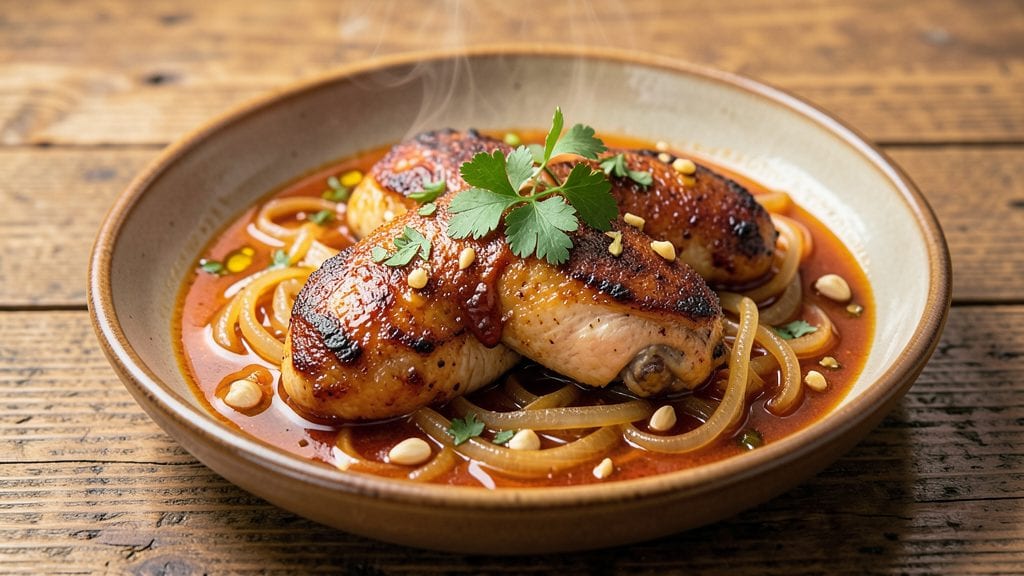
There's nothing quite like the traditional chicken paprikash recipe—where tender chicken simmers in a rich, smoky paprika sauce until it's fall-apart perfect. This Hungarian classic brings warmth to any table, blending earthy spices with creamy sour cream for a dish that feels like a hug in a bowl.
I've perfected this recipe over years of testing, ensuring every bite delivers that authentic balance of flavors.
The secret lies in slow cooking, which develops deep, complex flavors while keeping the chicken moist and tender. You'll start with a proper paprika paste, blooming the spices in oil to release their aromatic magic before adding the chicken and broth.
This method builds layers of flavor that store-bought versions simply can't match. The sauce thickens naturally as it simmers, creating that signature velvety texture that pairs beautifully with sour cream.
By the time you serve this dish, your kitchen will smell like a Hungarian countryside tavern, and every spoonful will be rich with smoky paprika, tender chicken, and creamy tang.
The dish is hearty enough to stand alone but pairs perfectly with egg noodles, dumplings, or crusty bread to soak up every last drop of that luscious sauce. This is comfort food at its finest—authentic, satisfying, and impossible to resist.
Ready to bring this classic to your dinner table? Let's walk through the precise steps that transform simple ingredients into a restaurant-worthy masterpiece. The process is straightforward, but the results are anything but ordinary—this is the kind of dish that becomes a family favorite in just one bite.
Ingredients for traditional chicken paprikash
Simple ingredients that transform into a smoky, creamy Hungarian masterpiece.
| Ingredient | Amount | Notes |
|---|---|---|
| Boneless Chicken Thighs 🍗 | 1 ½ lb | Skin-on preferred for flavor |
| Sweet Hungarian Paprika 🌶️ | 3 tbsp | Essential for authentic flavor |
| Smoked Paprika 🌶️ | 1 tbsp | Adds depth to the sauce |
| Onion 🧅 | 1 whole | Yellow or sweet, finely chopped |
| Garlic Cloves 🧄 | 4 cloves | Freshly minced for aroma |
| Chicken Broth 💧 | 2 cups | Low-sodium preferred |
| Sour Cream 🥛 | ½ cup | Full-fat for creaminess |
| Extra-Virgin Olive Oil 🫒 | 2 tbsp | For blooming spices |
| Tomato Paste 🍅 | 1 tbsp | Canned, for richness |
| Bay Leaf 🌿 | 1 whole | Fresh for best flavor |
| Salt 🧂 | 1 tsp | Kosher or sea salt |
| Black Pepper 🌶️ | ½ tsp | Freshly ground preferred |
| Fresh Parsley 🌿 | ¼ cup | Chopped, for garnish |
| Egg Noodles 🍝 | 8 oz | Fresh or dried |
The paprika is non-negotiable here—Hungarian sweet and smoked are the only way to go. Penzeys or Kalustyan's carry the real stuff, but even the bulk bins at Whole Foods or Trader Joe's have decent options. Look for vibrant red color and no graying, which means it's old. Chicken thighs are key too; skin-on adds flavor, but boneless saves time. I always buy them from the butcher counter if possible—they're fresher than the packaged ones. For the broth, low-sodium is crucial; you'll be adding plenty of salt later.
No Hungarian paprika? Sweet paprika plus a pinch of smoked works in a pinch, but it won't be the same. Fresh parsley missing? Dried parsley at half the amount gets you close, though fresh is brighter. Egg noodles can be swapped for wide ribbon pasta if that's what you've got—just cook them al dente. The tomato paste can be omitted if you're avoiding it, but it adds a nice depth. For a dairy-free version, Greek yogurt or coconut cream replaces the sour cream, though the texture changes slightly. Always taste the sauce before adding sour cream—balance is everything.
This dish tastes even better the next day, so make extra. Store leftovers in the fridge for 4-5 days or freeze for 3 months. The sauce thickens as it cools, so you might need to thin it with a splash of broth when reheating. I like to portion the noodles and sauce separately, then toss them together when serving—keeps everything hot and fresh. The paprika paste can be made ahead too; just store it in the fridge for up to 2 weeks.
Why You'll Love This Recipe
- One-Pot Magic: I swear by this—just toss the chicken, onions, and garlic in one pot, sprinkle that paprika mix, and let it simmer. No chopping boards to clean, no extra pans, and honestly? That rich, smoky sauce clings to everything like it’s meant to be there.
- Smoky-Sweet Obsession: Between us, the combo of sweet and smoked paprika is chef’s kiss—deep, warm, and just a little bit addictive. The onions caramelize right in the sauce, and that garlic? It sneaks up on you with the best flavor punch.
- Weeknight to Dinner Party: This dish works whether I’m feeding my family takeout-style or impressing guests. Serve it with crusty bread for a casual night or pair it with dumplings for something fancier—no extra effort, just different vibes.
- Leftovers That Don’t Suck: I make a double batch because the second night is even better. The flavors meld into something richer, and it reheats like a dream. Plus, the thighs stay juicy—no dry, sad chicken here. Budget win, comfort win.
Step-by-step instructions for traditional chicken paprikash
Here's how to create this comforting classic with rich, smoky flavors and tender chicken.
Sear the Chicken for Maximum Flavor
Heat a large Dutch oven over medium-high heat and add the 2 tablespoons extra-virgin olive oil. Once shimmering, add the 1.5 pound boneless chicken thighs in a single layer. Let them sear undisturbed for 4-5 minutes until golden brown on one side. You'll see the edges develop a beautiful crust—this is your signal to flip.
Flip the chicken and sear the other side for another 4-5 minutes. Remove the chicken and set it aside on a plate. Don't clean the Dutch oven yet—those browned bits are packed with flavor that will form the base of your sauce. Reduce heat to medium and add the 1 whole onion, sliced into thin half-moons. Cook for 5-6 minutes until softened and lightly caramelized.
Bloom the Paprika and Build the Sauce Base
Add the 3 tablespoons sweet Hungarian paprika and 1 tablespoon smoked paprika to the Dutch oven. Stir constantly for 1-2 minutes until the paprika releases its aroma and the oil becomes fragrant. This process, called blooming, deepens the flavor by toasting the spices gently. You'll notice the kitchen fill with that distinctive paprika scent—this is when the magic begins.
Add the 4 cloves minced garlic cloves and stir for 30 seconds until fragrant. Then add the 1 tablespoon tomato paste and cook for another 1 minute, stirring constantly. This step creates the rich, slightly sweet foundation for your sauce. Pour in the 2 cups chicken broth and scrape up any browned bits from the bottom of the pot with a wooden spoon—this is called deglazing, and it captures all that concentrated flavor.
Simmer the Chicken in Paprika Sauce
Return the chicken to the Dutch oven, along with any accumulated juices from the plate. Add the 1 whole bay leaf, 1 teaspoon salt, and ½ teaspoon black pepper. Bring the mixture to a gentle simmer, then reduce heat to low. Cover and let it cook for 25-30 minutes, stirring occasionally. The sauce should thicken slightly as it simmers, and the chicken should become fork-tender with a rich, paprika-infused sauce.
Here's where the traditional touch comes in: about 10 minutes before the chicken is done, stir in the ½ cup sour cream. This adds that signature creamy texture that balances the smoky paprika. The sauce should become velvety smooth—if it looks too thick, add a splash of water or broth to reach your desired consistency. Taste and adjust seasoning if needed, adding more salt or pepper as necessary.
Cook the Egg Noodles and Assemble
While the chicken simmers, cook the 8 ounces egg noodles according to package instructions until al dente. Drain and set aside. The noodles should be tender but still have a slight bite—this prevents them from becoming mushy when mixed with the sauce.
Once the chicken is fully cooked and the sauce has thickened to your liking, remove the bay leaf. Divide the egg noodles among four serving plates. Spoon the chicken and sauce over the noodles, making sure each serving gets a generous portion of that rich paprika sauce. Garnish each serving with ¼ cup chopped fresh parsley for a pop of color and freshness. Serve immediately while hot, with crusty bread on the side to soak up any extra sauce.
Pro Tips For Making Traditional Chicken Paprikash
- Bloom the Paprika: Heat your oil until shimmering—just before it smokes—then add the paprika all at once. Stir like you mean it for 30 seconds until it darkens and smells like a Hungarian market. I used to add it too early, and the flavor stayed flat and one-dimensional. This step develops the depth.
- Sear the Chicken Hard: Don’t skimp on the sear—get those thighs golden brown and crisp in spots before pulling them out. A hot pan (medium-high heat) and 4-5 minutes per side will give you the crust that holds up through the long simmer. I learned this the hard way when my chicken turned mushy halfway through cooking.
- Deglaze with Vinegar: After searing the onions, splash in 2 tablespoons of white wine vinegar or apple cider vinegar. It cuts through the richness and brightens the paprika’s flavor—no one ever mentions this, but it’s the thing that makes the sauce taste finished. Use it, even if you’re skeptical.
- Simmer Covered, Then Uncover: Once the sauce comes together, cover the pot and let it simmer gently for 20 minutes. Then, uncover and simmer another 10-15 minutes to thicken the sauce and let it reduce slightly. This two-step method prevents a watery mess and gives you that glossy, clingy sauce you remember from grandma’s version.
Perfect pairings for this dish
Hungarian Bread Pairings
Nothing complements paprikash like a slice of freshly baked Hungarian bread—especially kenyér, the rustic, crusty loaf you'll find in any traditional Hungarian kitchen.
I love using Lángos bread (deep-fried and sprinkled with garlic salt) for extra drama, or pörköltkenyér (a bread topped with paprika-infused butter) if you want to double down on that smoky flavor.
For a lighter option, brioche rolls from the bakery section add a touch of sweetness that balances the dish's richness. 🥖
Egg Noodle Alternatives
The classic pairing is fresh egg noodles, but don’t limit yourself. Spätzle (German-style noodles) adds a delightful chew and pairs beautifully with the creamy sauce. If you’re in a hurry, wide ribbon pasta like pappardelle works in a pinch—just cook it al dente to avoid a mushy texture.
For a gluten-free twist, shirataki noodles (soaked and sautéed in olive oil) hold up surprisingly well, though they absorb sauce differently. 🍜
Side Salads for Balance
A crisp Hungarian cucumber salad cuts through the richness with its cool, tangy notes. Toss sliced cucumbers, red onion, and dill with a dressing of sour cream, lemon juice, and a pinch of salt.
For something heartier, a roasted beet and walnut salad adds earthy sweetness that contrasts the smoky paprika. Keep portions small—this dish is meant to be the star, not the side. 🥗
Drink Pairings
Hungarian Egri Bikavér (Bull’s Blood) red wine is the traditional choice—its dark fruit and earthy notes mirror the dish’s depth. For a lighter option, Tokaji (a sweet dessert wine) surprises with its honeyed citrus that cleanses the palate. Non-alcoholic? Mineral water with lemon keeps things refreshing, or try Hungarian herbal tea like szilvásfű (cherry leaf tea) for a caffeine-free sip. 🍷
Dessert Harmony
End the meal with Somlói Galuska, Hungary’s famous layered sponge cake soaked in rum syrup. Its vanilla and citrus notes provide a perfect sweet contrast.
For something simpler, apple strudel with a dusting of powdered sugar offers a warm, spiced finish. Avoid overly sweet desserts—they’ll overpower the lingering paprika flavors. 🍰
Modern Twists
Want to elevate the classic? Serve with crispy potato wedges tossed in smoked paprika for a pub-style twist. Or swap the sour cream for crème fraîche and top with pickled jalapeños for a smoky-spicy kick.
For a vegetarian option, add mushrooms and bell peppers to the sauce while simmering—they soak up the flavors beautifully. 🌶️
Nutrition facts
Frequently asked questions
Why does authentic paprikash use both sweet and smoked paprika?
The combination creates the signature depth of flavor. Sweet Hungarian paprika provides the vibrant, slightly sweet base, while smoked paprika adds that distinctive, campfire-like aroma that's essential to the traditional taste. Together they build layers of complexity that store-bought mixes simply can't replicate.
Can I make this recipe without sour cream?
For a dairy-free version, substitute with ½ cup Greek yogurt or ¼ cup crème fraîche. If you prefer no dairy at all, use ½ cup coconut cream for richness. The sauce will still thicken beautifully, though the texture will be slightly different. The key is adding it toward the end to maintain that velvety finish.
What's the best way to reheat leftovers?
Gently reheat on the stovetop over low heat with a splash of broth or water to loosen the sauce. Avoid microwaving—it can make the sauce watery. If the sauce thickens too much while reheating, stir in a little extra liquid. Leftovers taste even better the next day as flavors meld further!
Why does my paprikash sauce turn out too thin?
This usually happens when the chicken isn't cooked long enough or the sauce isn't reduced properly. Simmer uncovered for 5-10 extra minutes to thicken naturally. If needed, mix 1 teaspoon cornstarch with cold water and stir it in—just don't overdo it, or the sauce may become gluey. The sauce should coat the back of a spoon but still be smooth, not pasty.
What's the difference between paprikash and goulash?
While both are Hungarian classics, paprikash features a creamy sauce with sour cream and typically uses chicken, while goulash is a stew with beef or pork and a thicker, spicier sauce made with tomatoes. Paprikash is more about the smoky-sweet paprika flavor balanced with creaminess, while goulash is heartier with more meat and vegetables.