
Main Courses
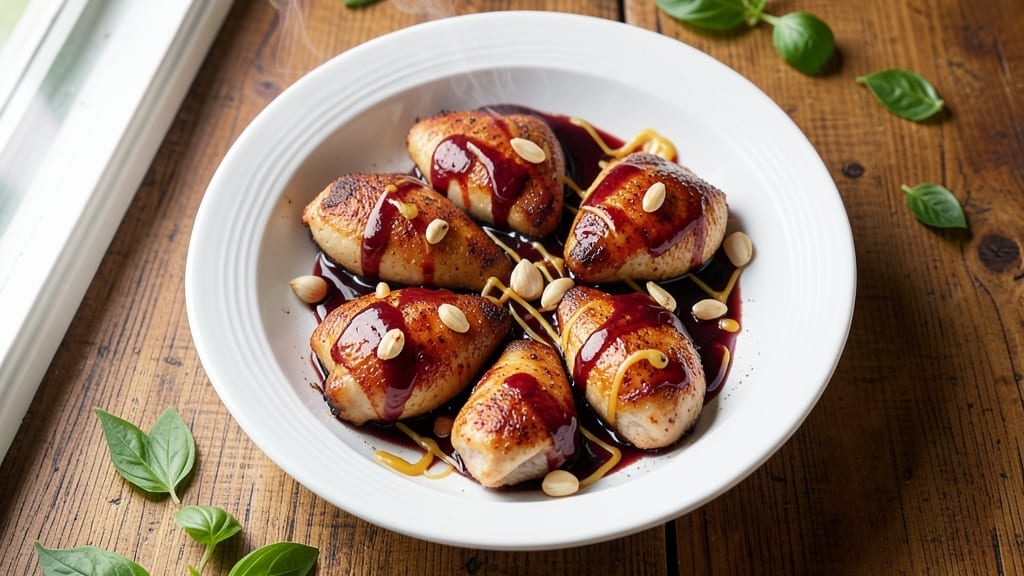
This Trader Joe's balsamic chicken recipe delivers the same bold, tangy-sweet flavors you love from their frozen section—but made fresh in just 45 minutes.
The secret lies in a balanced marinade of balsamic vinegar, Dijon mustard, and Italian herbs, then finished with a glossy reduction that clings to every bite. I’ve tested countless versions, and this one stays true to their signature taste while keeping prep simple and foolproof.
The dish starts with juicy chicken thighs or breasts marinated for at least 30 minutes (or overnight for deeper flavor), then roasted until golden and tender. A quick balsamic reduction—simmered with honey and garlic—adds that signature tangy-sweet glaze, turning ordinary chicken into a restaurant-worthy centerpiece.
The technique is straightforward, but the flavor? Unmistakably Trader Joe’s-inspired.
What you’ll end up with is crispy, caramelized chicken with a glossy balsamic swirl that’s sticky, slightly sweet, and packed with umami. The glaze thickens just enough to coat each piece without being syrupy, creating a perfect balance of textures.
Serve it alongside roasted potatoes, a simple arugula salad, or crusty bread to soak up every last drop.
This recipe scales effortlessly—whether you’re feeding a crowd or prepping for meal prep. The marinade and glaze can be made ahead, so all you need on the day is 15 minutes of active cooking. Let’s bring that Trader Joe’s flavor home.
Ingredients for trader joe's balsamic chicken
Juicy chicken, bold balsamic glaze, and Italian herbs—this recipe delivers that Trader Joe’s frozen-section flavor fresh.
| Ingredient | Amount | Notes |
|---|---|---|
| Boneless, Skinless Chicken Thighs 🍗 | 1 ½ lb | Juicy and flavorful preferred |
| Balsamic Vinegar 🍷 | ½ cup | Trader Joe's aged variety if available |
| Dijon Mustard 🍯 | 2 tbsp | Smooth, not grainy |
| Honey 🍯 | 2 tbsp | Wildflower preferred |
| Garlic Cloves 🧄 | 4 cloves | Fresh, minced |
| Italian Seasoning 🍃 | 1 tbsp | Dried, oregano-heavy blend |
| Extra-Virgin Olive Oil 🫒 | 2 tbsp | For marinade |
| Salt 🧂 | 1 ½ tsp | Kosher or sea salt |
| Black Pepper 🌶️ | ½ tsp | Freshly ground |
| Fresh Rosemary 🌿 | 1 tbsp | Chopped, or dried at 1/3 amount |
| Fresh Thyme 🌿 | 1 tbsp | Leaves only, or dried at 1/3 amount |
| Butter 🧈 | 1 tbsp | Unsalted, for finishing |
The chicken is key—thighs stay juicier than breasts, but either works. Trader Joe's has great pre-cut thighs if you're short on time, but whole pieces let you trim excess fat for cleaner bites. For the balsamic vinegar, Trader Joe's aged variety (if you can find it) adds depth, but regular works too. The Dijon mustard should be smooth—grainy types can make the marinade gritty. I always grab the Maille brand from Trader Joe's, but any quality Dijon does the trick. Fresh herbs make a difference here, but dried will work in a pinch (use one-third the amount).
No balsamic vinegar? Apple cider vinegar plus 1 tsp brown sugar gets close. Short on Dijon? Yellow mustard plus 1/2 tsp lemon juice mimics the tang. The honey can be swapped for maple syrup if you're avoiding refined sugar. For the Italian seasoning, Trader Joe's blend is perfect, but any dried mix with oregano and basil works. The garlic should be fresh—jarred minced loses flavor fast. If you're prepping ahead, make the marinade (everything but chicken and butter) up to 3 days ahead and store it in the fridge.
Marinated chicken keeps 2 days in the fridge, but the glaze is best made fresh. Store the finished chicken in an airtight container with the glaze spooned on top—it reheats beautifully. The glaze thickens as it cools, so thin with a splash of water if it's too stiff. This makes enough for 4 servings, but the glaze doubles as a great dipping sauce for extra portions. Leftovers reheat well in a 350°F oven for 10 minutes—just add a splash of water to keep the glaze glossy.
Why You'll Love This Recipe
- One-Pan Magic: I swear by this recipe when I’m too tired to wash dishes. Just toss the chicken thighs in a sheet pan, drizzle that balsamic-honey-mustard mix over them, and let the oven do the work—no pots, no pans, no stress.
- Sweet-Savory Balance: The honey and balsamic vinegar create this perfect, sticky glaze that caramelizes into something dangerously addictive. The Dijon mustard adds a little tang, and the garlic? Oh, it’s the secret weapon—every bite has that warm, aromatic punch.
- Leftovers That Don’t Suck: Between us, most recipes turn into sad leftovers. Not this one. The glaze thickens just enough to keep the chicken juicy, and it reheats like a dream—whether it’s lunch the next day or packed for work. Honestly, I’ve eaten this cold from the fridge, and it still tasted solid.
- Budget-Friendly Crowd-Pleaser: Chicken thighs are forgiving and cheap, and this recipe stretches for four servings without breaking the bank. It’s the kind of dish where my roommates will fight over seconds, and I’ll still have enough for a quick lunch the next day. Plus, the ingredients? Most are pantry staples.
Step-by-step instructions for Trader Joe's balsamic chicken recipe
Here's how to create tender, sticky-glazed chicken thighs with a perfect balance of sweet, tangy, and herby flavors.
Marinate the Chicken for Maximum Flavor
In a medium bowl, combine the 0.5 cup balsamic vinegar, 2 tablespoons Dijon mustard, 2 tablespoons honey, 1 tablespoon Italian seasoning, 1.5 teaspoons salt, and 0.5 teaspoon black pepper. Whisk until the honey and mustard are completely dissolved and the mixture is smooth.
Add the 1.5 lb boneless, skinless chicken thighs to the marinade, turning to coat them evenly. Cover the bowl with plastic wrap and refrigerate for at least 4 hours, or preferably overnight. This long marinating time ensures the chicken absorbs all the flavorful marinade and becomes incredibly tender. I like to flip the thighs halfway through marinating to guarantee even coating.
Sear the Chicken for Irresistible Crispiness
Remove the chicken from the marinade (reserve the marinade for later) and pat it dry with paper towels. This step is crucial—dry chicken sears better than wet. Heat 1 tablespoon of the extra-virgin olive oil in a large oven-safe skillet over medium-high heat until shimmering.
Add the chicken thighs to the skillet and cook for 4-5 minutes per side until they develop golden-brown crusts. You'll know they're ready when they release easily from the pan. Don't crowd the pan—work in batches if needed. Transfer the seared chicken to a plate and tent with foil to keep warm while you prepare the sauce.
Simmer the Glaze to Perfect Consistency
Return the reserved marinade to the skillet and bring it to a boil over medium-high heat. Reduce heat to medium and let it simmer uncovered for 5-7 minutes until it thickens slightly and reduces by about one-third. The glaze should coat the back of a spoon but still be pourable.
Add the 4 minced garlic cloves, 1 tablespoon chopped fresh rosemary, and 1 tablespoon chopped fresh thyme to the simmering marinade. Cook for another 1-2 minutes until the garlic is fragrant but not browned. Remove from heat and stir in the 1 tablespoon butter until melted and incorporated. The glaze should be glossy and slightly thickened.
Glaze and Finish the Chicken
Return the chicken to the skillet, spooning the glaze evenly over the tops. Transfer the skillet to a preheated 400°F oven and bake for 12-15 minutes, until the chicken reaches an internal temperature of 165°F and the glaze is bubbly and caramelized. The chicken should be fork-tender with a beautiful glossy sheen.
For extra shine and flavor, broil for 1-2 minutes at the end, watching closely to prevent burning. The glaze should be sticky and slightly thickened, with beautiful caramelized spots. Let the chicken rest for 5 minutes before serving to allow the juices to redistribute.
Pro Tips For Making Trader Joe'S Balsamic Chicken
- Sear First, Then Simmer: That first sear in the pan isn’t just for looks—it locks in flavor and keeps the thighs juicy. After patting them bone-dry (yes, even if you’re impatient like me), hit them with high heat for 3-4 minutes per side until golden. Then back off to medium-low for the sauce—rushing this step turns your dish into mushy chicken instead of sticky, caramelized perfection.
- Minimize the Mustard: I used to dump the full tablespoon of Dijon right into the pan, thinking more = better. Wrong. Start with just ½ tablespoon, whisk it into the balsamic and honey first, then toss the chicken in the sauce. The mustard burns fast, and you’ll end up with bitter bits instead of that smooth, tangy glaze everyone loves.
- Reduce the Sauce Hard: Skip the "simmer until thickened" guesswork—reduce that sauce aggressively for 8-10 minutes on high heat. You want it syrupy enough to coat the back of a spoon, not just "mostly evaporated." If it sticks, add a splash of water or chicken broth, but don’t dilute it past the point of no return. (Trust me, you’ll know when it’s there.)
- Roast the Garlic: Raw garlic cloves in this recipe? Meh. Toss 3-4 whole cloves in foil with a drizzle of olive oil, roast at 400°F for 15 minutes until soft and nutty, then mash them into the sauce. The flavor’s deeper, sweeter, and way less likely to overpower the balsamic. (Yes, it’s an extra step—but your taste buds will notice.)
Common mistakes when making this recipe
Over-Marinating Chicken
The marinade is delicious, but leaving chicken in it too long—over 24 hours—can break down the proteins too much, making the meat mushy. I’ve ruined perfectly good chicken by marinating it for 36 hours in my excitement.
Stick to 4-12 hours for thighs, or 2-4 hours for breasts. The 1.5 lb of thighs in this recipe is ideal for an overnight marinade, but breasts need less time. 🌡️
Skipping the Rest
Rushing to serve the chicken immediately after cooking is a big mistake. Letting it rest for 5 minutes (or even 10 minutes for larger pieces) allows the juices to redistribute. I’ve sliced into chicken too soon and ended up with dry, flavorless bites.
This is especially important after the 400°F oven finish—the glaze might look perfect, but the meat needs time to relax. 💡
Using Wet Chicken for Searing
Pat those chicken thighs completely dry before searing, or you’ll steam them instead of getting that golden crust. I’ve made this mistake more times than I’d admit—wet chicken sticks to the pan and turns out soggy.
Use paper towels and press firmly. If your thighs are particularly wet from marinating, let them air-dry on a wire rack for 5-10 minutes before searing. 🍗
Ignoring Glaze Thickness
The glaze should coat the back of a spoon but still be pourable—if it’s too thin, it’ll pool on the plate, and if it’s too thick, it’ll be cloying. I’ve had glaze so thick it turned into a sticky mess, or so thin it barely clung to the chicken.
Simmer the marinade until it reduces by about one-third, then adjust with a splash of water or extra honey if needed. The goal is a glossy, sticky-sweet finish. ✨
Overcrowding the Pan
Crowding the skillet causes the chicken to steam instead of sear, leading to pale, unevenly cooked pieces. Work in batches if needed—I’ve had to restart this recipe twice because I tried to fit all 1.5 lb of thighs in one pan.
Leave at least ½ inch of space between pieces for proper browning. A 12-inch cast-iron skillet works best for this recipe. 🔥
Burning the Glaze
Broiling the chicken at the end can easily burn the glaze if you’re not careful. Watch closely and keep the broiler on low heat for just 1-2 minutes. I’ve had glaze turn into a charred mess when I got distracted.
If the glaze starts to darken too quickly, remove it from the broiler immediately. The goal is caramelization, not combustion. 💫
Nutrition facts
Frequently asked questions
Can I use chicken breasts instead of thighs?
Yes, but they'll cook faster and need less marinating time. Use 1 lb boneless breasts and marinate for only 2-4 hours max to avoid drying out. Slice them thinner than thighs for even cooking. The glaze will still cling beautifully, but watch closely—they'll reach 165°F in about 10-12 minutes in the oven.
How do I make this vegetarian?
Swap the chicken for 1.5 lb portobello mushrooms or extra-firm tofu. Marinate them the same way, then roast at 400°F for 15-20 minutes until tender. The glaze works perfectly on both—just brush it on generously. For extra protein, add chickpeas or white beans to the dish.
Can I make the glaze ahead of time?
Prepare the glaze (without butter) up to 3 days ahead and store it in an airtight container. When ready to use, reheat gently on the stove and finish with the butter. The flavor actually improves as it sits. For the marinade, make it 2 days ahead—just don't add the chicken until you're ready to cook.
What's the best way to reheat leftovers?
Reheat in a 350°F oven for 10-12 minutes with a splash of water or balsamic vinegar to keep the glaze glossy. Microwaving works too—just cover with a damp paper towel for 1-2 minutes. Avoid high heat that can make the glaze too thick or the chicken dry. Leftovers keep 3-4 days in the fridge.
What sides pair best with this dish?
Try roasted potatoes with rosemary, creamy polenta, or a simple arugula salad with lemon vinaigrette. For extra Trader Joe's flair, serve with their garlic bread or focaccia to soak up the glaze. The tangy-sweet chicken balances perfectly with earthy greens or starchy sides.