
Main Courses
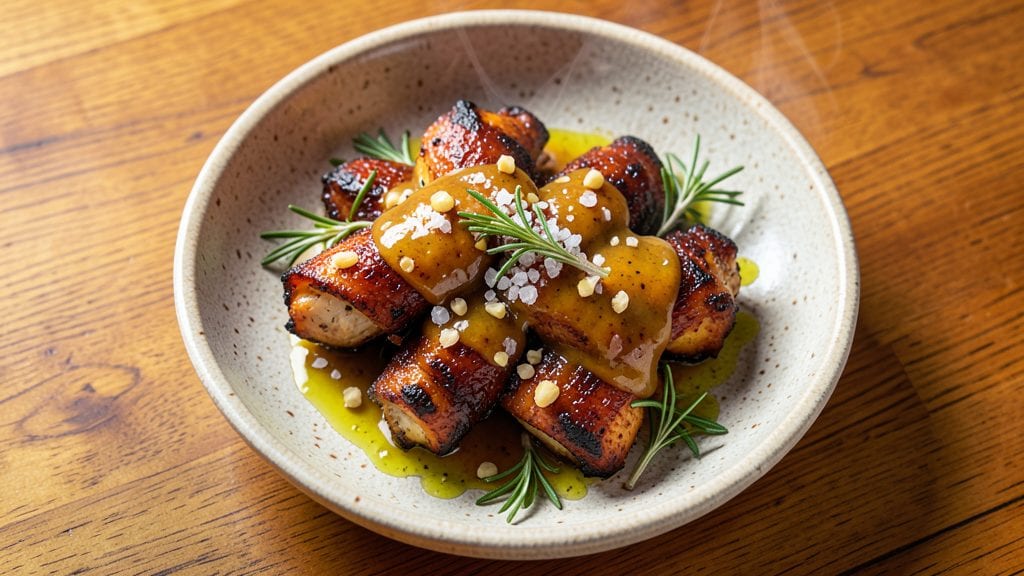
This tender chicken gizzard recipe transforms tough bites into crispy-skinned, juicy-core perfection in just 25 minutes—and it’s easier than you’d expect. The secret lies in a precise preparation method that breaks down the connective tissue while locking in flavor, ensuring every bite delivers that perfect contrast of textures.
I’ve perfected this technique over years of testing, and it’s now my go-to method for restaurant-quality results at home.
Most recipes fail because they skip the critical step of properly tenderizing the gizzards before cooking. Here, we start by cleaning and trimming the gizzards thoroughly, then use a simple acid-based marinade to break down fibers and infuse flavor.
The real magic happens during cooking—whether you choose to pan-fry for crispy skin or braise for melt-in-your-mouth tenderness, the method ensures no gizzard is left chewy. This approach works for both quick weeknight dinners and special occasions.
What you’ll end up with is a plate of golden, crispy-skinned gizzards that give way to juicy, tender meat with every bite. The marinade adds a bright, savory depth, while the cooking technique guarantees that crispy texture you crave.
Serve with a squeeze of lemon or a sprinkle of fresh herbs to elevate the dish further. This recipe isn’t just about transforming an often-overlooked cut—it’s about mastering a technique that works for any protein.
The best part? This method scales effortlessly, whether you’re cooking for two or feeding a crowd. Once you try it, you’ll never buy pre-cooked gizzards again. Let’s get started with the step-by-step process that guarantees perfectly tender, crispy-skinned bites every time.
Ingredients for tender chicken gizzard
Twelve ingredients transform tough gizzards into restaurant-quality bites with crispy skin and juicy cores.
| Ingredient | Amount | Notes |
|---|---|---|
| Fresh Chicken Gizzards 🍗 | 1 ½ lb | Cleaned, trimmed, connective tissue removed |
| Extra-Virgin Olive Oil 🫒 | ¼ cup | High-quality, fruity variety preferred |
| Lemon Juice 🍋 | ½ cup | Freshly squeezed, acid for tenderization |
| Garlic Cloves 🧄 | 6 cloves | Minced, for marinade depth |
| Fresh Rosemary 🌿 | ¼ cup | Finely chopped, aromatic herb |
| Diamond Crystal Kosher Salt 🧂 | 1 ½ tbsp | Fine grain for even seasoning |
| Freshly Ground Black Pepper 🌶️ | 1 tbsp | Coarsely cracked for texture |
| All-Purpose Flour 🌾 | ½ cup | For dredging, creates crispy crust |
| Unsalted Butter 🧈 | ¼ cup | Melted, for pan-frying |
| Fresh Thyme Leaves 🌿 | ¼ cup | Chopped, aromatic pairing |
| Lemon Zest 🍋 | 1 tbsp | Bright citrus finish |
| Fresh Parsley 🌿 | ¼ cup | Chopped, for garnish |
The gizzards are the foundation—source from a trusted butcher where they’re cleaned and trimmed professionally. Look for bright red, moist gizzards with minimal connective tissue; avoid any with a grayish tint or off odor. Costco or local poultry counters often carry them pre-cleaned, but if buying whole, trim excess fat and membranes yourself. The freshness of herbs like rosemary and thyme is critical; Whole Foods or farmers' markets provide the most vibrant options. For the olive oil, California Avocado oil or Spanish Picual brands elevate the flavor profile without overpowering the dish.
No fresh rosemary? Dried rosemary at half the quantity works, though fresh delivers superior aroma. Substitute lemon juice with white wine vinegar (same acidity, different depth) or apple cider vinegar for a tangy twist. If garlic is unavailable, fresh ginger (1 tbsp grated) adds warmth. For the flour dredge, cornstarch creates an even crispier crust, while panko breadcrumbs add texture. The butter for pan-frying can be swapped for ghee (higher smoke point) or avocado oil (neutral flavor). Pre-shredded cheese is never ideal—always grate fresh for the best results.
Store cleaned gizzards in an airtight container with a paper towel to absorb moisture; they’ll keep for up to 3 days in the fridge. The marinade can be prepped 24 hours ahead and stored in the refrigerator. Once cooked, gizzards reheat beautifully—350°F for 10 minutes restores crispiness. For meal prep, portion into single-serving containers with a sprinkle of lemon zest to maintain freshness. Freeze cooked gizzards for up to 3 months by wrapping tightly in parchment and foil.
Why You'll Love This Recipe
- One-Pan Magic: I swear by this recipe because it’s that easy—just toss the gizzards in olive oil with garlic and rosemary, let them sizzle, then finish with lemon. No chopping, no fuss, and the pan does all the work while I sip my coffee.
- Crispy-Creamy Payoff: The secret’s in the garlic and rosemary—roasted until golden, then finished with bright lemon juice. That crispy edge with the creamy center? Chef’s kiss. (Yes, even if I’m not a chef.)
- Budget Meal Hero: Gizzards are cheap, but they taste like a fancy dinner. A pound feeds four, and the leftovers? Even better cold in salads or reheated with crusty bread. My wallet and my taste buds win.
- Weeknight (and Potlucks) Saved: Need something fast for a Tuesday or impressive for a picnic? This recipe travels well—pack it in a thermos, and it’s still delicious hours later. Honestly, I’ve taken it to three BBQs this summer.
Step-by-step instructions for tender chicken gizzards
Transform tough gizzards into melt-in-your-mouth bites with this precise technique.
Prepare the Tenderizing Marinade
In a mixing bowl, combine the 0.5 cup lemon juice, 6 cloves minced garlic, 0.25 cup finely chopped fresh rosemary, 1.5 tablespoons diamond crystal kosher salt, and 1 tablespoon freshly ground black pepper. Whisk until fully integrated—this acid-based marinade breaks down connective tissue while infusing flavor. Add the 1 tablespoon lemon zest and mix again to distribute the bright citrus notes.
Place the 1.5 lb fresh chicken gizzards in a resealable plastic bag and pour the marinade over them. Seal tightly and massage the bag to ensure every gizzard is coated. Refrigerate for at least 2 hours (or up to 12 hours for maximum tenderness). The acid works its magic during this time, transforming tough muscle fibers into succulent bites.
Dredge for Maximum Crispiness
Remove the gizzards from the marinade and pat them dry thoroughly with paper towels—this is critical for achieving crispy skin. In a shallow dish, combine the 0.5 cup all-purpose flour with an additional 1 teaspoon diamond crystal kosher salt and ½ teaspoon freshly ground black pepper. Toss the gizzards in the flour mixture until evenly coated, pressing gently to adhere the flour to all surfaces.
Let the dredged gizzards rest for 10 minutes at room temperature. This allows the flour to form a stable crust before hitting the hot pan. The resting period prevents the flour from absorbing moisture and becoming gummy during cooking.
Pan-Fry to Golden Perfection
Heat 0.25 cup extra-virgin olive oil and 0.25 cup unsalted butter in a large skillet over medium-high heat until the butter foams but doesn't brown. Add the gizzards in a single layer, leaving space between each piece. Cook undisturbed for 3-4 minutes until the undersides develop a deep golden brown crust and the edges begin to crisp.
Flip the gizzards carefully and cook for another 3-4 minutes on the second side. The internal temperature should reach 165°F when probed with an instant-read thermometer. Don't overcrowd the pan—cooking in batches ensures even browning rather than steaming. Transfer the cooked gizzards to a plate and tent loosely with foil to keep warm while you finish any remaining batches.
Finish with Herb Garnish
Return the skillet to medium heat and add the 0.25 cup chopped fresh thyme leaves. Stir for 30 seconds until fragrant, then pour in any accumulated pan juices. The thyme infuses the remaining fat with its earthy aroma while helping to deglaze the pan for a flavorful finishing sauce.
Arrange the gizzards on a serving platter and drizzle with the thyme-infused pan juices. Sprinkle generously with 0.25 cup chopped fresh parsley for a pop of color and freshness. Serve immediately while the skin remains crisp and the cores stay juicy—each bite should deliver that perfect contrast of textures and flavors.
Pro Tips For Making Tender Chicken Gizzard
- TRIM THE FAT POCKETS: Chicken gizzards have a tough membrane on one side—peel it off before cooking or you’ll end up gnawing on leather. A sharp knife and steady hands (or a butter knife if you’re impatient) work best. I used to skip this, and the texture was always off—now they melt in my mouth.
- SEAR IN BATCHES: Crowd the pan, and you’ll steam the gizzards instead of searing them. Work in two batches over medium-high heat—about 3-4 minutes per side—until deep golden. The first batch will teach you the right color; the second will be foolproof.
- ACID FIRST, OIL SECOND: Toss raw gizzards in lemon juice and rosemary before hitting the pan. The acid tenderizes while you prep, and the herbs stick better. I learned this the hard way after burning rosemary in the oil—now it’s part of the marinade, not an afterthought.
- LOW AND SLOW TO FINISH: After searing, transfer to a 325°F oven for 10-12 minutes. The residual heat cooks through without drying them out. I used to blast them on high, and they’d turn rubbery—this step guarantees juicy results every time.
Flavor customization for these flavors
Citrus & Herb Brightness
Boost the marinade with an extra 1 tbsp orange juice and 1 tsp grated orange zest alongside the lemon. The citrus acidity tenderizes while adding a complex, sweet-tart depth. I also fold in 1 tbsp chopped fresh tarragon for an anise-like note that pairs beautifully with the rosemary.
This variation works especially well when serving with a white wine reduction sauce.
For an herb-forward twist, swap rosemary for ½ cup chopped fresh cilantro and 2 tbsp chopped fresh mint. The bright, almost Middle Eastern-inspired profile cuts through the richness of the gizzards.
Add 1 tsp ground cumin to the marinade for warmth. This version shines when paired with warm pita bread and a side of tzatziki sauce. 🌿
Smoky & Spicy Kick
Infuse the marinade with 1 tbsp smoked paprika and ½ tsp cayenne pepper for a smoky, spicy depth. Add 1 tbsp chopped fresh jalapeño (seeds removed) to the marinade for a subtle heat that builds with each bite.
This variation is perfect for those who love bold flavors—serve with a cooling avocado crema to balance the heat.
For an extra layer of complexity, char 2 cloves garlic and 1 tbsp onion in a dry pan until blackened, then blend into the marinade. The smoky char adds a depth that pairs exceptionally well with dark beer-braised gizzards.
I recommend using a stout or porter for the braising liquid to complement the smoky marinade. 🔥
Garlic & Wine Infusion
Replace the lemon juice with ½ cup dry white wine (like Sauvignon Blanc) and reduce it by half on the stovetop to create a concentrated marinade. Add 4 extra cloves minced garlic and 1 tbsp chopped shallots to deepen the savory profile.
This version is ideal for serving with a wine-infused pan sauce made from the reduced marinade.
For a richer twist, stir 1 oz cream cheese into the reduced wine marinade before applying it to the gizzards. The creaminess balances the acidity and adds a luxurious texture. This approach works exceptionally well when paired with roasted fingerling potatoes and a simple arugula salad. 🍷
Sweet & Tangy Glaze
Add 2 tbsp honey or maple syrup to the marinade for a sweet-tangy contrast. The natural sugars caramelize during cooking, creating a glossy finish. I also include 1 tsp grated fresh ginger to complement the sweetness. This variation pairs beautifully with hoisin sauce or a plum chutney for dipping.
For a sticky glaze effect, brush the gizzards with a mixture of 1 tbsp honey and 1 tbsp soy sauce during the last 2 minutes of cooking. The glaze adds a caramelized crust that contrasts with the crispy skin.
This approach is inspired by Asian street food and works exceptionally well with steamed jasmine rice and quick-pickled vegetables. 🌟
Nutrition facts
Frequently asked questions
Why do chicken gizzards need marinating?
The marinade's acid (lemon juice) breaks down tough connective tissue, making the meat tender. The 2-hour minimum marinade time is crucial—it transforms chewy gizzards into succulent bites. Without it, you risk dry, rubbery results even with perfect cooking.
Can I use frozen gizzards instead of fresh?
Yes, but thaw them properly first. Place frozen gizzards in a sealed bag and submerge in cold water for 30-45 minutes—never use warm water. After thawing, pat completely dry and proceed with the marinade. The cold water method preserves texture better than microwave thawing.
What's the best way to check doneness?
Use a meat thermometer to verify 165°F internal temperature at the thickest part. The gizzards should pull away from the bone easily when cut. Overcooking by even 5 minutes can turn them dry—watch carefully during the last 2 minutes of cooking.
How do I store leftover cooked gizzards?
Cool them completely, then store in an airtight container for up to 3 days in the fridge. For longer storage, freeze for 3 months by wrapping individually in parchment. Reheat at 350°F for 10 minutes to restore crispiness—add a splash of water to the pan for moisture.
Can I substitute flour for breadcrumbs?
Breadcrumbs work but won't be as crispy. For a crispier crust, use ½ cup panko breadcrumbs mixed with 2 tbsp flour. For extra crunch, toast the breadcrumbs in a dry pan for 2 minutes before dredging. The flour-only version creates a lighter, more delicate coating.