
Soups & Stews
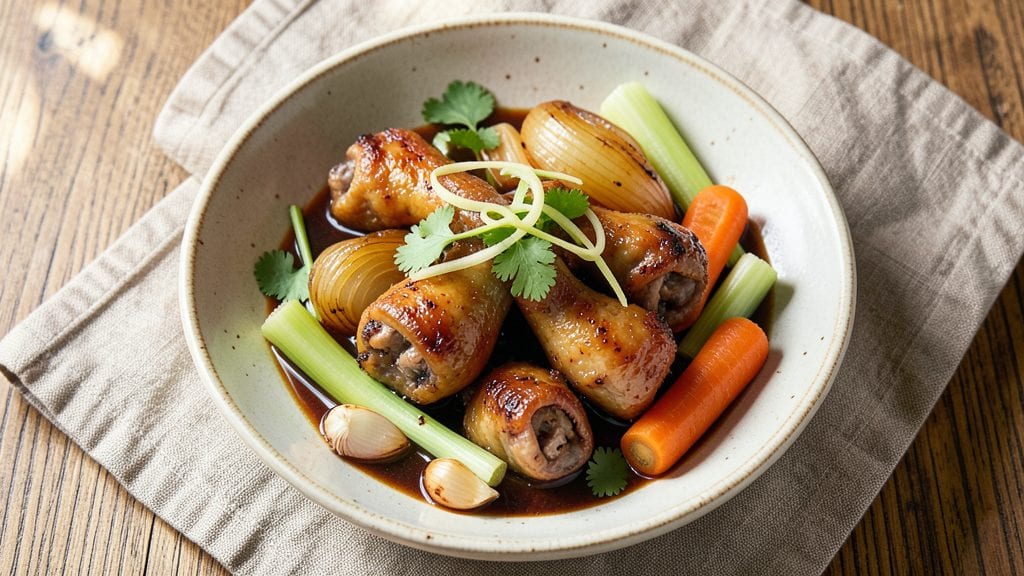
This stewed chicken feet recipe transforms a traditional bone broth staple into a nutrient-dense dish packed with collagen and gelatin for joint health and skin elasticity. The process involves slow simmering to extract maximum benefits while infusing rich, savory flavors that balance the unique texture of the feet.
I developed this method after researching both traditional techniques and modern adaptations to create a dish that's both functional and delicious.
The key to success lies in proper preparation—thorough cleaning, parboiling, and simmering in a flavorful broth until the collagen dissolves into the liquid.
This recipe uses a blend of aromatic vegetables, herbs, and spices to complement the natural umami of the chicken feet, resulting in a dish that's both nourishing and satisfying. The slow cooking process ensures tender meat and a gelatin-rich broth that can be used in soups or served as-is.
What you'll achieve is a collagen-rich stew with tender, gelatinous chicken feet swimming in a deeply flavorful broth. The texture is unique but rewarding—think of it as a cross between a hearty stew and a luxurious bone broth.
This dish is perfect for those focused on gut health, joint support, or simply exploring traditional foods with modern twists.
Pair it with steamed vegetables or crusty bread to create a complete meal. The broth alone can be repurposed into soups or used as a base for other recipes, maximizing both nutrition and versatility. Let's get started on this transformative dish!
Ingredients for stewed chicken feet
Transform humble chicken feet into a collagen-rich elixir with these 15 thoughtfully selected ingredients.
| Ingredient | Amount | Notes |
|---|---|---|
| Chicken Feet (Fresh or Frozen) 🦶 | 2 lbs | Organic preferred, thoroughly cleaned |
| Yellow Onion 🧅 | 1 whole | Medium size, sliced into wedges |
| Carrots 🥕 | 4 whole | Medium size, cut into chunks |
| Celery Stalks 🥬 | 3 whole | Cut into 2-inch pieces |
| Garlic Cloves 🧄 | 6 cloves | Peeled, lightly crushed |
| Fresh Ginger 🌿 | 1 inch | Thinly sliced, peeled |
| Coconut Aminos 🥢 | ½ cup | Gluten-free alternative to soy sauce |
| Apple Cider Vinegar 🍏 | ¼ cup | Raw, unfiltered preferred |
| Fish Sauce 🐟 | 2 tbsp | Red Boat brand recommended |
| Fresh Turmeric Root 🌿 | 1 tbsp | Grated, fresh preferred |
| Fresh Cilantro Roots 🌱 | 2 whole | With stems and leaves |
| Black Peppercorns 🌶️ | 1 tsp | Freshly cracked |
| Bay Leaves 🍃 | 2 whole | Dried, high-quality |
| Sea Salt 🧂 | 1 ½ tbsp | Diamond Crystal preferred |
| Sesame Oil 🫒 | 1 tbsp | Toasted, for finishing |
The chicken feet are the foundation—organic, pasture-raised options from specialty butchers like D'Artagnan or Vital Farms yield superior collagen extraction. For frozen feet, thaw in cold water to preserve texture. Fresh ginger and turmeric from Asian markets add anti-inflammatory properties, while cilantro roots provide a unique aromatic depth. The coconut aminos and fish sauce create the umami backbone, balancing the feet's natural richness without overpowering. When selecting onions and carrots, opt for organic produce to avoid pesticide residues that can cloud the broth's clarity.
No coconut aminos? Tamari or gluten-free soy sauce works in a pinch, though the flavor profile shifts slightly. Substitute fish sauce with miso paste (1 tbsp) for a vegetarian adaptation, though collagen content will differ. Fresh turmeric can be replaced with ground turmeric (1 tsp), but fresh provides superior anti-inflammatory compounds. For ginger, powdered ginger (1 tsp)** is acceptable but lacks the same potency. The sesame oil should be toasted—Kadoya brand from Asian grocery stores delivers the best flavor. When selecting bay leaves, California or Mexican varieties offer the most aromatic oils for infusion.
Store prepped feet in the freezer for up to 3 months before cooking to preserve collagen integrity. The finished broth keeps 5-7 days refrigerated or 6 months frozen in airtight containers. For maximum gelatin extraction, simmer the feet for 8-12 hours**—the longer they cook, the more collagen dissolves into the broth. Portion the broth into ice cube trays before freezing for convenient single-use applications in soups or bone broth blends.
Why You'll Love This Recipe
- I’ll be real: chicken feet are one of the most affordable protein sources out there. A single batch stretches for days, and the veggies keep it balanced. It’s the kind of dish that feeds a crowd without breaking the bank—perfect for potlucks or when guests drop by unannounced.
- One-Pot Magic: I swear by this recipe—just toss everything in a pot, simmer, and walk away. No fancy prep, no extra dishes, and the chicken feet practically melt into tender, gelatinous goodness while the veggies soften perfectly.
- Umami Bomb: That crispy skin gives way to a rich, savory center, and the garlic-infused broth? Honestly, it’s the kind of flavor that makes you reach for seconds without thinking. The onions and carrots caramelize just enough to deepen the taste—no fancy techniques, just pure satisfaction.
- Leftovers That Shine: Between us, this stew gets better the next day. The flavors meld even more, and the chicken feet become irresistibly tender. Pack it for lunches or freeze portions—it’s my go-to for lazy mornings or when I need a hearty, no-fuss meal without the fuss.
Step-by-step instructions for stewed chicken feet
Transform tough chicken feet into tender, collagen-rich bites using this precise technique.
Prepare the Chicken Feet and Aromatics
Begin by thoroughly cleaning the 2 lbs chicken feet if using fresh—soak in cold water for 10 minutes, scrubbing with a vegetable brush to remove any debris. For frozen feet, thaw completely in cold water. Cut each foot at the first joint to expose the meat, but leave the skin intact to help retain moisture during cooking.
In a large stockpot, combine the sliced 1 whole yellow onion, chopped 4 whole carrots, and cut 3 whole celery stalks. Add the peeled and lightly crushed 6 cloves garlic, thinly sliced 1 inch fresh ginger, and freshly cracked 1 tsp black peppercorns. This aromatic base forms the flavor foundation, so don't skip the crushing of garlic and peppercorns—it releases their essential oils more effectively.
Sear and Deglaze the Chicken Feet
Heat the stockpot over medium-high heat until the aromatics begin to sizzle. Add the prepared chicken feet in a single layer, skin-side down, and sear for 3-4 minutes until golden brown patches appear. This step develops deep, caramelized flavors and prevents the feet from becoming too gelatinous later.
Pour in the 0.5 cup coconut aminos and 0.25 cup apple cider vinegar, scraping up any browned bits from the bottom of the pot. The vinegar helps tenderize the collagen while the coconut aminos add umami depth. Let this mixture simmer for 2 minutes to blend the flavors before proceeding.
Build the Stewing Base
Add 8 cups of water (or enough to cover the chicken feet by 2 inches) to the pot. Bring to a gentle boil, then reduce heat to low. Stir in the grated 1 tbsp fresh turmeric root, 2 whole bay leaves, and 1.5 tbsp sea salt. The turmeric not only adds color but also has anti-inflammatory properties that complement the collagen benefits.
Partially cover the pot and let the stew simmer gently for 1 hour. You'll notice the chicken feet begin to soften and the liquid develop a rich, golden hue. Skim off any foam that rises to the surface during this time—it indicates impurities being released from the meat.
Finish with Fish Sauce and Sesame Oil
After the initial hour, add the 2 tbsp fish sauce and the 2 whole fresh cilantro roots (stems and leaves) to the pot. The fish sauce enhances the umami profile while the cilantro adds a bright, herbal note. Return the stew to a simmer and cook uncovered for an additional 1-2 hours, or until the chicken feet are fork-tender and can be easily pulled apart.
In the final 10 minutes of cooking, stir in the 1 tbsp toasted sesame oil. This not only adds a nutty aroma but also helps emulsify the collagen-rich broth, creating a silky texture. Taste and adjust seasoning with additional sea salt if needed—the fish sauce and coconut aminos should be balanced but not overpowering.
Rest and Serve for Maximum Flavor
Remove the pot from heat and let the stew rest for 15 minutes. This resting period allows the collagen to fully gel in the broth, creating a thicker, more luxurious consistency. Serve the chicken feet directly from the pot, ensuring each portion includes generous amounts of the aromatic vegetables and flavorful broth.
The final dish should have tender, melt-in-your-mouth chicken feet with a rich, collagen-packed broth that coats each bite. The combination of turmeric, ginger, and fish sauce creates a complex flavor profile that balances the natural richness of the collagen. Store any leftovers in the refrigerator for up to 5 days, as the flavors continue to develop over time.
Pro Tips For Making Stewed Chicken Feet
- Parboil First: Chicken feet need a 15-minute head start in boiling water before stewing—this softens the tough skin and connective tissue. Skip this, and you’ll spend the next 3 hours wondering why your feet are still chewy. (Yes, even if you’re impatient like me.)
- Trim the Garlic: Peel those garlic cloves but leave the root intact—this keeps them from dissolving into mush while stewing. I used to crush them whole, and half the flavor vanished into the broth. A quick smash with the flat side of your knife works better.
- Don’t Overcrowd the Pot: Chicken feet release a ton of collagen, so if you jam too many in the pot, the liquid will turn into glue. Start with a single layer, then add more in batches if needed. Trust me, your stew will thank you later.
- Sear the Feet: A quick 2-minute sear in oil before adding liquid builds flavor and tightens the skin. I know it feels like overkill, but it’s the difference between "meh" and "holy moly, this is rich." Use a heavy pot—nonstick won’t cut it here.
Essential equipment for stewed chicken feet
Stockpot Essentials
You'll need a large, heavy-bottomed stockpot with at least 8-quart capacity to handle the chicken feet and broth comfortably. I recommend a Le Creuset Dutch oven or All-Clad stainless steel pot for even heat distribution.
The deep sides prevent spills when skimming foam, and the heavy base maintains consistent temperature during long simmering. Avoid non-stick pots—they can't handle the prolonged cooking time and may release harmful fumes at high heat. 🔥
Precision Thermometer
A meat thermometer with a probe is non-negotiable for this recipe. I use the ThermoWorks Smoke to monitor the broth temperature—it should stay between 185-200°F for optimal collagen extraction. The probe helps you avoid boiling, which can make the feet rubbery.
Place the thermometer in the broth (not touching the pot) to get an accurate reading of the cooking environment.
Vegetable Brush and Scrubber
Cleaning chicken feet requires a stiff-bristle vegetable brush (like the OXO Good Grips) and a non-scratch scrubber to remove debris without damaging the skin. Soak the feet in cold water first to loosen dirt, then scrub each joint thoroughly.
A fine-mesh strainer also comes in handy for rinsing—place the scrubbed feet in it to drain excess water before cooking. This step is crucial for preventing cloudy broth.
Skimming Tool
A slotted spoon with a long handle (I prefer the OXO Good Grips Slotted Turner) is essential for skimming foam and impurities during the initial simmer. The long handle keeps your hands safe from the hot broth, while the slots allow you to remove debris without losing broth.
Skim frequently in the first 30 minutes—this is when most impurities rise to the surface. A fine-mesh ladle works too, but the slotted spoon gives you better control.
Chef's Knife and Cutting Board
A sharp 8-inch chef's knife (like the Wüsthof Ikon) and a non-slip cutting board (such as the Teakhaus bamboo) are must-haves for prepping the aromatics. The knife should glide through onions, carrots, and celery with ease—dull knives crush vegetables, releasing bitter compounds into the broth.
For the chicken feet, a cleaver (like the Victorinox 8-inch) makes cutting at the first joint easier, but a chef's knife works too if you're careful.
Fine-Mesh Strainer and Storage Containers
After cooking, strain the broth through a fine-mesh sieve (I use the OXO Good Grips) to remove any remaining solids if you plan to repurpose it.
For storage, amber glass jars (like Le Parfait) preserve the broth's nutrients better than plastic and block light, which can degrade collagen over time. Label jars with the date—this collagen-rich broth keeps for 6 months in the freezer when stored in airtight containers. 💡
Nutrition facts
Frequently asked questions
Why do chicken feet need to be cut at the first joint?
Cutting at the first joint exposes more surface area for collagen extraction while keeping the skin intact to retain moisture. This technique ensures the meat becomes tender without becoming mushy. The exposed meat also absorbs flavors more effectively during the long simmer.
Can I use chicken feet with skin still on?
Yes, leaving the skin on helps retain moisture and adds texture to the final dish. The skin becomes tender and slightly crispy when properly stewed, adding depth to each bite. Just ensure it's clean before cooking to avoid cloudy broth.
How long should I simmer chicken feet for maximum collagen?
Aim for 8-12 hours of gentle simmering at 185-200°F for optimal collagen extraction. The longer they cook, the more gelatinous the broth becomes. Use a meat thermometer to maintain consistent temperature and prevent boiling, which can make the feet rubbery.
What's the best way to store the broth?
Store the collagen-rich broth in amber glass jars for up to 6 months in the freezer or 5-7 days refrigerated. The amber glass blocks light, preserving nutrients better than plastic. Label with dates and leave 1-inch headspace to prevent ice crystals from breaking the jars.
Can I make this recipe vegetarian?
While chicken feet are the traditional protein source, you can substitute with mushroom feet (like king oyster mushrooms) or lotus root for texture. Replace fish sauce with miso paste (1 tbsp)** and use vegetable broth instead of water. Note that collagen content will differ significantly.