
Main Courses
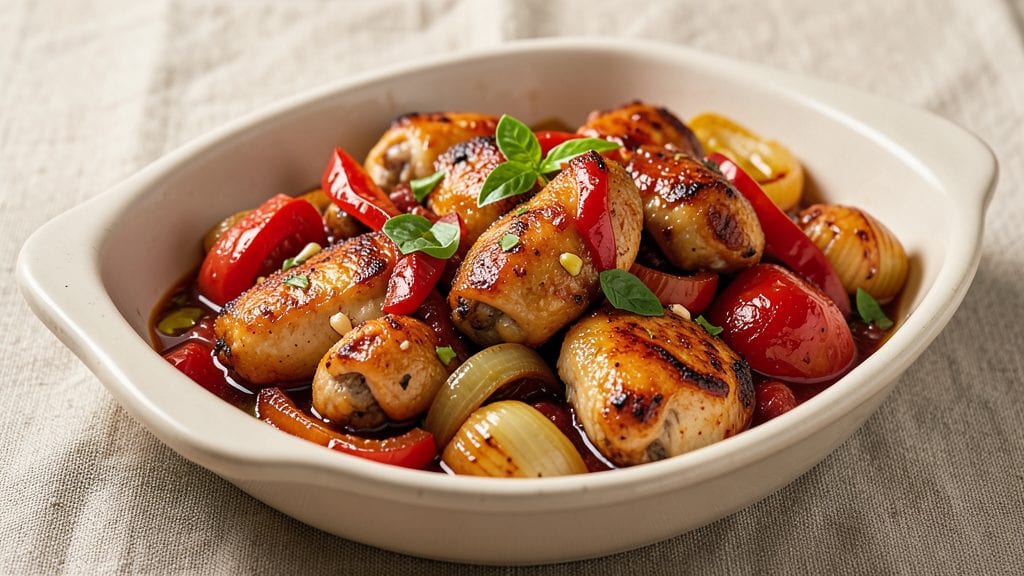
Rao's chicken cacciatore brings the soul-warming flavors of Italian-American comfort food to your kitchen, where tender chicken simmers in a rich tomato sauce infused with herbs, olives, and a touch of wine.
This classic dish transforms simple ingredients into something deeply satisfying, perfect for a cozy family dinner or a special occasion. The slow braising process ensures the chicken stays juicy while developing layers of flavor that will have everyone asking for seconds.
What sets this recipe apart is Rao's signature technique of reducing wine and tomatoes into a velvety sauce that coats every bite of chicken. The combination of garlic, onions, and fresh herbs creates a fragrant base, while capers and olives add a briny contrast that balances the richness.
Unlike quick weeknight meals, this dish rewards patience with an unforgettable depth of flavor that feels like a warm embrace on a chilly evening.
The result is a hearty, aromatic dish where fork-tender chicken pieces float in a glossy sauce that's equally delicious spooned over polenta or served alongside crusty bread. Each bite delivers a perfect harmony of textures—tender meat, soft vegetables, and a sauce that's both robust and smooth.
This is comfort food at its finest, a recipe that transforms an ordinary meal into something truly memorable.
Whether you're recreating a family tradition or introducing this classic to new diners, Rao's chicken cacciatore delivers restaurant-quality results with a homemade touch. The slow cooking process ensures maximum flavor development, while the simple ingredients make it accessible for any home cook. Ready to create this timeless Italian-American masterpiece?
Ingredients for rao's chicken cacciatore
Simple ingredients, slow cooking, and Rao's signature wine reduction create unforgettable Italian-American comfort food.
| Ingredient | Amount | Notes |
|---|---|---|
| Boneless, Skinless Chicken Thighs 🍗 | 1 ½ lb | Cut into 1-inch pieces |
| Extra-Virgin Olive Oil 🫒 | ¼ cup | For searing chicken |
| Yellow Onion 🧅 | 1 whole | Thinly sliced, about 1.5 cups |
| Garlic Cloves 🧄 | 4 cloves | Minced, not pre-minced |
| Canned San Marzano Tomatoes 🍅 | 2 cans | 28 oz each, crushed by hand |
| Dry Red Wine 🍷 | ½ cup | Bold variety like Chianti |
| Fresh Rosemary 🌿 | ¼ cup | Chopped, stems removed |
| Fresh Thyme 🍃 | ¼ cup | Leaves only, stems discarded |
| Fresh Parsley 🌿 | ¼ cup | Chopped, for garnish |
| Pitted Kalamata Olives 🫒 | ½ cup | Sliced, for briny contrast |
| Capers 🥫 | 2 tbsp | Rinsed if packed in brine |
| Tomato Paste 🍅 | 2 tbsp | No sugar added preferred |
| Chicken Broth 💧 | ½ cup | Low-sodium preferred |
| Salt 🧂 | 1 ½ tsp | Diamond Crystal preferred |
| Black Pepper 🌶️ | ½ tsp | Freshly cracked |
The chicken thighs are key—bone-in stays juicier, but boneless works too. Look for chicken thighs with good marbling at Whole Foods or your local butcher shop for the best texture. The San Marzano tomatoes are non-negotiable; their sweetness and acidity balance perfectly. Trader Joe's carries them affordably, and they're worth the splurge. For the wine, any bold red like Chianti or Cabernet works—just avoid anything too sweet. The herbs should be fresh; dried will work in a pinch but lacks that bright aroma.
No red wine? Substitute with extra chicken broth and a splash of balsamic vinegar—it mimics the acidity. Fresh herbs wilt fast, so dried thyme and rosemary at one-third the amount are fine if needed. The olives can be green or black, but Kalamata adds that signature briny depth. Pre-minced garlic lacks flavor; smash whole cloves with the flat side of your knife for maximum punch. The tomato paste is optional but worth it—it thickens the sauce beautifully. If you're short on time, skip the capers and add an extra pinch of salt for that briny kick.
This dish tastes even better the next day as flavors meld. Store leftovers in an airtight container in the fridge for up to 4 days. The sauce thickens as it cools, so add a splash of broth when reheating. For a freezer-friendly version, freeze the sauce and chicken separately—reheat the sauce first, then add the chicken. Leftovers make fantastic sandwiches or pasta toppings. The herbs can be prepped ahead and stored in the fridge for 3 days, wrapped in damp paper towels.
Why You'll Love This Recipe
- One-Pan Magic: I swear by this recipe—just toss the chicken, onions, and garlic in one skillet with olive oil, let it brown, then dump in those San Marzano tomatoes. No extra dishes, no stress, and the flavors meld together like they’ve been simmering for hours.
- Garlic Bomb: Between us, the garlic here isn’t just a sidekick—it’s the star. Those cloves get toasted in the olive oil until they’re fragrant and golden, then they cling to the chicken like a crispy, aromatic hug. Honestly, I’ve ruined other recipes by underestimating garlic, but not this one.
- Leftovers That Beg: This dish tastes even better the next day. I make a double batch on Sundays because it’s the perfect lunch for work or a quick dinner when I’m too tired to cook. The tomatoes thicken into a rich sauce, and the chicken stays juicy—no sad, dry leftovers here.
- Budget-Friendly Feast: Chicken thighs are forgiving and cheap, and San Marzano tomatoes add that restaurant-quality depth without breaking the bank. I’ll be real: my grocery bill stays happy, but my family thinks we’re dining out. That’s the kind of win I’ll take any day.
Step-by-step instructions for Rao's chicken cacciatore recipe
This method delivers rich, tomato-braised chicken with deep herbal notes and wine-infused depth.
Sear the Chicken Until Golden Brown
Heat the extra-virgin olive oil in a large Dutch oven over medium-high heat until shimmering. Working in batches to avoid crowding, add the boneless, skinless chicken thighs cut into 1-inch pieces. Sear for 4-5 minutes per side until deeply golden brown and cooked through to an internal temperature of 165°F.
This initial searing creates a flavorful crust that forms the foundation of the dish. Don't rush this step—proper browning develops the Maillard reaction, which builds complex flavors. Remove the chicken from the pot and set aside on a plate, leaving all the rendered juices in the pot.
Build the Flavor Base with Aromatics
In the same Dutch oven, reduce heat to medium and add the thinly sliced yellow onion. Cook for 5-6 minutes until softened and translucent. Add the minced garlic cloves and cook for 30 seconds until fragrant—don't let it brown or it will become bitter.
Stir in the tomato paste and cook for 1 minute to deepen its flavor. This step creates the aromatic foundation that will infuse the entire dish. The tomato paste also helps thicken the sauce later in the cooking process.
Develop the Tomato-Wine Sauce
Pour in the dry red wine and scrape up any browned bits from the bottom of the pot with a wooden spoon. Bring to a simmer and cook for 3-4 minutes until the wine reduces by about half. Add the crushed canned San Marzano tomatoes and bring to a gentle simmer.
Season with the fresh rosemary, fresh thyme, 1 teaspoon of the salt, and 0.25 teaspoon of the black pepper. Stir well to combine all ingredients. This is where the magic happens—the wine's acidity balances the tomatoes' sweetness while the herbs infuse their aromatic qualities.
Braise Until Tender and Flavorful
Return the chicken to the pot and add the chicken broth. Bring to a gentle simmer, then reduce heat to low. Cover and let it cook for 30-40 minutes, stirring occasionally, until the chicken is fork-tender and the sauce has thickened slightly. The chicken should be falling off the bone easily.
If the sauce becomes too thick, add a splash of water or chicken broth to maintain the proper consistency. This slow braising process allows all the flavors to meld together beautifully, creating that comforting, restaurant-quality texture we're after.
Finish with Bright Herbs and Briny Accents
Remove the chicken from the pot and set aside. Stir in the sliced pitted kalamata olives, capers, and remaining 0.5 teaspoon of black pepper. Return the chicken to the pot and simmer uncovered for 5-7 minutes to let the flavors meld and the sauce reduce slightly.
Garnish with the chopped fresh parsley just before serving. This final step adds a bright, fresh contrast to the rich tomato-braised chicken. The olives and capers provide that briny punch that balances the dish perfectly, making each bite both comforting and satisfying.
Pro Tips For Making Rao'S Chicken Cacciatore
- Brown the Onions First: I learned this the hard way—if you toss onions in with the garlic right away, you’ll end up with bitter, waterlogged bits instead of sweet, caramelized flavor. Cook the onions in olive oil over medium heat for 8-10 minutes until soft and golden before adding garlic. That’s where the depth of flavor starts.
- Don’t Crowd the Pan: Chicken thighs need space to crisp, not steam. If you’re using a skillet, work in batches—2-3 thighs at a time—so they sizzle and develop that golden crust. Overcrowding turns your cacciatore into a sad, soggy stew. (Yes, even if you’re impatient like me.)
- Crush Garlic, Don’t Mince: My grandmother swore by this, and she was right: crushed garlic cloves release their oils more slowly, preventing that sharp, raw bite. Smash them with the flat of your knife before adding them to the pan—it makes a real difference in the sauce’s richness.
- Simmer, Don’t Boil: After adding tomatoes, keep the heat low enough that tiny bubbles just break the surface—no rolling boil. High heat turns the sauce thin and mealy. A gentle simmer for 20-25 minutes lets the flavors meld without breaking down the tomatoes into mush. (Your future self will thank you.)
Creative variations of rao's chicken cacciatore
White Wine Upgrade
Swap the red wine for ½ cup dry white wine like Pinot Grigio or Sauvignon Blanc to create a lighter, more elegant version. The acidity brightens the tomatoes while keeping the dish rich.
Add 1 teaspoon lemon zest to enhance the citrus notes, and finish with ¼ cup white wine vinegar for extra tang. This variation works beautifully with grilled shrimp or scallops instead of chicken. 🍷
Spicy Arrabbiata Twist
Increase the heat by adding 1-2 tablespoons of Calabrian chili paste when building the flavor base. For extra depth, stir in 1 teaspoon smoked paprika and ½ teaspoon red pepper flakes.
This spicy arrabbiata version pairs perfectly with creamy polenta or crusty bread to soak up the fiery sauce. Garnish with extra fresh basil for a fresh contrast. 🌶️
Vegetarian Mushroom Version
Replace the chicken with 1.5 pounds of cremini or portobello mushrooms, sliced into thick pieces. Sear them first in the Dutch oven until golden, then proceed with the recipe. For extra umami, add 1 tablespoon soy sauce to the sauce.
This vegetarian adaptation keeps all the rich, herby flavors while adding earthy mushroom depth. Serve with crusty bread or roasted potatoes. 🍄
Creamy Ricotta Finish
For a luxurious twist, stir in ½ cup whole-milk ricotta cheese during the final simmer. The ricotta adds creaminess without overpowering the tomato sauce. Top with crispy prosciutto and a sprinkle of fresh thyme for a restaurant-worthy finish. This variation works especially well with polenta or mashed potatoes. 🧀
Slow-Cooker Adaptation
Transfer all ingredients to a 6-quart slow cooker after searing the chicken. Cook on low for 6-8 hours or high for 3-4 hours, stirring occasionally. The slow cooker enhances the tenderness of the chicken while developing deeper flavors.
This hands-off method is perfect for busy weeknights but delivers the same rich, comforting results. ⏰
Herb-Focused Variations
Experiment with different herb combinations while keeping the core technique. Try 1 tablespoon fresh oregano and 1 teaspoon fennel seeds for a Mediterranean twist. For a French-inspired version, add 1 bay leaf and 1 sprig of tarragon during the braising process.
Each variation offers a unique aromatic profile while maintaining the dish's comforting essence. 🌿
Nutrition facts
Frequently asked questions
Can I use chicken breasts instead of thighs?
Chicken breasts will work, but thighs are ideal for this dish. Thighs stay juicier during the long braising process, while breasts can dry out. If using breasts, cut them into 1-inch pieces and sear them for only 2-3 minutes per side to avoid overcooking. Consider adding 1 tablespoon chicken broth to the sauce to compensate for moisture loss.
How do I know when the chicken is fully cooked?
Use a meat thermometer to check for 165°F internal temperature. The chicken should also pull away from the bone easily when fork-tender. If you don't have a thermometer, cut into the thickest piece—juices should run clear, not pink. Remember, the chicken will continue cooking slightly while resting in the sauce.
Can I make this dish ahead of time?
This dish tastes even better the next day as flavors meld. Store leftovers in an airtight container in the fridge for up to 4 days. The sauce will thicken as it cools, so add a splash of broth when reheating. For serving, garnish with fresh parsley just before eating to keep it vibrant.
What's the best way to thicken the sauce if it's too thin?
Simmer the sauce uncovered for 5-10 minutes to reduce it naturally. For quicker results, mix 1 tablespoon cornstarch with 2 tablespoons cold water, stir into the sauce, and simmer for 2 minutes until thickened. Avoid over-thickening—this sauce should coat the chicken like a velvety blanket, not be gluey.
Can I substitute white wine for red?
Yes, but the flavor will differ slightly. Use ½ cup dry white wine like Pinot Grigio and add 1 teaspoon lemon zest to compensate for the lack of red wine's depth. The sauce will be brighter and less rich, but still delicious. For extra umami, add ½ teaspoon soy sauce to the sauce during the final simmer.