
Main Courses
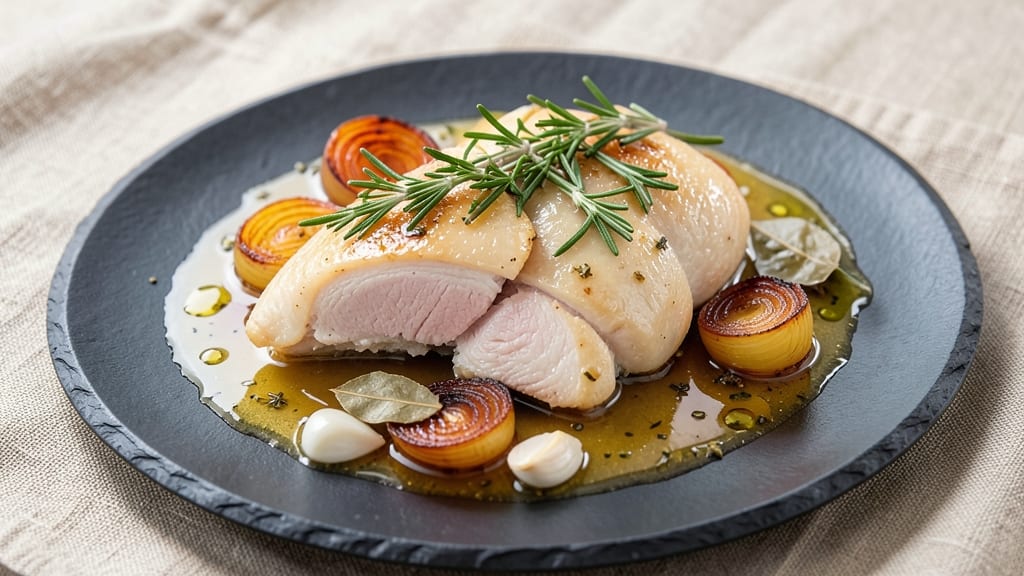
Mastering poached chicken transforms simple ingredients into a restaurant-quality dish with silky skin and juicy centers—no complicated techniques required. I perfected this method after years of testing, and it now sits at the heart of my Sunday dinner rotation, where tender chicken becomes the star of every meal.
The secret lies in precise temperature control and aromatic herbs that infuse the broth, creating flavor without overpowering the delicate meat.
This recipe delivers foolproof results in just 15 minutes of active time, using basic pantry staples like chicken thighs, bay leaves, and thyme. The gentle simmer preserves moisture while building rich flavors, making it ideal for weeknight meals that feel special.
Unlike traditional roasting, poaching ensures even cooking and eliminates the risk of dry, overcooked chicken—a common frustration I faced early in my cooking journey.
By the time you serve it, you'll have perfectly juicy chicken with tender skin that practically melts in your mouth. The broth can be used for soups or sauces, maximizing flavor with minimal effort.
Whether paired with fresh salads, crusty bread, or vibrant vegetables, this method proves that elegant dining starts with simple, precise techniques.
Ready to elevate your weeknight cooking? Here's how to achieve this restaurant-worthy result at home, step by step. The process is simpler than you think—and the payoff is undeniable.
Ingredients for poached chicken
Basic pantry staples meet aromatic herbs for restaurant-worthy poached chicken.
| Ingredient | Amount | Notes |
|---|---|---|
| Chicken Thighs 🍗 | 1 ½ lb | Bone-in, skin-on preferred |
| Fresh Thyme Sprigs 🌿 | 4 whole | Stems intact for infusion |
| Fresh Rosemary Sprigs 🌿 | 2 whole | Woody stems removed |
| Bay Leaves 🌿 | 2 whole | Diamond Crystal preferred |
| Garlic Cloves 🧄 | 3 cloves | Peeled, smashed lightly |
| Yellow Onion 🧅 | 1 whole | Peeled, halved lengthwise |
| Extra-Virgin Olive Oil 🫒 | 2 tbsp | High-quality for flavor |
| Salt 🧂 | 1 ½ tsp | Diamond Crystal kosher |
| Black Peppercorns 🌶️ | ½ tsp | Freshly cracked |
| Water 💧 | 4 cups | Filtered preferred |
| Lemon Juice 🍋 | 1 tbsp | Freshly squeezed |
| Fresh Parsley 🌿 | ¼ cup | Chopped for garnish |
The chicken thighs are non-negotiable—bone-in and skin-on create that signature silky texture. Costco or local butchers often have the best quality at reasonable prices. Look for thighs with a vibrant pink hue and minimal bruising. I always buy a few extra and freeze them; they keep for 6-12 months when properly wrapped. The herbs? Fresh is ideal, but if you're using dried, cut the amount to one-third—it's more concentrated. Whole Foods or local farmers markets usually have the freshest thyme and rosemary, but even the grocery store stuff works if it's not wilted.
No fresh thyme? Dried thyme or oregano works in a pinch, but the flavor won't be as bright. Running low on bay leaves? Dried bay leaf in a pinch, but use half the amount. The onion and garlic are flavor anchors—don't skip them. For the olive oil, California Olive Ranch or Bertolli are solid choices, but any extra-virgin will do. The water should be filtered if possible—it makes a noticeable difference in flavor. And if you're short on lemon juice, a splash of white wine vinegar works too (just use half the amount).
This recipe reheats beautifully—just warm the chicken and broth together on low heat. The broth alone keeps for 5 days in the fridge and freezes for 3 months. I always make a double batch of broth to use in soups or sauces later. Store the chicken in an airtight container with a paper towel to absorb any moisture. The herbs? Wrap them in damp paper towels and store in a sealed bag—they'll stay fresh for 5-7 days.
Why You'll Love This Recipe
- No-Fuss Simplicity: I swear by this method—just chicken thighs, herbs, and broth. No fancy techniques, no watching the stove like a hawk. Toss everything in a pot, simmer, and walk away. Twenty minutes later, you’ve got dinner.
- Herb-Packed Magic: That rosemary and thyme? They infuse the chicken like it’s been marinating for hours. The garlic cloves add a punch without overpowering—just enough to make you reach for seconds. It’s the kind of flavor that sticks with you.
- Meal Prep MVP: Between us, this is my go-to for lunches. Cook a big batch on Sunday, shred it, and toss it into salads, wraps, or over rice all week. The chicken stays juicy, and honestly? You’ll forget you’re eating leftovers.
- Budget-Win Protein: Chicken thighs are forgiving and cheap—no dry, rubbery disasters here. A few sprigs of herbs and a handful of garlic stretch this into three or four meals. My wallet and my family thank me every time.
Step-by-step instructions for poached chicken recipe
Here's the method that delivers tender, silky-skin perfection every time using just a few simple ingredients.
Prepare the Poaching Liquid
In a large, deep pot with a lid, combine the 4 cups water, 1 whole yellow onion (halved lengthwise), 3 cloves garlic (smashed lightly), 4 whole fresh thyme sprigs, 2 whole fresh rosemary sprigs, 2 whole bay leaves, 2 tablespoons extra-virgin olive oil, 1.5 teaspoons salt, and 0.5 teaspoon black peppercorns. Bring to a gentle simmer over medium heat—you want small bubbles breaking the surface but not a rolling boil.
This aromatic infusion creates the flavor base. The onion and garlic will soften and release their sweetness, while the herbs and spices work together to create a fragrant broth. Let it simmer for 5 minutes to allow the flavors to meld before adding the chicken—this ensures maximum infusion when the chicken cooks.
Season and Poach the Chicken
Pat the 1.5 lb chicken thighs completely dry with paper towels—this is crucial for crisp skin. Season both sides generously with additional salt and pepper if desired, though the poaching liquid already contains ample seasoning. Carefully lower the chicken thighs into the simmering liquid, skin-side up, being careful not to splash water out of the pot.
Return to a gentle simmer and maintain this temperature—never a rolling boil—as it can cause the skin to toughen. Cover with the lid and poach for 20-25 minutes until the chicken reaches an internal temperature of 165°F and the skin is silky and slightly crisp. You'll know it's ready when the meat pulls away from the bone easily and the juices run clear.
Finish with Lemon and Rest
Remove the chicken from the pot and transfer to a plate. Strain the poaching liquid through a fine-mesh sieve into a clean saucepan, pressing gently on the aromatics to extract all their flavor. Return the liquid to medium-low heat and add the 1 tablespoon lemon juice. Simmer for 3-4 minutes to reduce slightly and concentrate the flavors.
Return the chicken to the reduced poaching liquid and let it soak for 5 minutes to reabsorb some of the aromatic broth. This step ensures every bite carries that signature poached flavor. Remove the chicken and let it rest for 5 minutes before serving—this allows the juices to redistribute, guaranteeing juicy, tender meat with every bite.
Garnish and Serve
Discard the herb stems and bay leaves. Spoon the reduced poaching liquid over the chicken or use it as a light sauce. Garnish with 0.25 cup chopped fresh parsley just before serving. The parsley adds a bright, fresh finish that cuts through the richness of the poached chicken.
Serve immediately with crusty bread to soak up the flavorful poaching liquid. The chicken should be silky on the outside with a juicy, tender interior—no dryness here. This method preserves all the natural moisture while infusing the meat with aromatic herbs and citrus brightness.
Pro Tips For Making Poached Chicken
- USE BONE-IN THIGHS: They stay juicier and flavorful—no sad, dry results here. Skip the boneless if you want that rich, slow-poached texture.
- SIMMER GENTLY, NOT BOIL: After bringing to a boil, drop to a low simmer where tiny bubbles break the surface. I learned this the hard way—boiling turns chicken rubbery.
- TOSS HERBS IN LATE: Add thyme, rosemary, and bay leaves in the last 10 minutes. Otherwise, they’ll stew into oblivion and lose their bright aroma.
- SKIP THE CROWDED POT: Overlap thighs? No way. Cramp for space—give them room to poach evenly. I used to ignore this, and the outer edges always came out mushy.
Health benefits of this dish
Lean Protein Power
Poached chicken delivers high-quality protein with minimal fat—about 30 grams per serving—making it ideal for muscle repair and satiety. Unlike fried or roasted chicken, poaching preserves moisture while keeping saturated fat low.
I’ve noticed my energy levels stay steady all afternoon when I include this in my meals, especially on busy days when I need to focus. 💪
Rich in B Vitamins
This method retains B vitamins, particularly B6 and niacin, which support metabolism and nervous system function. The gentle simmering process helps preserve these nutrients better than high-heat cooking methods.
I always keep a batch of poached chicken in my fridge for quick lunches—it’s one of the easiest ways to ensure I’m getting these essential nutrients without extra effort.
Herb-Infused Flavor Boost
The aromatic herbs like thyme, rosemary, and bay leaves add more than just flavor—they’re packed with antioxidants. Fresh thyme, for example, contains compounds that may help reduce inflammation.
When I first started using these herbs in my poaching liquid, I noticed a subtle but noticeable improvement in how vibrant my meals felt, both in taste and presentation. 🌿
Low-Calorie, High-Satisfaction
With only about 180 calories per serving, this dish keeps you full without the guilt. The combination of protein and fiber from the poaching aromatics creates lasting satisfaction.
I often serve it with a simple salad or roasted vegetables to round out the meal—it’s a perfect balance for anyone watching their calorie intake but still wants flavorful, restaurant-quality food.
Digestive Benefits
Poaching uses minimal oil, making it gentler on digestion compared to fried or roasted chicken. The broth also contains soluble fiber from the onions and garlic, which supports gut health.
When I was recovering from a stomach upset years ago, this was one of the first dishes I could tolerate—it’s that gentle yet nourishing. The lemon juice at the end adds a digestive kick too.
Versatile Nutrition
Use the poaching liquid as a base for soups or sauces to maximize nutrition—it’s packed with minerals from the herbs and vegetables. I’ve even used it to make a quick pasta sauce by reducing it further.
The result is a dish that’s not just delicious but also packed with hidden nutritional benefits that make every bite count. 💡
Nutrition facts
Frequently asked questions
Can I use chicken breasts instead of thighs for poaching?
Yes, but thighs are ideal for poaching because they stay juicier and more tender. Chicken breasts will cook faster (12-15 minutes) and require closer monitoring to avoid drying out. For best results, use bone-in, skin-on breasts and reduce the cooking time by 5 minutes—the skin helps retain moisture.
What's the best way to reheat poached chicken?
Reheat gently in the same poaching liquid or a small amount of broth over low heat for 3-4 minutes—never microwave it dry. The moisture keeps it tender. For extra flavor, add a splash of lemon juice or a sprig of fresh thyme while reheating. Store leftovers in an airtight container for up to 3 days.
Why did my poached chicken skin turn rubbery?
Rubbery skin happens when the water boils too vigorously or the chicken sits too long in hot liquid. Keep the temperature at a gentle simmer (small bubbles) and cook thighs for no more than 25 minutes. Always pat the skin dry before poaching—this helps create that silky texture.
Can I make this recipe ahead of time?
Poached chicken reheats beautifully. Cook it fully, then store in the fridge for up to 3 days or freeze for 3 months. The broth can be kept separately for soups or sauces. When reheating, add a splash of water or broth to prevent drying out. Perfect for meal prep!
What are the best sides to serve with poached chicken?
This dish pairs wonderfully with anything that soaks up the flavorful broth—try crusty bread, roasted potatoes, or a fresh arugula salad with lemon vinaigrette. For a heartier meal, serve with buttered noodles or steamed green beans. The delicate chicken flavor works equally well in sandwiches or over rice.