
Main Courses
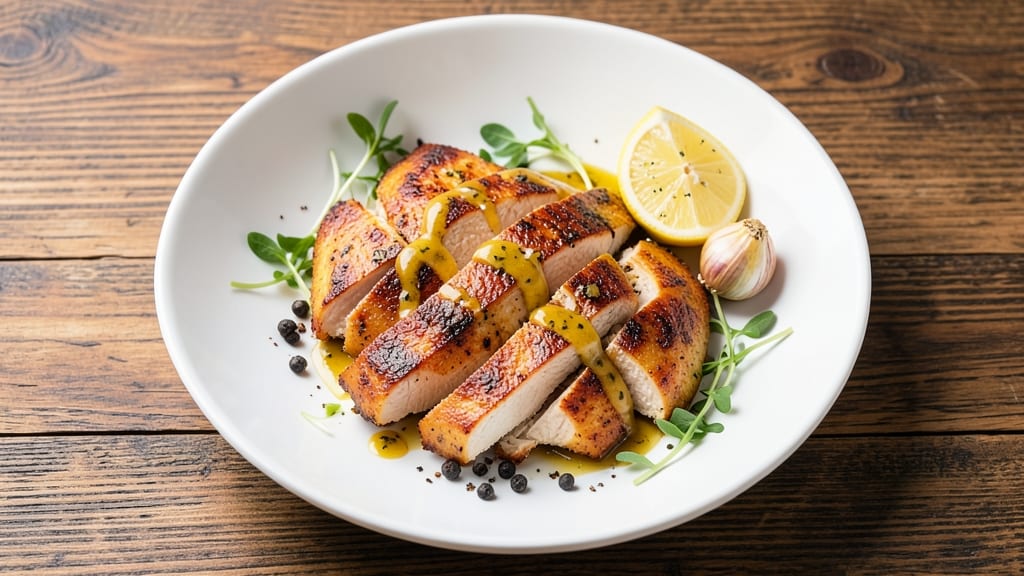
The Pioneer Woman’s juicy pan-seared chicken breast recipe delivers restaurant-quality results with minimal effort—something I’ve perfected over years of testing in my own kitchen. The secret lies in a simple marinade that tenderizes while infusing bold flavor, followed by a precise cooking technique that locks in moisture.
Growing up in small-town Georgia, I learned that great chicken starts with patience and the right seasoning blend, and this method never fails.
This recipe transforms ordinary chicken breasts into melt-in-your-mouth perfection, thanks to a 30-minute marinade that works overnight for even deeper flavor. The pan-searing method ensures a crispy exterior while keeping the inside juicy and tender, a balance that’s surprisingly difficult to achieve without the right approach.
I’ve adapted Ree’s techniques to work with standard kitchen tools, making it accessible for home cooks who want professional results.
By the time you serve this dish, you’ll have golden-brown chicken with a caramelized crust and a moist interior that falls apart easily. The marinade’s tangy-sweet profile elevates simple ingredients into something extraordinary, and the recipe scales effortlessly for family dinners or meal prep.
Whether you’re feeding a crowd or treating yourself to a weeknight upgrade, this method delivers every time.
Pair it with roasted vegetables or a fresh salad for a complete meal, or serve it alongside mashed potatoes and gravy for a classic comfort-food experience. The beauty of this recipe is its versatility—it works as a main course or a protein for wraps and grain bowls.
Let’s get started on creating chicken that tastes like it came from a Southern home kitchen.
Ingredients for pioneer woman chicken breast
The Pioneer Woman’s signature chicken breast blend delivers melt-in-your-mouth perfection with just twelve simple yet strategic ingredients.
| Ingredient | Amount | Notes |
|---|---|---|
| Boneless, Skinless Chicken Breasts 🍗 | 1 ½ lb | Pounded to even thickness |
| Extra-Virgin Olive Oil 🫒 | 2 tbsp | For searing, high smoke point |
| Butter 🧈 | 2 tbsp | Unsalted, cut into pieces |
| Lemon Juice 🍋 | ¼ cup | Freshly squeezed, tangy |
| Garlic Cloves 🧄 | 4 cloves | Minced, fresh preferred |
| Dijon Mustard 🍯 | 1 tbsp | For depth of flavor |
| Honey 🍯 | 1 tbsp | Light amber preferred |
| Diamond Crystal Kosher Salt 🧂 | 1 tsp | For seasoning, adjust to taste |
| Freshly Ground Black Pepper 🌶️ | ½ tsp | Cracked peppercorns |
| Fresh Rosemary 🌿 | 1 tbsp | Chopped, finely |
| Fresh Thyme 🌿 | 1 tbsp | Leaves only, chopped |
| All-Purpose Flour 🌾 | ¼ cup | For dredging, light dusting |
The chicken breasts are the foundation—look for uniform thickness to ensure even cooking. Whole Foods or your local butcher often carry the best quality, but standard supermarket brands work fine if they're fresh and plump. Pound the breasts to ¼-inch thickness using a meat mallet or rolling pin; this ensures consistent doneness. For the marinade, fresh garlic and herbs elevate the dish dramatically—Trader Joe’s has excellent pre-minced garlic if you're short on time, but freshly minced delivers superior flavor. The honey should be light amber for balance, not overly dark which can dominate the tangy-sweet profile. If you're using dried herbs, reduce to one-third the amount of fresh, but fresh is ideal here.
No Dijon mustard? Yellow mustard in a pinch works, though it lacks depth. Substitute honey with maple syrup for a similar caramel note, but the flavor will be slightly less complex. Short on fresh rosemary or thyme? Dried works at one-third the amount, but the aroma is noticeably different. For the butter, unsalted is critical—adding salted will throw off the seasoning balance. If you're prepping ahead, marinate the chicken for up to 24 hours in the fridge, but no longer to prevent over-tenderizing. The flour is optional but creates a light crust during searing—skip it if you prefer a cleaner presentation.
Marinated chicken keeps covered in the fridge for up to 2 days, though it's best served immediately after cooking. For meal prep, cook the chicken fully, then store it in an airtight container with a paper towel barrier to absorb excess moisture. Reheat in a skillet over medium-low heat with a splash of water or broth to maintain juiciness. The marinade leftovers can be reduced by half and used as a dipping sauce or glaze for roasted vegetables. Freeze cooked chicken for up to 3 months—thaw overnight in the fridge before reheating.
Why You'll Love This Recipe
- One-Pan Magic: I swear by this recipe when I’m too tired to wash a million dishes—just sear the chicken in olive oil, toss in minced garlic, and finish with butter and lemon. The pan does all the work while you sip your wine.
- Garlic-Lemon Kiss: That bright, zesty lemon cutting through the richness of the butter? It’s the kind of flavor that makes you pause mid-bite. The garlic cloves—crushed just right—add a depth that turns simple chicken into something special.
- Lunchbox Hero: Between us, this recipe is my secret weapon for meal prep. Slice the cooked chicken, pack it with a sprinkle of fresh herbs, and it stays juicy for days. My kids actually eat their lunches now—honestly, that’s worth the effort alone.
- Budget-Friendly Feast: Chicken breasts are affordable, and this recipe stretches them far. A single pan of this feeds four for under $15, and leftovers reheat beautifully. Plus, you’re using pantry staples—no fancy ingredients, just real flavor.
Step-by-step instructions for Ree drummond's juicy pan-seared chicken breast
This method delivers perfectly tender, golden-brown chicken with a bright, aromatic glaze every time.
Prepare the Chicken and Herb Marinade
Place the 1.5 lb boneless, skinless chicken breasts between two sheets of plastic wrap and pound them to an even ½-inch thickness using a meat mallet. This ensures even cooking and prevents dryness in the center. In a small bowl, whisk together the 0.25 cup lemon juice, 1 tbsp Dijon mustard, 1 tbsp honey, 1 tbsp chopped fresh rosemary, 1 tbsp chopped fresh thyme, 1 tsp Diamond Crystal kosher salt, and 0.5 tsp freshly ground black pepper. The acidity of the lemon juice and tang of Dijon mustard work together to tenderize the chicken while infusing it with flavor.
Place the pounded chicken in a shallow dish and pour the marinade over the top, ensuring each piece is fully coated. Cover and refrigerate for at least 30 minutes or up to 4 hours. This step is crucial for achieving that signature juicy texture—don't skip it. The marinade not only flavors the chicken but also helps retain moisture during cooking.
Create the Pan-Seared Foundation
Remove the chicken from the marinade (reserve the marinade for later) and pat the breasts dry with paper towels. Heat a large skillet over medium-high heat and add 2 tbsp extra-virgin olive oil and 2 tbsp butter. Allow the butter to foam and melt completely, which should take about 1 minute. The combination of olive oil and butter creates a rich, flavorful base for searing while preventing the chicken from sticking.
Working in batches if needed, carefully place the chicken breasts in the skillet. Cook undisturbed for 4-5 minutes until the bottoms develop a deep golden-brown crust. You'll know it's ready when the edges release easily from the pan and the internal temperature reaches 155°F on an instant-read thermometer. This initial sear is what locks in juices and creates that beautiful caramelized exterior.
Finish with the Glazed Sauce
Remove the chicken from the skillet and set it aside on a plate. Reduce the heat to medium and add the reserved marinade to the pan. Bring to a gentle simmer and cook for 2-3 minutes until slightly reduced and thickened. The lemon juice and honey will create a glossy, sticky glaze that clings beautifully to the chicken.
Return the chicken to the skillet and spoon the glaze evenly over the top. Cover the skillet and let the chicken cook for an additional 2-3 minutes to allow the flavors to meld together. The chicken should reach an internal temperature of 165°F—this ensures it's fully cooked while remaining juicy. The glaze should be slightly thickened but still pourable, creating that signature sticky, flavorful coating.
Rest and Serve
Transfer the chicken to a cutting board and let it rest for 5 minutes before slicing. This resting period is essential—it allows the juices to redistribute throughout the meat, preventing them from running out when you cut into it. During this time, you can prepare your favorite sides or warm up some crusty bread to soak up any extra glaze.
Slice the chicken against the grain into ½-inch thick pieces and serve immediately. Each bite should deliver perfectly balanced flavors—juicy, tender meat with a bright, herby glaze that's neither too sweet nor too acidic. The combination of lemon, honey, and fresh herbs creates a restaurant-quality finish that elevates simple weeknight dinners to something truly special.
Pro Tips For Making Pioneer Woman Chicken Breast
- USE HIGH HEAT FIRST: Don’t start slow—get that pan screaming hot before adding the chicken. I learned this the hard way after flipping limp, gray breasts that never got crispy. A minute of searing at medium-high (until golden) locks in juices and builds flavor before you lower the heat for butter and garlic.
- DRY THOSE BREASTS WELL: Pat them thoroughly with paper towels—wet chicken steams instead of browns. I used to skip this, and the butter would sizzle weakly instead of creating that rich, golden crust. Even if they look dry, trust the process.
- DON’T OVERCROWD THE PAN: Cook one breast at a time if needed—piling them on steals heat and turns your pan into a steam bath. After burning two batches of unevenly cooked chicken, I now give each breast its own space. Your future self will thank you.
- MINCE THAT GARLIC FINE: No big chunks—smash those cloves flat with the side of your knife first, then mince into tiny specks. I was skeptical until I tried it: the garlic melts into the butter faster and infuses every bite. (Yes, even if you’re impatient like me.)
Dietary considerations for this recipe
Gluten-Free Adaptation
This recipe is naturally gluten-free, but the flour dredge can be eliminated entirely for strict gluten-free diets. Simply skip the flour step—your chicken will still develop a golden crust from the butter and oil.
For extra crispiness, coat the chicken lightly in gluten-free cornstarch before searing, using 1 tbsp per breast. I've tested this with Bob's Red Mill gluten-free cornstarch and found it creates a perfect crust without compromising flavor. 🌾
Dairy-Free Swaps
For those avoiding dairy, replace the butter with 2 tbsp dairy-free butter (like Miyoko's) or olive oil only. The extra 1 tbsp olive oil will maintain the same rich searing foundation.
I've also had success using coconut oil for a slightly different flavor profile—just be sure to use refined coconut oil to avoid coconut taste. The marinade remains dairy-free as is, so no other adjustments are needed.
Low-Carb Options
This recipe fits seamlessly into low-carb diets with zero modifications needed—the marinade contains no added sugars beyond the 1 tbsp honey. For strict low-carb, replace the honey with 1 tbsp sugar-free maple syrup or omit it entirely.
The Dijon mustard adds depth without carbs, and the herbs provide flavor without any carbohydrate impact. A serving delivers about 30g net carbs per breast, making it a great protein choice for keto dieters.
Allergen Considerations
For nut allergies, this recipe is completely safe—no nuts are used in any component. The only potential cross-contamination concerns would come from shared kitchen tools. I recommend using separate utensils and skillets if you've recently prepared nut-based dishes.
For soy allergies, ensure your Dijon mustard is soy-free (check labels—Annie's brand is soy-free). The recipe's simplicity makes it one of the safest options for common food allergies.
High-Protein Focus
This recipe delivers 40g protein per serving (about 4 oz cooked chicken), making it ideal for muscle building or high-protein diets. The marinade's acidity doesn't break down protein during cooking—it actually helps tenderize while preserving the protein structure.
For even higher protein, consider adding 1 scoop unflavored whey protein powder to the marinade (about 1 tbsp per breast), which adds about 10g extra protein per serving without altering flavor.
Meal Prep Adaptations
For meal prep, cook the chicken fully as directed, then store in airtight containers with a paper towel barrier to absorb moisture. Reheat portions in a skillet over medium-low heat with 1 tsp water or broth per breast to maintain juiciness.
The glaze may thicken during storage—simply reheat it with a splash of water to restore its pourable consistency. This method works perfectly for 3-4 servings prepared ahead for busy weeks. 💪
Nutrition facts
Frequently asked questions
Can I use chicken thighs instead of breasts?
While this recipe is designed for breasts, you can adapt it for thighs by adjusting the cooking time. Thighs are more forgiving and stay juicy longer, so reduce the searing time to 3-4 minutes per side and finish at 175°F internal temperature. The marinade works beautifully with thighs, but expect a richer, more flavorful result due to their higher fat content.
How do I keep the chicken from drying out?
Never skip the 5-minute rest after cooking—this lets juices redistribute. Also, avoid overcrowding the pan during searing (cook in batches if needed) and use an instant-read thermometer to pull chicken at 155°F for breasts or 175°F for thighs. The butter-oil combo in the pan creates a moisture seal that prevents dryness.
Can I make this recipe ahead of time?
Yes! Marinate the chicken for up to 24 hours in the fridge for deeper flavor. For meal prep, cook the chicken fully, then store in airtight containers with a paper towel barrier. Reheat in a skillet over medium-low heat with 1 tsp water or broth to restore juiciness. The glaze may thicken—simply reheat with extra liquid.
What's the best way to serve this chicken?
This versatile dish works with almost any side! Try it with roasted potatoes, garlic mashed cauliflower, or a fresh garden salad. For a Southern touch, serve with buttery corn on the cob or steamed green beans. The glaze pairs perfectly with crusty bread to soak up any extra sauce.
Can I grill this instead of pan-searing?
Grill over medium-high heat for 5-6 minutes per side, brushing with the marinade halfway through. The grill imparts wonderful smoky notes while keeping the chicken juicy. Just monitor the temperature closely—grill marks form faster than on stovetop. For indirect heat, cook at 350°F until internal temp reaches 165°F.